How to Remove Rust Stains from Wood: Rust vs Iron Stain
Most dark stains on wood are not rust at all. Orange rust marks sit on the surface, but blue-black or gray streaks near nails are iron reacting with the wood’s own tannins, and oxalic acid is the standard fix for that. This guide covers how to tell them apart, a two-step test, the safe way to use oxalic acid, and how to stop the stain returning.
How to Remove Rust Stains from Wood: Identify the Stain First
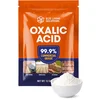 |
Best Oxalic Acid Rust Stain Pick Eco Living Solutions Oxalic Acid 99.9% Powder, 12 oz, $9.99 Oxalic acid is the active ingredient the Forest Products Laboratory names for lifting iron stains, and this powder is sold for wood bleaching and rust removal, which matches the test-and-treat steps below.
|
As an Amazon Associate we earn from qualifying purchases.
The right fix depends on what you are looking at. A surface rust mark from a can or tool and a black iron stain from a fastener look different and behave differently. The US Forest Products Laboratory (FPL) describes iron stain as an unsightly blue-black or gray discoloration that can occur on nearly all woods. Use this table to sort yours before you reach for any chemical.
| What you see | Most likely cause | What to do first |
|---|---|---|
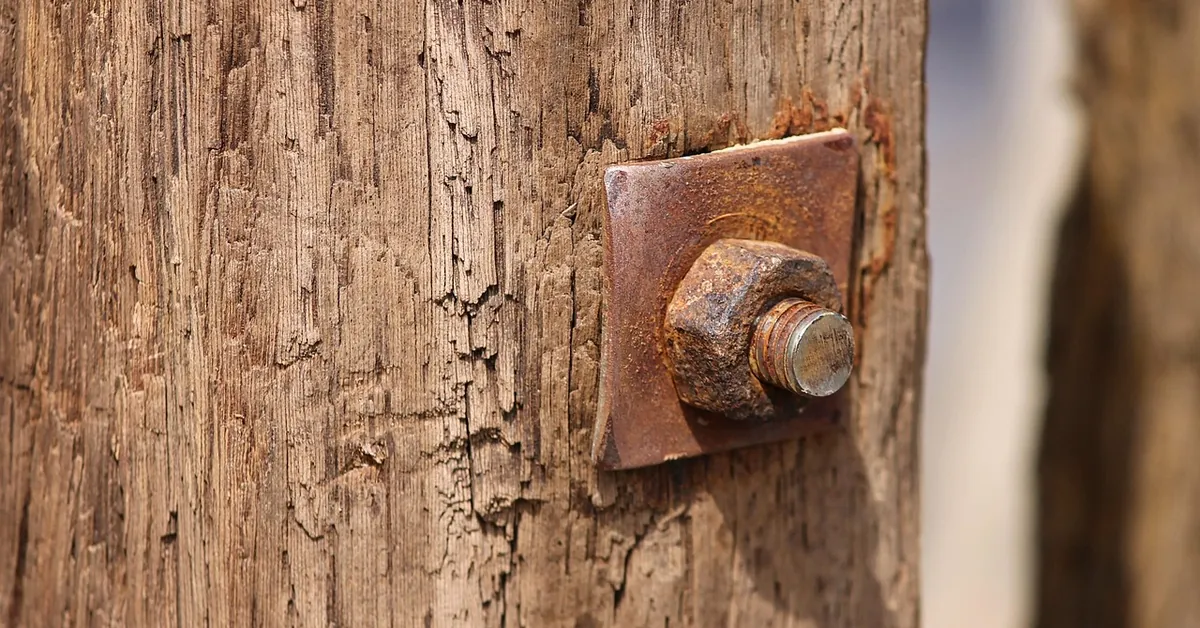
| Orange or brown film from a can, tool or planter base | Surface rust transferred onto the wood | Lightly scrub dry, then treat with oxalic acid if a mark remains |
| Blue-black or gray streaks around nails, screws or hinges | Iron reacting with tannin-like extractives in the wood | Run the oxalic acid test below, then treat |
| Dark ring or blotch on oak or cedar after a wet metal object sat on it | Iron plus water plus tannin, the same reaction as ink | Oxalic acid; spot-treat only the stain |
| Black or green fuzzy patches that do not follow metal | Probably mildew, not iron | Per FPL, if oxalic acid fails but bleach works, it was mildew |
| Similar dark stain near aluminum fittings | Aluminum contamination | Treat the same way; FPL says it is usually less dark but harder to remove |
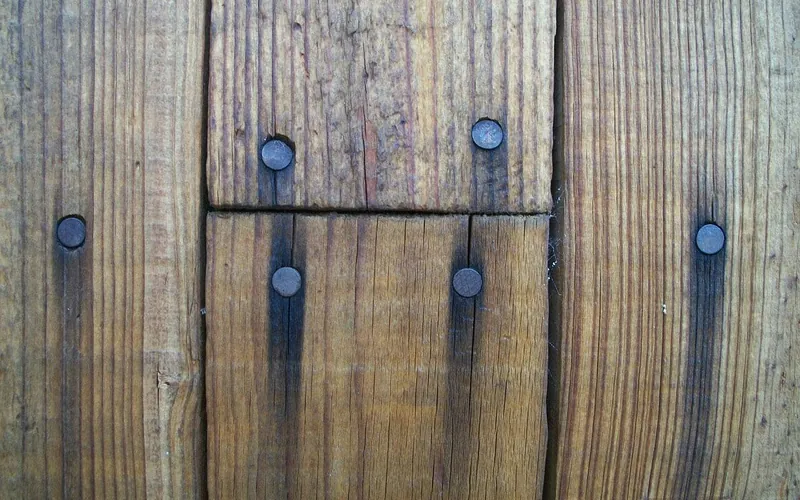
Oak, redwood, cypress and cedar are the woods most prone to iron stain because they contain large amounts of tannin-like extractives, and the stain often shows up the first morning after rain or dew. Source: USDA Forest Products Laboratory, Iron Stain on Wood
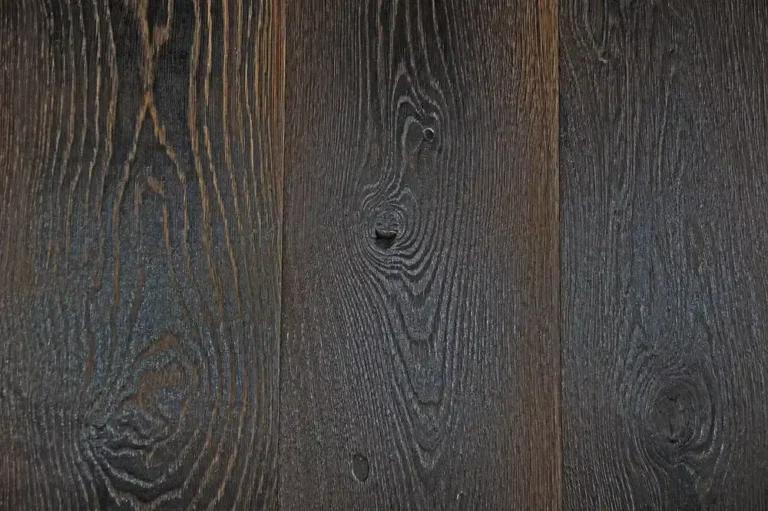
That last point is the part most how-to pages miss: you can fix a stain that is not rust. Rust on wood is only a surface deposit. The black stain people call a rust stain is a chemical compound inside the wood fibers, which is why scrubbing it does nothing and why it can come back after a rain.
The Oxalic Acid Test: Is It Iron, or Is It Mildew?
FPL gives a simple three-part diagnostic that costs almost nothing. Apply a saturated solution of oxalic acid in water to a small stained area. If the stain lifts, iron is present. If it does not, apply bleach to the stained area. If bleach lifts it, the discoloration was probably mildew, not iron.
- Stain lifts with oxalic acid: iron stain. Continue with the removal steps below.
- Stain lifts only with bleach: probably mildew. Clean it as mold, not as rust; see how to clean a stained deck for outdoor surfaces.
- Neither lifts it: the stain may be water damage, dye or old finish, which need a different treatment. Our guide to removing water stains from wood covers that case.
Two cautions. First, never mix oxalic acid and bleach: run the tests as separate steps with a full rinse and dry between them (this is standard chemical-safety practice and is not stated on the FPL sheet). Second, per FPL, if a finish repels water the stain can appear long after finishing because water reaches the iron from the back side, and the finish has to come off before the stain can be tested or treated.
Oxalic Acid Safety: Read This Before You Mix Anything
The safety data sheet for oxalic acid dihydrate (a Fisher Scientific SDS, hosted by West Liberty University) sets out the precautions below. Your product may differ, so the label on your container always wins.
- Protect yourself: wear protective gloves, protective clothing and eye or face protection.
- Ventilation: use only outdoors or in a well-ventilated area, and do not breathe the dust when scooping powder.
- If it gets on skin: take off contaminated clothing and rinse with plenty of water for at least 15 minutes, then get medical help.
- If it gets in eyes: rinse cautiously with water, remove contact lenses if easy, keep rinsing for at least 15 minutes, and get medical help immediately.
- If swallowed: rinse the mouth, do not induce vomiting, and call a poison center or doctor right away.
- Storage: keep the container tightly closed and locked up, in a dry place, and not in a metal container.
- Disposal: the SDS says to dispose of contents and container at an approved waste disposal plant and not to release the chemical into the environment. Check local rules for rinse water and leftover solution.
How to Remove Rust and Iron Stains from Wood with Oxalic Acid
FPL says oxalic acid reacts with iron tannates to form a colorless complex. It also notes that oxalic acid is usually sold at paint supply stores as wood bleach, so check the ingredients list. For strength, FPL says to always apply a saturated solution, or at least 5% by weight. Your product label may give its own ratio, so follow the label first.
- Protect the area: cover metal fixtures and nearby plants, and put on gloves, goggles and long sleeves.
- Test a hidden spot first: wood color and finish vary, and FPL warns that on oak, oxalic acid can leave a pink stain if left on too long.
- Mix in a plastic or glass container: add powder to warm water, stirring until it dissolves, and make only what you need.
- Apply only to the stain: brush it on with a plastic or natural-bristle brush and watch the color.
- Check often: rinse as soon as the stain lifts instead of letting the solution sit.
- Rinse thoroughly: FPL says to wash the surface with fresh, warm water to remove excess acid. Our guide to neutralizing oxalic acid on wood covers label-specific rinse steps.
- Let the wood dry fully: then sand lightly with the grain if the grain raised, and wipe off the dust before you stain or seal.
If the wood looks lighter after treatment, oxalic acid is acting as a mild bleach, so on furniture plan to treat the whole panel evenly instead of one patch. The wood bleach guide and our oak bleaching walkthrough show how to even out color afterward.
Why the stain can come back
“Oxalic acid treatment is only a temporary solution if iron remains on the wood.”
FPL adds that oxalic acid itself breaks down in sunlight, and if the wood is wetted afterward, discoloration returns. That means removing the stain is only half the job. You also have to remove or protect the iron source, which is the next section.
Do Vinegar, Lemon Juice, Salt or Baking Soda Work?
Lemon juice with salt, white vinegar and baking soda paste are the usual home remedies for rust stains on wood. The FPL guidance read for this article is built around oxalic acid and does not test any of them, so there is no lab-backed ratio or dwell time to give you. Treat them as light-duty options for a fresh surface mark, test a hidden spot first, and rinse well.
One caution on vinegar. The site’s ebonizing guide explains how vinegar and iron are combined on purpose to turn tannin-rich wood black, which is a reason not to expect vinegar to fix a stain that is already iron-tannin. If a mild method does not move the stain, return to the oxalic acid test instead of repeating the household acid. For general stain types and removers, see our wood stain remover guide.
Rust Stains on Decks, Furniture, Counters and Floors
The chemistry is the same on every surface, but the risks differ.
- Decks and fences: work one board at a time, rinse with a hose, and keep runoff off lawns and beds. Cedar is on FPL’s list of woods prone to iron stain, so our cedar trellis ideas and cedar fence finish guide are worth a look if staining keeps happening around fasteners.
- Furniture: test on an underside first, and never soak veneer. Our dedicated guide to rust stains on wooden furniture goes deeper on finished pieces.
- Countertops and butcher block: keep oxalic acid off any surface that touches food until it has been rinsed and dried, and see how to clean butcher block safely for the food-contact side.
- Wood floors: FPL notes that urine on wood floors speeds the iron-extractive reaction, so pet accidents near metal can darken floors quickly. See how to get a stain out of a wood floor.
When to Sand Instead
If the stain is shallow, or the wood is going to be refinished anyway, light sanding may be enough. Start with a medium grit, sand with the grain, and stop when fresh wood shows. Deep black stain that runs far into the grain usually needs oxalic acid first, because sanding a dark core down to nothing removes sound wood. After sanding, wipe off the dust and apply a finish before moisture and metal can reach the bare wood again.
Stop Iron and Rust Stains from Coming Back
FPL states that if the wood is kept dry, no discoloration will occur, and that steel used in contact with wood must not corrode. Most outdoor repeats come from fasteners, so the coating on the nail or screw matters more than the cleaner you used.
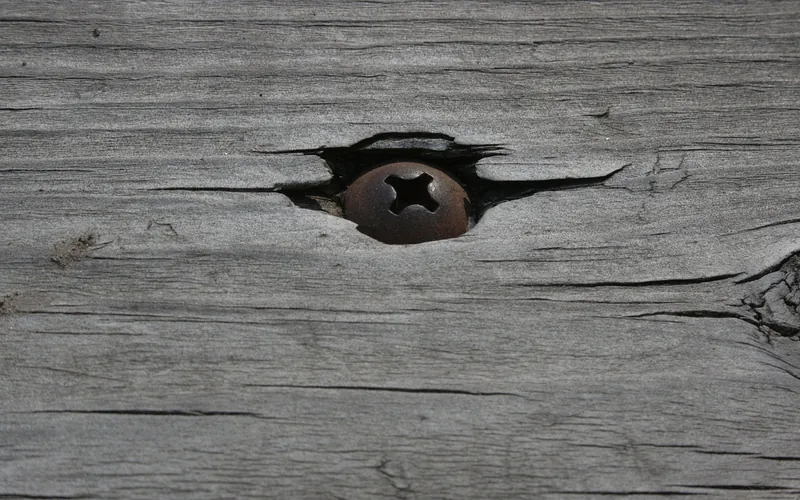
| Fastener type | What FPL says | Staining risk |
|---|---|---|
| Shiny galvanized (electroplated zinc) | Thinnest zinc coating | Highest of the galvanized types |
| Dull-gray galvanized (mechanically coated) | Can outlast electroplated, but the zinc coating contains iron | Staining is likely |
| Hot-dipped galvanized (globby look) | Longest protection for the steel; zinc can clog screw heads | Lower |
| Stainless steel | Best choice, particularly for screws | Lowest |
FPL also lists everyday sources of iron: traces left by cutting tools, steel wool and wire brushes, finishes stored in rusty containers, iron dust from metalworking, and plant fertilizers. Even striking wood with a hammer can cause iron stain on some species, and FPL suggests covering the hammer head when nailing redwood and western redcedar siding. Use a nylon or natural-bristle brush on tannin-rich woods instead of steel wool or wire brushes, and never pour finish from a rusty can.
Finally, protect the wood from water. Our wood care and protection guide covers upkeep. One catch from FPL: a finish that repels water can still let stain appear later if water reaches the iron from the back side, so fix the fastener, not just the surface.
Frequently Asked Questions
Is a rust stain on wood the same as a black iron stain?
No. Surface rust is an orange deposit sitting on the wood. A blue-black or gray stain is usually iron reacting with tannin-like extractives inside the wood, which the Forest Products Laboratory calls iron stain. Oxalic acid lifts iron stain, while light scrubbing often handles surface rust.
What removes rust stains from wood best?
For iron stains, the Forest Products Laboratory recommends oxalic acid, which reacts with iron tannates to form a colorless complex. Apply a saturated solution or at least 5% by weight, rinse thoroughly with fresh warm water, and follow your product label. Oxalic acid is hazardous, so wear gloves and eye protection.
Will oxalic acid damage wood?
It can alter color. The Forest Products Laboratory warns that on oak, oxalic acid can leave a pink stain if the solution stays on too long. It also acts as a mild bleach, so test a hidden area, treat evenly, rinse well, and let the wood dry before finishing.
Why does the stain keep coming back?
Because the iron source is still there. The Forest Products Laboratory says oxalic acid is only a temporary solution if iron remains on the wood, and that it breaks down in sunlight. Replace corroding fasteners with stainless steel and keep the wood dry and protected.
Is oxalic acid dangerous to use?
Yes. Safety data sheets list oxalic acid as harmful if swallowed and in contact with skin, and able to cause severe skin burns and eye damage. Wear gloves, protective clothing and eye protection, work outdoors or with ventilation, keep it from children and pets, and follow your label and local disposal rules.
The Bottom Line
Sort the stain first: surface rust, iron stain, or mildew. Use the oxalic acid test, treat only what responds, rinse with plenty of fresh warm water, and then fix the fastener or moisture problem that caused it. Handle oxalic acid as the corrosive chemical it is.
Sponsored / affiliate links. As an Amazon Associate I earn from qualifying purchases. I may earn additional commission from eligible campaigns.