Boxwood vs Japanese Holly: Picking the Right Plant
Choosing between Boxwood vs Japanese Holly: Which to Choose? is a common question, especially for new gardeners. It can seem tricky because both plants look similar and have pros and cons. Don’t worry, though! We’ll make it simple. This guide will walk you through the key differences so you can select the perfect plant for your garden. Let’s explore how to make the best decision for your space, starting with what makes each of these plants unique.
Characteristics of Boxwood Plants
Boxwood plants are classic choices for gardens and landscapes. They’re popular because they can be shaped and pruned easily. This makes them perfect for creating hedges, topiaries, or just neat, tidy borders. Boxwoods have a timeless look that fits many garden styles. They’re often used in formal gardens, but they also work well in more casual settings. Their small leaves and dense growth create a beautiful, lush appearance.
Key Features of Boxwood
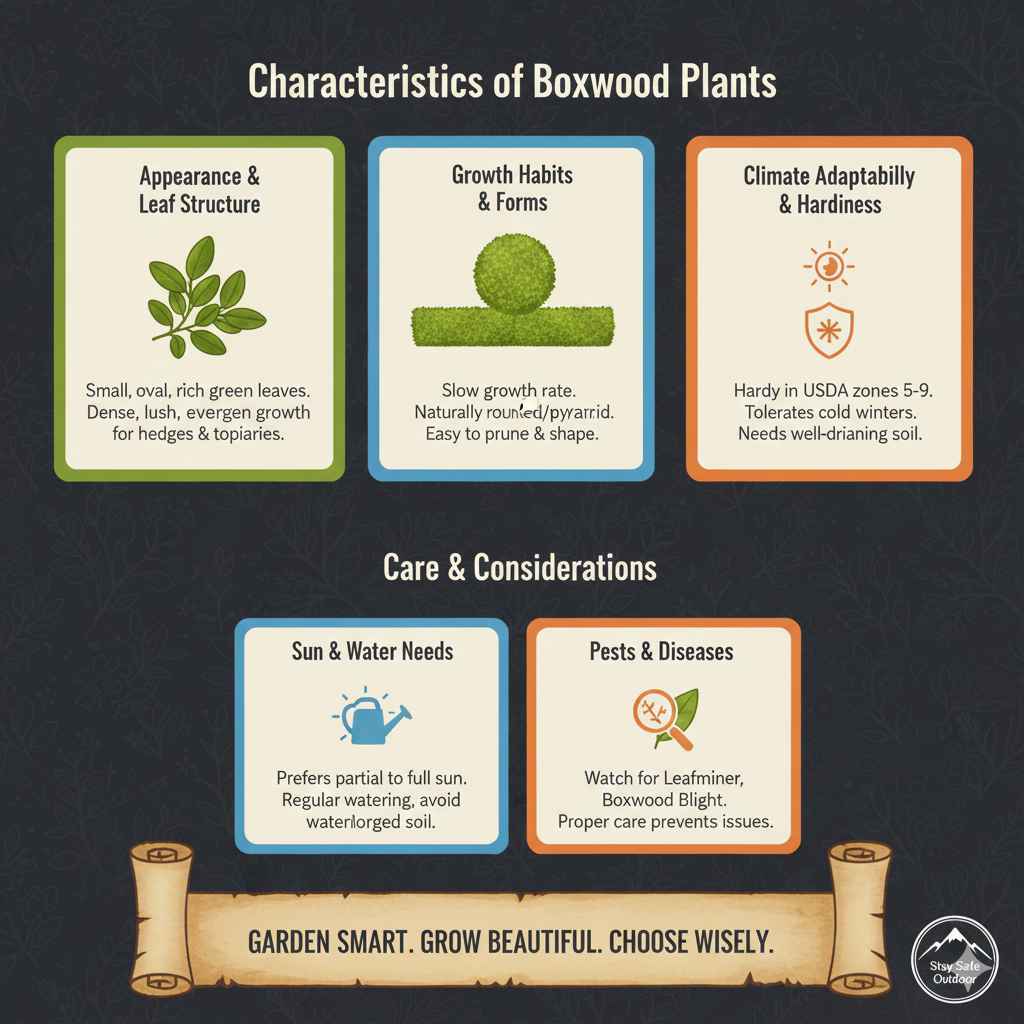
- Appearance and Leaf Structure: Boxwoods usually have small, oval-shaped leaves that are a rich green color. The leaves are smooth and feel a bit waxy. They stay green all year, providing constant color to your garden, and their dense growth makes them perfect for privacy or a defined border. Their compact nature allows for creative shaping, from simple hedges to intricate topiary designs. Boxwood leaves can also vary slightly in color, with some varieties showing lighter or variegated shades. These plants offer versatility in garden design.
- Growth Habits and Forms: Boxwoods grow at a slower pace compared to many other shrubs. This makes them ideal if you want a plant that won’t quickly overgrow its space. They have a naturally rounded or pyramidal shape, but they can be trimmed into different forms. You can find boxwoods in many forms, including small, low-growing varieties and taller, more upright types. The slower growth allows you to maintain the shape with less frequent pruning. This is beneficial for those who prefer low-maintenance gardening.
- Climate Adaptability and Hardiness Zones: Boxwoods are typically hardy in a variety of climates, especially in USDA hardiness zones 5 through 9, but it depends on the specific variety. They can usually handle cold winters and moderate summers. However, extreme heat or cold might stress them. Boxwoods can be susceptible to some diseases and pests in certain regions. Ensure you select a boxwood type well-suited to your local climate for best results.
Boxwood plants are generally considered to be evergreen shrubs, holding their leaves year-round. This is a primary reason people select them for hedges, because they provide privacy and structure even when other plants lose their leaves. They need sunlight, well-draining soil, and regular watering to flourish. Boxwoods can sometimes be affected by pests like the boxwood leafminer or diseases like boxwood blight. Careful monitoring and proper care are important to keep them healthy.
Exploring Japanese Holly Varieties
Japanese Holly plants are another great option. They are also evergreen shrubs and share some characteristics with boxwoods. Japanese Hollies are known for their dense foliage and attractive appearance, but they offer some distinct differences. They offer varied leaf shapes and textures, and they can produce colorful berries, adding a splash of seasonal interest. Japanese hollies can also fit into formal and informal garden designs. They are adaptable and offer various size and shape options.
Key Features of Japanese Holly
- Leaf and Foliage Characteristics: Unlike the small, oval leaves of boxwoods, Japanese Hollies often have a slightly larger and more varied leaf shape. Some varieties have rounded leaves while others have a more pointed appearance. The leaves usually have a glossy texture, which adds visual appeal. Some Japanese Hollies, like ‘Sky Pencil’, have a more upright, columnar form, while others spread out more. This foliage texture and form offers various options for different garden designs.
- Growth Habit and Forms: Japanese Hollies can have different growth habits, from compact and rounded to tall and upright. There are varieties perfect for hedges, and others work great as stand-alone shrubs. They tend to grow a bit faster than boxwoods, which can be good if you want to establish a hedge faster. They’re generally easy to prune and shape. You can choose the variety that best fits your desired space and style. Their adaptability makes them a practical choice for diverse landscaping goals.
- Climate Adaptability and Hardiness Zones: Japanese Hollies have good climate adaptability, commonly growing in USDA hardiness zones 6 through 9, but some cultivars are even hardier. They can usually endure cold temperatures and tolerate different soil conditions. They might have a better tolerance for certain diseases compared to some boxwood types. Be sure to select a variety suited to your region’s climate. They are often a great choice for gardens that experience more extreme temperature changes.
Japanese Hollies are prized for their bright green, glossy leaves and sometimes the beautiful red berries they produce, which add seasonal color to the garden. Like boxwoods, they make great hedges or can be shaped into topiaries. They are often favored for their hardiness. Proper care includes regular watering, well-draining soil, and occasional pruning. Japanese Hollies can sometimes have issues with pests or diseases. Proper care and monitoring of the plants helps address these problems early.
Comparing Boxwood and Japanese Holly
To help you decide between Boxwood vs Japanese Holly: Which to Choose?, it’s helpful to see their main differences. Both are evergreen shrubs, but their appearances, growth rates, and care needs differ. The best choice depends on your specific garden requirements, personal style, and climate conditions. This section helps you understand their key differences in an easy-to-understand way, making it easy to determine the best choice.
| Feature | Boxwood | Japanese Holly |
|---|---|---|
| Leaves | Small, oval-shaped; uniform green color | Slightly larger, diverse shapes; glossy texture |
| Growth Rate | Slow | Moderate |
| Berries | Generally no berries | Some varieties have red or black berries |
| Hardiness | Zones 5-9 (typically) | Zones 6-9 (typically) |
| Common Uses | Hedges, topiaries, formal gardens | Hedges, screens, foundation plantings |
Leaf Appearance and Texture
- Boxwood Leaf Characteristics: Boxwoods typically have small, oval-shaped leaves that are a solid green color. Their dense leaf arrangement provides a very uniform appearance, suitable for formal gardens. These leaves create a tight, compact look, perfect for hedges or topiary shapes. The smaller size allows for more detailed pruning and shaping, leading to refined designs. Their consistent color and shape give a neat, structured aesthetic.
- Japanese Holly Leaf Characteristics: Japanese Hollies often have slightly larger leaves with a glossier appearance. Their shape varies based on the variety, sometimes more rounded or more pointed. Some types also have a range of green shades and textures, offering visual interest. The diversity in leaf form and texture makes them adaptable to various landscape styles. These qualities contribute to a less rigid, more natural look compared to boxwood.
- Visual Impact and Style Preferences: The leaf characteristics greatly affect the overall look of your garden. If you want a perfectly uniform hedge or topiary, the boxwood’s consistent leaf shape and size might be best. If you’d prefer a more varied, natural look, the Japanese Holly’s diverse leaves could be a better choice. The glossy leaves of Japanese Holly also bring a different type of shine to your garden than the more muted look of Boxwood.
Growth Rate and Maintenance
- Growth Speed: Boxwoods grow at a slower rate than Japanese Hollies. This means you will need to prune boxwoods less often to keep them in shape. This makes boxwoods a low-maintenance option for many gardeners. However, it also means it takes more time to establish a hedge or screen. Japanese Hollies grow faster, providing quick results. You’ll need more frequent pruning to keep their shape.
- Pruning Needs: Boxwoods need less frequent pruning but require more precise cutting to maintain their shape. Japanese Hollies need more regular pruning because of their faster growth, but they are generally more forgiving. This is a key factor when considering how much time and effort you want to spend on garden maintenance. Both types respond well to pruning, but their growth rates affect your pruning schedule.
- Long-term Considerations: The slower growth of boxwoods can be a positive if you want a plant that won’t quickly outgrow its space. Over time, the slower-growing boxwoods require less upkeep to maintain their shape. Japanese Hollies may require more long-term pruning. You should choose the plant that aligns with your maintenance preferences and time available. This also ties into how quickly you want to reach your desired plant size and shape.
Berry Production and Color
- Boxwood’s Lack of Berries: Most boxwood varieties do not produce berries. This can be a benefit if you want to avoid the mess of dropped berries. It also means you won’t have to worry about attracting birds or other wildlife to your garden. This can be good or bad depending on what you want. The absence of berries keeps the focus on the foliage and structure of the plant.
- Japanese Holly Berry Characteristics: Many Japanese Holly varieties have berries, typically red or black, which add winter interest to the garden. The berries can provide a food source for birds and add a pop of color to an otherwise monochromatic landscape during the colder months. This can bring life to your garden during the winter. This is a significant visual difference compared to boxwoods.
- Seasonal Interest and Garden Design: If you want to add seasonal interest and attract wildlife, Japanese Hollies are a better choice due to their berries. The colorful berries provide a beautiful contrast to the green foliage. The lack of berries on the boxwood maintains a more uniform aesthetic year-round, which is preferred in formal gardens. Consider how you want your garden to appear during all seasons.
Choosing the Best Plant for Your Garden
Making the decision between Boxwood vs Japanese Holly: Which to Choose? depends on your garden’s specific needs and your personal taste. Consider all factors when choosing the correct plant. This includes the climate, the desired look, and how much time you want to spend on maintenance. This section helps you determine which plant best suits your situation.
Assessing Your Garden’s Conditions
- Climate Zone and Hardiness: Check your local climate zone. Both plants are adaptable but have different hardiness ranges. Boxwoods are usually hardy in zones 5-9, while Japanese Hollies also thrive in zones 6-9. Choosing the right plant for your climate is essential for its survival and growth. Extreme temperatures or harsh conditions can impact their appearance and longevity.
- Soil Requirements and Drainage: Both plants require well-draining soil. Boxwoods can suffer in poorly drained conditions, while Japanese Hollies tolerate a wider range of soil types. Soil pH is another factor. Consider the type of soil you have and if any adjustments are needed. Ensure the soil is suitable before you plant.
- Sunlight Exposure and Shade Tolerance: Determine the amount of sunlight your garden receives. Both boxwoods and Japanese Hollies prefer full to partial sunlight. However, they may tolerate some shade, depending on the variety. Consider the overall amount of sun and shade to ensure the plant will thrive. Insufficient sunlight can impact growth and density.
Considering Your Aesthetic Preferences
- Formal vs. Informal Garden Styles: Boxwoods are ideal for formal gardens. Their uniform appearance lends itself well to precise shapes and designs. They provide a classic, refined look. Japanese Hollies suit both formal and informal gardens. They offer various shapes and textures, and are adaptable to a broad range of styles. Consider your overall garden design when making your choice.
- Desired Plant Shape and Size: Both plants can be shaped and pruned to different sizes. Boxwoods offer more flexibility for intricate topiary shapes, but Japanese Hollies can also be shaped into hedges or screens. Think about the overall space available. If you have limited space, select varieties that stay compact. Select a plant size that fits the aesthetic of your garden.
- Color and Texture in the Landscape: Boxwoods offer a consistent, deep green color, perfect for creating a classic look. Japanese Hollies can provide more color variety, especially with their berries. Consider what other plants you have and how they will blend together. Decide whether you want a consistent look or a varied, textured style in your garden.
Evaluating Maintenance and Care
- Pruning and Shaping Frequency: Boxwoods grow slower, requiring less frequent pruning. Japanese Hollies grow faster and need more regular trimming to maintain their shape. Consider the time you want to spend on maintenance. Less frequent pruning means less work, while more regular pruning offers more control over the plant’s form.
- Pest and Disease Resistance: Both plants can be susceptible to pests and diseases. Research the common issues in your area. Select varieties with higher resistance to local problems. Proper care and monitoring can help prevent and treat issues early. Good care reduces the need for treatments and ensures healthy growth.
- Watering and Fertilizing Requirements: Both plants need regular watering, especially during dry periods. Japanese Hollies tend to be a bit more drought-tolerant. Fertilizing needs depend on the soil and plant age. Following recommended care practices will result in healthier, more attractive plants.
Real-World Scenarios
Here are some examples to show how different scenarios can influence the decision of Boxwood vs Japanese Holly: Which to Choose?. These case studies highlight the best choices in varying situations, along with how to maintain the selected plants. These examples will help you visualize the plants in practical settings.
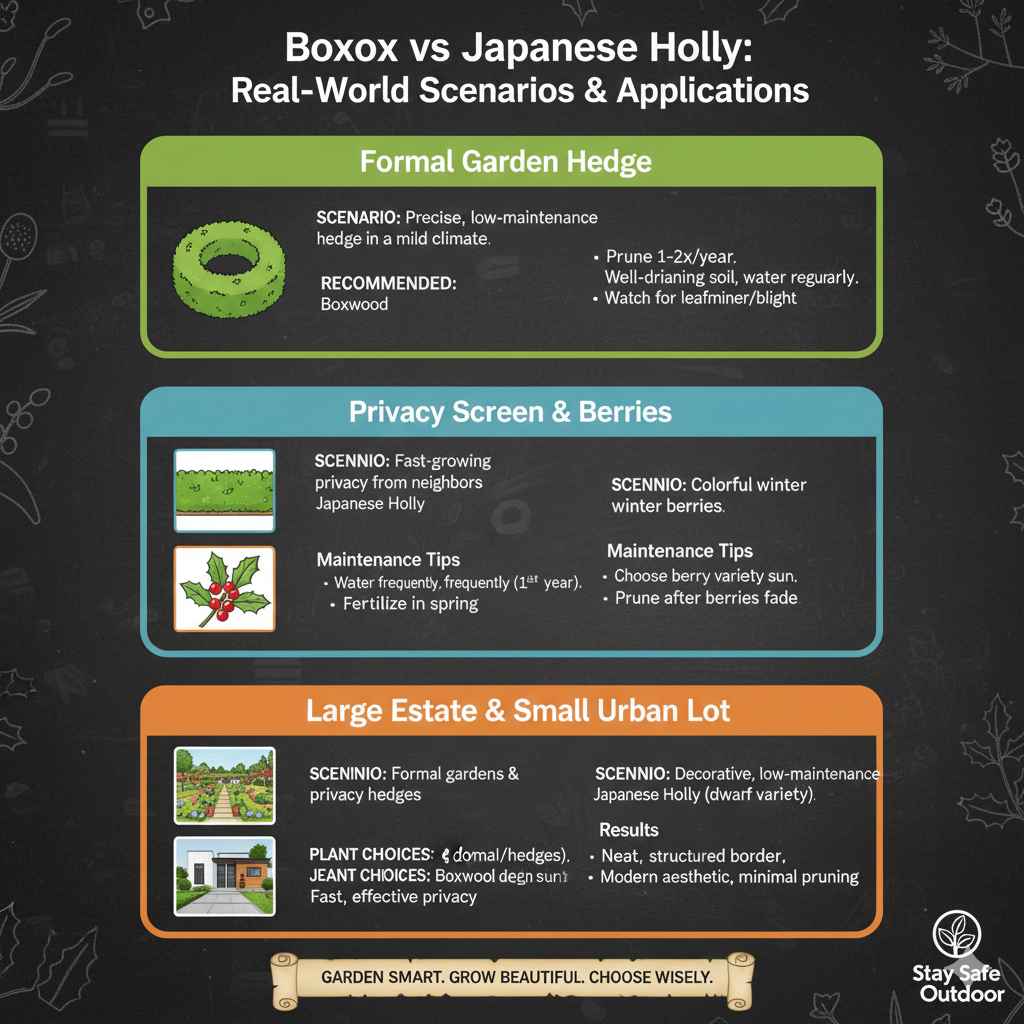
- A homeowner in a formal garden in a mild climate wants a precise, low-maintenance hedge.
- Recommended Plant: Boxwood.
- Reasoning: Boxwood offers a classic look. Its slow growth rate means less frequent pruning is needed.
- Maintenance Tips: Prune boxwood hedges once or twice a year to maintain shape. Ensure well-draining soil and water regularly during dry periods. Watch for boxwood leafminer and boxwood blight.
- A gardener in a suburban area needs a fast-growing screen to provide privacy from neighbors.
- Recommended Plant: Japanese Holly.
- Reasoning: Japanese Holly grows faster, establishing a screen more quickly than boxwood.
- Maintenance Tips: Prune regularly to maintain the desired height and density. Water frequently, especially during the first year, and fertilize in spring. Observe for potential pests and diseases.
- A homeowner desires a plant that produces colorful berries during the winter.
- Recommended Plant: Japanese Holly.
- Reasoning: Japanese Holly varieties produce vibrant berries, adding seasonal interest to the garden.
- Maintenance Tips: Choose a variety known for berry production. Provide adequate sunlight. Prune after the berries have faded to promote new growth and berry production.
Here are some additional real-life applications:
- A landscape designer is working with a large estate. They want to include formal gardens that are symmetrical and structured. They also want to include privacy hedges along the property line.
- Plant Choices: Boxwood is chosen for formal parterres and intricate topiary designs, as well as the more formal look of a hedge. Japanese Holly is chosen for the privacy hedge due to its faster growth and dense foliage.
- Results: The estate offers a structured, elegant feel from the formal areas. The Japanese Holly provides fast and effective privacy.
- A homeowner in a small urban lot wants a decorative plant for their front yard. They like modern design elements. They need the plant to be low-maintenance.
- Plant Choices: Boxwood is chosen, particularly a dwarf variety like ‘Winter Gem.’
- Results: The boxwood creates a neat, structured border, with a modern, simple aesthetic. Its slow growth rate means minimal pruning.
Frequently Asked Questions
Question: Which plant grows faster?
Answer: Japanese Holly typically grows faster than Boxwood.
Question: Which plant produces berries?
Answer: Some varieties of Japanese Holly produce berries, while Boxwood usually does not.
Question: Which plant is better for hedges?
Answer: Both can be used for hedges, but Boxwood offers a formal look, and Japanese Holly provides quick coverage.
Question: Which plant is easier to shape?
Answer: Boxwood is easier to shape into precise forms due to its compact foliage.
Question: Which plant is more adaptable to different climates?
Answer: Both have good adaptability, but ensure you select a variety suited to your specific climate.
Final Thoughts
So, when you’re deciding between Boxwood vs Japanese Holly: Which to Choose?, remember there’s no single perfect answer. The best choice depends on your specific needs, the look you want to achieve, and your commitment to maintenance. Boxwoods are great if you want a classic, formal look with less pruning. Japanese Hollies are a fine choice if you need a faster-growing plant, more color, and enjoy seasonal berries. Consider your climate, soil conditions, and style preferences. Choosing the right plant means a healthier and more beautiful garden. With a little planning, you can make an informed choice that will make your space thrive. So, get outside and start planting!