How to Fix a Door Frame: Cracks, Hinge Splits, Kick-Ins & Rot
You can fix most door frames without replacing them, but the repair has to match the damage. Wood filler handles cosmetic cracks, glue and clamps close clean splits, 3-inch screws fix anything that takes force, and epoxy rebuilds rot. This guide shows how to tell which problem you have, then walks through each repair, including hinge-side cracks, kicked-in frames, and rotted jambs.
Which Door Frame Repair Do You Need?
Best Door Jamb Reinforcement Pick | |
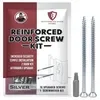 |
Reinforced Door Screw Kit, 3-Inch Screws and Driver Bit ($9.98) Built for the strike-plate and hinge fixes in this guide: it swaps the short factory screws for 3-inch screws that reach the wall stud.
|
As an Amazon Associate we earn from qualifying purchases.
Start by reading the damage, because the wrong repair fails fast. Press a screwdriver tip into the worst spot: if it sinks in or the wood crumbles, treat it as rot, not a crack. If the frame moves when you push it, the problem is fastening, not wood. Use this table to match what you see to the fix.
| What you see | Likely cause | Fix | Time |
|---|---|---|---|
| Hairline crack or gouge, wood still hard | Seasonal movement, impact | Wood filler, sand, repaint | 1-2 hours plus cure |
| Door sags, hinge screws spin | Stripped screw holes | Glue-coated toothpicks, longer screws | 1 hour plus glue time |
| Jamb split near the hinge or strike | Heavy slam or forced entry | Glue and clamp, then long screws | 2-3 hours plus overnight cure |
| Frame rocks or gaps at the wall | Missing or pulled-out fasteners | Shim and screw into the studs | 1-2 hours |
| Soft, spongy or crumbling wood near the floor | Moisture, usually rot | Hardener, epoxy filler, or replace the section | Half a day plus cure |
If the damage is mainly a loose or racked frame, our guide to repairing an interior door frame goes deeper on the shim-and-screw method. If you are only filling cosmetic damage, the wood filler door frame guide covers sanding and blending in detail.
Tools and Materials You’ll Need
| Item | Used for |
|---|---|
| Wood filler (paintable) or two-part epoxy filler | Cracks and gouges, or rot repair |
| Wood hardener | Stabilizing soft wood before epoxy |
| 3-inch screws and a drill | Pulling the frame and hinges back to the studs |
| Wood glue and clamps | Closing clean splits |
| Cedar shims and a 4-foot level | Plumbing the frame |
| Putty knife, chisel, pry bar | Digging out damage and removing casing |
| 120 and 220 grit sandpaper, primer, paint | Finishing |
How to Fix a Door Frame: Step-by-Step
These steps cover the general repair. You do not always need to take the door off: filler, glue, and screw repairs on the jamb can be done with the door hung, as long as it swings clear of the work area.
Step 1: Remove the Door if It Blocks the Repair
Drive the hinge pins out from the bottom hinge first, then the middle, then the top, and lean the door against a wall. If you only need to repair the strike side, leave the door on and open it fully.
Step 2: Remove Damaged Wood and Casing
Pry off the casing near the damage with a thin pry bar, working slowly to protect the drywall. Dig out loose wood, old filler, and debris with a chisel. If the damage is cosmetic only, skip this step and go straight to filling.
Step 3: Repair Minor Damage with Wood Filler
Brush the area clean, press filler in with a putty knife, and overfill slightly to leave room for sanding. Let it cure fully, then sand with 120 grit followed by 220 grit. Prime before painting, especially over epoxy filler. For soft or rotted wood, treat it first with hardener as described in the rot section below.
Step 4: Replace or Sister Damaged Sections
When a section is too broken for filler, cut a matching piece, dry-fit it, and glue it with a waterproof wood glue. Clamp it, then drive 3-inch screws through the new piece into the studs. Fill the seams and sand flush.
Step 5: Reinstall and Align the Frame
If the frame came out of the opening, set it back and check plumb with a 4-foot level on both sides and the head. Put shims behind every screw location, then drive 3-inch screws through the jamb and shims into the studs. Aim for an even reveal of about 1/8 inch between door and jamb, then trim the shims flush with a utility knife.
Step 6: Sand, Prime, and Finish
Sand the repair smooth, wipe off the dust, prime, and apply two thin coats of paint rather than one thick one. Rehang the door starting with the top hinge, then check the swing and the latch alignment.
How to Fix a Door Frame Cracked at the Hinge
Hinge-side cracks start when the screws strip their holes, the door sags, and the weight splits the jamb. Fix the fastening first or the crack will come back.
- Stripped screw holes: Remove the hinge, push glue-coated toothpicks or a short piece of dowel into each hole, let the glue dry, trim flush, and redrive the screws.
- Hairline crack: Work wood glue into the crack with a thin blade or syringe, clamp it, and fill the surface with filler once the glue has set.
- Split through the hinge mortise: Glue and clamp both faces of the split, let it cure, then reinstall the hinge.
- Stop it recurring: Replace one screw in each hinge with a 3-inch screw that passes through the jamb into the stud. It pulls the jamb tight to the framing and carries the door weight.
How to Fix a Broken Door Frame (Kicked In or Split)
A kick-in usually breaks the stop molding and splits the jamb at the strike plate. The part most repairs miss is the fastening: strike plates are often held by short screws that bite only into the thin jamb, so the next hard hit tears the same spot open again. The fix is long screws that reach the stud behind the jamb.
- Replace the stop: Pry off the broken molding and nail on new 1×2 stop with finish nails.
- Glue the split: Spread wood glue into both faces of the split, clamp tightly, and leave it clamped until the glue has cured, ideally overnight.
- Re-fasten the strike plate: Drill pilot holes and use 3-inch screws through the plate, jamb, and shims into the stud.
- For a shattered jamb: Sister a 1×4 along the stud on the room side, screwed to the stud, or replace that section of jamb.
- Reinforce the hinge side too: A frame that was forced open is weaker at every screw, so upgrade the hinge screws as described above.
The reinforced screw kit in the box above comes with 16 screws and a driver bit, enough for the strike plate and hinges of two doors.
Door Frame Rot Repair
Rot is the one door frame problem that is not about force. It is a moisture problem, and it nearly always starts at the bottom of the jamb where water splashes and sits. Dig out all soft wood with a chisel, brush on wood hardener so it soaks into the remaining fibers, then build the missing profile back with two-part epoxy filler and shape it before it cures. Sand, prime, and paint, and seal the joint between frame and threshold with paintable exterior caulk.
Epoxy has limits. If the rot passes through more than about a third of the jamb width, or the wood will not hold a screw even after hardener, replace that section instead. Our guides to wood rot repair and repairing wood rot with epoxy cover curing times and fill depths in detail.
What Door Frame Repair Materials Cost
Materials for these repairs are cheap. These are the Amazon prices we checked on 2026-10-05, so treat them as a ballpark, since prices change.
| Material | Price | Covers |
|---|---|---|
| Reinforced Door Screw Kit, 3-inch screws | $9.98 | Strike plate and hinges on two doors |
| DAP Plastic Wood paintable filler, 6 oz | $7.19 | Cracks, nail holes, gouges |
| PC-Woody two-part epoxy paste, 6 oz | $13.26 | Rebuilding small rotted areas |
| Minwax High-Performance Wood Filler, 6 oz | $16.58 | Rot repair and larger gaps |
| Minwax High Performance Wood Hardener, 1 pint | $18.35 | Stabilizing soft wood before epoxy |
A typical single repair needs one filler or epoxy, one screw kit, and a few shims, so most jobs land well under $50 in materials before paint.
Keeping a Repaired Door Frame From Failing Again
Check the frame once a year for soft spots, cracks, and hinge movement, and tighten hinge screws before they strip. Keep the outside joint caulked and the paint intact, because moisture is what starts rot. Avoid MDF where a frame will get wet: MDF door frames swell and crumble when moisture reaches them. For broader repair and protection advice, see our wood care and repair guide.
Frequently Asked Questions
Can a damaged door frame be repaired without replacing it?
Yes. Most door frame damage can be repaired in place. Surface cracks and holes up to about 1 inch deep take wood filler, clean splits take glue and clamps, loose frames take long screws into the studs, and rot takes hardener plus two-part epoxy. Replace the jamb section only when the wood is too soft or broken to hold a screw.
How do you fix a door frame cracked at the hinge?
Remove the hinge and check the screw holes. For a clean split, glue and clamp it, then reinstall the hinge. For stripped holes, pack them with glue-coated toothpicks or dowel and redrive the screws. Then replace at least one screw per hinge with a 3-inch screw that reaches the stud so the hinge stops pulling out again.
How do you fix a broken door frame after a kick-in?
Glue and clamp any split in the jamb, replace the broken stop molding, and refasten the strike plate with 3-inch screws that pass through the jamb and shims into the stud. If the jamb is shattered rather than split, sister a 1×4 board to the stud on the room side or replace that section of jamb.
How do you repair a wooden door frame with rot?
Probe the wood with a screwdriver and dig out everything soft. Brush on wood hardener, let it soak in, then build the missing wood back with two-part epoxy filler. Sand, prime, and paint once it cures. Fix the moisture source too, or the rot will return. Replace the section if the rot runs through more than about a third of the jamb width.
How do you fix a door frame separating from the wall?
A frame pulling away from the wall was either never fastened to the studs or its fasteners have pulled out. Insert shims in the gap behind the jamb at each screw location, then drive 3-inch screws through the jamb and shims into the stud. Shimming first matters, because screwing across an open gap bows the jamb.
How much does it cost to fix a door frame yourself?
Materials for most DIY door frame repairs cost under $50. On Amazon on 2026-10-05, a 3-inch reinforcing screw kit was $9.98, a 6 oz can of two-part epoxy wood filler was $16.58, and a 6 oz can of paintable wood filler was $7.19. Add primer, paint, and sandpaper, which you may already own.
Sponsored / affiliate links. As an Amazon Associate I earn from qualifying purchases. I may earn additional commission from eligible campaigns.