Project Ideas With Wood: What to Build From Scrap and Leftover Lumber
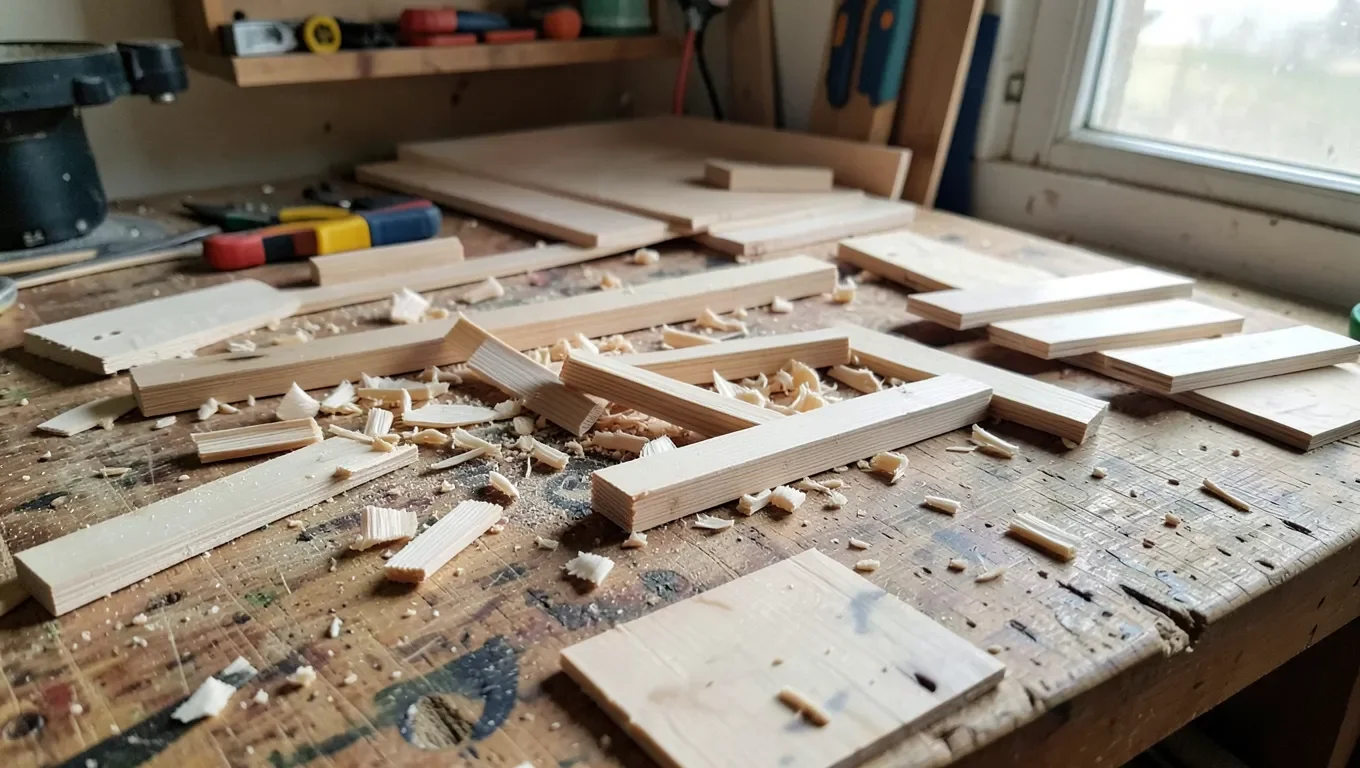
The best wood project to start with is usually the wood you already have – scrap ends, leftover boards from a bigger build, or pallet wood. Working from scrap forces you to plan around real constraints (odd sizes, existing screw holes, mismatched species), which is genuinely useful practice, and it means a failed first attempt costs nothing but time. Here are project ideas organized by how much scrap wood they actually need, from a single offcut to a small stack of leftover boards.
Single-Offcut Projects
These use one board or a single sizable offcut – good for using up the odd pieces every project leaves behind.
- Coasters: cut 4-inch squares (or circles with a hole saw) from a single board, sand through 220 grit, and finish with a food-safe oil. A single 2-foot offcut yields a full set.
- Picture frame: a single 3-4 foot length of 1×2 or similar molding-profile scrap, mitered at 45 degrees on each corner, makes one frame. Glue and pin-nail the miters, then add a rabbet or a simple back panel to hold the photo.
- Wall hooks: a short offcut with a few holes drilled at an angle for dowel pegs, or hardware-store hooks screwed directly in, turns one small piece into a functional entryway organizer.
- Cutting board: a single wide, thick offcut (hardwood, not softwood, for food safety and durability) sanded smooth and finished with food-safe mineral oil.
Multi-Board Projects
These need several boards joined together, which is where a pocket-hole jig or simple butt joints with glue and screws come in.
Best For Joining Mismatched Scrap Boards Cleanly
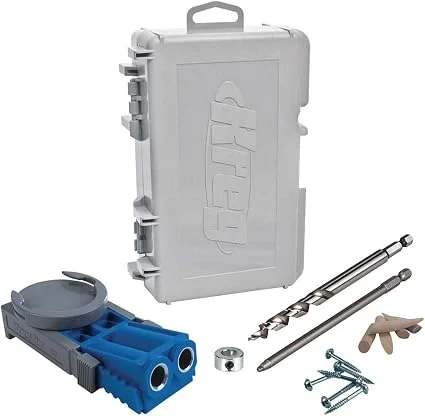 |
Kreg R3 Pocket-Hole Jig System – $34.00 Pocket screws hide inside the joint, so scrap boards of slightly different species or age can be joined without the seam standing out the way a visible screw or nail would.
|
- Floating shelf: a single wide board (or several narrow scrap boards edge-glued into one) mounted on concealed steel brackets. Sand, finish, and mount into wall studs for real load capacity.
- Small storage box: four side boards joined at the corners (pocket screws or simple butt joints with glue), a thin bottom panel, and an optional hinged lid. A genuinely practical use for mismatched leftover boards since the box hides the joinery inside.
- Step stool: a simple two-board top, two side panels, and a stretcher for rigidity. A classic beginner joinery project that uses moderate-sized offcuts and teaches basic butt and pocket-hole joints.
- Plant stand: four legs (can be mismatched species if painted rather than clear-finished) joined to a small top platform – forgiving of imperfect joints since it’s a low-stress, low-weight application.
Working With Mismatched Scrap
Scrap wood is rarely uniform, which changes how you should approach a project compared to buying matched lumber:
- Sort by thickness first. Mixing boards of different thickness in a visible glue-up creates uneven surfaces that are hard to sand flat later – group similar thicknesses together for anything that needs a flat, continuous surface.
- Paint hides species mismatches; clear finish doesn’t. If your scrap pile has multiple wood species with different grain and color, a painted project reads as intentional, while a clear-finished project will visibly show the mismatch.
- Check for embedded hardware before cutting. Reclaimed or reused scrap often has old nails, screws, or staples hidden in it – run a metal detector or at least inspect carefully before running scrap through a power saw.
- Save your best pieces for visible surfaces. Use your cleanest, most attractive offcuts for tops and faces, and reserve rougher pieces for internal structure that won’t be seen.
Conclusion
Scrap and leftover wood is genuinely good material for real projects, not just practice pieces – coasters and picture frames use a single offcut, while shelves, boxes, and small furniture put a stack of mismatched boards to real use. Sort by thickness, plan paint versus clear finish around how matched your scrap actually is, and check for hidden hardware before cutting. If you want project ideas organized a different way, see our guides to simple projects for true beginners or projects organized by tool tier.
Frequently Asked Questions
What can I build with just leftover scrap wood?
Single offcuts work well for coasters, small picture frames, and wall hooks. A small stack of leftover boards can become a floating shelf, a storage box, a step stool, or a plant stand once joined together.
How do I join mismatched scrap wood pieces?
A pocket-hole jig hides the fasteners inside the joint, which works well when the boards don’t match in species or color. Sort boards by thickness before joining anything that needs a flat surface, since mismatched thicknesses are hard to sand level afterward.
Should I paint or clear-finish a scrap wood project?
If your scrap includes multiple wood species or noticeably different colors, paint hides the mismatch and reads as an intentional design choice. Clear finish shows every difference in grain and tone, so it works best when your scrap pieces are reasonably similar.
Is reclaimed or reused scrap wood safe to cut?
Check carefully for embedded nails, screws, or staples before running it through any power saw – a metal detector is worth using on wood from an unknown source, like a pallet or demolition scrap.
Sponsored / affiliate links. As an Amazon Associate I earn from qualifying purchases. I may earn additional commission from eligible campaigns.