Brown Pressure Treated Wood Vs Green: Key Differences Unveiled
When it comes to choosing the right pressure treated wood for your next project, you might find yourself torn between brown and green. You want something that not only stands the test of time but also complements the aesthetic of your space.
Imagine the satisfaction of knowing you’ve made the perfect choice, combining durability with style. Your decision impacts not just the longevity of your project, but also the way it feels every time you step into that space. Are you curious about why these woods are different and how they can affect your project?
You’re about to discover how each type of pressure treated wood can transform your outdoor spaces, giving you peace of mind and the pleasure of a job well done. Keep reading to uncover the secrets behind brown and green pressure treated wood and find out which one is the ideal choice for you.
Credit: www.homedepot.com
Composition And Treatment Process
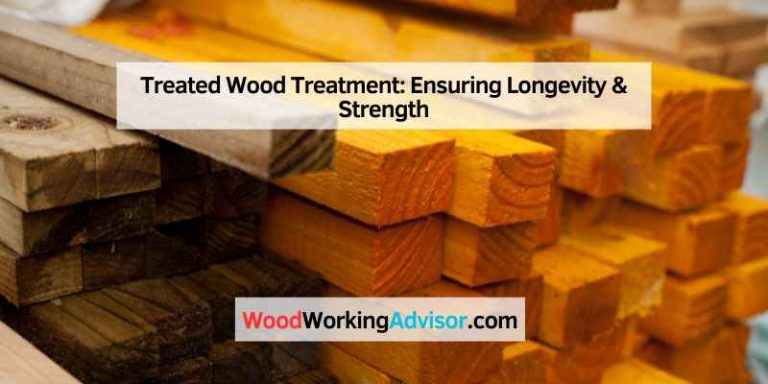
Brown treated wood uses copper-based chemicals. These chemicals protect it from bugs and rot. It often gets a brown tint during treatment. The brown color is more natural. Many people like it for outdoor projects.
Green treated wood also uses copper-based chemicals. It often looks greenish due to these chemicals. The green color can fade over time. It is popular for decks and fences. It is sturdy and long-lasting.
Pressure treatment is a common method. Wood is put in a tank. Chemicals are pushed into the wood. This makes the wood strong. It keeps bugs and water away. Both brown and green wood use this method.
Color And Appearance
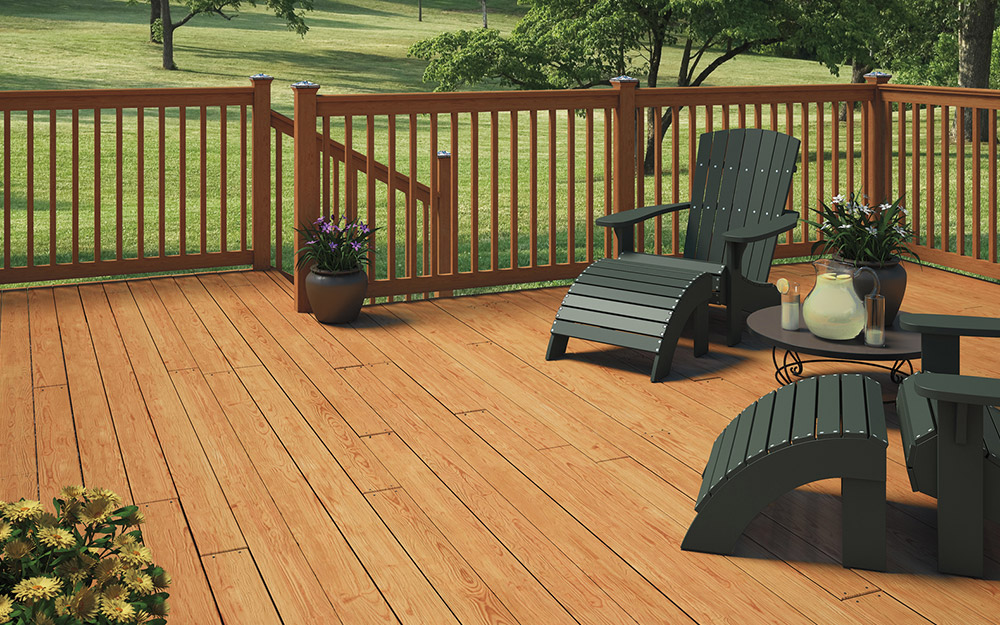
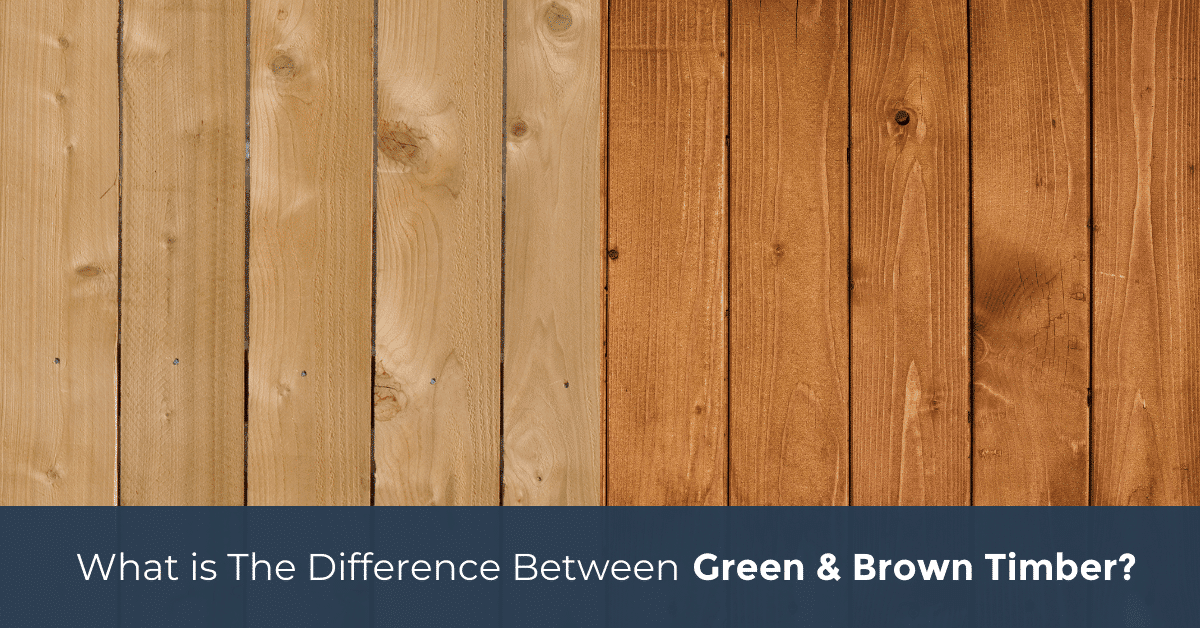
Brown wood has a rich, warm look. It blends well with gardens. People like it for decks and fences. It looks more natural. Brown wood can match many outdoor styles. It also hides dirt and stains better. Over time, it keeps its color. This makes it popular for many.
Green wood looks a bit unnatural. It has a bright, green hue. Some people think it looks fresh. It can stand out in a yard. But, the color fades over time. It changes to gray or brown. Green wood is often less expensive. Many choose it for this reason.
Durability And Longevity
Brown pressure treated wood can last a long time. It often resists rot and insects well. This type of wood is treated with a special process. The process helps it stay strong against weather. Brown wood often looks natural and blends with the environment. This makes it a popular choice for outdoor projects. People choose it for decks, fences, and other structures. Its lifespan can be 20 to 30 years if cared for properly.
Green pressure treated wood is also durable. It can last for many years, often up to 15 to 20 years. The green color comes from the chemicals used in treatment. These chemicals help the wood resist moisture and bugs. It is often less expensive than brown wood. Many people use green wood for construction and landscaping. Regular maintenance can help keep it strong and long-lasting.
Credit: www.owatroldirect.co.uk
Environmental Impact
Brown pressure-treated wood uses a copper-based preservative, offering natural wood color, but may have a higher environmental footprint. Green pressure-treated wood, often cheaper, utilizes chemicals like chromated copper arsenate, affecting surrounding ecosystems. Understanding their impact helps in making eco-friendly building choices.
Eco-friendliness Of Brown Wood
Brown pressure treated wood is seen as more environmentally friendly. It uses a safer chemicalmix for treatment. This helps to reduce harm to nature. The brown color also helps it blend with nature. It looks like regular wood. People think it is better for small projects. It is less likely to harm plants and animals. Many choose brown wood to keep gardens safe. It is a good choice for eco-consciouspeople.
Eco-friendliness Of Green Wood
Green pressure treated wood has been used for years. It has a chemical treatmentthat fights rot and insects. But, it can be harsh on the environment. The chemicals might leak into the soil. This can cause harm to plants and water. It might not be the best for gardens. People use it for bigger jobs. Like building fences or decks. It’s strong and lasts long. But, some worry about its impact on nature.
Cost Considerations
Brown pressure treated wood costs more than green wood. It usually ranges from $5 to $8 per board. The price varies by size and quality. Brown wood is often chosen for its natural look. It blends well with many outdoor designs. Though pricier, it offers durability and resistance. People like its warm color.
Green pressure treated wood is cheaper than brown wood. It usually costs $3 to $5 per board. This wood is popular for its lower price. Green wood is often used in construction projects. It offers strong protection against rot and insects. Many builders prefer it for its affordability. It may not look as nice, but it works well.

Credit: www.reddit.com
Applications And Suitability
Brown pressure treated wood suits outdoor projects with a natural look, blending seamlessly with landscapes. Green pressure treated wood is ideal for structural uses, offering robust protection against insects and rot. Both types provide durability, yet their color and application contexts differ.
Best Uses For Brown Treated Wood
Brown treated wood is perfect for outdoor furniture. It blends well with nature. It is also great for decks. The natural look is appealing. Brown wood works well for fencing. It adds warmth to gardens. Pergolas are often built using brown wood. The color is inviting. Gazebos look nice with brown wood. It matches with surroundings. Brown wood suits landscape timbers. It enhances outdoor spaces.
Best Uses For Green Treated Wood
Green treated wood is ideal for utility poles. It resists rot and decay. Railroad ties benefit from green wood. It lasts for years. Ground contact projects use green wood. It withstands moisture. Retaining walls are strong with green wood. They remain sturdy. Green wood is good for marine structures. It handles water exposure. Foundation piles use green wood. They support structures well.
Maintenance Requirements
Brown pressure treated wood requires less frequent maintenance. It holds color better and resists weathering. Green pressure treated wood needs more upkeep. Regular sealing helps preserve its appearance and durability.
Upkeep For Brown Treated Wood
Brown treated wood needs regular care. Protective sealant helps keep it safe. Apply sealant every two years. Cleaning is also essential. Use mild soap and water. This removes dirt and stains. Inspect the wood for damages. Look for cracks and splits. Repair issues quickly to stop further damage. Sunlight can fade the color. Shade the wood when possible. This keeps it looking fresh.
Upkeep For Green Treated Wood
Green treated wood is durable. Sealant application is important. It stops water from soaking in. Apply sealant every year. Wash the wood often. Use gentle cleaners and a brush. Check for mold or rot. Early detection helps manage problems. Sanding smooths rough spots. This prevents splinters. Paint or stain the wood for extra protection. It also adds beauty.
Safety And Health Concerns
Brown treated wood is often seen as saferfor home use. It contains less chemicalscompared to green wood. Many people choose it for indoor projects. It is also favored for children’s play areas. The color blend helps it look more natural. This wood is resistant to rot. It is also less toxic. Always wear gloves when handling. Use a mask when cutting.
Green treated wood is common for outdoor use. It is treated with chemicals to resist insects. This makes it a strong choicefor fences. It can be harmfulif inhaled. Use it away from food areas. Always wash hands after touching. Wear protective gear when working. Some chemicals can leach into soil. Avoid using near gardens.
Frequently Asked Questions
What Is Brown Pressure Treated Wood?
Brown pressure treated wood is treated with preservatives to prevent decay and insect damage. It gets its brown color from the addition of a dye. This type of wood is commonly used for outdoor projects like decks and fences, providing both durability and a more natural appearance.
How Does Green Pressure Treated Wood Differ?
Green pressure treated wood is treated with copper-based preservatives, giving it a greenish hue. It’s highly resistant to rot and insect damage. Over time, the color may fade to a more natural wood tone. It’s often used for outdoor construction projects due to its strength and longevity.
Which Pressure Treated Wood Lasts Longer?
Both brown and green pressure treated woods are designed for durability. However, their longevity depends on environmental conditions and maintenance. Generally, both types can last for decades if properly maintained. Regular sealing and staining can help extend their lifespan, ensuring they remain resistant to elements and insects.
Is Brown Wood More Eco-friendly Than Green?
Both brown and green pressure treated woods are treated with chemicals, but their environmental impact varies. Brown wood uses dyes, while green wood’s preservatives are copper-based. Neither is inherently more eco-friendly. Disposal and environmental guidelines should be followed for both types to minimize environmental impact.
Conclusion
Choosing between brown and green pressure treated wood depends on your needs. Brown wood blends well with natural surroundings. It’s ideal for visible projects. Green wood is often more affordable. It works great for hidden structures. Both types resist decay and pests.
Consider your project and budget. Think about aesthetics and cost. Both options provide durability. Make sure to pick the right one for your project. Understanding these differences helps you make the best choice. Keep your outdoor structures strong and long-lasting.
Your decision matters, so choose wisely.