Brown Wood Floor: Best Shades and Stain Colors for 2026
Brown wood floors are surging back for 2026 as homeowners trade cool gray for warm honey, walnut, and espresso tones — but the shade you pick changes resale value, not just looks. Medium browns like Minwax Special Walnut have the widest resale appeal, while near-black Jacobean floors show scratches and dust fastest. This guide compares real stain names, 2026 color trends, and the NAR data on which brown tones actually pay back at resale.
Insert your Affiliate Disclosure reusable block here.
Quick Answer
Medium brown shades — Minwax Special Walnut or English Chestnut — have the widest resale appeal because they read as neutral to most buyers. Go lighter (Golden Oak, honey tones) in small or dim rooms to keep them bright, and reserve near-black Jacobean or espresso for larger, well-lit spaces where scratches and dust show up less.
Is Brown Wood Flooring Still In Style for 2026?
Best Brown Wood Floor Stain Pick
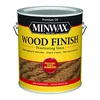
Minwax Special Walnut Wood Finish, 1 Gallon
The medium-brown, neutral-undertone stain that shows up most often in resale-appeal advice — works with both warm and cool decor.
- Best for: Refinishing an entire floor to a resale-friendly medium brown
- Why we picked it: Neutral undertone pairs with more wall colors than warm-toned stains like Provincial
- Main drawback: Oil-based — needs ventilation and 24–48 hr cure time between coats
Compare more brown wood floor stain and care options
 Deep Brown Option Minwax Dark Walnut Wood Finish, Gallon
|
 Light Touch-Up Option Minwax Golden Oak Stain Marker, 2-Pack
|
 Maintenance Pick Minwax Hardwood Floor Cleaner, 32 fl oz
|
As an Amazon Associate we earn from qualifying purchases.
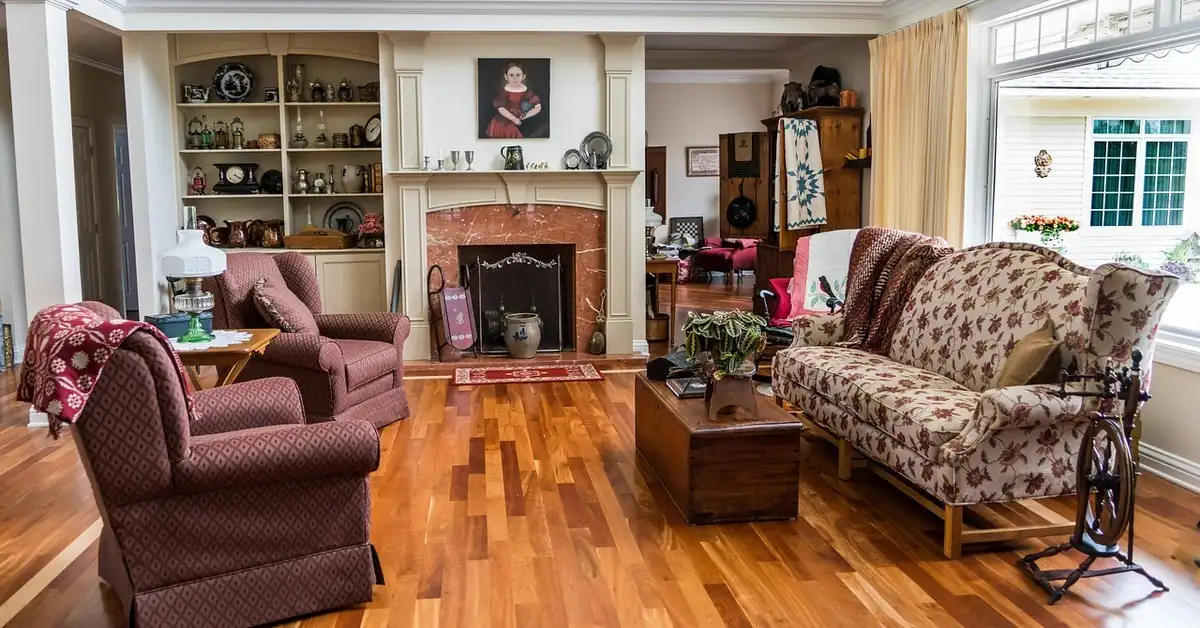
Yes — brown is back as the dominant hardwood floor color for 2026, reversing nearly a decade of cool-gray dominance. Designers and flooring retailers report homeowners specifically asking for honey oak, wheat, and mid-brown tones instead of the gray-washed floors that defined the 2015–2023 period, because warm tones read as more comfortable and less sterile in daily living spaces. For a full rundown of species, grades, and cost, see our wood flooring guide.
Two finish trends are shaping how brown floors look in 2026: matte and low-gloss topcoats are replacing high-gloss finishes because they hide dust and micro-scratches better and show off natural grain, and mixed-width plank layouts — combining 3–4 inch, 5–6 inch, and 7-inch-plus boards in one room — are replacing uniform-width strip flooring for a more custom, less builder-grade look.
In the shop, we’ve found matte and satin topcoats on medium-brown floors hide everyday dust and hairline scratches far better than gloss — a high-gloss finish reflects light unevenly the moment the floor isn’t spotless, which is exactly why gloss has fallen out of favor for 2026 installs.
Best Brown Wood Floor Shades and Stain Names
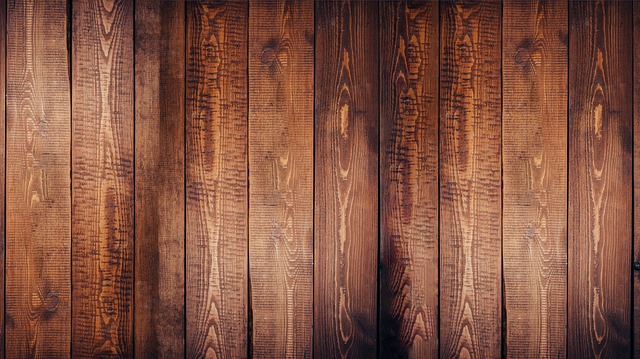
“Brown” isn’t one color — it’s a family that runs from pale honey to near-black espresso. If you’re refinishing or staining, these are the named stain colors that define each shade range on the market today:
| Stain / Shade | Tone | Best For |
|---|---|---|
| Golden Oak | Light honey-gold | Small or low-light rooms; casual, farmhouse styles |
| Provincial | Medium brown, warm golden undertone | Traditional interiors; pairs with cream and taupe |
| Special Walnut | Medium brown, neutral undertone | Widest resale appeal; works with both warm and cool wall colors |
| Dark Walnut / English Chestnut | Deep brown | Formal rooms; hides everyday dust and traffic patterns |
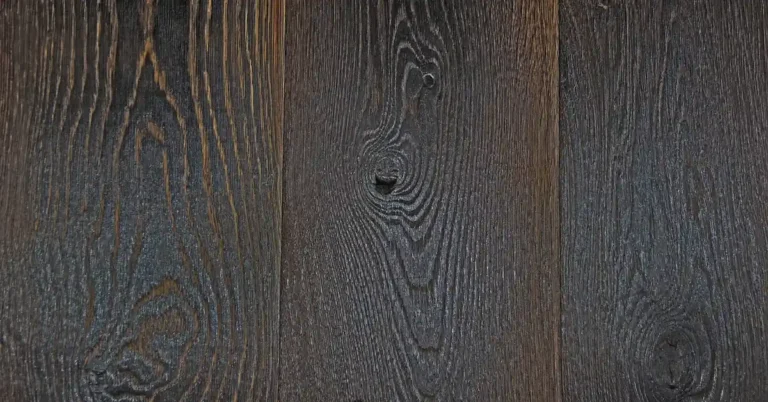
| Jacobean / Espresso | Near-black, cool-leaning brown | Large, well-lit rooms; modern luxury builds |
Special Walnut and English Chestnut come up repeatedly in resale-focused advice because their neutral-to-warm undertone doesn’t fight with either warm wood furniture or cool gray wall paint — which is why they’re the safest choice if you’re staining floors before selling rather than for your own long-term taste.
Choosing the Right Shade for Your Space
Before picking a shade, look at your room’s natural light, size, and the color palette you already have. A brown that looks perfect in a showroom sample can read very differently once it’s covering an entire floor under your own lighting.
- Light brown (Golden Oak, honey tones): Brightens small or dim rooms and reads as casual or coastal.
- Medium brown (Provincial, Special Walnut): The most versatile range — works in nearly any room size and pairs with both warm and cool wall colors.
- Dark brown (Dark Walnut, English Chestnut): Adds formality and hides everyday dust, but needs a larger or brighter room to avoid feeling cramped.
- Near-black (Jacobean, espresso): Best reserved for large, well-lit rooms — shows footprints, dust, and pet hair fastest of any shade. See our dark oak hardwood flooring guide for Janka hardness and cost specifics on the darkest end of this range.
Does Brown Wood Flooring Increase Home Value?
New hardwood floors return roughly 118% of their installation cost at resale, and refinishing existing hardwood does even better at around 147%, according to the National Association of Realtors’ Remodeling Impact Report. Color matters within that return: medium-brown tones like Special Walnut and English Chestnut have the widest buyer appeal, while natural or lightly stained oak is also broadly liked — both outperform very dark or very trend-specific colors when it’s time to sell.
📊 New hardwood floors recoup ~118% of cost at resale; refinishing existing hardwood recoups ~147%. — Source: National Association of Realtors, Remodeling Impact Report
Cool gray floors, by contrast, are the color most likely to be described as “dated” by buyers walking through a 2026 listing — a reversal from just a few years ago when gray was the safe, trendy choice. If you’re staining or refinishing specifically to sell, a medium brown is the lower-risk move over either extreme.
Caring for and Maintaining Brown Wood Flooring
Brown wood floors hide everyday dust and light scuffs better than pale floors, but they still need routine care to keep their finish and color even over time.
Protective Finishes and Treatments
- Polyurethane: The most common protective topcoat; satin or matte sheens are preferred for 2026 installs because they hide scratches better than gloss.
- Penetrating oil finishes: Soak into the wood rather than sitting on top; easier to spot-repair but need more frequent reapplication than polyurethane.
- Wax: Adds shine and light protection on top of an existing finish, but must be maintained periodically or it can look uneven.
Cleaning and Maintenance Tips
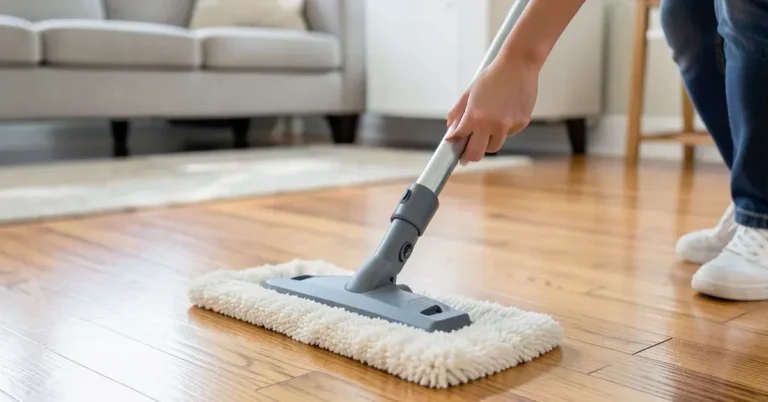
- Sweep or vacuum regularly to remove grit before it gets ground into the finish and dulls the surface.
- Use a damp mop with a pH-balanced hardwood cleaner — standing water and generic all-purpose cleaners can dull or discolor the finish over time.
- Wipe up spills immediately, especially on penetrating-oil finishes, which absorb liquids faster than polyurethane.
- Use felt pads under furniture to prevent dents and drag marks, particularly on darker brown floors where scratches show up as light streaks.
- Control indoor humidity between roughly 35–55% — wide swings cause boards to gap in winter and cup in summer.
Installing Brown Wood Flooring
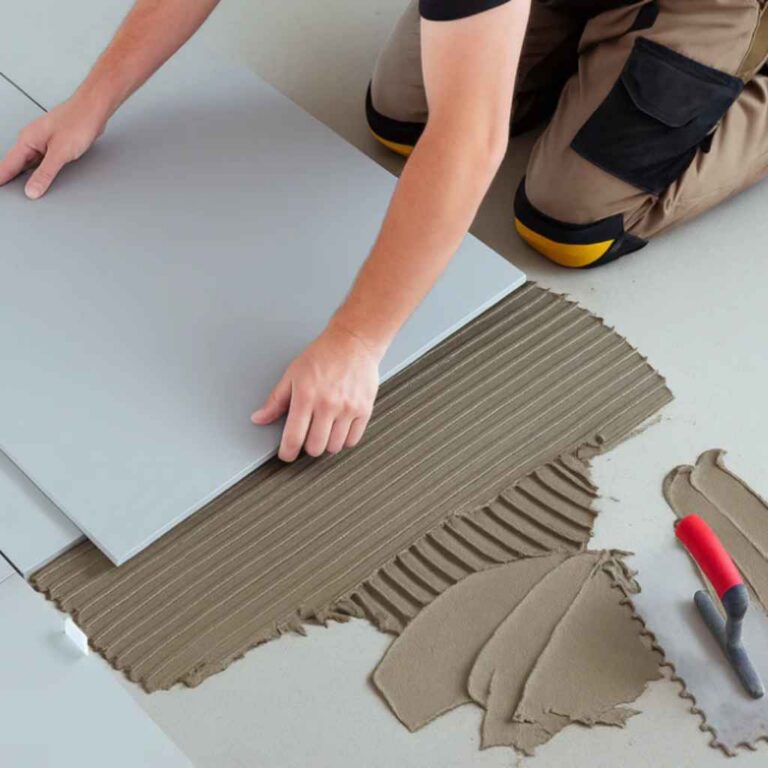
Whether you’re installing solid hardwood, engineered wood, or refinishing an existing floor to a new brown shade, a few steps determine whether the result looks professional or shows problems within the first year.
Professional vs. DIY Installation
Hiring a professional costs more up front but shortens the timeline and avoids acclimation or subfloor mistakes that are expensive to fix after the fact. A DIY install saves labor cost and gives you full control over layout, but only makes sense if you’re comfortable with a table saw, a flooring nailer, and the patience to get the first few rows perfectly straight — every later row follows whatever line you set at the start.
Key Considerations for a Successful Installation
- Subfloor prep: Clean the subfloor thoroughly and confirm it’s level and dry before laying any boards.
- Acclimation: Let solid hardwood acclimate in the room for several days (engineered wood typically needs less) so it stops expanding or contracting after installation.
- Tools and materials: Have adhesive or fasteners, underlayment, spacers, and a saw capable of clean, accurate cuts ready before you start.
- Layout planning: Plan the board pattern and which direction to lay the boards — including mixed-width layouts if you’re following the 2026 trend — before the first board goes down.
- Finishing touches: Trim excess material, install baseboards or shoe molding, and apply the final protective finish once the floor is down.
Common Mistakes to Avoid With Brown Wood Floors
- Choosing a trend color for a long-term floor. Very dark espresso or very light whitewashed brown can look dated faster than a neutral medium brown — refinishing an entire floor again in five years is far more expensive than repainting a wall.
- Skipping the acclimation period. Installing wood before it adjusts to the room’s humidity is one of the most common causes of gapping and cupping within the first year.
- Using the wrong cleaner. Generic all-purpose or vinegar-based cleaners can dull polyurethane finishes and strip penetrating oil finishes over time.
- Ignoring room size when picking a shade. A near-black Jacobean floor in a small, dim room reads as cramped rather than dramatic — save the darkest browns for larger, brighter spaces.
Frequently Asked Questions About Brown Wood Floors
Are brown wood floors still in style?
Yes. Brown wood floors are the dominant hardwood color trend for 2026, replacing the cool-gray floors that were popular for most of the 2015–2023 period. Warm honey, wheat, and mid-brown tones are what most homeowners and designers are specifying now.
What is the most popular brown stain color for hardwood floors?
Medium-brown stains with neutral undertones, such as Minwax Special Walnut or English Chestnut, have the widest resale and design appeal because they work with both warm and cool decor. They come up more often than any other shade in flooring-industry and resale-value guidance.
What is the downside of dark brown wood floors?
Dark and near-black brown floors show scratches, dust, and footprints more than lighter or medium shades. A satin or matte topcoat and felt furniture pads reduce this, but dark floors still need more frequent cleaning to look their best.
Do brown floors increase home resale value?
Refinishing existing hardwood to a medium brown shade recoups around 147% of cost on average, and new hardwood installation recoups around 118%, per NAR’s Remodeling Impact Report. Medium-brown tones specifically have the widest buyer appeal, ahead of very dark or very light options.
Do brown wood floors hide dirt better than light floors?
Medium and dark brown floors hide everyday dust, crumbs, and minor scuffs better than very light or very dark (near-black) floors. Near-black floors actually show dust and footprints more, not less, because the contrast against light-colored particles is higher.
What colors pair best with brown wood floors?
Light grays, soft whites, and muted blues brighten a room against brown’s warmth, while earthy greens and warm beiges complement it without competing. Brass and warm metal fixtures also pair naturally with brown wood tones. If your walls are already gray, see our dedicated breakdown of what wall color goes with dark wood floors, and for area rugs, our best rug colors for dark wood floors guide.
Conclusion
Brown wood floors are back as the dominant 2026 flooring trend, and medium browns like Special Walnut or English Chestnut are the safest pick if resale value matters to you. Lighter honey tones suit small or dim rooms, while dark and near-black shades work best in larger, well-lit spaces that can handle the visible dust and scratches that come with them.
Sponsored / affiliate links. As an Amazon Associate I earn from qualifying purchases. I may earn additional commission from eligible campaigns.