Cabot Semi-Solid vs Solid Stain: Paint Differences Explained
Choosing the right stain can be tough, especially when you’re just starting out. The choices, like Cabot Semi-Solid vs Solid Stain: Key Differences, can seem overwhelming. Don’t worry, lots of people find it tricky at first! This post breaks down everything in easy steps. We’ll look at what each type does and how they compare. After reading this, you’ll be able to pick the best stain for your project.
Stain Types: A Paint Primer
Before we explore the differences, let’s look at stain types in general. Stains are used to change the color of wood while still letting the wood grain show through. They’re often used on decks, fences, and siding. However, not all stains are the same. Each type offers a unique look and level of protection. The key is to match the stain to your project and desired aesthetic. You’ll want to consider things like how much of the wood grain you want to see, and how much protection against the elements you need.
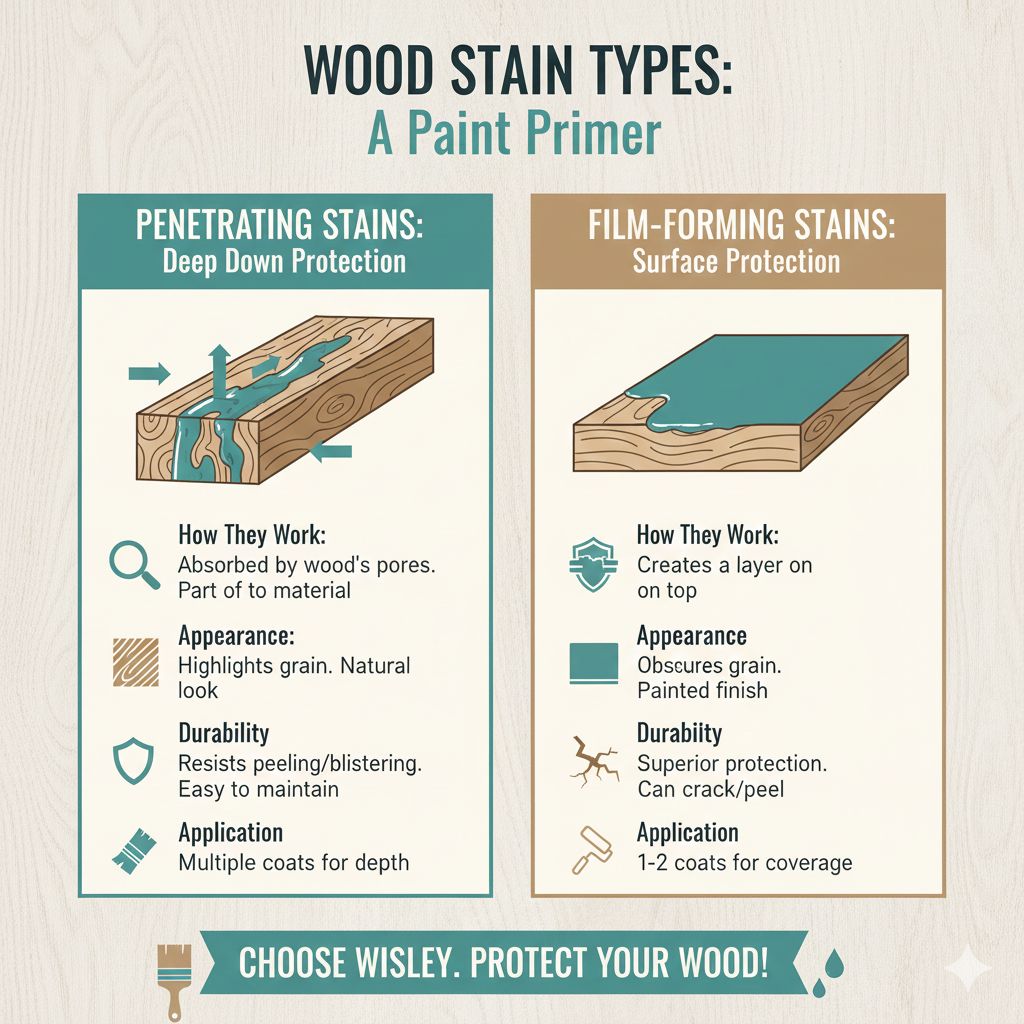
Penetrating Stains: Deep Down Protection
Penetrating stains, such as oil-based or water-based varieties, are designed to soak into the wood. This approach allows the stain to become part of the wood itself, offering protection from the inside. Think of it like a dye that colors the wood fibers. This stain type typically does not form a film on the surface. Instead, it lets the natural texture of the wood remain visible. They’re great for projects where you want a natural appearance.
- How They Work: Penetrating stains are absorbed by the wood’s pores, becoming part of the material.
- Appearance: They highlight the grain of the wood, providing a natural look.
- Durability: They are relatively durable. They also resist peeling and blistering because they don’t sit on the surface.
- Application: Usually applied in multiple coats to achieve desired color depth.
Penetrating stains offer a great balance of protection and aesthetics, which makes them a popular option. They’re a good choice if you like the natural look of wood and want to preserve its texture. Because they don’t form a surface film, they are less prone to issues like cracking or peeling, making them easy to maintain.
Film-Forming Stains: Surface Protection
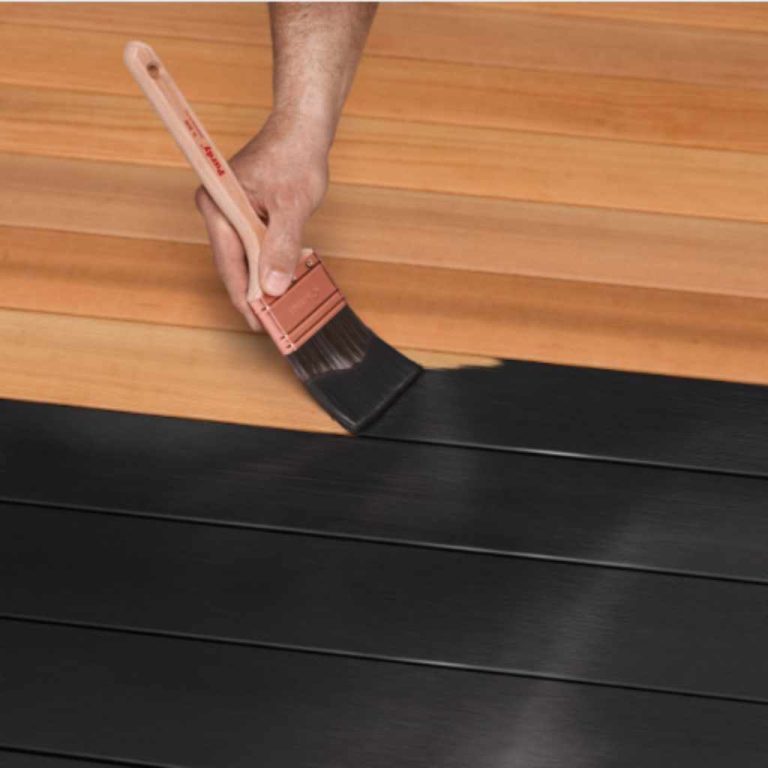
Film-forming stains, such as solid stains, work differently. They sit on the surface of the wood, creating a protective layer. This layer shields the wood from the elements. This approach makes them ideal for projects where you need maximum protection. They provide a smooth, painted look. They come in many colors and are great for hiding imperfections in the wood’s surface.
- How They Work: Film-forming stains create a protective layer on top of the wood.
- Appearance: They obscure the wood grain, offering a painted finish.
- Durability: They provide superior protection against the elements, but can crack or peel over time.
- Application: Often applied in one or two coats, depending on coverage needs.
Film-forming stains provide excellent protection, especially for surfaces exposed to harsh weather. While they offer a more painted aesthetic, they are the ideal choice if you want the best possible protection. The trade-off is that they require more preparation and may need more maintenance over time compared to penetrating stains.
Cabot Semi-Solid vs Solid Stain: Examining Details
The Cabot Semi-Solid vs Solid Stain: Key Differences lie mainly in their opacity, appearance, and the amount of wood grain they allow to show. Cabot offers both of these stain types, each with its own advantages. Exploring these differences in detail helps you choose the correct product for your particular project. Choosing the right stain can greatly impact the final appearance and how long it lasts.
Opacity and Appearance
Opacity refers to how much a stain hides the wood grain. This is a crucial factor when selecting between Cabot Semi-Solid and Solid stains. The level of opacity also impacts the final appearance. Each type offers a different visual effect. This is particularly important if you’re trying to achieve a specific aesthetic.
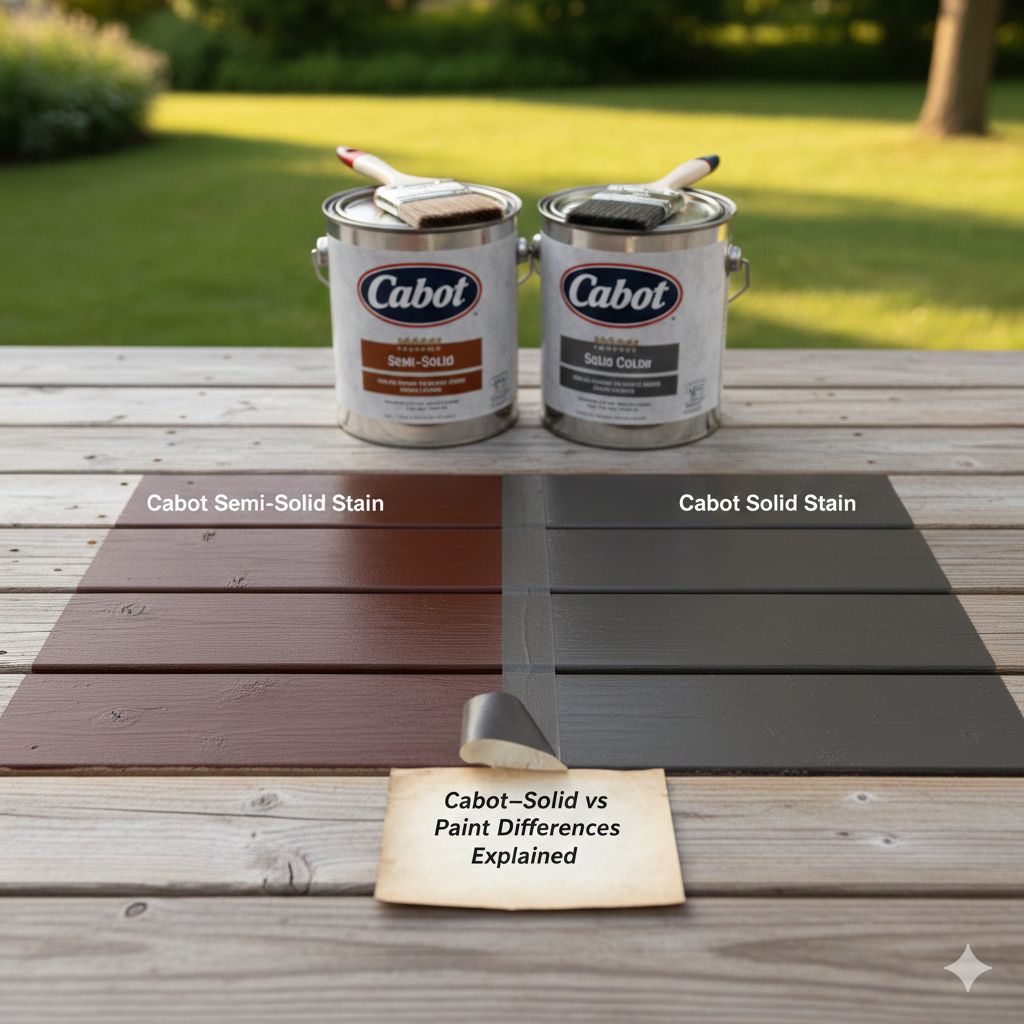
- Semi-Solid Stain: Semi-solid stains offer a middle ground. They offer a color change, but still let some of the wood grain show through. This type is ideal if you want to enhance the natural beauty of the wood while providing some color. The result is a natural, yet enhanced appearance.
- Solid Stain: Solid stains, on the other hand, are designed to completely hide the wood grain. They function like paint, providing a uniform color across the surface. This is a great choice if you want a consistent color or are covering wood that has imperfections.
- Visual Difference: The primary visual difference lies in the level of transparency. Semi-solid stains let you see the wood, while solid stains don’t.
- Color Options: Both types come in a wide range of colors. The choice depends on the look you want.
Choosing the right opacity impacts both the look and the performance. If you want the wood’s natural grain to be visible, semi-solid is the right choice. If you want a uniform color, solid stain is the better option. The color options also differ. Semi-solid stains often enhance the wood’s natural tones, while solid stains provide more freedom with color.
Durability and Protection
Both Cabot Semi-Solid and Solid stains provide protection, but their durability varies. The specific application and environmental conditions can greatly affect how well the stain performs. Understanding the differences in durability is key for long-term satisfaction. Your project’s location and exposure to the elements will determine the best choice.
- Semi-Solid Stain Durability: This type provides good protection against weather and UV rays. It is also usually easier to maintain.
- Solid Stain Durability: Solid stains generally offer superior protection. They create a more substantial film that can withstand harsh weather conditions, but can eventually peel or crack.
- Maintenance: Semi-solid stains may need reapplication sooner than solid stains. However, they may be easier to maintain because they don’t peel. Solid stains require careful preparation and maintenance.
- Weather Resistance: Both types are resistant to weather damage. Solid stains are more resistant to moisture, but semi-solid stains resist cracking and peeling better.
The durability of Cabot Semi-Solid and Solid stains relates directly to their ability to withstand environmental stressors. Solid stains often outperform semi-solid in protection, especially in severe weather, but require more upkeep. Semi-solid stains need less maintenance. Consider the specific conditions your project will face to decide.
Application and Surface Preparation
The application process for Cabot Semi-Solid and Solid stains differs in preparation and how they are applied. Proper surface preparation is key for any stain type. The effort you put into the preparation stage affects the final results. Knowing these differences can help you ensure the best possible outcome.
- Surface Prep for Semi-Solid: Clean and lightly sand the wood surface to provide a good base. Remove any existing coatings or debris.
- Surface Prep for Solid: This requires more intensive preparation. You may need to sand or strip the surface.
- Application Methods: Both stains can be applied using a brush, roller, or sprayer.
- Number of Coats: Semi-solid stains may require multiple coats to reach the desired color. Solid stains are usually fine with one or two coats.
The application process significantly impacts the final result. Thorough preparation ensures the stain adheres properly and lasts longer. Choosing the correct application method can streamline the process. Understanding the specific needs of each stain type ensures that you achieve a professional-looking finish.
Real-Life Use Cases
Real-world examples illustrate the specific benefits of Cabot Semi-Solid and Solid stains. These examples provide a clear picture of when each stain type is most effective. Observing these case studies can give you more confidence when making your decision.
- Deck Refinishing: A homeowner wants to refresh a weathered wooden deck.
- Semi-Solid Stain: A semi-solid stain is chosen because the homeowner likes the natural look of the wood grain. After cleaning the deck surface, they apply two coats of a semi-solid stain. This revitalizes the deck, enhances the wood grain, and provides protection from the sun and rain. The result is a deck that looks refreshed while maintaining its natural appeal.
- Fence Project: A homeowner decides to build a new wooden fence.
- Solid Stain: A solid stain is chosen because the homeowner wants a uniform color that hides any imperfections in the wood. They prime the wood, apply two coats of solid stain, and create a fence that is both durable and stylish. This approach provides excellent weather protection and the desired color consistency.
- Siding Restoration: A homeowner wants to repaint their wooden siding.
- Solid Stain: Solid stain is chosen to cover the existing imperfections and provide a completely new look. The siding looks brand new. The result is a restored siding.
These scenarios highlight the versatility of Cabot stains. The best choice depends on the project’s requirements and the desired look. These examples provide a basis for your own projects, showcasing the different ways these products can be used.
Choosing the Right Stain
Selecting the right stain depends on your project’s specific needs and aesthetic preferences. Some considerations include the type of wood, the location of the project, and the desired appearance. Evaluating these details upfront makes sure you’ll be happy with the final outcome. Considering these factors ensures that the chosen stain will meet your needs.
Assessing Your Wood Type
Different wood types react differently to stain. Some woods are naturally more porous than others, which impacts how well they absorb stain. Assessing your wood type is one of the initial steps.
- Softwoods: These include pine and fir. They tend to absorb stain easily.
- Hardwoods: Examples are oak and maple. They have tighter grains and require more preparation.
- Wood Grain: The grain pattern influences the look of the stain.
Understanding the wood type helps you choose the right stain and preparation method. Consider how much the wood absorbs the stain and how it affects the final look. The type of wood will impact how the stain adheres and the overall appearance. By considering your wood type, you can make sure that the stain performs as expected.
Considering Environmental Factors
The environment plays a huge role in the stain’s lifespan and performance. The amount of sun, rain, and other weather conditions will impact your stain. Exposure to the elements can cause the stain to fade or wear down. Consideration of these elements helps you choose a product that will last.
- Sun Exposure: Direct sunlight can fade stains over time. Consider UV-resistant stains.
- Moisture Levels: High humidity can cause the wood to expand and contract. This can lead to cracking or peeling of film-forming stains.
- Climate: The climate can affect how quickly the stain wears down. In areas with harsh winters, you may need a more durable stain.
The location of your project is essential in choosing the right stain. Consider the local weather conditions and choose a stain that is made for those conditions. Environmental conditions will greatly impact the stain’s longevity. Preparing for these factors ensures that your project stays looking good for a long time.
Evaluating Appearance Preferences
Deciding on the look you want helps you make a final decision. Ask yourself what you want the finished project to look like. The choice between Cabot Semi-Solid and Solid stain hinges on your personal taste and project goals. Matching the look to your needs ensures you are satisfied with the outcome.
- Wood Grain: Do you want to see the wood grain? If so, choose semi-solid.
- Color Uniformity: Do you want a uniform, solid color? Solid stain might be the better choice.
- Color Options: Both types have a lot of color choices. Match the color to your project.
The right appearance is a matter of personal preference. Whether you want a natural look or a solid color, consider what will look best in your project. Evaluate your preferences for color and texture, and make your decision. Aligning the stain with your desired aesthetic ensures that the project complements your personal style.
Frequently Asked Questions
Question: What is the main difference between semi-solid and solid stains?
Answer: The primary difference is the level of opacity. Semi-solid stains show some wood grain, while solid stains completely hide it.
Question: Which type of stain is better for a deck?
Answer: It depends on the look you want and the deck’s condition. Semi-solid is great if the wood is in good shape. Solid stain offers better coverage and protection, but may need more maintenance.
Question: How do I prepare wood for staining?
Answer: Clean the wood, remove any old coatings, and sand the surface lightly. For solid stains, you may need more preparation, such as priming.
Question: How many coats of stain should I apply?
Answer: Semi-solid stains often require multiple coats to achieve the desired color depth. Solid stains typically require one or two coats.
Question: Which type of stain offers the best protection?
Answer: Solid stains generally offer the best protection because they create a complete film on the surface of the wood.
Final Thoughts
Choosing between Cabot Semi-Solid vs Solid Stain: Key Differences comes down to your personal project needs. Both stain types can provide excellent results if you select the right one. Consider what look you want to achieve, how much protection the wood requires, and the amount of preparation you are ready to do. If you like the natural look of wood, semi-solid stain will bring out the natural grain. If you want a uniform color with maximum protection, a solid stain is the right choice. Take the time to evaluate the features of each stain type, from opacity and durability to application and surface preparation. With the correct stain selection, your projects can be as pleasing as possible. Embrace the process and enjoy the result!