Can Ash Wood Be Used for a Cutting Board: Expert Insights
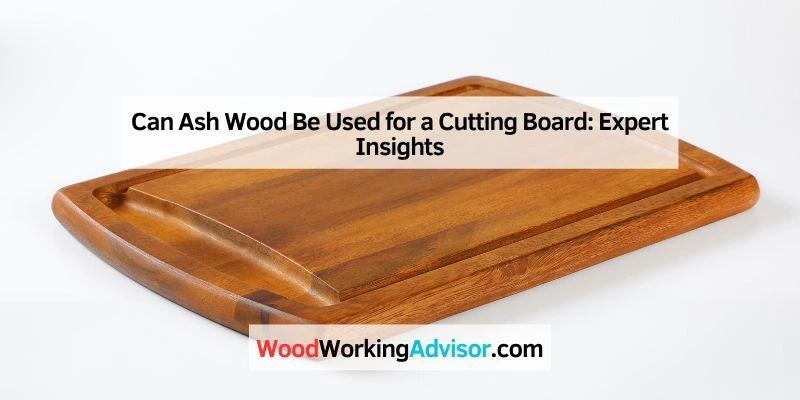
Yes, ash wood can be used for a cutting board. It is a strong, durable hardwood that can withstand regular kitchen use.
Are you considering using ash wood for a cutting board? This versatile wood is not only beautiful but also practical. Ash wood has a fine grain, making it smooth and less likely to splinter. It is hard enough to resist cuts and scratches but gentle enough to protect your knives.
With its natural resistance to moisture, ash wood can be a great choice for a cutting board that will last. Keep reading to learn more about why ash wood might be the perfect material for your kitchen needs.
Introduction To Ash Wood
Ash wood is known for its strength and beauty. It is often used in furniture and flooring. But, can it be used for a cutting board? In this blog post, we will explore the characteristics of ash wood and its common uses. This will help us understand if it is a good choice for your kitchen.
Characteristics Of Ash Wood
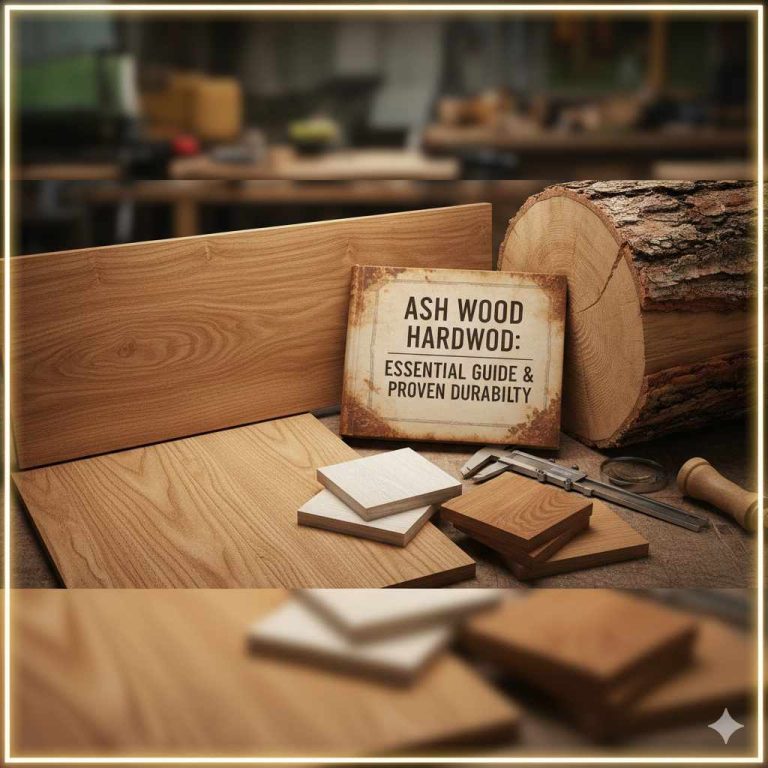
Ash wood comes from the ash tree. It has a light color, ranging from creamy white to light brown. The grain of ash wood is straight, giving it a smooth texture. This makes it easy to work with, whether you are sawing, sanding, or finishing.
| Characteristic | Description |
|---|---|
| Color | Creamy white to light brown |
| Grain | Straight |
| Texture | Smooth |
| Hardness | Medium |
One important thing to note is that ash wood is hard. This means it can withstand a lot of wear and tear. However, it is not as hard as maple or oak. This makes it a bit more prone to dents and scratches.
Common Uses Of Ash Wood
Ash wood is popular in many areas. Here are some common uses:
- Furniture: Ash wood is often used for making chairs, tables, and cabinets.
- Flooring: Due to its durability, ash wood is a popular choice for hardwood floors.
- Sports Equipment: Ash wood is used to make baseball bats and tool handles. This is because it is strong and flexible.
- Musical Instruments: Ash wood is also used in guitars and drums for its good acoustic properties.
So, what about cutting boards? Given its strength and smooth texture, ash wood can be a good choice. However, remember that it may not be as durable as other hardwoods. If you take good care of it, an ash wood cutting board can serve you well.
Ash Wood For Cutting Boards
Ash wood, with its light color and striking grain patterns, is a popular choice for cutting boards. Its natural beauty adds a touch of elegance to any kitchen. But how does it fare in terms of durability and resistance?
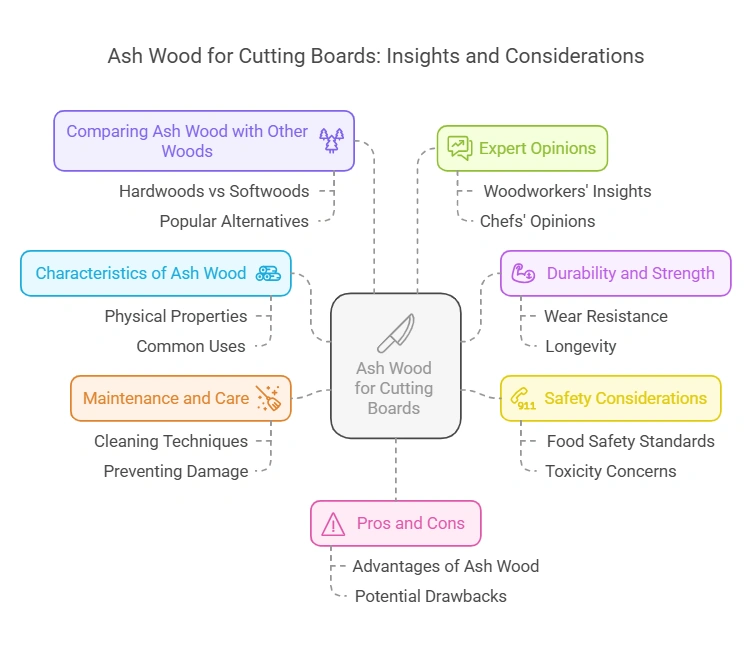
Durability And Strength
Ash wood is known for its excellent durability. It has a strong and resilient nature, making it perfect for cutting boards. This hardwood can withstand the daily chopping, slicing, and dicing activities in your kitchen.
Its dense structure ensures that it does not easily crack or split. This means your cutting board can last for years with proper care. Ash wood’s durability makes it a reliable choice for both home cooks and professional chefs.
Resistance To Wear And Tear
Ash wood is highly resistant to wear and tear. Its hardness helps prevent knife marks and dents. This keeps the surface smooth and maintains its aesthetic appeal over time.
The wood’s tight grain pattern also adds to its durability. It minimizes the absorption of moisture and stains, making the cutting board easy to clean and maintain. This resistance to wear and tear ensures that your ash wood cutting board remains hygienic and attractive.
Safety Considerations
When considering ash wood for a cutting board, safety is a key factor. You want to ensure that the material is safe for food preparation. This involves meeting food safety standards and checking for any potential toxicity concerns. Let’s dive into these aspects in more detail.
Food Safety Standards
Food safety standards are essential for cutting boards. Ash wood should be treated and finished properly. It must be free from harmful chemicals. This ensures the wood is safe to use with food. The wood’s surface should be non-porous. This prevents bacteria from entering the wood. Maintaining a clean and sanitary surface is crucial.
Toxicity Concerns
Not all wood types are safe for cutting boards. Some woods release toxic substances. Ash wood is generally non-toxic. It does not release harmful chemicals. It’s important to source the wood from reputable suppliers. This ensures that the wood is untreated and safe. Always check for any certifications or guarantees.
Maintenance And Care
Ash wood cutting boards are a wonderful addition to any kitchen. They are durable and have a beautiful grain pattern. However, like all cutting boards, they need proper care to stay in good shape. In this section, we will discuss how to maintain and care for your ash wood cutting board. We’ll cover cleaning techniques and tips on preventing damage.
Cleaning Techniques
Cleaning your ash wood cutting board properly is crucial. You don’t want to ruin the surface or allow bacteria to grow. Here are some simple steps to follow:
- After each use, wipe the board with a damp cloth. Avoid soaking it in water.
- Use a mild dish soap and warm water to clean the board. Scrub gently with a soft sponge.
- Rinse the board thoroughly and dry it immediately with a clean towel.
- For deep cleaning, sprinkle kosher salt on the board and rub it with a lemon half. This helps eliminate odors and disinfect the surface.
- Avoid using harsh chemicals or putting the board in the dishwasher. These can damage the wood.
Preventing Damage
Taking care of your ash wood cutting board means more than just cleaning it. You also need to prevent damage. Here are a few tips:
- Oil Regularly: Apply food-grade mineral oil to your board once a month. This keeps the wood hydrated and prevents cracks.
- Avoid Extreme Temperatures: Don’t place hot pans on the board. Also, keep it away from direct sunlight to prevent warping.
- Use Both Sides: Flip your board regularly to use both sides. This helps it wear evenly and extends its lifespan.
- Don’t Cut on the Same Spot: Vary where you cut to avoid creating deep grooves in one area. This keeps the surface smooth and easy to clean.
Remember, taking care of your ash wood cutting board is like taking care of a good friend. Give it some love, and it will serve you well for years to come.
So, why not make these maintenance habits a part of your cooking routine? Your cutting board (and your knives) will thank you!
Comparing Ash Wood With Other Woods
Comparing Ash Wood with Other Woods can help decide if ash wood is the best choice for a cutting board. Many factors come into play, including hardness, durability, and appearance. Understanding how ash wood stacks up against other types can make your decision easier and more informed.
Hardwoods Vs Softwoods
Hardwoods are often preferred for cutting boards. They resist scratches and dents. Ash wood is a hardwood, making it a strong contender. Its tough fibers provide durability and longevity.
Softwoods, like pine, are less suitable. They are more prone to damage and wear. Softwoods might not last as long under constant use. Hardwoods, such as ash, oak, and maple, offer better performance for cutting boards.
Popular Alternatives
Maple is a popular alternative to ash wood. It has a tight grain and resists bacteria. Maple also offers a clean, classic look.
Another option is walnut. It provides a dark, rich color. Walnut is also durable but may require more maintenance.
Bamboo is another choice. Technically a grass, bamboo is eco-friendly and hard. It offers a unique look and is lightweight.
Each wood type has its pros and cons. Ash wood is durable and attractive. Consider your needs and preferences before making a choice.
Expert Opinions
When it comes to choosing the right wood for a cutting board, ash wood often comes up in conversations. But what do the experts think? We’ve gathered insights from both woodworkers and chefs to help you make an informed decision. Let’s dive into their opinions and see what they have to say.
Insights From Woodworkers
Woodworkers are the true craftsmen who know the ins and outs of different types of wood. According to many woodworkers, ash wood is a fantastic option for cutting boards. Here’s why:
- Durability: Ash wood is known for its strength. It can withstand the wear and tear of daily use.
- Grain Structure: The grain of ash wood is relatively straight and consistent, which makes it easy to work with. This means fewer surprises during the crafting process.
- Appearance: Let’s face it, we all want our kitchen tools to look good. Ash wood has a light color and attractive grain pattern, making it a beautiful choice for a cutting board.
One woodworker mentioned, “I’ve made several cutting boards from ash, and they’ve held up beautifully over the years. Plus, they look great on the kitchen counter!”
Opinions From Chefs
Chefs are the end-users who put cutting boards to the test every day. Their opinions are invaluable when determining the best material for a cutting board. Here’s what some chefs have to say about ash wood:
- Knife-Friendly: Chefs appreciate that ash wood is gentle on their knives. It doesn’t dull the blades quickly, which is a huge plus in a busy kitchen.
- Maintenance: Ash wood cutting boards are relatively easy to maintain. Regular oiling keeps them in top shape.
- Versatility: Whether chopping vegetables or slicing meat, ash wood cutting boards provide a stable and reliable surface.
One chef shared, “I love my ash wood cutting board. It’s sturdy, looks good, and doesn’t damage my knives. What more could you ask for?”
In conclusion, both woodworkers and chefs hold ash wood in high regard for cutting boards. Its durability, attractive appearance, and knife-friendly nature make it a popular choice. So, if you’re considering a new cutting board, give ash wood a try. You might just find it’s the perfect fit for your kitchen.
Pros And Cons
When it comes to choosing the right wood for a cutting board, there are many options available. One wood that often comes up in conversations is ash wood. But is it a good choice for a cutting board? Let’s delve into the pros and cons of using ash wood, exploring its advantages and potential drawbacks.
Advantages Of Ash Wood
Ash wood has several appealing qualities that make it a popular choice for various woodworking projects, including cutting boards. Here are some of the key advantages:
- Durability: Ash is a hard, strong wood that can withstand heavy use. This makes it ideal for cutting boards that see a lot of action in the kitchen.
- Grain Pattern: Ash wood features a beautiful, straight grain pattern. This not only adds aesthetic value but also ensures a smooth surface for chopping.
- Workability: Despite its hardness, ash wood is relatively easy to work with. It can be sanded to a fine finish, making it a pleasure to use as a cutting board.
Potential Drawbacks
However, no material is perfect. Ash wood has some potential drawbacks that you should consider before making your decision:
- Porosity: Ash wood is more porous than some other hardwoods like maple or walnut. This means it can absorb moisture and bacteria more easily, which might not be ideal for a cutting board.
- Maintenance: Due to its porosity, ash cutting boards may require more frequent oiling and maintenance to prevent them from drying out or harboring bacteria.
- Weight: Ash wood is heavy. While this can make for a stable cutting board, it can also make it cumbersome to move around the kitchen.
So, is ash wood the right choice for your cutting board? It depends on your specific needs and preferences. If you value durability and aesthetics, ash wood could be a great option. However, if ease of maintenance and hygiene are your top priorities, you might want to consider other hardwoods. At the end of the day, the best cutting board is one that suits your kitchen habits and style.
What do you think? Have you used ash wood for a cutting board before? Share your experiences in the comments below!
Frequently Asked Questions
Can You Use Ash Wood For Cutting Board?
Yes, ash wood can be used for cutting boards. It is durable, dense, and resistant to scratches.
What Woods To Avoid For Cutting Boards?
Avoid using softwoods like pine, cedar, and fir for cutting boards. They can damage knives and harbor bacteria.
Is Ash Wood Food Safe?
Yes, Ash wood is food safe. It is commonly used for cutting boards and kitchen utensils. Ensure it is untreated and properly finished.
Does Ash Make A Good Charcuterie Board?
Yes, Ash makes an excellent charcuterie board. It’s durable, attractive, and resistant to stains and odors.
Conclusion
Ash wood can be a solid choice for cutting boards. It offers durability and strength. Its natural resistance to bacteria is a plus. Easy to maintain, ash wood boards can last long. With proper care, they remain a reliable kitchen tool.
Choosing ash wood means investing in quality. For many, it’s a practical and wise decision. Consider ash wood for your next cutting board. It might just be the perfect fit for your kitchen needs.