Redwood vs. Pressure-Treated Deck Cost: 2026 Price Guide
Pressure-treated redwood isn’t actually something lumberyards sell. Pressure treatment and redwood solve the same problem – rot and insect resistance – in two completely different ways, and budgeting for a blended material that doesn’t exist means budgeting wrong. Below are real 2026 installed costs for redwood decking and pressure-treated decking separately, so you can compare the two options accurately.
Redwood vs. Pressure-Treated: Two Different Materials, Not One
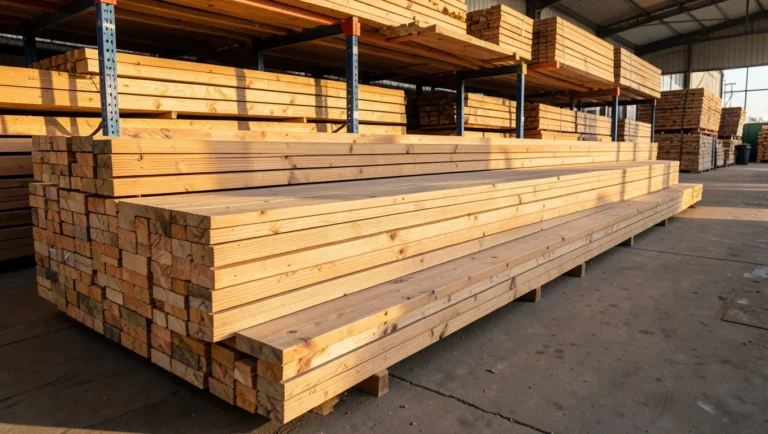
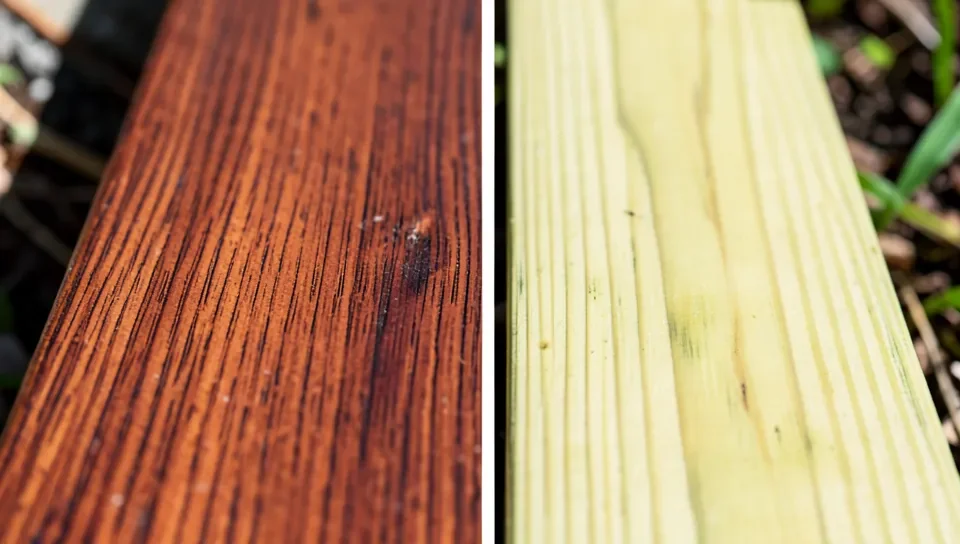
Pressure-treated lumber starts out as a cheaper, softer species – usually southern yellow pine – then gets forced through a vacuum-and-pressure cycle that pushes preservative chemicals deep into the fibers. Redwood works the opposite way: the tree’s own tannins and oils already make its heartwood naturally resistant to decay and insects, so it’s sold and installed untreated. You won’t find a board labeled “pressure-treated redwood” at any lumberyard – they’re competing options for the same job, not one combined product, and mixing them up in your budget is the fastest way to end up with the wrong cost estimate.
Best Sealer For A Redwood Deck
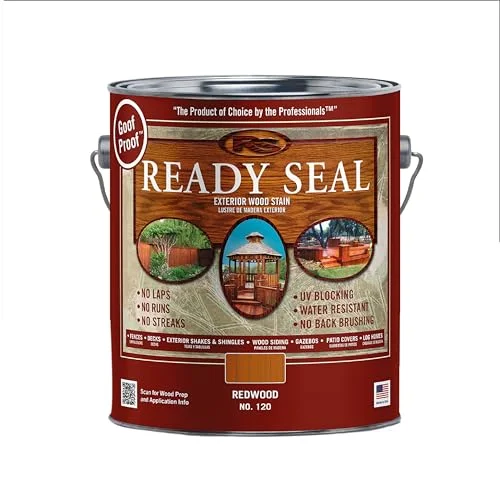 |
Ready Seal Exterior Wood Stain & Sealer, Redwood, 1 Gallon – $34.79 Whichever material you choose for your deck, both redwood and pressure-treated pine need a penetrating sealer to control moisture and UV fading – this one is pre-tinted to match redwood’s natural tone.
|
Redwood Decking Cost Breakdown
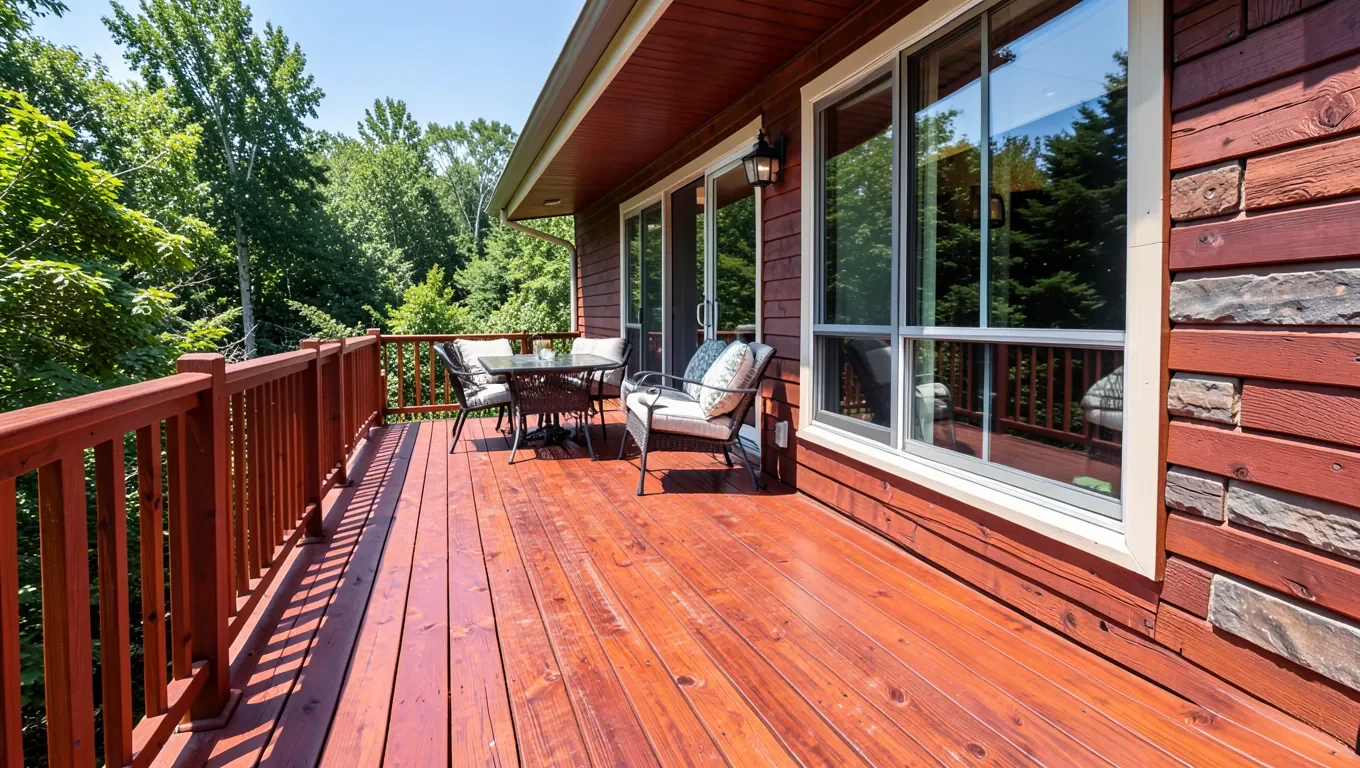
Redwood decking materials alone typically run $15 to $35 per square foot, with grade driving most of the swing. Premium and Clear grades, the knot-free boards cut from older, denser trees, sit at the top of that range and are usually reserved for highly visible surfaces. Construction Heart and Construction Common grades have some knots but still meet the durability bar for decking, and they cost less. Add professional installation labor – typically $11 to $22 per square foot – and a redwood deck installed usually lands between $25 and $50 per square foot, or an average of $14,000 to $22,000 for a full project including footings, railings, and finish work.
Pressure-Treated Decking Cost Breakdown
Pressure-treated pine is the budget option, and the numbers show it: materials alone run roughly $2 to $6 per square foot before installation, since the base wood species is cheap and the chemical treatment only adds a modest premium over untreated lumber. Installed, most homeowners pay $15 to $40 per square foot, with a typical 320-square-foot deck costing $4,800 to $11,200 complete. Labor makes up 50 to 70 percent of that total, since building the framing, footings, and fastening work is largely the same regardless of which decking material ends up on top.
Total Installed Cost by Deck Size
Here’s how the two materials compare across common deck sizes, covering materials and professional installation:
| Deck Size | Redwood, Installed | Pressure-Treated Pine, Installed |
|---|---|---|
| 200 sq ft | $5,000 – $10,000 | $3,000 – $8,000 |
| 300 sq ft | $7,500 – $15,000 | $4,500 – $12,000 |
| 400 sq ft (20-by-20) | $10,000 – $20,000 | $6,000 – $16,000 |
Ranges cover materials and professional installation, including footings and framing. Stairs, railings, and permits are extra on both materials.
Labor and Installation Costs
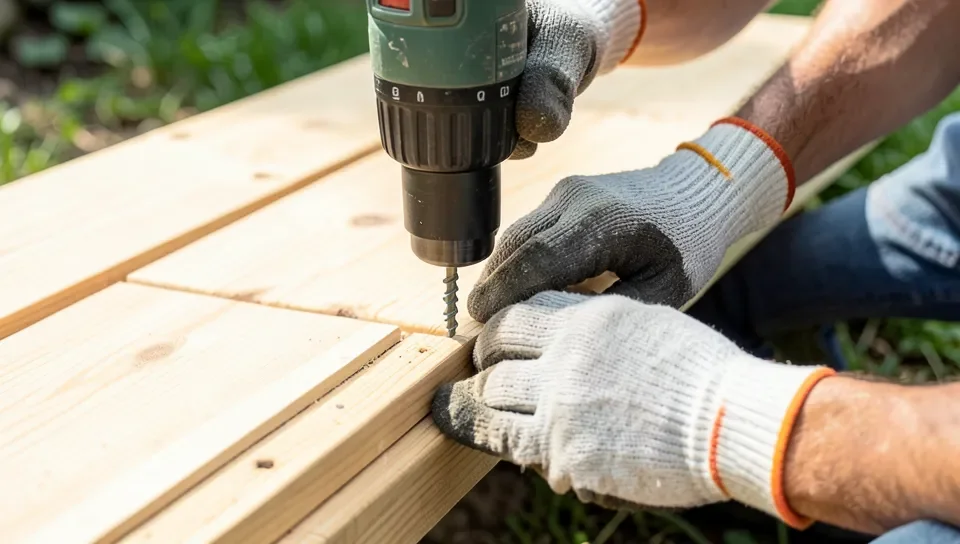
Labor pricing barely changes based on which decking material you choose, since a contractor spends most of the job on the substructure – footings, posts, beams, and joists – that both materials sit on top of. What does change labor cost is deck size, height off the ground, add-ons like stairs and railings, and local rates. Expect a professional install to add $8 to $22 per square foot on top of the material costs above, and get at least three quotes, since regional labor rates for deck builders can vary by more than double.
Long-Term Costs: Maintenance and Lifespan
Redwood needs a penetrating sealer or stain every one to three years to hold its color and shed moisture; skip it and the wood will still resist rot thanks to its natural oils, but it will gray and weather faster. A well-maintained redwood deck can last 20 to 30 years. Pressure-treated pine needs the same sealing schedule for a different reason: the chemical treatment protects the wood’s structure, not its surface, so UV exposure and moisture cycling will still crack, cup, and warp unsealed boards. A maintained pressure-treated deck typically lasts 15 to 20 years, a bit shorter than redwood, before boards need replacing.
Which Should You Choose?
If budget is the deciding factor and you’re comfortable resealing every couple of years, pressure-treated pine gets you a structurally sound deck for roughly half the material cost of redwood. If you want a deck that looks finished without heavy staining, resists rot without chemicals, and you’re willing to pay a premium for it, redwood is the better long-term investment – especially in the western U.S., where it’s regionally cheaper and more available. If neither upkeep schedule appeals to you, composite decking trades a higher material cost for near-zero maintenance. Either way, budget about the same for footings, hardware, and labor; the material choice mainly changes the cost of the boards themselves.
Frequently Asked Questions
Is There Such a Thing as Pressure-Treated Redwood?
No. Redwood is naturally decay- and insect-resistant because of its own tannins, so lumberyards sell it untreated. Pressure treatment is a chemical process applied to less durable species, usually southern yellow pine, to artificially add the rot resistance redwood already has naturally. If you see “pressure-treated redwood” mentioned somewhere, it’s almost always describing pressure-treated pine as a budget alternative to redwood, not an actual combined product.
How Much Does a Redwood Deck Cost?
A redwood deck typically costs $25 to $50 per square foot installed, or $14,000 to $22,000 for a full project including footings, railings, and finish work. Grade and region affect price the most; redwood is significantly cheaper on the West Coast, where it’s grown, than in the eastern U.S.
How Much Does a 20-by-20 (400 Sq Ft) Deck Cost?
A 400-square-foot deck costs about $10,000 to $20,000 in redwood or $6,000 to $16,000 in pressure-treated pine, installed. Most of that gap comes from material cost; labor and substructure pricing is similar either way.
Is Redwood More Expensive Than Pressure-Treated Wood?
Yes, redwood typically costs 40 to 60 percent more than pressure-treated pine installed. You’re paying for a naturally rot-resistant heartwood that doesn’t require chemical treatment and a warmer natural finish, not just a different stain color.
What Is the Average Cost of a Pressure-Treated Deck?
A pressure-treated deck averages $15 to $40 per square foot installed, with a common 320-square-foot deck costing $4,800 to $11,200 complete. Materials are inexpensive since pressure-treated pine costs only a few dollars more per square foot than untreated pine; most of the total is labor.
Conclusion
Pressure-treated redwood isn’t a real product, but the confusion is understandable since both materials solve the same rot and insect problem for a deck. Once you separate the two, the cost comparison is straightforward: pressure-treated pine costs less upfront, and redwood costs more but skips the chemicals and often outlasts it. Get quotes for both from a local contractor before you commit, since regional lumber pricing can shift the math more than the national averages above.
Sponsored / affiliate links. As an Amazon Associate I earn from qualifying purchases. I may earn additional commission from eligible campaigns.