Does Cedar Wood Rot? How Long It Really Lasts Outdoors
Cedar wood is known for its natural resistance to rot and insects, making it a popular choice for outdoor projects. While it can last for many years, it is not entirely immune to decay. Factors like moisture, ground contact, and the specific type of cedar greatly influence its lifespan.
Proper installation and regular maintenance are key to maximizing its durability outdoors.
Understanding Cedar’s Natural Defenses
Cedar is a softwood, which might make you think it’s weak. But when it comes to standing up to the weather, cedar is a champion. This is thanks to special oils and compounds found naturally within the wood itself.
These are called extractives. They act like a built-in shield.
Think of these extractives as nature’s own preservative. They make the wood less tasty and less appealing to things that want to eat it. This includes common wood-destroying insects like termites and carpenter ants.
It also means fungi, the main culprit behind rot, have a tougher time getting a foothold. Fungi need consistent moisture and warmth to establish — see what actually speeds up wood rot for the exact conditions that let them take hold.
Different types of cedar have different levels of these protective oils. For example, Western Red Cedar is famous for its strong natural defenses. Eastern White Cedar also has good resistance.
Even less resistant types still offer better protection than many other softwoods. It’s this natural defense system that gives cedar its reputation for long life outdoors.
The Key Players: Extractives and Tannins
The magic in cedar comes from a few key chemical compounds. The most important are called tannins and aromatic oils. These are not just good at repelling bugs and fungi.
They also give cedar its distinctive, pleasant smell. That fresh, woodsy scent you love? That’s the smell of cedar’s natural protection at work.
Tannins are complex organic molecules. They bind to the wood fibers. This makes the wood harder for fungi to break down.
It also makes the wood less attractive to insects. The oils add another layer of defense. They can even help to repel water to some degree.
This is crucial for outdoor wood.
The concentration of these extractives can vary. It depends on the species of cedar. It also depends on where the tree grew and what part of the tree the wood comes from.
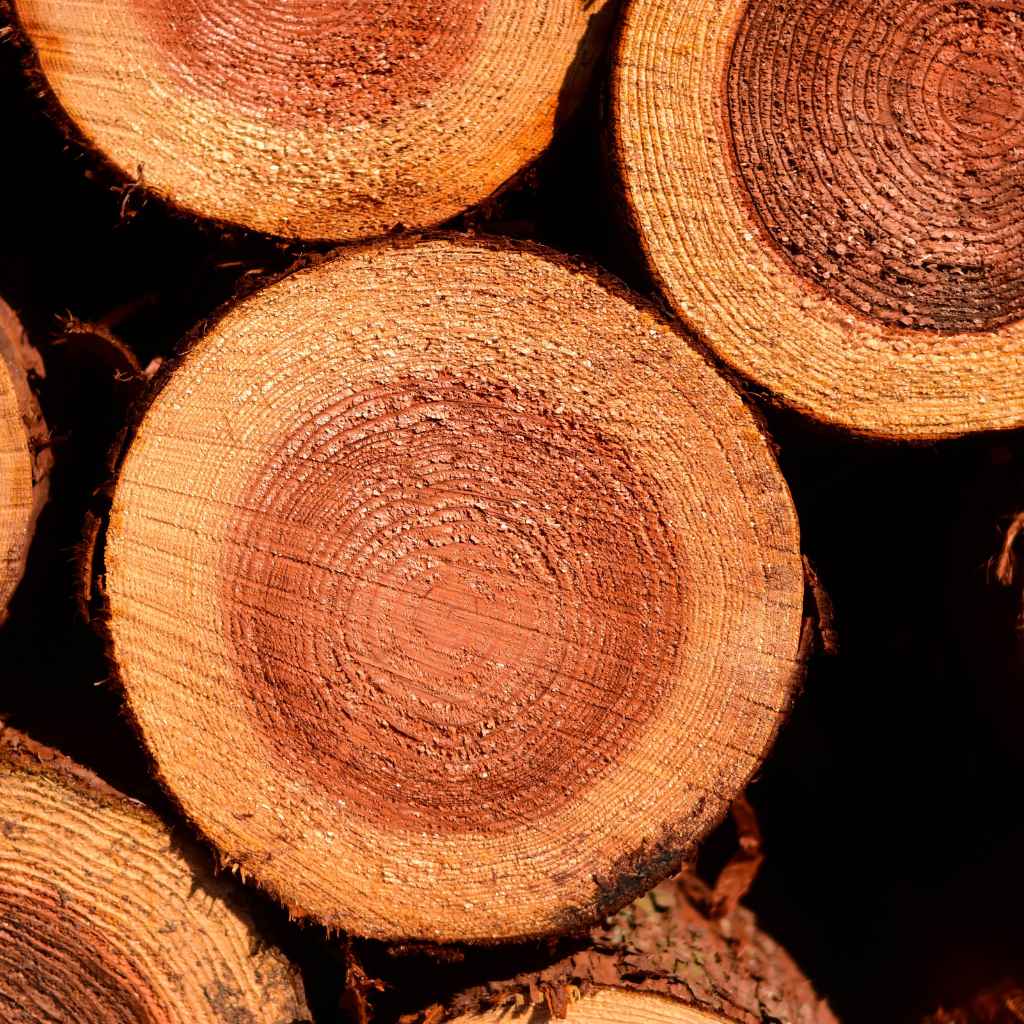
Heartwood, the denser inner part of the tree, usually has more extractives than sapwood, the outer living part. This is why heartwood is generally more durable.
So, when you see a cedar fence that has stood for decades, it’s not magic. It’s the result of these natural chemicals doing their job. They are the reason cedar can resist rot and decay far better than many other woods used outside.
Why Cedar Can Still Show Signs of Decay
Even with all these natural defenses, cedar isn’t invincible. Under certain conditions, it can indeed start to rot. It’s important to understand these conditions so you can prevent them.
The biggest enemy is prolonged exposure to moisture.
Wood needs a certain amount of water to allow rot-causing fungi to grow. Cedar, even with its oils, will absorb water if it’s constantly wet. If water can’t dry out, it creates the perfect damp environment for fungi to thrive.
This is especially true if the wood is in contact with the ground.
Ground contact is a major problem. Soil holds a lot of moisture. It also often contains fungi and bacteria that break down wood.
When cedar posts are buried directly in the soil, they are in constant contact with a moist, decaying environment. This bypasses much of cedar’s natural protection.
Another issue is poor ventilation. If air can’t circulate around your cedar structure, moisture gets trapped. Think about the underside of a deck or the inside of a tightly built cedar shed wall.
If water gets in there, it might not be able to evaporate. This leads to slow, hidden decay.
Also, the quality of the cedar matters. As mentioned, heartwood is more resistant than sapwood. If your lumber contains a lot of sapwood, it won’t perform as well.
The natural oils are less concentrated there. Cedar that hasn’t been properly milled or dried might also be more vulnerable.
Finally, we must consider the environment. Coastal areas with salty air can be tough on wood. Areas with very extreme temperature swings and heavy rainfall can also stress any wood product.
Over time, even the best cedar can show wear and tear if not properly cared for.
The Three Musketeers of Wood Decay: Water, Fungi, and Time
Water: Wood needs moisture to rot. Cedar fights decay, but constant dampness wins eventually. Think about a sponge; it works best when wet.
Fungi: These are tiny organisms that eat wood. Cedar’s oils make it unappetizing, but fungi are persistent. They need water and food (the wood) to survive.
Time: Even the best defenses can be worn down over long periods. Exposure to sun, rain, and snow takes its toll. Without care, cedar’s natural protection will fade.
How Long Can Cedar Wood Actually Last Outdoors?
This is the million-dollar question! The honest answer is: it varies a lot. But generally, cedar is known for its longevity.
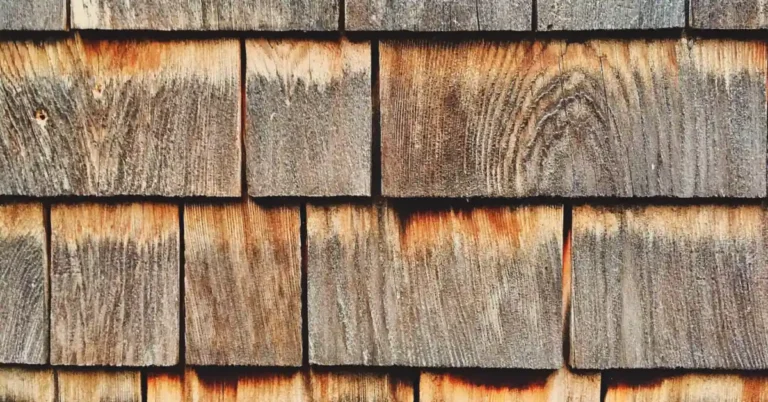
A well-maintained cedar deck can last 20 to 30 years. A cedar fence might last 15 to 25 years. Cedar shingles on a roof could last even longer, sometimes 30 to 50 years.
Let’s break down some expectations. If you have a cedar deck and it’s installed correctly, meaning it’s not touching the ground and has good airflow, you’re looking at a long service life. Even without sealants, it can perform remarkably well.
Many people choose cedar precisely because they want to avoid frequent replacements.
A cedar fence made with posts that are treated for ground contact (even if the rest is cedar) can last a good long while. If the posts are just plain cedar and in constant contact with soil, you might see issues in 5 to 10 years. This is a common mistake people make.
They think “cedar is rot-proof” and forget that ground contact is a special case.
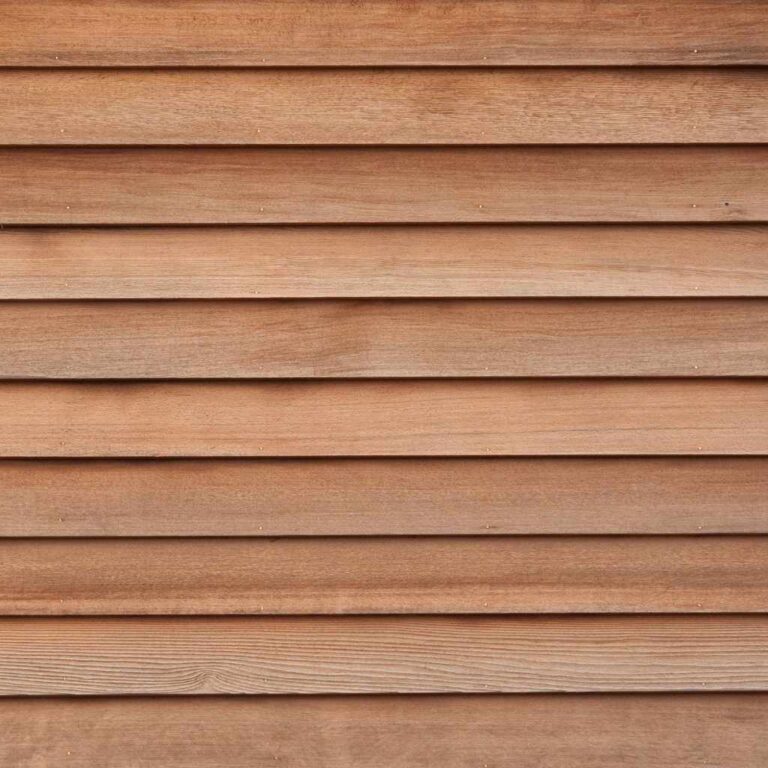
Cedar siding is another area where it shines. Because it’s not in direct contact with the ground and is exposed to air, it can look great for decades. You’ll see beautiful old homes with cedar siding that still looks fantastic.
That’s a testament to its natural durability and the beauty of aged wood.
What affects these numbers? The specific species of cedar is a big one. Western Red Cedar is typically the most durable.
Others, like Incense Cedar, can also perform very well. The thickness of the wood matters too. Thicker boards generally last longer than thinner ones.
Climate plays a huge role. Cedar in a dry, sunny climate will likely last longer than cedar in a very wet, humid region. In wet climates, extra care and maintenance become even more important.
Salt spray in coastal areas can also accelerate wear.
So, while there’s no single number, expect cedar to significantly outlast untreated pine or fir in most outdoor situations. And with a little effort, you can push that lifespan even further.
Cedar Lifespan Snapshot
- Decking: 20-30 years (with good installation)
- Fencing (above ground): 15-25 years
- Fencing (posts in ground): 5-15 years (if not specifically treated for ground contact)
- Siding: 30-50 years (well-ventilated)
- Shingles/Shakes: 30-50+ years
My Own Cedar Fiasco: A Lesson in Ground Contact
I remember building a raised garden bed for my mom a few years back. I used beautiful, aromatic cedar planks for the sides. I thought, “This is cedar!
It’ll last forever. No need for fancy liners or anything.” For the corner posts, I used plain cedar 4x4s, which I simply set into the ground and backfilled with soil.
The first year, it looked absolutely stunning. The rich color, the clean lines – it was a gardener’s dream. I’d walk by and inhale that wonderful cedar scent.
I felt so proud of my work.
Then came the second spring. I noticed a few of the corner posts seemed a bit wobbly. Not a lot, just a slight give when I pushed on them.
I chalked it up to the soil settling. I was busy and didn’t give it much thought.
By the third spring, it was undeniable. The posts were soft and crumbly at the soil line. When I poked one with a screwdriver, it went in with almost no resistance.
The beautiful cedar planks were still holding up okay, but the whole structure was compromised because the base was failing. I had completely underestimated the impact of direct ground contact on even the most rot-resistant wood.
That was a hard lesson. I ended up having to dig out the old posts, treat new ones for ground contact, and re-secure the whole bed. It taught me that while cedar is great, its natural defenses have limits.
Especially when placed in conditions that actively promote decay, like being buried directly in damp soil. It was a costly mistake in terms of time and extra materials, but a valuable learning experience for sure.
Factors That Speed Up Cedar Deterioration
Beyond constant moisture and ground contact, other factors can accelerate the breakdown of cedar wood outdoors. Understanding these can help you protect your investment.
1. Poor Installation & Design
This is a big one. How the cedar is installed matters more than many people realize. If a deck is built too close to the ground, it won’t get enough airflow.
This traps moisture underneath. If siding is installed without proper flashing or a rain screen, water can get behind it and get trapped against the house wrap.
The way boards are joined is also important. Gaps that are too tight can prevent drying. Water can get wicked into the joint and stay there.
Using the wrong fasteners can also cause issues. Steel fasteners can sometimes react with the tannins in cedar, causing dark stains around the screws or nails. Stainless steel is usually a better choice.
The design of the structure itself plays a role. Flat surfaces where water can pool are problematic. Gutters that are clogged and overflow onto cedar siding are also a problem.
Even simple things like a poorly sloped deck can lead to standing water.
2. Lack of Maintenance
This is probably the easiest factor to control. Cedar looks beautiful when it’s new. Its reddish-brown or blonde color is striking.
But over time, exposure to UV rays from the sun will break down the wood fibers on the surface. This is called photodegradation.
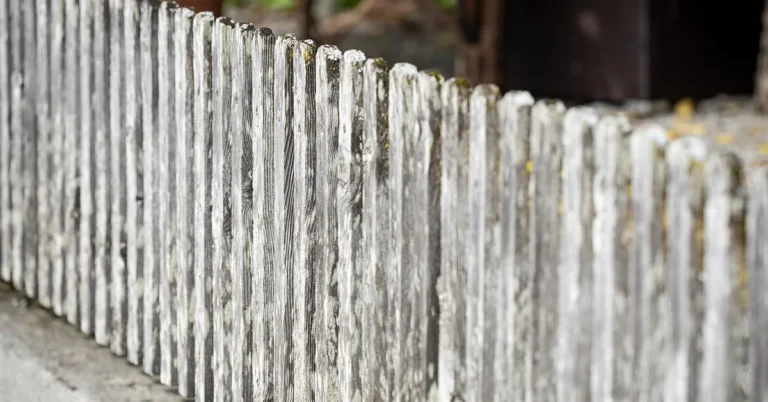
When this happens, the surface turns gray. This gray layer is often called a “patina.” While many people find this weathered gray look attractive, it’s actually the wood starting to break down. If left unchecked, this breakdown can become deeper and more significant.
Regular cleaning helps remove dirt, pollen, and mildew that can cling to the wood. Mildew loves damp wood and can contribute to decay. Applying a protective finish, like a stain or sealer, can offer an extra layer of defense against UV rays and moisture.
Even a clear water-repellent sealer can make a big difference.
3. Environmental Stressors
The climate you live in is a major determinant of how well your cedar will hold up. In areas with heavy rainfall and high humidity, wood stays wet longer. This gives rot fungi more opportunity to grow.
In very hot, dry climates, the wood can dry out too much and develop cracks, which allow water to penetrate deeper.
Salt spray near the coast can be corrosive. It can break down the wood’s natural defenses and accelerate weathering. Think of how salt affects metal; it can have a similar, though slower, degrading effect on wood fibers.
Heavy foot traffic on decks or constant abrasion on siding can wear away the surface. Small animals or birds might peck at the wood, creating entry points for moisture and pests. Ice and freeze-thaw cycles in colder climates can also cause damage as water expands when it freezes within the wood.
4. Wood Quality and Species
As touched upon, not all cedar is created equal. Western Red Cedar is highly regarded for its durability due to a high concentration of extractives, especially in its heartwood. Other cedars, like Incense Cedar, also perform well but might have slightly different properties.
When you buy cedar lumber, pay attention to whether it’s heartwood or sapwood. Lumber graded as “clear” often means it’s mostly heartwood. Boards with knots might have more sapwood around them.
Sapwood is less dense and has fewer natural oils, making it more susceptible to rot and insect attack.
The way the wood was dried also matters. Improper kiln drying can damage wood fibers. Air-dried wood is often preferred by many craftspeople for its stability.
However, proper kiln drying can kill insects and fungi that might be present in the wood.
Quick Scan: Common Cedar Enemies
| Enemy | How it Hurts Cedar | Protection Tip |
| Constant Moisture | Feeds rot fungi. Prevents drying. | Ensure good airflow. Avoid ground contact. |
| Ground Contact | Directly supplies moisture and fungi. | Use treated posts or gravel bases. |
| UV Rays (Sun) | Breaks down surface wood fibers. Leads to graying. | Apply UV-blocking stains or sealers. |
| Poor Ventilation | Traps moisture. Slows drying. | Install with air gaps. Keep structures off the ground. |
| Mildew/Mold | Grows on damp wood, can deepen decay. | Clean regularly. Ensure good drying. |
When is Cedar Rot Concerning? Signs to Watch For
Okay, so cedar can rot, but when should you really start to worry? It’s about recognizing the subtle (and not-so-subtle) signs that indicate the wood is degrading faster than it should.
1. Soft, Spongy Texture
This is a classic sign of rot. If you can easily push a screwdriver, knife, or even your finger into the wood, especially at joints or edges, it’s likely rotten. Healthy, sound wood will resist penetration.
This is a clear indicator that fungi have done significant damage.
2. Visible Fungal Growth
Sometimes, you might see actual fungal growth on the surface of the wood. This can look like white or gray fuzzy mold, or even shelf-like fungi (conks) growing out of larger pieces. While surface mildew is common and often just needs cleaning, more substantial fungal growth is a serious warning sign.
3. Crumbly or Powdery Wood
When wood rots, it loses its structural integrity. Instead of being solid, it can become crumbly. You might notice small bits of wood falling off.
In advanced stages, the wood can turn into a soft, powdery substance. This is especially common at the ends of boards or in areas that have been constantly damp.
4. Darkened, Discolored Areas
While some discoloration is normal (like the graying from UV exposure), persistent, dark, and often wet-looking patches can signal rot. These areas might also feel softer than the surrounding wood. This can happen in hidden spots, like under deck boards or behind siding, where moisture has pooled.
5. Insect Activity
While cedar resists insects, heavily decayed wood can attract opportunistic pests. You might see increased ant activity, especially carpenter ants looking for already softened wood to nest in. Termites can also target decaying wood.
Sawdust piles (frass) near joints or cracks can indicate insect tunneling.
6. Structural Weakness
This is the most serious sign. If your deck boards are sagging more than they used to, a fence post leans precariously, or siding feels loose and unstable, it means the rot has compromised the structural integrity of the wood. At this point, repairs are often extensive, or replacement might be necessary.
Remember, a little graying from the sun is just weathering. It’s the combination of softness, crumbling, and structural weakness that points to true rot. Regularly inspecting your cedar projects, especially common problem areas like deck joists, fence post bases, and any place where water can collect, is your best defense.
Quick Check: Is it Just Weathered or Really Rotten?
- Weathering: Wood turns gray. Surface might feel a bit rough. Solid underneath.
- Rot: Wood is soft, spongy, or crumbly. Can be easily penetrated. May show fungal growth. Compromises structure.
Extending Cedar’s Life: Maintenance and Protection
The good news is you can significantly extend the life of your cedar projects. It mostly comes down to a few key practices: keep it clean, keep it dry, and protect it from the elements.
1. Regular Cleaning
At least once a year, give your cedar structures a good cleaning. Use a mild detergent, a soft brush, and water. Rinse thoroughly.
This removes dirt, pollen, mildew, and algae that can hold moisture and contribute to decay. For tougher grime, you can find specific cedar cleaners at home improvement stores. Always follow the product instructions.
Be careful not to use high-pressure washers. They can damage the wood fibers and force water deeper into the wood, which is counterproductive. A gentle stream from a garden hose is usually sufficient after brushing.
2. Proper Sealing and Staining
While cedar is naturally resistant, applying a protective finish can add an extra layer of defense. You have a few options:
- Clear Water Repellents: These soak into the wood and help prevent water absorption. They don’t change the color much and allow the natural beauty of the cedar to show through.
- Stains: Stains add color and pigment. The pigment in stains provides UV protection, which helps prevent the wood from turning gray. Oil-based stains tend to penetrate better and offer good protection. Water-based stains are easier to clean up.
- Sealers: These form a protective barrier on the surface. They can also offer UV protection.
Whatever you choose, make sure it’s designed for outdoor use and suitable for cedar. Always test the product on an inconspicuous area first to see how it looks. Apply it according to the manufacturer’s instructions.
Usually, this involves applying thin coats and allowing them to dry properly.
Reapplication is key. Depending on the product and your climate, you might need to reapply a finish every 1-3 years. This is especially true for horizontal surfaces like decks that take a lot of wear.
3. Ensuring Good Ventilation and Drainage
This goes back to installation and design. Make sure your cedar projects are elevated off the ground. Allow air to circulate freely around them.
For decks, this means ensuring there are adequate gaps between boards and that the underside is open. For fences, avoid building them directly against dense shrubbery that blocks airflow.
Ensure water can drain away from your cedar structures. Gutters should be clean and direct water away from the foundation. Patios and walkways around decks should be sloped so water doesn’t pool near the wood.
4. Addressing Ground Contact Properly
If you are building anything with cedar posts that will be in the ground, use lumber specifically rated for ground contact. These are usually pressure-treated with chemicals that resist rot and insects. Cedar itself can be used, but it must be properly treated for ground contact, or the service life will be drastically shortened.
Another strategy is to set cedar posts in concrete or use metal post anchors that keep the wood entirely above ground. Surrounding the base of posts with gravel can also improve drainage and reduce moisture.
5. Promptly Repairing Damage
If you notice any cracks, splits, or damaged areas, address them promptly. Small cracks can be filled with an exterior wood filler. Loose boards should be re-secured.
This prevents water from entering the wood and starting the decay process.
Catching these issues early can save you a lot of headaches and prevent more extensive repairs down the line. A little preventative care goes a very long way with cedar.
Maintenance Checklist: Quick Wins
- Spring: Clean your cedar structures. Inspect for damage.
- Summer: Reapply sealers or stains as needed (check product recommendations).
- Fall: Clear debris from decks and around fences. Ensure gutters are working.
- Year-Round: Keep areas around cedar dry. Fix any new damage quickly.
What This Means for Your Cedar Projects
So, what’s the takeaway for anyone with a cedar project or planning one? It’s about understanding that cedar is a superior material for outdoor use, but it’s not maintenance-free.
When Cedar Performance is Normal
It’s normal for cedar to weather to a silver-gray color over time due to UV exposure. This is a cosmetic change and doesn’t mean the wood is rotting. It’s also normal for cedar to have a pleasant aroma, especially when new or when wet.
Minor checks (small cracks along the grain) are also typical as wood expands and contracts with changes in humidity.
If your cedar project is lasting 15-25 years or more without significant structural issues, and it’s been exposed to typical weather, that’s a sign of normal, good performance. This is especially true if it hasn’t been treated with sealants or stains.
When to Be Concerned
You should be concerned if you find soft, spongy, or crumbly wood. If you can easily poke a hole in the wood with a tool, that’s a major red flag. Visible fungal growth beyond surface mildew is also a sign of trouble.
Any indication that the structural integrity of your deck, fence, or siding is compromised means you need to investigate further.
Excessive cracking or warping, beyond what’s expected for normal wood movement, can also be a sign of underlying issues. If your cedar project is showing these signs after only a few years, it might indicate poor installation, a design flaw, or that the wood quality was not ideal.
Simple Checks You Can Do
Regularly walk around and visually inspect your cedar projects. Look for any changes in color or texture. Gently probe the wood at critical points: the base of fence posts, the edges of deck boards, around fasteners, and any areas that tend to stay wet.
Use a screwdriver or a sturdy stick to test for softness.
Listen for any unusual sounds, like creaking underfoot on a deck, which could indicate loose or weakened boards. Check for any new or worsening cracks. A quick annual inspection can catch problems early when they are easiest and cheapest to fix.
Remember, cedar’s strength is in its natural oils. These oils can be depleted over time, especially with constant exposure to harsh conditions. A little attention from you can help replenish that protection, either through maintenance or by simply ensuring the wood can dry out properly.
Frequently Asked Questions About Cedar Rot
Is cedar wood completely rot-proof?
No, cedar wood is not completely rot-proof. It is highly resistant to rot and decay due to natural oils and compounds. However, prolonged exposure to moisture, especially when in direct contact with the ground, can still lead to rot over time.
Proper maintenance and installation significantly extend its lifespan.
How can I tell if my cedar fence is rotting?
Signs of a rotting cedar fence include soft or spongy wood at the base of posts or near the ground, crumbly texture, visible fungal growth, and structural weakness where the fence might lean or feel unstable. You can test for rot by gently probing suspect areas with a screwdriver.
Does cedar decking rot if it touches the ground?
Yes, cedar decking is highly susceptible to rot if it consistently touches the ground. The soil holds moisture and contains fungi that break down wood. Cedar’s natural defenses are significantly compromised in this environment.
It’s crucial to ensure adequate clearance between the decking and the soil for proper airflow and to use treated lumber for posts if they are in the ground.
How often should I seal or stain my cedar siding?
The frequency of sealing or staining cedar siding depends on the product used and your climate. Generally, a clear water repellent might need reapplication every 1-2 years, while a pigmented stain with UV protection could last 2-4 years. Always check the manufacturer’s recommendations for the specific product you are using.
Can I prevent my cedar deck from turning gray?
Yes, you can prevent your cedar deck from turning gray. The graying is caused by UV rays breaking down the wood surface. Applying a deck stain or sealer that contains UV inhibitors or pigments will protect the wood from the sun’s damaging rays and help maintain its natural color.
Is it okay for my cedar fence posts to be in direct soil contact?
It is generally not recommended for standard cedar fence posts to be in direct soil contact for long-term durability. While cedar has natural resistance, the constant moisture and presence of soil fungi in direct contact will eventually lead to rot. For posts in the ground, it’s best to use pressure-treated lumber rated for ground contact or to set the cedar posts in concrete or on metal post anchors to keep them out of the soil.
Conclusion: Cedar’s Lasting Charm
Cedar wood is a fantastic choice for outdoor projects due to its natural beauty and impressive resistance to rot and insects. While it’s not indestructible, its inherent defenses allow it to far outlast many other wood types. By understanding the factors that contribute to decay and taking simple preventative measures, you can ensure your cedar creations remain strong and beautiful for decades to come.
Regular cleaning, proper installation, and occasional protective finishes are your allies in this endeavor.
Sponsored / affiliate links. As an Amazon Associate I earn from qualifying purchases. I may earn additional commission from eligible campaigns.