How Do You Know If You Have Cedar Fever? Real Symptoms vs. Myths
You likely have cedar fever if you get sneezing, a runny or stuffy nose, and itchy, watery eyes every winter around the same time – typically December through February – in an area with mountain cedar (Ashe juniper) trees. Despite the name, most people don’t get an actual fever from it; that’s a common misconception worth clearing up before anything else.
What Cedar Fever Actually Is
Best For Reducing Indoor Pollen
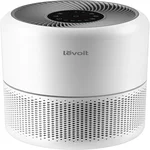 |
Levoit Core 300 HEPA Air Purifier – $84.99 You can’t keep cedar pollen out of the air entirely, but a true HEPA purifier running in the bedroom overnight measurably cuts what you’re breathing while you sleep.
|
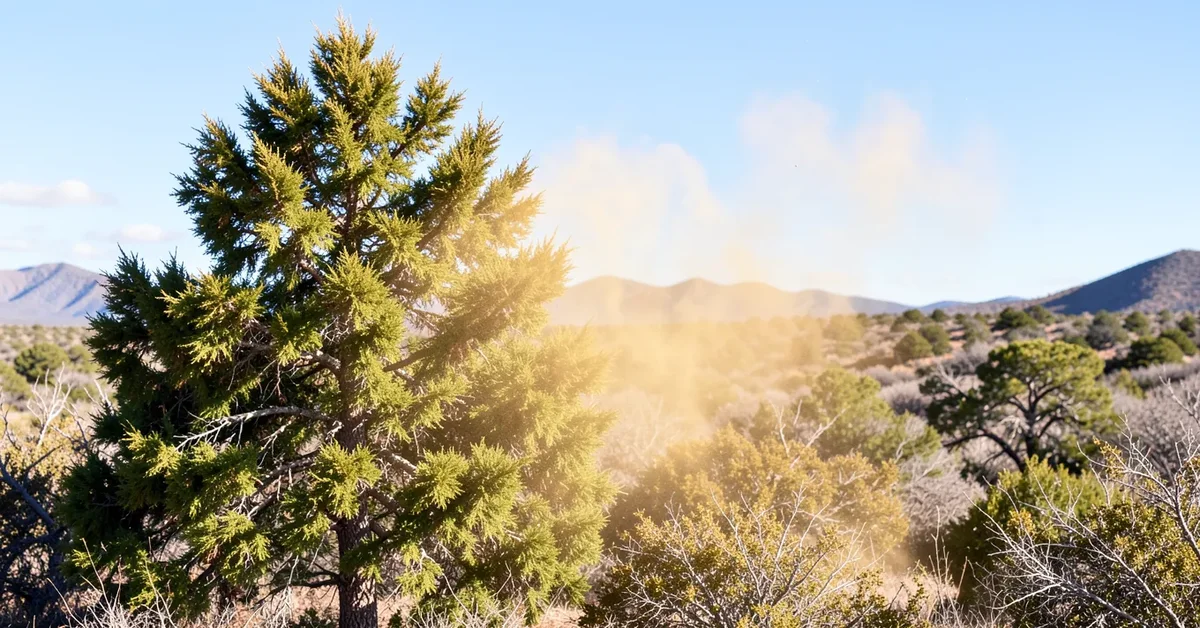
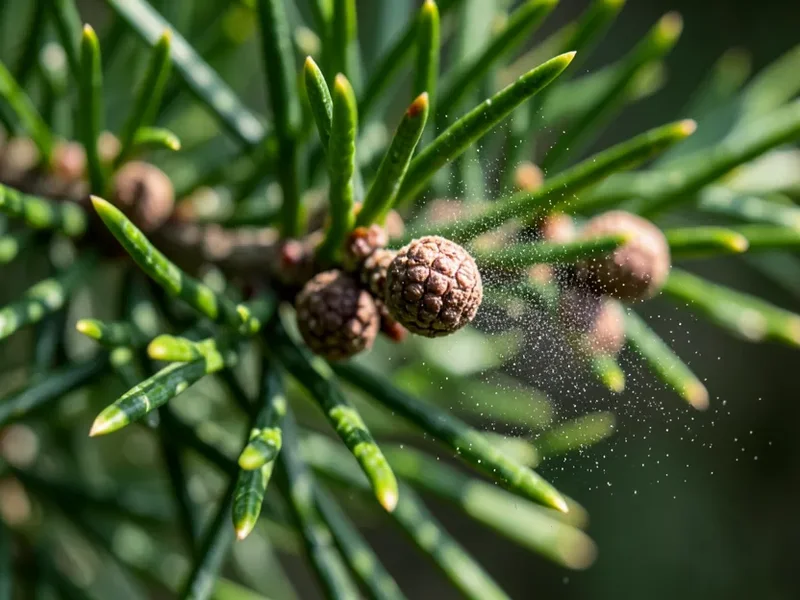
Cedar fever isn’t a virus or infection – it’s a pollen allergy to mountain cedar, which despite its common name is actually Ashe juniper (Juniperus ashei), concentrated in the Texas Hill Country and parts of Oklahoma and Arkansas. Male juniper trees release enormous amounts of fine pollen in windy, dry winter weather, and it’s light enough to travel for miles. The reaction is a standard allergic response – your immune system treats the pollen protein as a threat and releases histamine, which is what causes the sneezing, congestion, and itchy eyes.
Why “Fever” Is Mostly A Misnomer
The name comes from how intense the symptoms can feel – a bad flare can genuinely knock you flat with fatigue and body aches, which feels flu-like even without a real fever. A true elevated temperature happens in some people during a severe flare, but it’s not the typical presentation, and a high fever specifically is not a normal cedar fever symptom. If you have a real fever over 101°F, treat it as a possible infection and get it checked rather than assuming it’s cedar fever.
Managing Symptoms
- Reduce exposure: Keep windows closed on high-pollen-count days, shower and change clothes after being outside, and run a HEPA air purifier in the bedroom (see above).
- Over-the-counter options: A non-drowsy antihistamine (cetirizine, loratadine, or fexofenadine) and a saline nasal rinse are the standard first-line combination most allergists recommend before anything stronger.
- Nasal steroid sprays: An OTC fluticasone or triamcinolone spray, used daily starting before the season peaks, controls congestion better than an antihistamine alone for a lot of people.
- See an allergist if OTC options aren’t enough – prescription options and allergy immunotherapy (allergy shots, given as a series over time, not a single injection) are available for chronic, severe cases.
One thing worth flagging directly: a same-day corticosteroid injection for fast relief was historically offered by some clinics in cedar-fever-prone areas, and it’s understandably tempting when symptoms are miserable. Allergists have raised real concerns about that specific practice – repeated corticosteroid injections carry cumulative risks (to bone density and blood sugar regulation, among others) that don’t apply to a daily antihistamine or nasal spray. If a clinic offers you one, it’s worth asking why, and whether the standard first-line options have been tried first.
Frequently Asked Questions
What are the symptoms of cedar fever?
The core symptoms are sneezing, a runny or stuffy nose, and itchy, watery eyes – the same pattern as any pollen allergy. Fatigue and headache are also common. A true elevated body temperature happens in only a minority of cases, despite the name.
How long does cedar fever season last?
Mountain cedar (Ashe juniper) typically pollinates from December through February in central Texas and parts of Oklahoma, with the worst days usually in a cold, dry, windy stretch in late December or January.
Does cedar fever actually cause a fever?
Usually not a true fever – most people get the sneezing, congestion, and itchy eyes typical of any pollen allergy without a measurably elevated temperature. A low-grade fever is reported by some people during a bad flare, which is likely why the condition got its name generations ago, but a genuinely high fever is not a typical cedar fever symptom and is worth getting checked by a doctor rather than assumed.
How is cedar fever diagnosed?
An allergist can confirm a cedar/juniper allergy with a skin-prick test or a blood test for specific IgE antibodies. In practice, most people self-diagnose from the seasonal timing (a cold that shows up the same time every winter) and confirm it with a doctor if symptoms are severe or year-round symptoms make it unclear.
Should I get a steroid shot for cedar fever?
Ask an allergist before agreeing to one. Corticosteroid injections were historically offered by some Texas clinics as a quick seasonal fix, but allergy specialists have pushed back on the practice because repeated corticosteroid shots carry real risks with regular use – including effects on bone density and blood sugar – that don’t apply to daily antihistamines or a nasal steroid spray. For most people, an over-the-counter antihistamine, a nasal steroid spray, and reducing indoor pollen exposure control symptoms without that risk.
Conclusion
Cedar fever is a seasonal allergy to mountain cedar (Ashe juniper) pollen, not an infection, and despite the name it usually doesn’t cause a real fever. Reducing indoor pollen exposure, an antihistamine, and a nasal steroid spray control it for most people; talk to an allergist before agreeing to a corticosteroid injection for quick relief.
This article is for general information and isn’t a substitute for medical advice – talk to a doctor or allergist about your specific symptoms and treatment options.
Sponsored / affiliate links. As an Amazon Associate I earn from qualifying purchases. I may earn additional commission from eligible campaigns.