When Can You Stain Pressure Treated Lumber? (12% vs 19% Rule)
Stain new pressure-treated lumber once water soaks into the surface instead of beading up. Stain labels set a floor of about 30 days, and many decks need 3 to 6 months, unless the boards were kiln-dried after treatment (KDAT). Moisture meters read high on treated wood, so a number alone can mislead you. This guide compares real label limits, explains the meter trap, and lists the tests worth trusting.
Short Answer: Wait Until the Wood Accepts Water
Best Wood Moisture Meter Pick
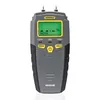 |
General Tools MMD4E Moisture Meter for Wood, Walls and Water Leak Detection – $32.03 Handy for the meter check described below: two 8 mm stainless pins, a 5 to 50 percent wood scale and a reading-hold button. Use it alongside the water sprinkle test, because pin readings on treated lumber can run high.
|
As an Amazon Associate we earn from qualifying purchases.
New pressure-treated boards leave the treatment plant saturated with preservative solution. Figures of 35 to 75 percent moisture content are widely quoted for fresh wet-treated lumber, far above what a penetrating stain needs. Stain is not a paint film that sits on top. It has to soak into the fibers, and a board full of water has no room for it.
So the real question is not how many weeks have passed. It is whether this board has dried enough to accept this particular stain. The calendar gives you a starting estimate, and two things settle it: what your stain label requires, and a water test on the actual boards.
This page covers the measurement side. For the wider timeline, see our guide on how long to wait before staining treated lumber, and for speeding things up, how to dry pressure treated wood.
What Stain Labels Actually Require
The popular “15 percent moisture” rule is not what the manufacturer pages we checked say. Here is what each one asks for on new treated lumber.
| Source | Wait on new treated lumber | Readiness condition | Weather limits |
|---|---|---|---|
| Thompson’s WaterSeal Clear Wood Sealer | 30 days | Water absorbs and darkens the surface within 5 seconds | Surface and air above 50F during application and for 48 hours after; no rain forecast within 24 hours |
| Ready Seal oil stain | 30 days | Wood clean and very dry, 12% moisture content or less | Follow the product instructions for the weather window |
| KDAT lumber (kiln-dried after treatment) | Often far shorter; check the end tag | Dried to about 19% or less before sale | Same as the stain label you choose |
Allow 30 days before applying on new pressure treated lumber. Source: Thompson’s WaterSeal product page
Notice the spread. One oil stain wants 12 percent, one sealer relies on a five-second water test, and dried lumber is sold at about 19 percent. A 14 percent reading passes for one product and fails for another. Read your can before you trust a generic number, including ours.
We did not run these tests ourselves. The table comes from the manufacturer pages named above, and labels change, so check the current can or data sheet for the exact product you buy.
The Moisture Meter Trap on Treated Wood
A pin meter is the obvious tool, and it is useful, but treated lumber can fool it. Pin meters read electrical conductance, and the dissolved preservative salts in the wood conduct electricity too. A USDA Forest Service study by Boardman, Glass and Carll (2011) found that ACQ treatment raised the conductance of southern yellow pine lumber, particularly at higher moisture contents. In plain terms, the meter can read wetter than the board really is.
The same study found the opposite effect in treated plywood, so do not assume the error runs the same way on every treated product. It published calibration equations tied to southern yellow pine rather than one universal offset, so we will not invent a correction number for you.
Here is how to use a meter without being misled:
- Take at least three readings per board, away from knots and the last few inches of each end.
- Check boards from different spots in the stack. The wettest and driest boards show you the spread.
- Watch the trend. A reading that keeps falling over several weeks is more trustworthy than one number on one day.
- If the reading is borderline against your label’s limit, let the water sprinkle test break the tie.
Three Checks That Beat the Calendar
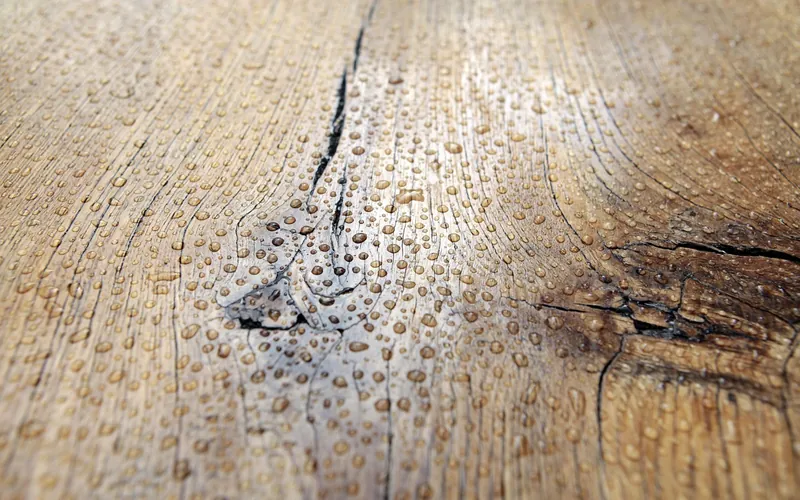
- Water sprinkle test: Flick a few drops of water on the top face. Thompson’s calls the surface ready if the water absorbs and darkens it within five seconds. Drops that sit in beads mean the board is not ready. Test several spots, including a shaded board and one from the middle of the stack.
- Meter spot check: Compare your readings with the limit printed on your stain label, and remember the over-reading problem above.
- Offcut test patch: Stain a scrap or hidden board with the exact product, wait the label’s dry time (48 hours for Thompson’s sealer), then check that it soaked in evenly instead of sitting in a film.
Wait Time by Situation
These ranges are commonly quoted by retailers and contractors, not lab results. Use them to plan, and use the checks above to decide.
| Situation | Commonly quoted wait | What speeds or slows it | Confirm with |
|---|---|---|---|
| Kiln-dried after treatment (KDAT) | Days to a few weeks | Let boards acclimate outdoors first | Sprinkle test |
| Wet-treated, warm, dry and sunny | About 2 to 6 weeks | Airflow around every board | Sprinkle test, then meter |
| Wet-treated, moderate climate | About 4 to 8 weeks | Sun exposure and air circulation | Sprinkle test, then meter |
| Wet-treated, cool, damp or shaded | 3 to 6 months or longer | Stacked tight or wrapped boards stay wet longer | Sprinkle test, then meter |
Dry is only half the preparation. Ready Seal’s instructions say smooth-milled and pressure-treated lumber needs a wood brightener or similar product to open the pores of the wood and remove mill glaze before staining, and boards that have weathered to gray also need cleaning first. Our guide on how to stain a pressure-treated deck walks through the cleaning step.
Weather Window for the Day You Stain
Even perfectly dry wood can be ruined by the wrong day. These limits come from the Thompson’s WaterSeal page, and other products set their own, so check your can.
- Surface and air temperature above 50F while you apply and for 48 hours afterward.
- No rain forecast within 24 hours of application.
- At least 48 hours of dry time after the coat.
What Happens If You Stain Too Soon
Wood that has not dried enough tends to leave the stain sitting on the surface instead of soaking in, which is how Ready Seal describes the result. On a deck that usually means blotchy color, because wetter boards take less stain, and a surface layer that wears faster under foot traffic. The fix is slow: let the wood dry, remove the surface stain, and recoat. Waiting is cheaper.
Next Steps: Choose and Apply the Stain
Once the sprinkle test passes, pick a stain type with oil-based vs water-based stain, then follow how to apply stain on a deck for brush, roller and sprayer technique. When the stain has cured, sealing stained wood covers the topcoat question.
Frequently Asked Questions
Can you stain pressure treated lumber right away?
Usually no. Thompson’s WaterSeal says to allow 30 days on new pressure treated lumber, and Ready Seal asks for wood at 12% moisture or below. Lumber sold as kiln-dried after treatment (KDAT) can be much closer to ready, but run the water sprinkle test before you open the can.
How long should new pressure treated wood dry before staining?
Treat 30 days as the label floor and 3 to 6 months as the common real-world range for wet-treated boards. Warm, dry, sunny weather with airflow around every board shortens the wait, while cool, damp or shaded conditions stretch it. Let the sprinkle test decide, not the calendar.
What moisture reading means pressure treated wood is ready to stain?
It depends on the stain label. Ready Seal asks for 12% or below, many guides use 15%, and KDAT lumber is generally dried to about 19% or less before sale. Check your can first. Because meters tend to read high on treated lumber, confirm any borderline reading with the sprinkle test.
Can you trust a moisture meter on pressure treated wood?
Only partly. Pin meters measure electrical conductance, and a USDA Forest Service study found ACQ treatment raised conductance in southern yellow pine lumber, especially at higher moisture levels. Take several readings, watch the trend over weeks, and confirm with the water sprinkle test.
What happens if you stain pressure treated lumber too soon?
The stain tends to sit on the surface instead of soaking in, which is how Ready Seal describes applying its stain to wood that has not dried. Expect uneven color and a finish that wears early, and you may need to clean off the surface stain and recoat after the wood dries.
Bottom Line
Stain pressure-treated lumber when it passes your label’s test, not on a fixed date. Plan on at least 30 days, expect 3 to 6 months in damp or shaded spots, and confirm with the five-second water test because meters can over-read on treated wood.
Sponsored / affiliate links. As an Amazon Associate I earn from qualifying purchases. I may earn additional commission from eligible campaigns.