Can I Use Whatever Brush for a Stain The Ultimate Mistake
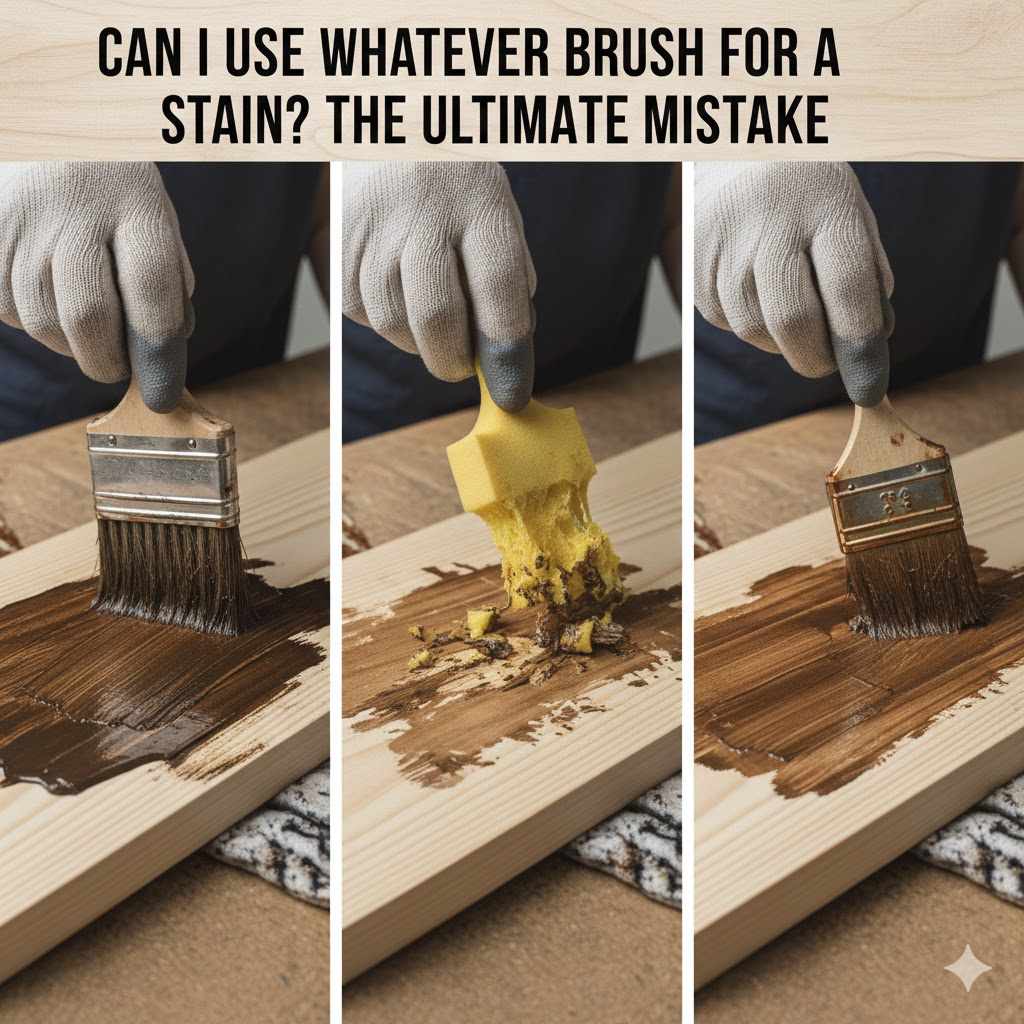
Using just any old brush for stain is a common mistake that leads to a streaky, blotchy finish. For professional results, you must match your brush to your stain type. Use a natural bristle brush for oil-based stains and a synthetic bristle brush for water-based stains. This single choice will dramatically improve your project’s final look.
Have you ever spent hours sanding and prepping a beautiful piece of wood, only to have the stain turn into a streaky mess? It’s frustrating. You might blame the stain or even your own skills. But the real problem could be something much simpler: the brush in your hand. So many DIYers grab whatever is cheapest or closest, not knowing it’s sabotaging their work from the very first dip.
Don’t worry, this is one of the easiest woodworking mistakes to fix. You don’t need to be an expert to get a stunning, professional-looking finish. In this guide, I’ll walk you through everything you need to know about choosing the perfect applicator for your stain. We’ll make this simple, clear, and foolproof. Let’s get you on the path to a flawless finish!
Why Your Brush Choice Matters More Than You Think
Imagine trying to eat soup with a fork. You might get a few drops, but it would be a slow, messy, and frustrating process. Using the wrong brush for stain is very similar. It’s not just about getting the stain from the can to the wood; it’s about how it gets there. The right brush is designed to work with your specific stain to deliver a smooth, even coat.
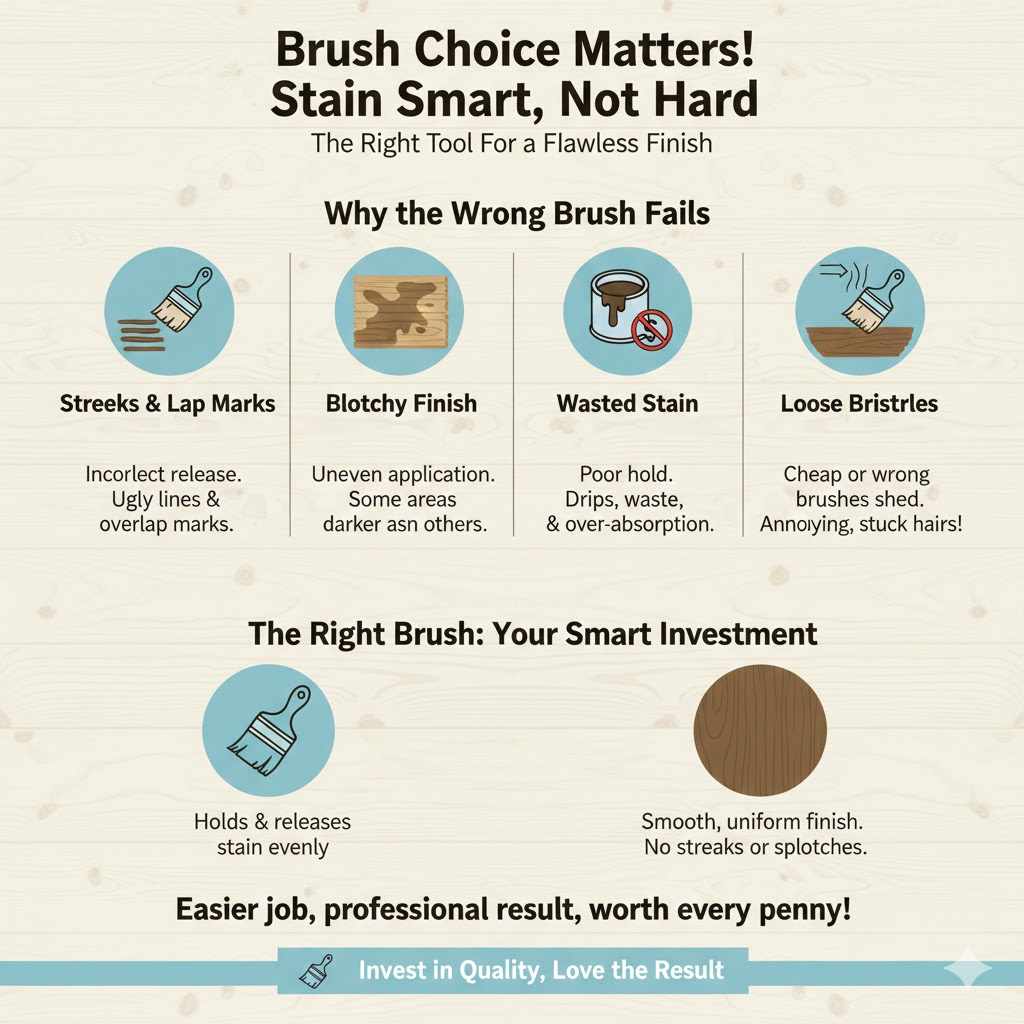
When you use the wrong brush, you can expect a few problems:
- Streaks and Lap Marks: The brush may not hold or release the stain properly, leaving ugly lines where your strokes overlap.
- Blotchy Finish: An incompatible brush can apply the stain unevenly, causing some areas to look much darker than others.
- Wasted Stain: A poor-quality or incorrect brush might not hold stain well, leading to drips and waste. Or it might absorb too much, so you use more than you need.
- Loose Bristles: Cheap or incorrect brushes often shed their bristles, leaving them stuck in your beautiful finish. Picking them out is a delicate and annoying task!
Choosing the right brush isn’t about being a professional; it’s about making your job easier and getting a result you can be proud of. A small investment in the right tool pays off big time in the final look of your project.
Understanding Stain Types: The First Step to Choosing Your Brush
Before you can even think about a brush, you have to know what kind of stain you’re working with. Stains generally fall into two main categories: oil-based and water-based. The liquid that carries the color pigments (the “base”) is what determines which brush you need.
It’s very easy to tell which you have. Just look at the can! The label will clearly say “oil-based” or “water-based.” It will also list the cleanup instructions. If it says to clean with “mineral spirits” or “paint thinner,” it’s oil-based. If it says “soap and water,” it’s water-based.
Here’s a quick comparison to help you understand the difference:
| Feature | Oil-Based Stain | Water-Based Stain |
|---|---|---|
| Solvent (Base) | Petroleum distillates (mineral spirits) | Water |
| Drying Time | Slow (6-24 hours) | Fast (1-3 hours) |
| Odor | Strong chemical smell | Low odor |
| Cleanup | Mineral spirits or paint thinner | Soap and water |
| Best Brush Type | Natural Bristle | Synthetic Bristle |
The base is the key. Oil and water don’t mix, and this simple rule extends to your brushes. An oil-based stain needs a brush that works well with oil, and a water-based stain needs a brush that isn’t afraid of water.
Natural vs. Synthetic Bristles: The Great Brush Debate
Now that you know your stain type, you can choose your brush. The bristles are the most important part. They come in two main types: natural and synthetic. This is where most beginners make their big mistake.
Natural Bristle Brushes: The Choice for Oil-Based Stains
Natural bristle brushes are made from animal hair, most commonly hog or badger hair. Think of these bristles like your own hair. They have very fine, split ends, often called “flags.” These flags are fantastic for holding onto thick, oil-based products.
When you dip a natural brush into an oil-based stain, the bristles soak it up evenly. As you apply it to the wood, the stain flows off the brush smoothly and consistently. This gives you that beautiful, hand-rubbed look without a lot of effort.
The one time you must NOT use a natural bristle brush is with water-based stains. Just like your hair gets limp and floppy when wet, so do natural bristles. They will absorb the water from the stain, lose all their shape, and become completely useless for applying an even coat.
- Pros: Holds more oil-based product, provides a super smooth finish, durable if cared for properly.
- Cons: More expensive, requires mineral spirits for cleanup, ruined by water-based products.
Synthetic Bristle Brushes: Perfect for Water-Based Stains
Synthetic bristle brushes are made from man-made materials like nylon and polyester. They are engineered specifically to overcome the weaknesses of natural bristles. These filaments are smooth, don’t have split ends, and most importantly, they do not absorb water.
This makes them the perfect tool for any water-based product. A synthetic brush will hold its shape and stiffness when used with water-based stains, allowing you to apply a crisp, even coat. They are also incredibly durable and easy to clean with just soap and water.
While they are designed for water-based stains, you can use a high-quality synthetic brush with oil-based stains, too. They won’t perform quite as smoothly as a natural brush, but they get the job done. This makes them a versatile choice if you only want to own one set of brushes.
- Pros: Excellent for water-based products, easy to clean, holds its shape, durable, and often more affordable.
- Cons: Can sometimes leave brush marks with thicker oil-based stains if not used carefully.
Here’s a simple table to help you remember:
| Brush Type | Best For | Why It Works | Avoid With |
|---|---|---|---|
| Natural Bristle (Hog Hair) | Oil-Based Stains & Finishes | Bristles have “flags” that hold oil well and apply it smoothly. | Water-Based Stains (They go limp and useless). |
| Synthetic Bristle (Nylon/Polyester) | Water-Based Stains & Finishes | Filaments do not absorb water, keeping the brush firm and effective. | Can be used with oil, but not as smooth as a natural brush. |
Beyond Bristles: Other Great Applicators for Staining
Sometimes, a traditional brush isn’t the best tool for the job. Depending on your project, you might get better results with one of these simple applicators.
Foam Brushes
These are the inexpensive, black foam brushes you see in every hardware store. They are great for small projects, touch-ups, or testing stain colors. Since they are so cheap, you can just throw them away when you’re done, which means no cleanup!
Foam brushes are best for water-based stains. They tend to break down when used with the harsh solvents in some oil-based products. Be careful not to press too hard, as you can create bubbles in the finish or tear the foam on sharp corners.
Rags and Lint-Free Cloths
This is a classic technique, and for good reason! Wiping stain on with a rag gives you incredible control over how much stain is applied and absorbed. It’s perfect for achieving a deep, rich color and a very even finish. The key is to use a clean, soft, lint-free cloth. An old cotton t-shirt works great! Fold it into a small pad, dip it lightly into the stain, and wipe it on in the direction of the wood grain.
This method is great for both oil-based and water-based stains. According to the Utah State University Extension, controlling the amount of stain wiped off is key to a uniform color, which is exactly what the rag method excels at.
Staining Pads
Staining pads are like a mix between a brush and a rag. They are usually a block with a handle and a soft, absorbent applicator pad on the bottom. They are designed for large, flat surfaces like tabletops, decks, and floors. They soak up a lot of stain and allow you to cover big areas quickly and evenly. They are a fantastic choice for making fast work of a big job.
Step-by-Step Guide: How to Choose the Perfect Applicator for Your Project
Ready to pick your tool? Just follow these simple steps, and you’ll get it right every time.
Step 1: Check Your Stain Can. This is the most important step! Read the label to see if your stain is oil-based or water-based. This narrows down your bristle choices immediately.
Step 2: Look at Your Project. What are you staining? A huge deck needs a different tool than a delicate, carved picture frame. Is the surface flat or detailed?
Step 3: Match the Tool to the Job. Use the chart below to find the best applicator for your specific project. This makes the decision easy!
| Project Type | Recommended Applicator(s) | Pro Tip |
|---|---|---|
| Large Flat Surfaces (Decks, Floors, Tabletops) | Staining Pad, Large Natural/Synthetic Brush | A staining pad is fastest for these jobs. Use a brush for cutting in around the edges first. |
| Furniture with Legs and Spindles (Chairs, Tables) | Lint-Free Rag, Small/Medium Brush | A rag is perfect for wiping stain onto rounded parts. Use a small brush to get into tight corners. |
| Detailed or Carved Items (Trim, Picture Frames) | Small Artist’s Brush, Foam Brush | Precision is key here. A smaller applicator gives you more control to avoid drips and pools. |
| General Woodworking Projects (Bookshelves, Cabinets) | 2-3 inch Natural/Synthetic Brush, Rag | A good quality brush is your best all-around tool. Keep a rag handy to wipe off any excess. |
Step 4: Inspect Your New Brush. Before you dip it in the stain, give it a quick check. Fan out the bristles and pull on them gently to remove any loose ones. You can also smack the brush against your hand a few times. It’s better to get loose bristles out now than to pick them out of your wet stain later!
Pro Tips for a Flawless Stain Application
Choosing the right brush is half the battle. Here are a few extra tips to ensure your project looks like it was done by a pro.
- Test, Test, Test! Never apply stain directly to your main project first. Always test your stain and your applicator on a scrap piece of the same wood or on a hidden area (like the underside of a table). This lets you see the final color and check for any application issues.
- Don’t Drown Your Brush. A common mistake is to load the brush with too much stain. Dip only about one-third of the bristle length into the can. Tap the excess off on the inside of the can; don’t scrape it on the rim.
- Always Go With the Grain. Wood has a natural grain or direction. Always apply your stain in long, smooth strokes that follow the direction of the grain. This helps the stain absorb evenly and looks much more natural.
- Wipe Off the Excess. This is critical! Stain is not paint; it’s meant to soak into the wood, not sit on top of it. After you apply the stain to a section, wait a few minutes (check the can for recommendations) and then use a clean, lint-free rag to wipe off all the excess stain. This prevents a sticky, uneven finish.
The Final Step: How to Clean and Care for Your Staining Brushes
A good brush is an investment. If you clean it properly, it will last for many projects, saving you money in the long run.
Cleaning Oil-Based Stains from Brushes
This requires a solvent. Work in a well-ventilated area and wear gloves.
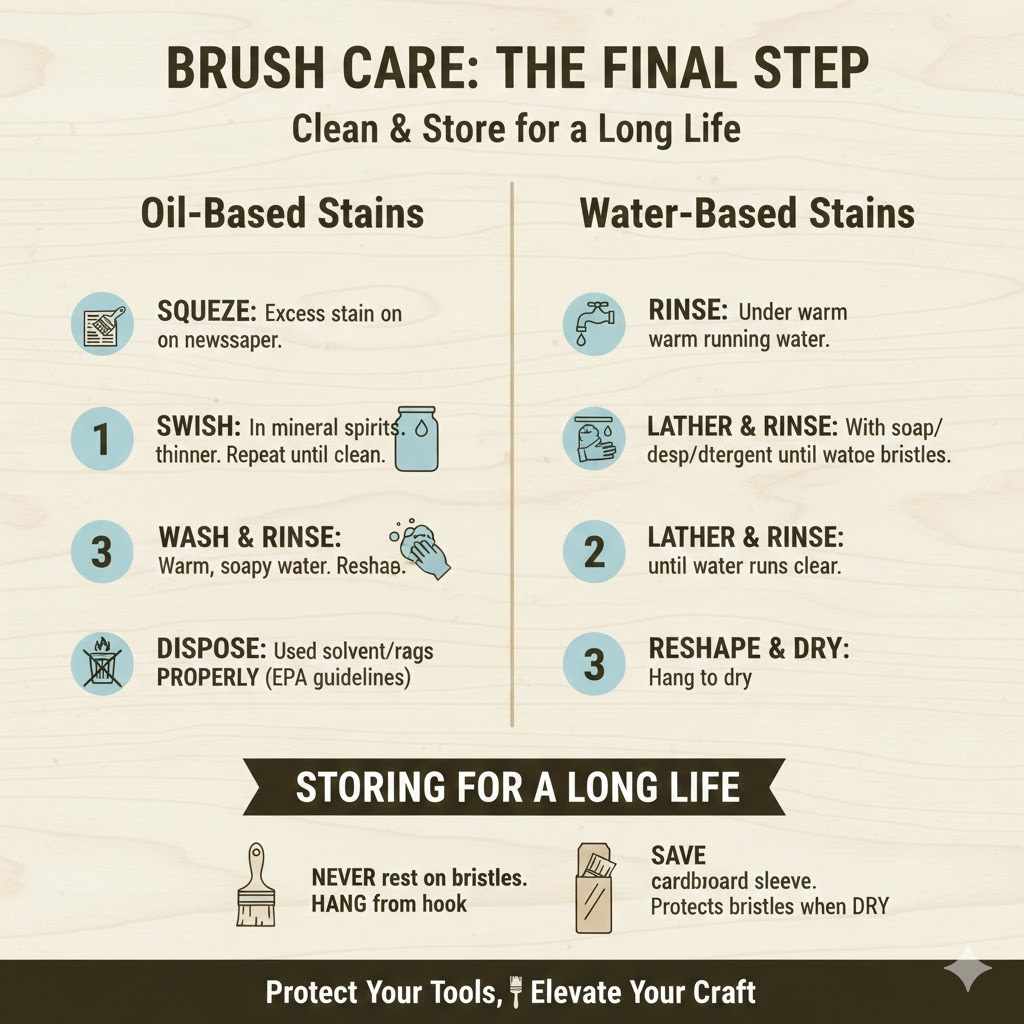
- Squeeze out as much excess stain as you can on some newspaper.
- Pour a small amount of mineral spirits or paint thinner into a clean jar or container.
- Swish the brush in the solvent, pressing the bristles against the side to work the stain out.
- Repeat with fresh, clean solvent until the brush is clean.
- Wash the brush with warm, soapy water, rinse thoroughly, and shake out the excess water.
- Reshape the bristles and hang the brush to dry.
Always dispose of the used solvent and rags properly. Many oil-soaked rags can spontaneously combust, so it’s critical to follow safe disposal guidelines. According to the Environmental Protection Agency (EPA), household hazardous waste needs to be handled with care.
Cleaning Water-Based Stains from Brushes
This is much simpler and safer!
- Squeeze out any excess stain.
- Rinse the brush under warm running water.
- Add a little soap or detergent and work it into the bristles with your fingers.
- Rinse thoroughly until the water runs clear.
- Shake out the excess water, reshape the bristles, and hang the brush to dry.
Storing Your Brushes for a Long Life
Never store a brush resting on its bristles; this will bend them out of shape. The best way is to hang it from a nail or hook. If your brush came with a cardboard cover, save it! After the brush is completely dry, slide the cover back on to protect the bristles and keep them perfectly shaped for your next project.
Frequently Asked Questions About Staining Brushes
Can I use a regular paint brush for stain?
Yes, absolutely! But it has to be the right kind of paint brush for your stain. If you are using an oil-based stain, use a natural bristle paint brush. If you are using a water-based stain, use a synthetic (nylon/polyester) paint brush.
What happens if I use a natural bristle brush with water-based stain?
The natural bristles will absorb the water from the stain, becoming very soft, limp, and clumped together. It will be like trying to paint with overcooked spaghetti. You will not be able to apply the stain evenly, and it will result in a streaky, messy finish.
Are expensive brushes really worth it for staining?
For staining, a good quality brush often makes a big difference. Expensive brushes tend to have more bristles that are shaped better, hold more stain, and release it more evenly. They also are less likely to shed. You don’t need the most expensive brush, but avoiding the cheapest ones is usually a good idea.
How many times can I reuse a staining brush?
If you buy a quality brush and clean it thoroughly and properly after each use, you can reuse it for dozens of projects. A well-cared-for brush can last for years.
Can I use a foam brush with oil-based stain?
You can, but it’s not ideal. The strong solvents in some oil-based stains can cause the foam to break down or dissolve, especially during a long project. They are much better suited for water-based stains or very small, quick jobs with oil-based stain.
What’s the best way to avoid brush strokes in my stain?
First, use the right brush! Second, apply a thin, even coat of stain in the direction of the wood grain. The most important step is to wipe off all the excess stain with a clean rag after letting it sit for a few minutes. Stain isn’t like paint; the final color comes from what soaks in, not what sits on top.
My brush is shedding bristles in the finish. What should I do?
If you see a loose bristle, it’s best to get it out immediately while the stain is still wet. Use a pair of tweezers or the very tip of a utility knife to carefully pick it out. To prevent this, always prep a new brush by combing through it with your fingers and pulling gently to remove any loose bristles before you start.
Conclusion: The Small Choice That Makes a Big Difference
So, can you use whatever brush you want for stain? As you now know, the answer is a clear “no.” It might seem like a small detail, but matching your brush to your stain is one of the most effective things you can do to guarantee a beautiful, professional-looking result. It’s a simple rule that separates amateur results from stunning craftsmanship.
Remember the simple secret: natural bristle brushes are for oil-based stains, and synthetic bristle brushes are for water-based stains. By following this one guideline and using the tips we’ve covered, you’ll avoid the frustration of a streaky, blotchy finish. You’ll work more efficiently, waste less stain, and create projects you can truly be proud of. Now, go grab the right brush and give that piece of wood the gorgeous finish it deserves!