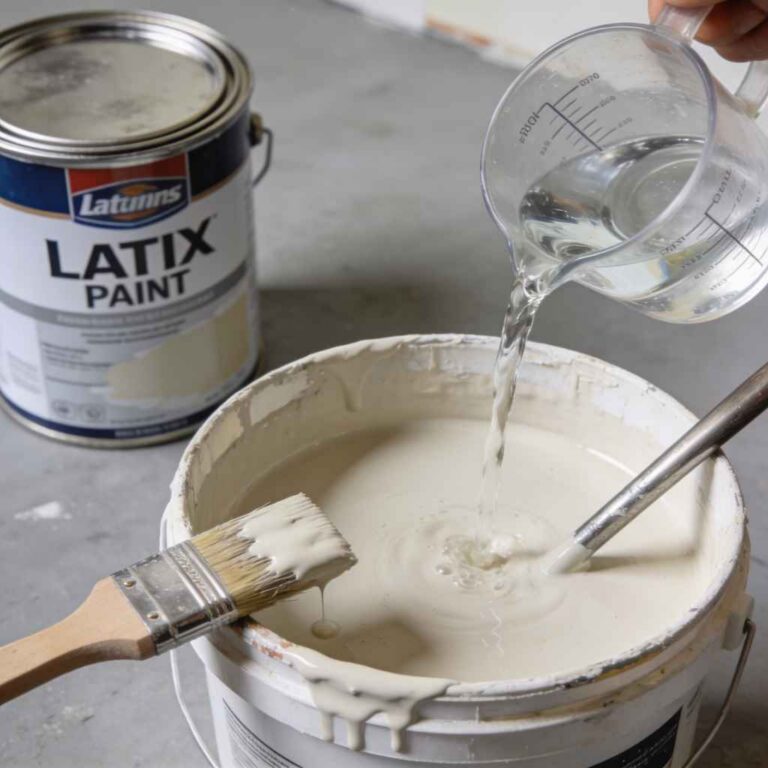
Can Latex Paint Be Frozen Local Storage Tips
Can Latex Paint Be Frozen Storage Tips
Understanding how freezing affects latex paint is key to knowing how to prevent damage. Latex paint is water-based. When water freezes, it expands.
This expansion can break apart the binders and pigments in the paint. These are the parts that make paint stick and give it color. If the paint’s structure is broken, it won’t mix back together correctly.
This means it might not go on the wall smoothly. It could also look clumpy or uneven. Protecting your paint means keeping it from reaching freezing temperatures.
This is important for both short-term and long-term storage.
The Science Behind Freezing Latex Paint
Latex paint is a suspension. It has small plastic particles called binders suspended in water. It also has pigments for color and other additives.
When the temperature drops below freezing (32 degrees Fahrenheit or 0 degrees Celsius), the water in the paint starts to turn into ice crystals. As these ice crystals form, they grow larger. This expansion pushes the binder particles and pigments apart.
Think of it like water expanding when it freezes in a pipe. It can burst the pipe. For paint, this internal disruption is serious.
It can permanently damage the paint’s ability to form a solid, smooth film.
The binder is what holds the pigment particles together and makes the paint adhere to surfaces. When the binder structure is damaged by ice crystals, the paint loses its binding power. This means the dried paint film might be weak.
It could be prone to cracking or peeling. The pigment particles may also clump together. This makes it hard to mix the paint back to its original, smooth consistency.
What Happens to Paint After Freezing
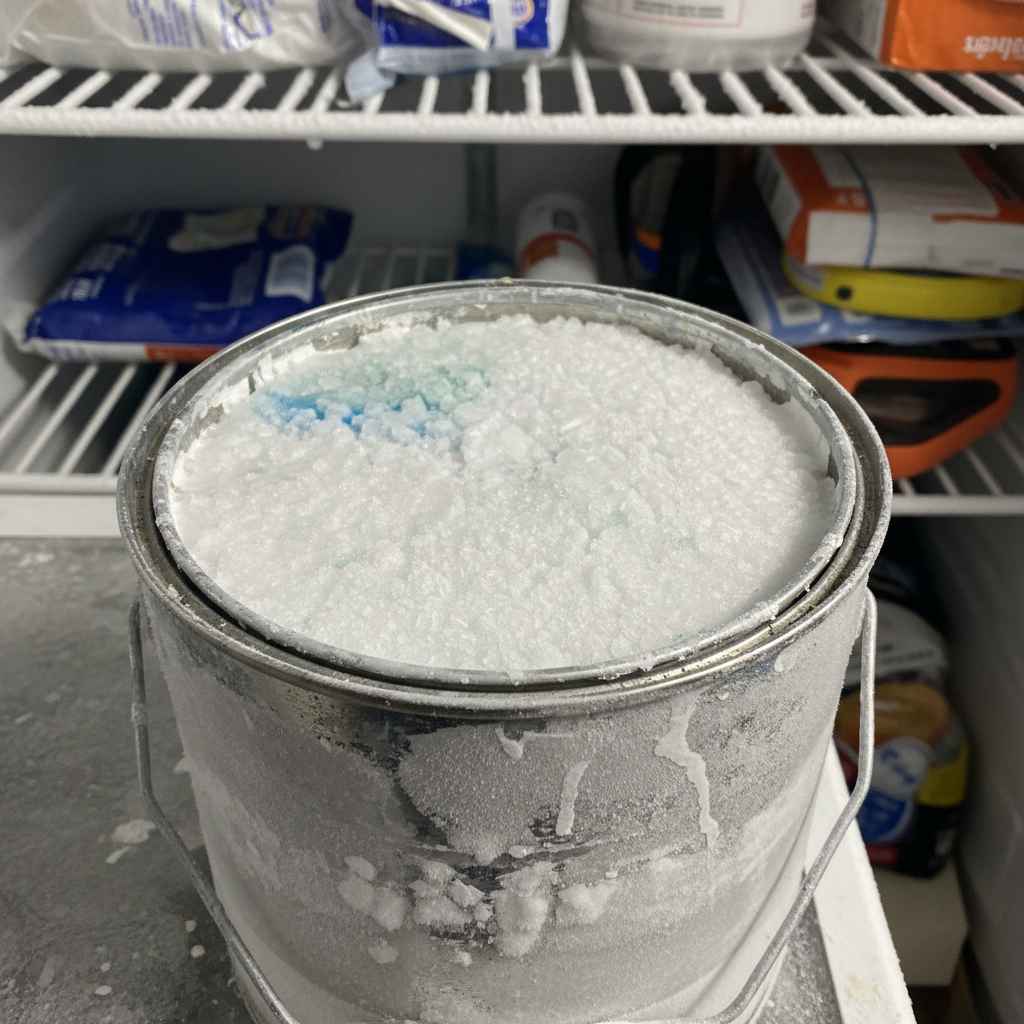
If latex paint freezes, you might notice several changes. The paint can thicken significantly. It might look lumpy or curdled.
Sometimes, a layer of watery liquid can separate from the solid paint. This is a sign that the emulsion has broken. You might also see that the paint no longer mixes smoothly.
Even after thawing and vigorous stirring, it might remain uneven. This unevenness can show up on your walls as streaks or patches. The paint’s ability to cover surfaces might also be reduced.
It might not provide the same smooth finish.
It’s not always obvious if paint has frozen and been damaged. Some minor freezing and thawing cycles, especially if brief, might not cause permanent harm. However, repeated freezing or prolonged exposure to freezing temperatures is much more likely to ruin the paint.
The key is to prevent it from getting cold enough to freeze in the first place. Proper storage is the best defense.
Signs of Damaged Latex Paint
You can often tell if latex paint has been damaged by freezing by looking and feeling it. Check for a thick, rubbery texture. It might feel like cottage cheese or have small, hard lumps.
If you see a clear separation, with water on top and a solid mass below, that’s a bad sign. When you try to stir it, it might not smooth out. It could remain gritty or stringy.
The color might also look duller or uneven after mixing.
Even if it looks okay, a paint that has frozen might not perform well. It might not adhere to surfaces properly. The finish could be less durable.
It might also be more prone to issues like mildew growth later on. For best results, it’s wise to avoid using paint that you suspect has frozen. Investing in new paint is often cheaper than dealing with paint failures.
Local Storage Tips for Latex Paint
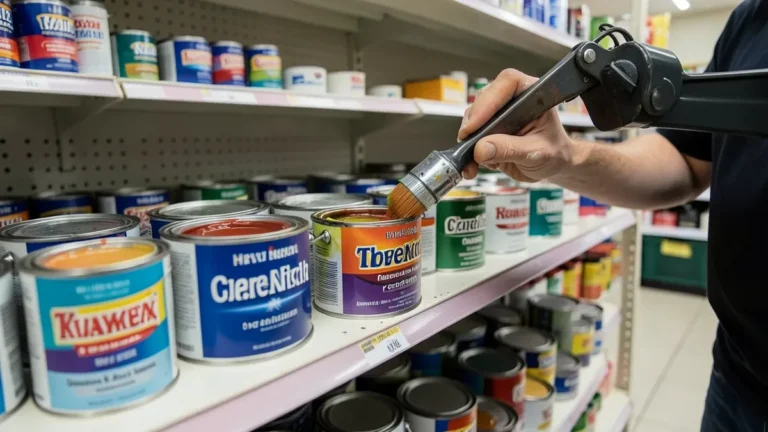
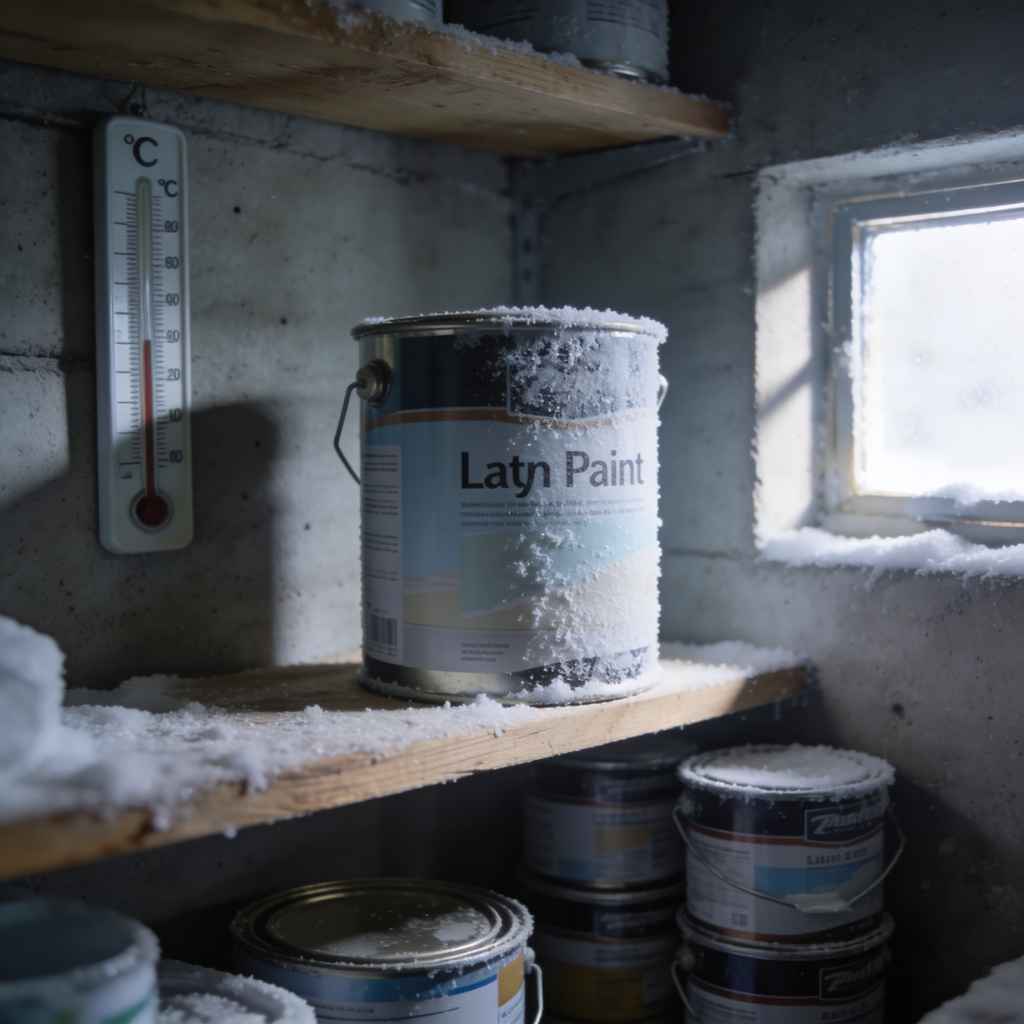
Storing latex paint correctly is essential to prevent it from freezing. The goal is to keep it in a place where the temperature stays above 32 degrees Fahrenheit (0 degrees Celsius). This means avoiding garages, sheds, and unheated basements during cold months.
Ideal storage spots are inside your home, in climate-controlled areas. Think about closets, basements that stay warm, or storage rooms. When storing paint, make sure the lid is sealed tightly.
This prevents air from getting in and moisture from evaporating, which can also affect paint quality.
Choosing the Right Storage Location
The best place to store latex paint in winter is an interior, climate-controlled space. This is usually within your heated home. A closet inside your house is a great option.
If you have a basement that stays warm year-round, that can work too. Avoid places like unheated garages or sheds. These locations experience extreme temperature changes.
They are the most likely places for paint to freeze. Even a few hours below freezing can be enough to damage the paint.
Consider temperature fluctuations. Even indoors, some spots might get colder than others. Near an exterior wall or drafty window could be risky.
Try to find a spot that maintains a consistent, mild temperature. If you live in a very cold climate, you may need to be extra careful. Keeping paint in your living space ensures it stays safe.
Tips for Sealing Paint Cans
A tight seal on your paint can is crucial. It not only keeps the paint fresh but also helps prevent it from drying out. It also stops moisture from getting in or out.
To get a good seal, clean the rim of the can. Remove any old paint drips. Then, place the lid back on.
Use a rubber mallet or a block of wood with a hammer. Tap around the edge of the lid evenly. This pushes the lid down firmly.
Another trick is to use a layer of plastic wrap over the can opening before putting the lid on. This creates an extra seal. For long-term storage, some people even put the paint can inside a larger plastic bag.
This provides an added layer of protection. Always check the seal by trying to lift the lid. It should feel very secure.
Storing Paint During Extreme Cold
When winter weather is particularly harsh, take extra precautions. If you absolutely must store paint in a garage or shed that might get cold, try to insulate it. Wrap the cans in blankets or bubble wrap.
Place them inside a sturdy box. You can even place the box inside a larger cooler. This acts as a temporary buffer against extreme cold.
However, these are temporary solutions. The best strategy is to bring any paint you want to keep inside your home. If you have a large amount of paint, consider using smaller, airtight containers.
This reduces the risk if one container is compromised. Always check the weather forecast. Plan your storage before a cold snap hits.
Can Latex Paint Be Frozen? Recovery Methods
If your latex paint has been exposed to freezing temperatures, there are a few things you can try. The most important thing is to thaw it slowly. Never use direct heat like a heater or hot water.
This can cause the paint to break down further. Let the frozen paint thaw gradually at room temperature. This might take a day or two.
Once it’s completely thawed, you can attempt to mix it.
The Thawing Process
When you discover frozen paint, bring it inside to a warm room. Do not try to force the thawing. Let it sit until it is fully liquid again.
This means no ice crystals remain. Stirring it while it’s still partially frozen will only make things worse. Patience is key during this stage.
A slow thaw is more likely to result in paint that can be salvaged.
Once the paint is completely thawed, you can begin the mixing process. Use a clean stir stick. Start by gently stirring the paint from the bottom up.
Try to incorporate any separated liquid back into the solid parts. Continue stirring until the paint looks as uniform as possible. Pay close attention to the texture.
Testing Salvaged Paint
After thawing and mixing, it’s crucial to test the paint. This helps determine if it’s still usable. Find a scrap piece of wood, cardboard, or drywall.
Apply a small amount of the thawed paint to it. Let it dry completely. Observe how it looks and feels.
Check for a smooth finish. See if there are any lumps or streaks.
If the paint dries smoothly and evenly, it might still be good for your project. However, if you notice any issues, it’s best to discard the paint. Using compromised paint can lead to a poor finish.
It might not last as long on your walls. This test is a small step that can save you a lot of trouble later.
When to Discard Frozen Paint
There are times when frozen latex paint is beyond saving. If the paint has a very strong, unpleasant odor, it’s a sign of bacterial growth. This often happens after freezing and thawing.
If the paint has separated into distinct layers that won’t mix, it has likely broken. The binder has been permanently damaged. If the paint is lumpy, gritty, or curdled even after thorough mixing, it’s not usable.
Also, if the paint develops a rubbery or solid texture that doesn’t loosen up, it’s ruined. In these cases, it’s better to dispose of the paint properly. Check with your local waste disposal services for paint recycling or hazardous waste drop-off locations.
Trying to use severely damaged paint will likely result in a failed paint job. It’s a waste of your effort and time.
Storing Latex Paint Long Term
Proper long-term storage for latex paint involves more than just avoiding freezing. It means creating an environment where the paint remains stable and usable for years. This includes sealing the can well, storing it in a consistent temperature, and keeping it upright.
Following these steps ensures your paint will be ready when you need it for touch-ups or future projects.
Ideal Temperature for Long-Term Storage
The best temperature range for storing latex paint long-term is between 50°F and 80°F (10°C to 27°C). This range is comfortably above freezing and below extreme heat. Consistent temperatures are more important than the exact number within this range.
Avoid storing paint in areas that experience wide temperature swings. This is because expansion and contraction can weaken the can and its seal.
Fluctuating temperatures can also affect the chemical composition of the paint over time. This can lead to a loss of quality. A dry, cool, dark place is ideal.
Think about a closet inside your home or a climate-controlled storage unit. Avoid attics, garages, and sheds.
Protecting Paint from Air and Moisture
Air and moisture are enemies of stored latex paint. Air can dry out the paint. It can also cause it to skin over.
Moisture can lead to rust on the can and can compromise the paint’s integrity. As mentioned before, a tight seal is the first line of defense. Clean the rim of the can.
Use a rubber mallet to secure the lid. For extra protection, consider using a sealant around the lid. Some people use plastic wrap under the lid.
Others use a special can sealer.
Storing cans upright also helps maintain the seal. If cans are stored on their sides, paint can get into the groove where the lid seals. This can prevent a tight closure when you need to re-seal it later.
Always store paint cans upright.
Organizing Your Paint Stash
Having a system for your stored paint makes it easier to find what you need. Label each can clearly. Include the color name and code.
Also, write down the room where you used it. Add the date you opened it. This helps you track its age and condition.
Keep similar colors or types of paint together. Use shelves or bins to organize your collection. This prevents cans from falling over and makes it easy to see what you have.
A well-organized paint stash saves time and frustration. It also helps you avoid buying paint you already own.
Preventing Paint Degradation Over Time
Even with perfect storage, latex paint has a shelf life. Typically, unopened latex paint can last 10 years. Once opened, its lifespan is usually around 2-5 years.
Regular checks can help you manage your paint inventory. Look for any signs of degradation. This includes unusual odors, thickening, or separation.
If you have paint that is nearing the end of its shelf life, consider using it for less critical projects first. This could be a basement, garage, or a primer coat. It’s also a good idea to have a small amount of touch-up paint.
This is much better than trying to revive old paint later.
Can Latex Paint Be Frozen? Local Storage Tips & Recovery
In summary, latex paint can be damaged if it freezes. This is because the water in the paint expands. It breaks down the paint’s structure.
To avoid this, store paint in a warm, indoor location. Always seal the lid tightly. If paint does freeze, thaw it slowly at room temperature.
Test it for lumps or separation before using. If the paint is severely damaged, it’s best to discard it. Proper storage ensures your paint stays usable for future projects.
Frequently Asked Questions
Question: Can I use frozen latex paint if it looks okay after thawing?
Answer: You can try, but it’s risky. Even if it mixes well, the paint’s binder might be weakened. This can lead to problems with adhesion and durability on your walls.
A small test patch is a good idea.
Question: How long does latex paint last if stored properly?
Answer: Unopened latex paint can last up to 10 years. Opened paint typically lasts 2-5 years. Storing it in a climate-controlled area helps it last longer.
Question: What is the best way to dispose of unusable frozen paint?
Answer: Check with your local waste management or recycling center. They can provide guidance on proper disposal of paint. Some areas have special hazardous waste drop-off days.
Question: Can I add something to frozen paint to make it usable again?
Answer: No, there is no additive that can truly repair the damage caused by freezing latex paint. The emulsion breaks, and that is permanent.
Question: Should I store paint cans upside down?
Answer: No, it’s best to store paint cans upright. Storing them upside down can cause paint to get into the rim. This makes it hard to get a good seal when you close it again.
Conclusion
Keeping latex paint from freezing is the best approach. Store it in a warm place. Seal the lid well.
If it does freeze, thaw it slowly and test it. Proper storage protects your paint and saves you money. It ensures you always have good paint ready for your next project.
Sponsored / affiliate links. As an Amazon Associate I earn from qualifying purchases. I may earn additional commission from eligible campaigns.