Can Spray Paint Be Used For Wood? Best Options Revealed
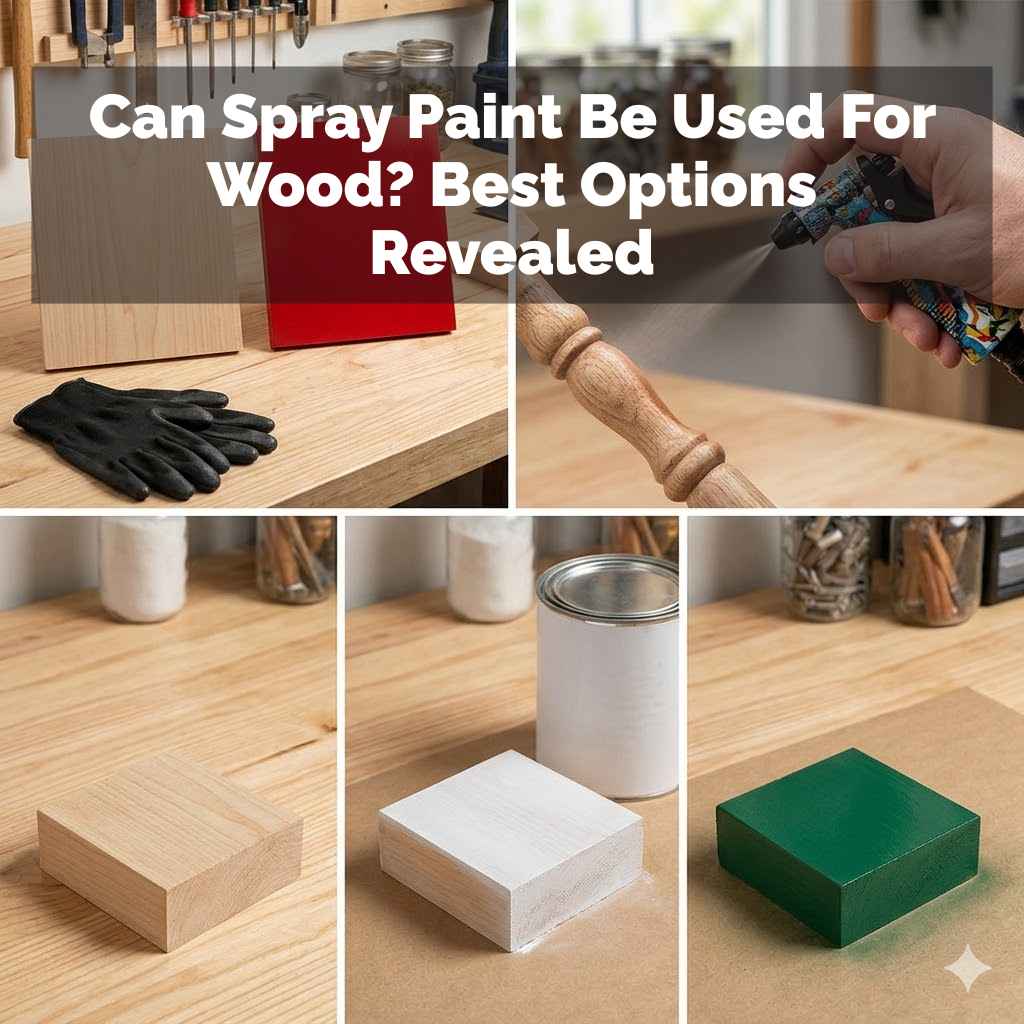
Yes, spray paint can be used for wood. It’s a popular choice for furniture, crafts, and DIY projects. Choosing the right type of spray paint and using proper preparation and application techniques are key. This ensures a smooth, durable, and attractive finish that looks professional and lasts well over time.
Understanding Spray Paint for Wood
Spray paint is paint that comes in an aerosol can. You press a nozzle. The paint sprays out in a fine mist. This mist covers the surface. It can be very handy for painting wood. Many people like it because it can be quick. It also gets into tight spots easily.
Why do people choose spray paint for wood? It can give a very smooth finish. This is especially true if you use it right. It’s great for things with many parts. Think of chairs with spindles. Or decorative wood trim. Regular brushes can leave marks. Spray paint avoids this.
However, not all spray paints are the same. Some work much better on wood than others. The type of wood also matters. Some woods have oils that can stop paint from sticking. Others are very smooth already.
The Magic of Proper Preparation
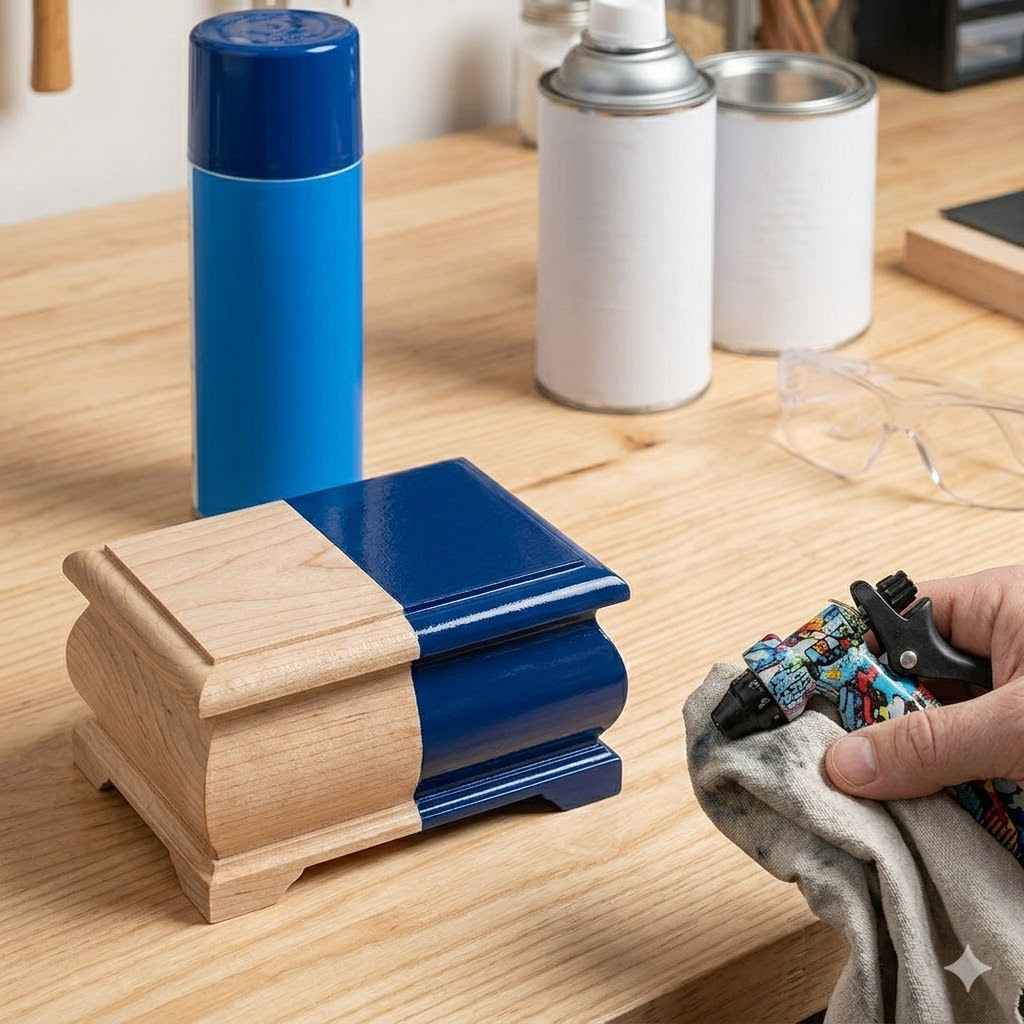
Let’s talk about preparing your wood. This step is super important. It’s like building a good foundation for a house. If you skip this, your paint job might not look good. It might even peel off later.
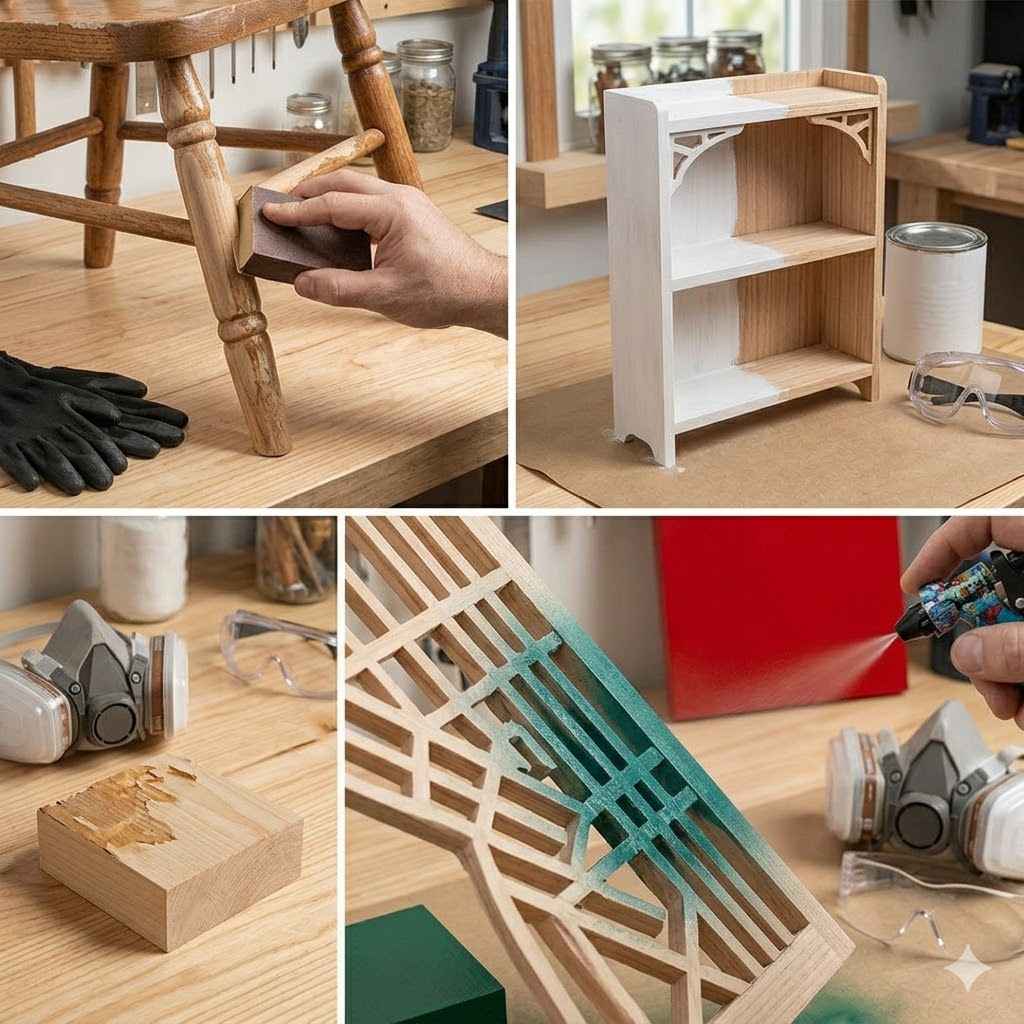
First, clean the wood. Get rid of any dust. Use a damp cloth. For older wood, you might need to clean off old wax or grease. A little bit of soap and water can help. Then, make sure it’s totally dry.
Next, you might need to sand. Sanding makes the surface a little rough. This helps the primer and paint stick better. Use sandpaper that is not too rough. A grit of 120 or 150 is usually good. After sanding, wipe away all the dust again. A tack cloth is great for this. It picks up tiny dust bits.
If the wood has holes or cracks, you should fill them. Use wood filler. Let it dry completely. Then, sand it smooth. You want the filled spot to be flat with the wood around it.
Primer: The Unsung Hero
A primer is a base coat. It goes on before your main color. Think of it as a connector. It helps the paint stick to the wood. It also makes the final color look brighter and more even.
For wood, a good primer is a must. It helps cover up stains too. Some wood can bleed through paint. A primer stops this. There are spray primers made for wood. Look for one that says it works on bare wood. Some primers also block stains.
Spray primer is easy to use. Just like spray paint. Spray thin, even coats. Let each coat dry. You might need one or two coats. Sand lightly between coats if needed. This makes the surface super smooth.
Choosing the Right Spray Paint for Wood
Not all spray paints are made equal. For wood, you want paint that sticks well. You also want it to be durable. Here are some top choices.
Best Spray Paint Types for Wood
- All-Purpose Spray Paint: Many brands offer good quality all-purpose paints. These work well on wood if you prep right. Look for names like Krylon or Rust-Oleum.
- Enamel Spray Paint: Enamel paints are known for being tough. They create a hard finish. This is great for things you use a lot, like tables or chairs. They dry very hard and resist scratches.
- Lacquer Spray Paint: Lacquer dries fast. It gives a very smooth, glossy finish. It’s often used for furniture. It can be a bit more fragile than enamel.
- Paint + Primer in One: Some spray paints have primer already mixed in. These can save a step. But for tricky woods, a separate primer is still best.
When picking a paint, check the can. Does it say it’s good for wood? Does it mention durability? Also, think about the finish you want. Do you want shiny or matte? There are many options.
My Own Experience with a Wooden Chest
I remember I had this old wooden toy chest. It was in my garage, looking sad. The wood was plain pine. I wanted to turn it into something fun for my niece’s room. I decided to use spray paint. I’d never done a big piece like that before.
First, I cleaned it up. It had some old dirt on it. Then, I sanded it down. This took a while. I made sure to get all the old varnish off. I wiped away all the dust with a damp cloth. It felt so much smoother.
Next, came the primer. I used a spray primer. I did it outside. The smell was strong. I put on two thin coats. I waited for each to dry. Then, I sprayed the main color, a bright pink. I did three light coats. The chest looked amazing! It was a smooth, even color. Much better than I expected. It proved to me that spray paint could be a great choice for wood.
Applying Spray Paint Like a Pro
Applying spray paint takes practice. But there are simple rules. Follow these, and your job will look much better.
Work in a well-ventilated area. Outdoors is best. If inside, open windows. Wear a mask to avoid breathing fumes. Protect the area around your project. Cover floors and furniture with drop cloths.
Shake the can well. Do this for about two minutes. This mixes the paint and propellant. Hold the can upright. Keep it about 10 to 12 inches from the wood. Start spraying before you reach the wood. Move the can in a steady motion. Stop spraying after you pass the wood.
Use thin coats. This is very important. Thick coats can drip. They can also look uneven. It’s better to do several light coats. Let each coat dry for the time shown on the can. Usually, this is about 10-15 minutes.
If you see drips, stop. Let them dry. Then, gently sand them smooth. Wipe away the dust. Apply another thin coat. Don’t try to fix a drip when the paint is wet.
Spray Painting Tips for a Smooth Finish
Test Spray First: Always do a test spray on cardboard. This helps you get the right distance and pressure.
Consistent Motion: Move your hand smoothly. Don’t stop in the middle of a stroke.
Even Coats: Aim for a light, even mist. Overlap each stroke slightly.
Dry Time Matters: Wait for the paint to dry between coats. This prevents runs and peeling.
Watch for Runs: If you see drips, stop. Let them dry and fix them later.
Sealing Your Spray-Painted Wood
After your final coat of paint is dry, you might want to add a sealer. This is also called a topcoat or clear coat. It adds extra protection. It makes the paint tougher. It also gives it a certain shine, if you choose a glossy one.
You can get spray sealers. They work just like spray paint. Make sure the sealer is compatible with your paint. Most acrylic or enamel spray paints work well with clear acrylic or enamel sealers.
Apply the sealer in thin coats. Just like the paint. Let it dry completely between coats. This step really helps your project last longer. It protects against chips and scratches.
For wood that will get a lot of use, like a tabletop, a good sealer is very important. It adds a strong layer of defense. It keeps your hard work looking good for years.
Different Types of Wood and Paint Behavior
The type of wood you’re painting can affect how the spray paint works. Some woods are easier than others.
Wood Types and Spray Paint Considerations
Pine: This is a soft wood. It’s common and easy to find. It can sometimes have knots that bleed through paint. Using a stain-blocking primer is a good idea for pine.
Oak: Oak is a hard wood. It has a strong grain. It usually takes paint well. You might need to fill the large pores if you want a super smooth finish. Sanding helps here.
Maple: Maple is another hard wood. It’s very smooth. It paints up nicely. Make sure it’s clean and free of any oils or sap.
MDF (Medium-Density Fiberboard): MDF is a man-made wood product. It’s very smooth. It soaks up paint like a sponge. You’ll need a good primer. Sometimes two coats of primer are best. It can be heavy. Spray paint works well on MDF for a smooth look.
Plywood: Plywood can have a rougher surface. Sand it well. The layers can sometimes show through if not covered. A good primer and a few paint coats usually fix this.
Woods that have natural oils, like cedar or redwood, can be tricky. These oils can seep through paint. A high-quality stain-blocking primer is a must. You might need two coats of primer on these woods.
Real-World Scenarios: Where Spray Paint Shines on Wood
Spray paint is used in many places for wood. It’s not just for hobby projects. It’s common in homes and businesses.
Think about furniture. An old dresser can get a new life. Instead of buying new, spray paint it a bold color. It’s faster than brushing. It gives a factory-like finish.
Craft projects are another big area. Wood signs, picture frames, and decorative boxes. Spray paint makes them look professional. It covers intricate details perfectly.
You also see it on wooden trim. Like baseboards or window frames. Spraying them can be faster than rolling or brushing. It’s good for getting into corners and edges.
Even some outdoor wood items can be spray painted. But you need to choose paint made for outdoors. It needs to handle sun and rain. A good sealer is even more important for outdoor items.
When is Spray Paint Not the Best Choice for Wood?
While spray paint is great, it’s not always the perfect fit. There are times when other methods are better.
If you need a very thick coat of paint, spray paint might not be ideal. It’s meant for thin, even layers. Trying to build up thick coats can lead to drips. It can also be very expensive for large areas.
For very large, flat surfaces like a whole wall of wood paneling, brushing or rolling might be more practical. You can cover more area faster. And it might be cheaper.
If your wood project has a lot of deep gouges or damage, spray paint won’t hide that. You’ll need to repair it first. Brush-on paint can sometimes fill minor imperfections better.
Also, if you’re aiming for a very specific artistic finish, like visible brush strokes or a textured look, spray paint might be too smooth. It tends to create a uniform surface.
Spray Paint vs. Brush Paint on Wood: When to Choose
Spray Paint is Best For:
- Small items and furniture
- Complex shapes and tight spots
- Achieving a very smooth, uniform finish
- Quick projects
Brush Paint is Best For:
- Very large surfaces
- Building up thick coats
- Hiding minor imperfections
- Creating specific textures or brush stroke effects
- When fumes are a major concern (some brush paints are low-VOC)
What This Means for Your Wood Projects
Knowing when and how to use spray paint for wood is helpful. It can save you time and effort. It can also give you great results that look like you hired a pro.
For most common DIY wood projects, spray paint is a fantastic option. Think about small furniture pieces, picture frames, craft items, or even cabinets. The key is always preparation.
If you’re painting something that will get a lot of wear, like a tabletop or a child’s toy, be sure to use a good primer and a durable topcoat. This extra step will make your paint job last much longer.
Don’t be afraid to experiment. Start with a small, less important piece if you’re new to it. Practice your spraying technique. You’ll get the hang of it quickly.
Quick Tips for Success
Here are some simple things to remember for your spray painting projects.
Ventilation is Key: Always spray in a well-aired space. It’s safer for you.
Thin Coats are King: Resist the urge to spray thick. It’s better to do three thin coats than one thick one.
Clean Up Right Away: If you get paint on something you didn’t mean to, clean it up while it’s still wet. This is much easier.
Read the Can: Always read the instructions on the spray paint can. They have specific advice for that product.
Let it Cure: Paint needs time to fully harden. This is called curing. It can take several days. Be gentle with your painted items during this time.
Frequently Asked Questions About Spray Painting Wood
Q: Can I spray paint over stained wood?
Click to reveal answer
Yes, but proper prep is essential. Clean the wood thoroughly. Then, lightly sand it. Apply a good quality stain-blocking primer. Once the primer is dry, you can spray your color coat. This prevents the stain from bleeding through.
Q: How many cans of spray paint do I need for a small table?
Click to reveal answer
For a small table, like an end table, one to two cans of spray paint is usually enough. This depends on the size and how many coats you apply. It’s always better to have a little extra than to run out mid-project.
Q: Can I spray paint directly onto varnished wood?
Click to reveal answer
It’s not recommended to spray paint directly over varnish without prep. Varnish is a smooth surface. Paint won’t stick well. You need to sand the varnish to roughen it up. Or, a better option is to remove the varnish completely before painting.
Q: Does spray paint chip easily on wood?
Click to reveal answer
Spray paint can chip if the wood wasn’t prepped well. Or if no primer or topcoat was used. Using a good primer and a durable topcoat on well-prepared wood makes the paint much more resistant to chipping. Proper curing time is also important.
Q: Can I use spray paint on outdoor wooden furniture?
Click to reveal answer
Yes, you can. Choose spray paints that are labeled for outdoor use. These paints are made to withstand weather. You will also need to use a clear sealant designed for outdoor use. This adds extra protection against sun and rain.
Q: How do I get rid of overspray on other surfaces?
Click to reveal answer
Overspray is tiny paint particles that travel through the air. If it lands on surfaces while wet, it can sometimes be wiped away with a damp cloth or a mild cleaner. If it dries, you might need to use a painter’s solvent or very fine sandpaper. Always protect surrounding areas with drop cloths!
Final Thoughts on Spray Painting Wood
Spray painting wood is a fantastic technique. It can transform old items. It gives a smooth, professional look. Remember to prepare your wood well. Use a good primer. Apply thin coats of paint. Add a clear sealer for extra strength. You can achieve beautiful results with a little care and patience.
Sponsored / affiliate links. As an Amazon Associate I earn from qualifying purchases. I may earn additional commission from eligible campaigns.