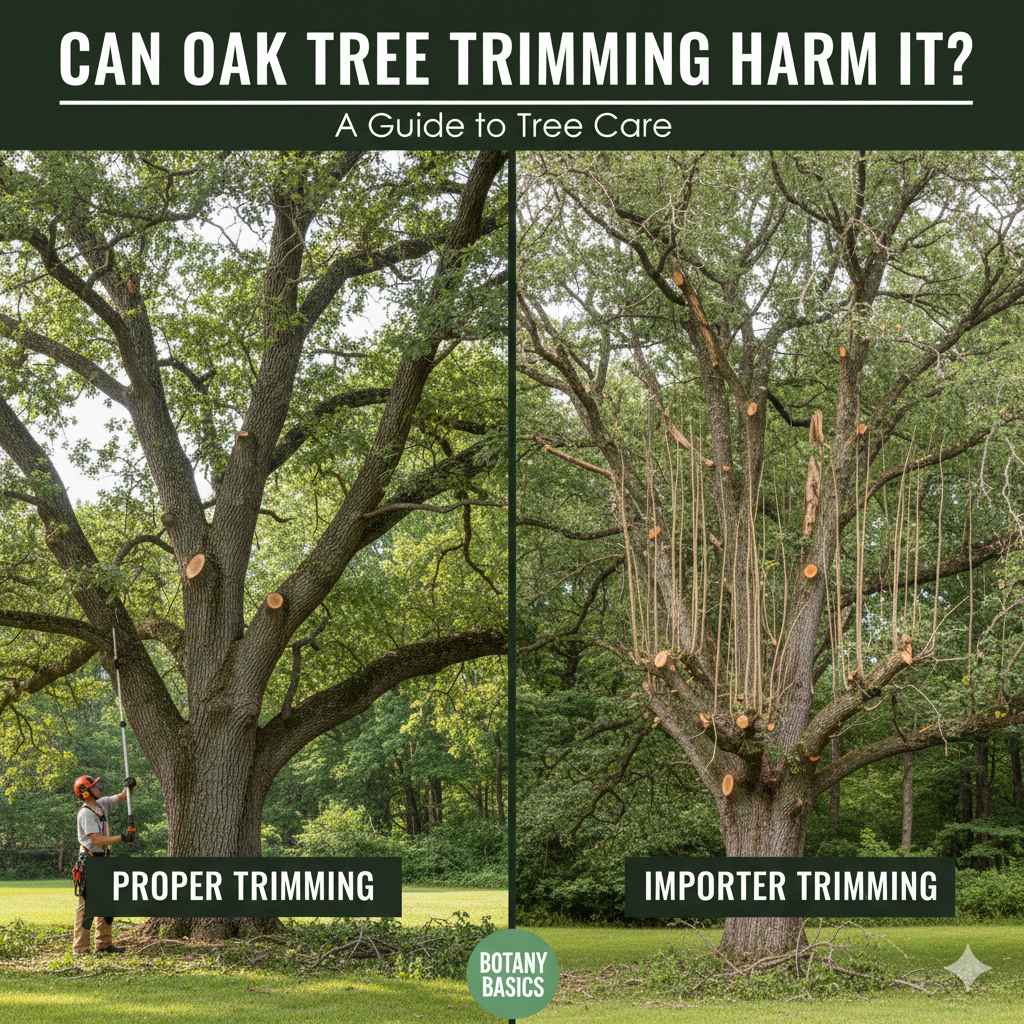
Can Oak Tree Trimming Harm It? A Guide to Tree Care
Thinking about trimming your oak tree? You might be wondering, Can You Kill an Oak Tree by Trimming It? It’s a question many people have, especially when they’re new to tree care. Oak trees can be a bit sensitive, and doing the wrong thing can cause problems. Don’t worry, we’re here to help! We’ll explore the best ways to trim an oak tree safely. We’ll show you what to do to keep your tree healthy and strong, step by step. Next, we’ll get started with the basics of oak tree care!
Oak Trees and Why Trimming Matters
Oak trees are magnificent trees, known for their strength and longevity. However, they aren’t invincible, and how you take care of them is very important. Trimming is one way you can help them, but it’s something you need to do correctly. This section will discuss why it’s important to trim your oak tree and how it supports its overall health. We’ll look at the different reasons to trim, from improving the tree’s shape to stopping the spread of disease.
The Benefits of Trimming Oak Trees
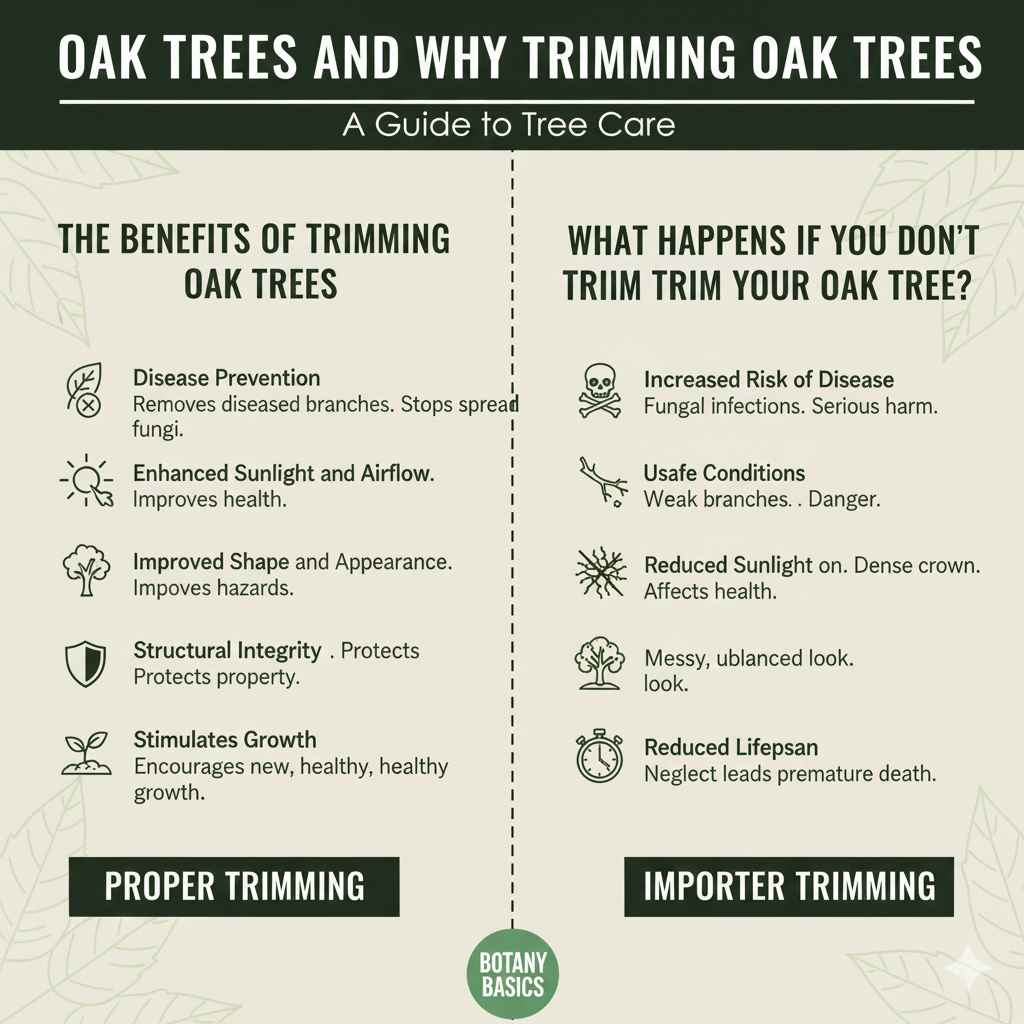
Trimming is essential to keeping oak trees healthy. It helps trees live longer and look better. Proper trimming removes dead or damaged branches, which helps to prevent the spread of diseases. This is very important for oak trees, as they can be vulnerable to certain infections. Also, trimming improves air circulation and sunlight penetration within the tree’s crown, which makes the tree healthier. Consider it a spa day for your oak.
- Disease Prevention: Removing dead or diseased branches helps stop the spread of harmful fungi and bacteria. Oak trees are particularly susceptible to certain diseases, so this is key.
- Enhanced Sunlight and Airflow: Trimming opens up the canopy, letting more sunlight and air reach the inner parts of the tree. This helps with photosynthesis and reduces the risk of fungal diseases.
- Improved Shape and Appearance: Trimming helps shape the tree, making it more aesthetically pleasing and also removes branches that could be a hazard.
- Structural Integrity: Removing weak or crossing branches helps prevent the tree from breaking during storms or heavy winds. This protects your property and keeps the tree healthy.
- Stimulates Growth: Correct trimming encourages new growth. Cutting back certain branches stimulates the tree to produce new, healthy growth in other areas.
Many people trim their trees for aesthetic reasons, but the health benefits often get overlooked. By keeping your tree healthy, you’ll also reduce the need for more costly treatments or even the removal of your tree in the future. Think of it as a small investment that offers large returns in the long run.
What Happens If You Don’t Trim Your Oak Tree?
Ignoring your oak tree’s trimming needs can have several negative results. The most obvious problem is that the tree might begin to look unkempt or unbalanced. More serious problems can occur over time. Branches can become weak and fall, posing a safety hazard. Furthermore, without proper care, diseases can flourish, shortening the life of your tree. An oak tree that’s not trimmed may also compete for resources, possibly starving the tree.
- Increased Risk of Disease: Without trimming, diseases can easily take hold. Fungal infections and other issues can cause serious harm to the tree.
- Unsafe Conditions: Overgrown branches can become weak and fall, posing a danger to people and property. Strong winds and storms can make this even worse.
- Reduced Sunlight and Airflow: Lack of trimming can make the crown too dense, reducing sunlight and airflow. This affects the tree’s overall health and photosynthesis process.
- Poor Aesthetics: Untrimmed oak trees may look messy and unbalanced, affecting the beauty of your landscape. Their shape is less appealing.
- Reduced Lifespan: A neglected tree is more likely to die prematurely. Proper trimming can extend the life of your oak tree for many years.
In the long term, neglect can lead to higher costs. You might have to remove your tree, which is expensive. Regular trimming is an investment in your tree’s health and your property’s safety. Making sure your oak tree gets the attention it needs now can save you money and worry later.
Risks and Factors Influencing Oak Tree Trimming
Trimming an oak tree is a task you can do yourself. But, you should always keep the risks in mind. The timing of the trim, the tools you use, and the tree’s overall health can all affect the outcome. We’ll examine these risks and discuss how to reduce any potential harm. This part is critical to helping you understand how to keep your oak tree healthy and safe when you trim it.
Timing Matters: The Best Times for Oak Tree Trimming
The best time to trim oak trees is during the dormant season. For most regions, this means late fall or winter. At this time, the tree is not actively growing. Trimming then reduces stress on the tree and reduces the chance of infection. You can make more precise cuts, and it can help with disease control. Trimming during the dormant season makes your work easier, too.
- Dormant Season (Late Fall to Winter): This is the best time for trimming. The tree is not growing actively, so it experiences less stress.
- Reduced Disease Risk: Oak trees are vulnerable to certain diseases spread by insects that are active in the warmer months. Trimming during dormancy reduces this risk.
- Better Visibility: Without leaves, it’s easier to see the tree’s structure and identify branches that need to be removed.
- Easier Cuts: The lack of leaves makes cutting and shaping the tree more straightforward.
- Faster Healing: Cuts made during the dormant season tend to heal more quickly in the spring.
In some regions, you might be able to trim in very early spring. But avoid trimming when new leaves are sprouting. Avoid trimming in the summer, because it can be stressful to the tree. If you must trim in the summer, be sure to prune very lightly and do it early in the morning.
Equipment to Have and How to Use Them
Having the right tools is important for any tree trimming job. You can get the job done more safely and effectively. This section explores the tools needed to trim oak trees, including pruners, saws, and safety gear. Proper tool use helps you get a cleaner cut and reduces harm to the tree.
- Hand Pruners: Good for small branches (up to 1 inch in diameter).
- Loppers: Used for thicker branches (up to 2 inches in diameter). They provide more leverage.
- Pruning Saw: Necessary for larger branches. Choose a saw with a curved blade.
- Pole Saw/Pruner: Good for reaching high branches.
- Safety Glasses: Essential to protect your eyes.
- Gloves: Protect your hands and improve your grip.
- Hard Hat: Necessary when working under branches.
- Climbing Gear (if needed): If you are working on a large tree, you might need a harness.
Keep your tools sharp. Sharp tools make cleaner cuts. Dull tools tear the bark, leaving the tree open to disease. Always use tools in good condition. Inspect your tools before each use, and make sure they are clean.
What Happens If You Trim at the Wrong Time?
Trimming at the wrong time of year can cause problems for oak trees. For example, trimming in late spring or summer, when the tree is actively growing, can stress the tree and cause it to lose a lot of sap. This is particularly true for oak trees, which are vulnerable to diseases spread by certain insects during the warmer months. Also, the tree may have problems healing. If cuts are made at the wrong time, it might not heal properly.
- Increased Stress: Trimming when the tree is actively growing stresses it.
- Disease Risk: Summer trimming increases the chance of disease. Insects are more active and can transmit diseases.
- Sap Loss: Cutting branches in the spring or summer can cause excessive sap loss.
- Slower Healing: Cuts don’t heal as quickly. This leaves the tree vulnerable to problems.
- Weakened Tree: Incorrect timing can weaken the tree. This affects its ability to grow and be healthy.
The best advice is to wait until the dormant season. If you must trim at another time, do it early in the morning, and only trim what is necessary. Avoid trimming at all during the middle of the summer or in very late spring.
How to Trim Oak Trees Correctly
Now, let’s look at the correct ways to trim oak trees. Proper techniques minimize stress on the tree. You’ll learn the techniques for making clean cuts, removing damaged branches, and shaping your oak tree. We’ll make it easier to give your tree the care it needs. We’ll show you the practical steps you can take to keep your tree healthy.
Step-by-Step Guide to Oak Tree Trimming
This simple guide explains how to trim an oak tree. Start by gathering the right tools. Then, check the tree for any branches that need to be removed. It’s best to start with dead, damaged, or diseased branches. Then, you can shape the tree by removing any crossing or crowded branches.
- Inspect the Tree: Walk around the tree. Look for dead, diseased, or damaged branches.
- Gather Your Tools: Make sure you have the right tools (hand pruners, loppers, pruning saw, and safety gear).
- Remove Dead, Damaged, and Diseased Branches: Cut these branches back to the branch collar (the slightly swollen area where the branch meets the trunk or another branch).
- Thin the Crown: Remove any branches that are crossing or rubbing against each other. Also, cut away crowded branches.
- Shape the Tree: Think about the shape you want. Remove any branches that change the tree’s look.
- Make Clean Cuts: Make sure your cuts are clean and angled slightly away from the trunk.
- Avoid Topping: Never top an oak tree (cutting off the top of the tree).
Always sterilize your tools between cuts. This helps prevent the spread of diseases. Start at the top of the tree and work your way down. This makes it easier to manage the branches that fall. Safety should always be your top priority.
Making the Right Cuts: Techniques
The type of cut you make affects your tree’s health. Learning the right techniques helps you make proper cuts. Always cut close to the branch collar. This is the spot where the branch joins the trunk. Don’t cut flush against the trunk. This damages the tree and may prevent healing.
- Branch Collar: This is the area at the base of the branch. Make cuts just outside of the branch collar.
- Avoid Flush Cuts: Cutting flush with the trunk prevents proper healing. It also damages the tree.
- Three-Cut Method for Large Branches: If you’re removing a heavy branch, use the three-cut method to prevent tearing the bark.
- Angled Cuts: Make angled cuts to allow water to run off.
- Sterilize Tools: Clean tools between cuts. Use a solution of bleach and water.
If you’re unsure about making cuts, it is wise to consult a certified arborist. They have the training and knowledge to ensure that your oak tree is trimmed correctly. They can assess your tree and recommend the best plan of action.
Common Mistakes and How to Avoid Them
Many mistakes can happen when trimming trees. For example, cutting too much at once can stress the tree. Cutting the branches too close to the trunk can harm the tree, too. Here are the things to avoid, and what to do instead. The goal is to keep your oak tree healthy and promote its well-being. Keeping these mistakes in mind can help you trim your oak tree more effectively.
- Topping: Never top your oak tree. This involves cutting off the top. It can weaken the tree.
- Over-Trimming: Don’t remove more than 25% of the tree’s canopy in a single season.
- Flush Cuts: Avoid cutting flush with the trunk.
- Using Dull Tools: Dull tools tear the bark, creating entry points for diseases. Keep your tools sharp.
- Ignoring Safety: Always wear safety glasses, gloves, and a hard hat.
By learning these mistakes and understanding how to prevent them, you can keep your oak tree strong. The healthier your tree is, the less work it will need. Always think about the long-term health of your oak tree.
Can You Kill an Oak Tree by Trimming It? Common Concerns
The answer to the question, Can You Kill an Oak Tree by Trimming It? depends on a few factors. Trimming alone is not enough to kill an oak tree. But, the way you trim and the timing of the trim can have negative results. If you trim too much, or at the wrong time, you could weaken the tree. In this section, we will discuss the factors that can have a negative impact.
How Much Trimming Is Too Much?
One of the biggest concerns is how much to trim. Removing too much foliage at once can harm your oak tree. This is particularly true for older or stressed trees. The tree needs its leaves to create food. Too much cutting can greatly reduce the tree’s food-making ability. This leads to stress, slower growth, and a higher risk of diseases.
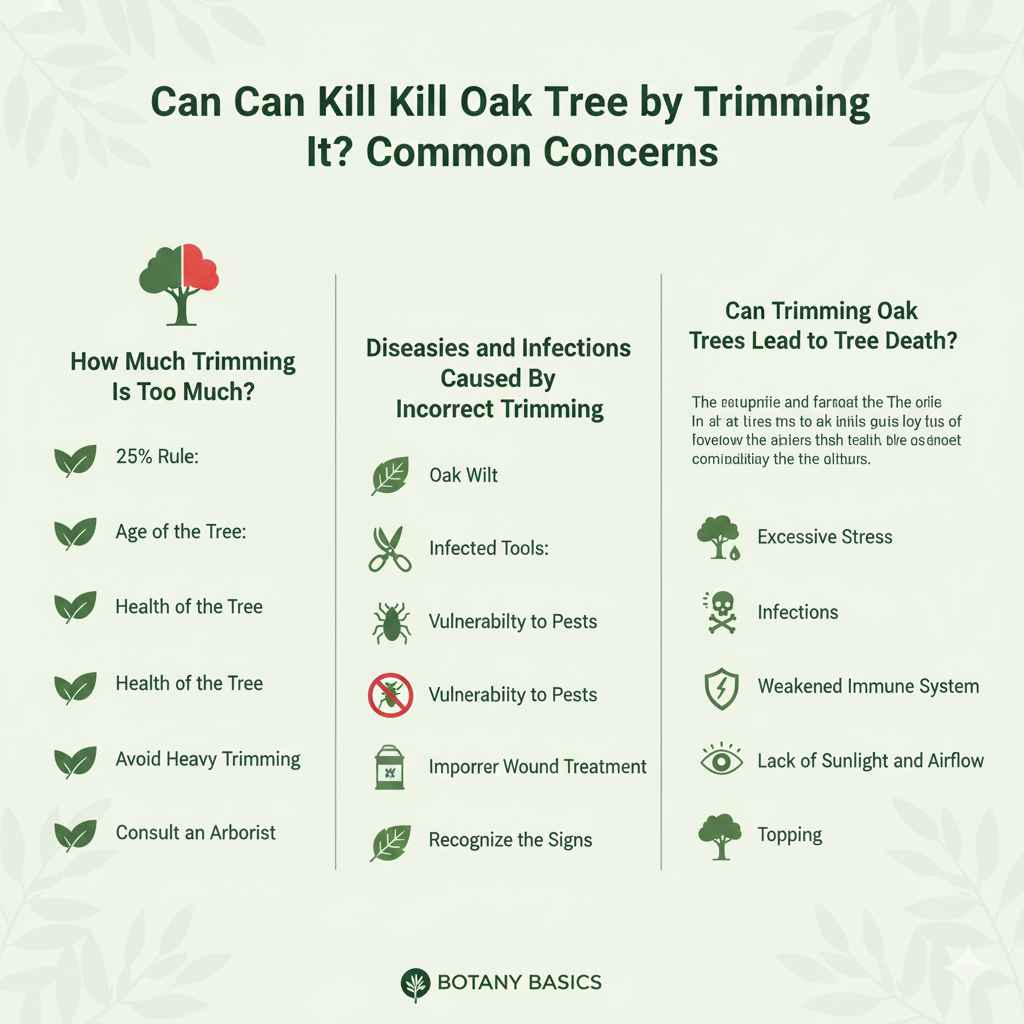
- 25% Rule: Don’t remove more than 25% of the tree’s canopy in a single season.
- Age of the Tree: Young trees can handle more trimming than older ones. Older trees are less able to recover.
- Health of the Tree: A tree that is already stressed will be more sensitive to trimming.
- Avoid Heavy Trimming: Try to avoid heavy trimming, especially during periods of stress.
- Consult an Arborist: If you’re unsure, it’s best to speak with an arborist.
If you have to trim a lot, do it over several years. This will give the tree time to recover. Taking a gradual approach and taking advice can keep your oak tree thriving.
Diseases and Infections Caused By Incorrect Trimming
Incorrect trimming can introduce diseases and infections. Fresh cuts are open wounds that can attract insects and fungal spores. Diseases like oak wilt can enter the tree through these wounds. This can cause major issues. Keeping your oak tree healthy depends on how you trim and when you trim.
- Oak Wilt: This is a serious fungal disease that can kill oak trees.
- Infected Tools: Using tools that haven’t been cleaned can spread diseases from one tree to another.
- Vulnerability to Pests: Weakened trees may be more susceptible to insects, which can further spread disease.
- Improper Wound Treatment: Avoid using tree paint. It seals the wound.
- Recognize the Signs: If your tree starts to show signs of disease (yellowing leaves, dieback), seek help right away.
You can help prevent infections by making sure your tools are clean. Trimming during the dormant season reduces the risk of insect-borne diseases. Being informed helps you protect your oak tree.
Can Trimming Oak Trees Lead to Tree Death?
The answer to Can You Kill an Oak Tree by Trimming It? is that yes, you can. While trimming itself is not always fatal, it can make the tree very weak and lead to its death. Excessive trimming, incorrect cuts, or trimming at the wrong time can put the tree under a lot of stress. Also, any disease that can enter through open cuts makes it worse.
Here are some of the ways that incorrect trimming can lead to death:
- Excessive Stress: Over-trimming takes away too many leaves, which the tree needs to make food.
- Infections: Incorrect trimming can make it easier for diseases to enter.
- Weakened Immune System: A stressed tree has a weaker immune system, making it vulnerable.
- Lack of Sunlight and Airflow: Incorrect trimming reduces sunlight and airflow.
- Topping: Removing the top of the tree can be very damaging and reduce the chances of survival.
If you’re careful and follow the right steps, you should be able to keep your tree healthy. By understanding these risks, you can take precautions.
Frequently Asked Questions
Question: When is the best time to trim an oak tree?
Answer: The best time to trim an oak tree is during the dormant season, which is typically late fall or winter.
Question: What tools do I need to trim an oak tree?
Answer: You’ll need hand pruners for small branches, loppers for thicker branches, a pruning saw for larger branches, and safety gear like glasses and gloves.
Question: How much of an oak tree can I trim at once?
Answer: Don’t remove more than 25% of the tree’s canopy in a single season to avoid stressing the tree.
Question: Can trimming an oak tree cause it to die?
Answer: Yes, improper trimming, such as excessive removal of branches or trimming at the wrong time, can weaken the tree and potentially lead to its death.
Question: What is the best way to prevent the spread of diseases when trimming?
Answer: Always sterilize your pruning tools between cuts using a solution of bleach and water. Also, trim during the dormant season when disease-carrying insects are less active.
Final Thoughts
So, Can You Kill an Oak Tree by Trimming It? The answer is complicated. Trimming is important for the health of your oak tree, but doing it the wrong way can cause issues. The key is to be careful. Always trim at the right time. Avoid taking too much off. Use sharp and clean tools. This will help you keep your oak tree healthy and strong. Doing these things can make your oak tree thrive and live longer. This will give you more enjoyment and enhance your property.