Can Pressure Treated Wood Rot Over Time
Many people wonder, Can pressure treated wood rot over time? It seems like a tricky question because we’re told it’s made to last. For folks new to building or home repairs, figuring out wood protection can feel a bit confusing.
But don’t worry! We’ll break down exactly what you need to know in a super simple way. We’ll look at how it works and what can happen.
Get ready for easy steps to understand your wood’s future.
How Pressure Treated Wood Works
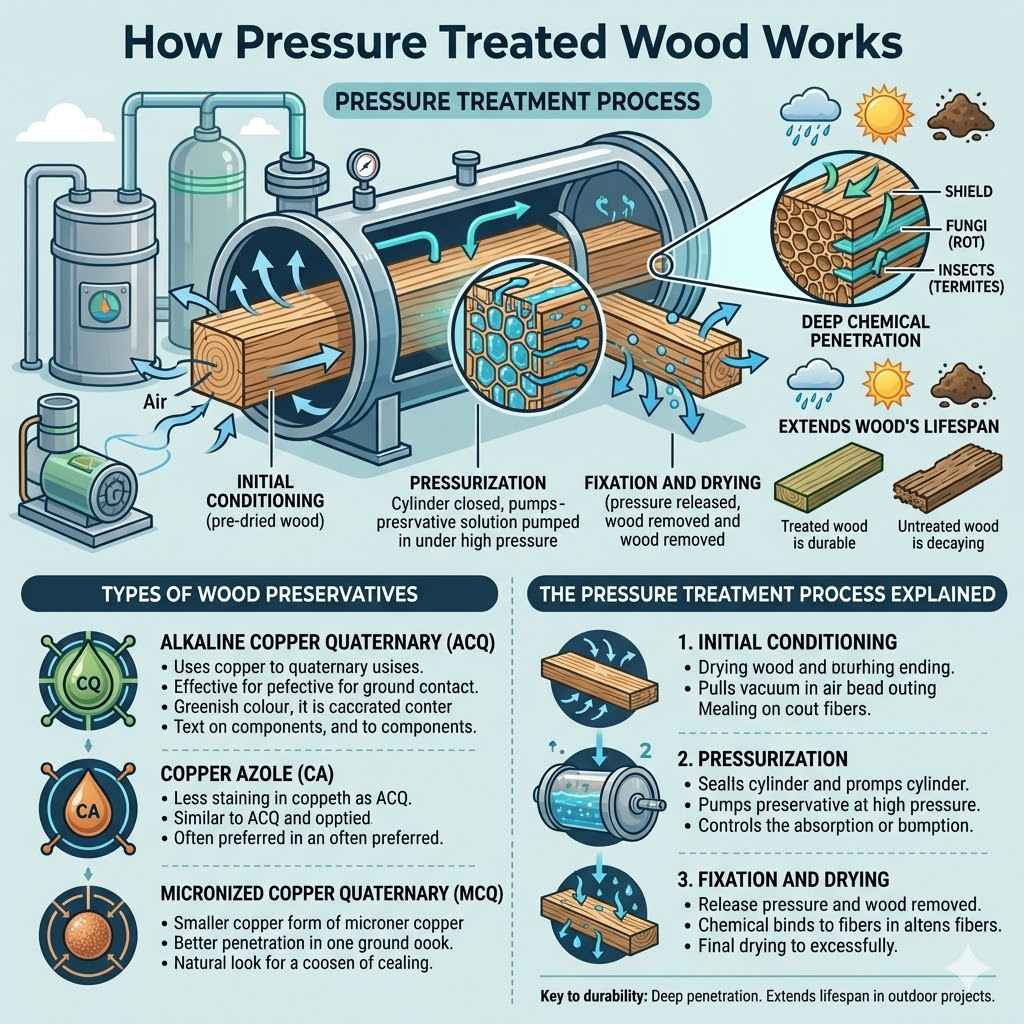
Pressure treated wood is a popular choice for outdoor projects because it’s designed to resist decay and insect damage. This is achieved through a special process where chemicals are forced deep into the wood fibers under high pressure. These chemicals act as a shield, making the wood less appealing to fungi that cause rot and to insects like termites.
The goal is to extend the wood’s lifespan significantly, especially when it’s exposed to moisture and the elements.
The treatment process involves placing lumber in a large cylinder, then a vacuum is pulled to remove air from the wood cells. After that, the wood preservative solution is pumped into the cylinder under pressure, forcing it into the wood. Once the desired retention level of the preservative is reached, the excess solution is removed, and another vacuum is applied to pull out any remaining liquid from the wood’s surface.
This ensures the chemicals are distributed evenly and deeply.
This deep penetration is key to the wood’s durability. Without it, the protective chemicals would remain on the surface and could easily wash away with rain or wear down over time. The type of preservative used can vary, but common ones include alkaline copper quaternary (ACQ), copper azole (CA), and micronized copper quaternary (MCQ).
These modern treatments are considered safer and more environmentally friendly than older methods.
Types of Wood Preservatives
Different preservatives offer varying levels of protection and are suited for different applications. Understanding these can help you choose the right wood for your project and gauge its potential longevity.
- Alkaline Copper Quaternary (ACQ): This is one of the most common types of wood preservatives. It uses copper compounds and a quaternary ammonium compound to protect against rot and insects. ACQ is effective for above-ground use as well as for ground contact applications. It’s often greenish in color when new and weathers to a gray tone over time.
- Copper Azole (CA): Similar to ACQ, CA also uses copper as a primary fungicide. It’s often preferred for its appearance, as it can result in less surface staining than ACQ. CA is also effective for both above-ground and ground-contact uses and is a widely used alternative to ACQ.
- Micronized Copper Quaternary (MCQ): This treatment involves copper in a smaller, dispersed form, which can lead to better penetration and retention in the wood. MCQ is also effective against decay and insects and is suitable for various applications, including decks, fences, and structural components. It often has a lighter, more natural wood tone initially.
The effectiveness of these preservatives means that wood treated with them is far more resistant to rot and insect damage than untreated wood. However, “resistant” does not mean “immune.” Factors like the specific treatment level, installation conditions, and ongoing maintenance play a role in how long the wood will truly last.
The Pressure Treatment Process Explained
The process itself is quite technical but is designed to maximize chemical penetration. It’s a critical step in making wood suitable for outdoor use where it would otherwise quickly degrade.
- Initial Conditioning: The wood is typically dried to a specific moisture content before treatment. This step is important because wet wood will not absorb the preservative effectively. Sometimes, a preliminary vacuum is used to remove air from the wood cells, making them more receptive to the preservative.
- Pressurization: The wood is then placed in a sealed cylinder, and the wood preservative solution is pumped in. High pressure is applied to the solution, forcing it deep into the wood’s cellular structure. This pressure is carefully controlled to ensure the correct amount of preservative is absorbed.
- Fixation and Drying: After the pressure is released, the wood is removed from the cylinder. The preservative chemicals then undergo a “fixation” process, where they chemically bind to the wood fibers. This makes them permanent and prevents them from leaching out. The wood is then dried to a suitable moisture content for use.
This rigorous process is what gives pressure treated wood its enhanced durability. The depth of penetration and the retention of the preservative chemicals are measured to ensure the wood meets industry standards for various applications. For example, wood intended for ground contact receives a higher retention level than wood for above-ground use, indicating a stronger defense against moisture and decay.
Can Pressure Treated Wood Rot Over Time
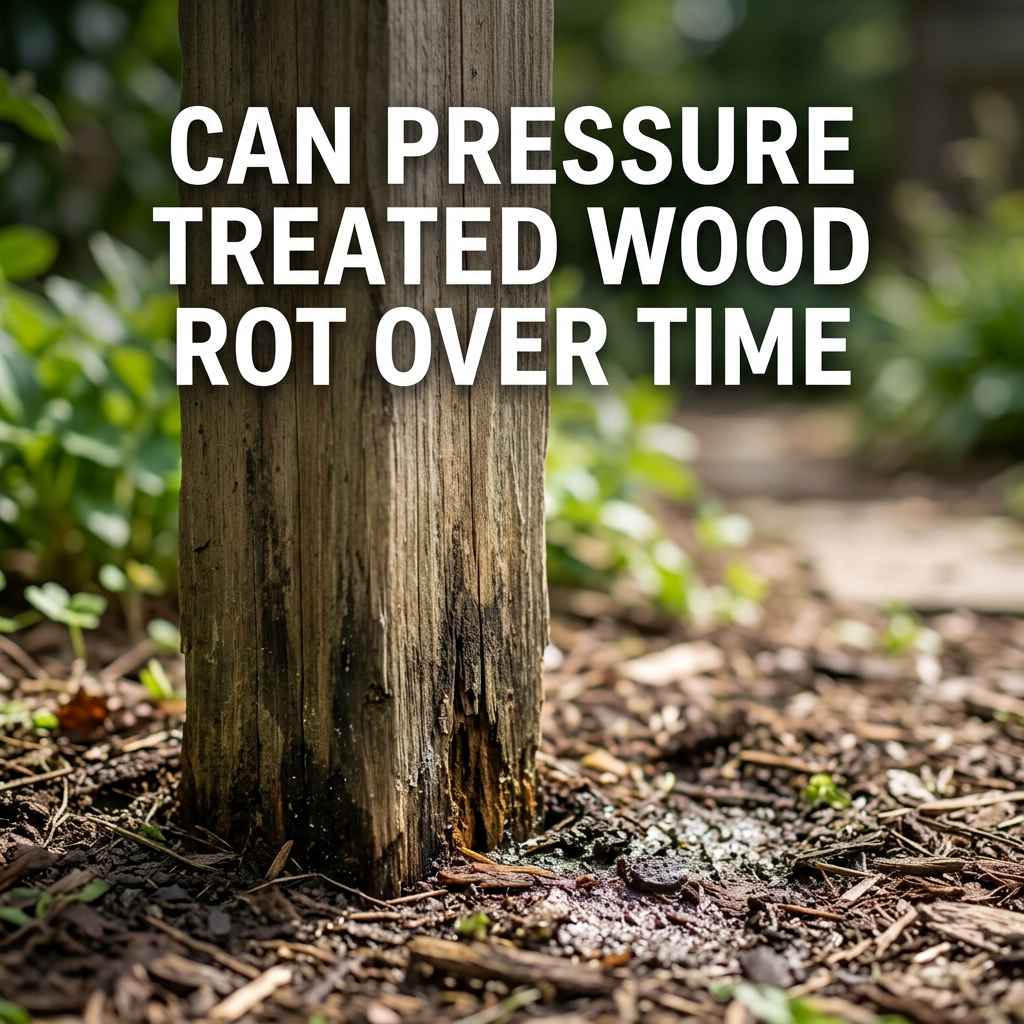
So, to answer the big question, Can pressure treated wood rot over time? Yes, it absolutely can, though it takes much longer than untreated wood. The chemicals used in pressure treating are designed to significantly slow down the natural processes of decay caused by fungi and insects.
However, these treatments are not a permanent shield against all forms of degradation, especially under certain conditions.
The lifespan of pressure treated wood depends on several factors, including the type of preservative used, the retention level of the preservative in the wood, and the environmental conditions it’s exposed to. While it won’t rot as quickly as untreated lumber, it’s not indestructible. Over many years, especially if constantly wet or in contact with the soil, the protective chemicals can leach out or break down, and the wood can eventually become susceptible to rot.
It’s also important to consider that cuts made after treatment can expose untreated wood. If these cut surfaces are not properly sealed with an approved preservative solution, they become vulnerable spots where rot and insects can begin to attack. This is a common reason why even well-treated wood might fail prematurely.
Factors Affecting Longevity
Several environmental and maintenance factors play a significant role in how long your pressure treated wood will last. Understanding these can help you protect your investment and extend the life of your projects.
- Moisture Exposure: Constant contact with water is the biggest enemy of any wood product, even pressure treated. Wood that is frequently wet, such as in poorly draining areas or consistently splashed by sprinklers, will degrade faster than wood that dries out between wet periods. For instance, deck boards that are always damp will show signs of wear sooner than those exposed to sun and air.
- Ground Contact: Wood in direct contact with soil is more prone to rot because soil often contains moisture and microorganisms. While higher retention levels of preservatives are used for ground contact, it’s still a harsher environment. It is generally recommended to use specific ground contact rated lumber for posts and other elements that will be buried.
- UV Exposure and Weathering: Over time, ultraviolet (UV) rays from the sun can break down the wood fibers, making them more susceptible to moisture absorption. Extreme temperature fluctuations and freeze-thaw cycles can also cause physical damage, leading to cracks and increased vulnerability.
- Mechanical Damage: Scratches, gouges, and other physical damage can compromise the wood’s protective barrier. If these are not repaired, they can allow moisture and pests to enter the wood more easily.
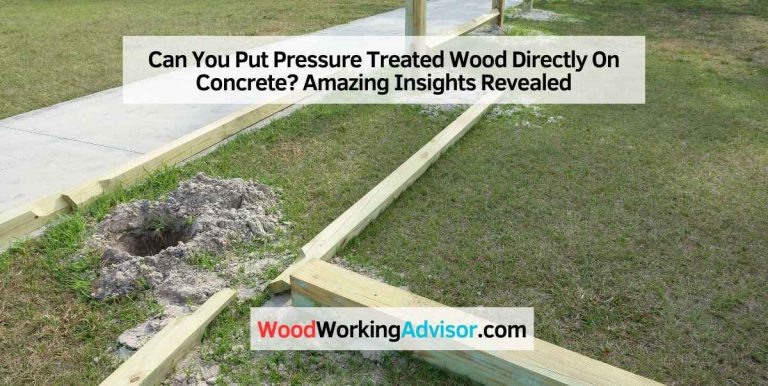
- Installation Practices: Improper installation, such as not allowing for adequate drainage or air circulation, can create environments where moisture is trapped, accelerating decay. This can include gaps too small for water to run off or placing wood directly against concrete without a barrier.
These factors combine to influence the rate at which pressure treated wood might eventually succumb to rot. While the treatment offers substantial protection, it’s not a guarantee of eternal preservation.
The Role of Fungi and Insects
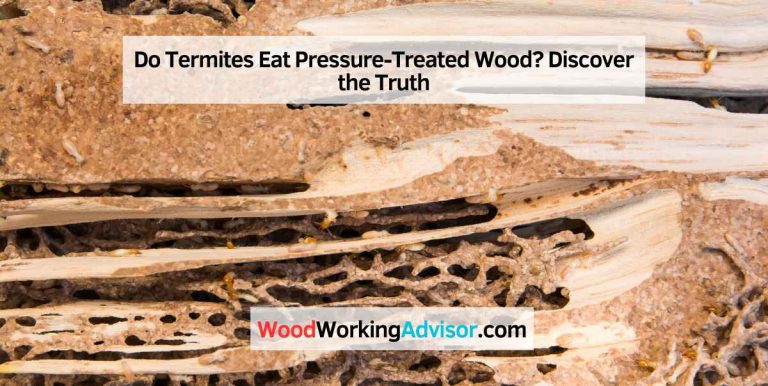
Fungi are the primary culprits behind wood rot. They feed on the cellulose and lignin in wood, breaking it down and causing it to lose its structural integrity. Insects, such as termites and carpenter ants, can also damage wood, creating tunnels that weaken it and allow moisture to penetrate, further encouraging fungal growth.
The chemicals in pressure treated wood are designed to be toxic to these organisms. For example, copper compounds work by disrupting enzyme functions essential for fungal respiration and metabolism. The arsenic compounds historically used, though now largely phased out for residential use due to health concerns, were also highly effective biocides.
Modern preservatives aim for a balance of efficacy and safety.
However, the effectiveness of the preservatives can diminish over time. The constant presence of moisture can leach out the soluble components of the treatment. Furthermore, if the wood is subjected to prolonged and extreme conditions, or if the initial treatment was not thorough, the wood’s defenses can be overcome.
This is why regular inspection and maintenance are crucial for maximizing the lifespan of any wood structure.
Signs of Decay in Treated Wood
Recognizing the early signs of decay is key to addressing potential issues before they become major problems. Even treated wood can show signs if it’s under stress.
- Soft Spots and Sponginess: If you can easily press a screwdriver or your thumb into the wood, especially at the ends or edges, it indicates softness due to rot. Untreated wood will feel firm and solid.
- Discoloration and Mold Growth: While some surface mold is common and can be cleaned, persistent dark discoloration or a fuzzy growth can be a sign of deeper decay. This often starts in areas where moisture collects.
- Cracking and Warping: While some cracking and warping are normal for wood, excessive or rapid changes in shape can indicate that the wood is losing its structural integrity due to decay or insect damage.
- Presence of Insects or Insect Trails: You might see sawdust-like frass (termite droppings) or actual insects like termites, carpenter ants, or wood-boring beetles. Their tunnels are also a clear sign of infestation.
These signs are indicators that the protective qualities of the wood treatment may be failing or that conditions are allowing rot to take hold. Addressing these early can prevent structural failure and costly repairs down the line.
The Importance of Post-Treatment Cuts
When you cut pressure treated wood, you remove the protective layer of chemicals on the cut surface, exposing fresh, untreated wood. This is one of the most common reasons why pressure treated wood might start to rot sooner than expected.
For example, if you’re building a deck and need to cut deck boards to length, or if you’re installing fence posts and need to trim them to size, those cut ends are now vulnerable. The preservatives that were forced deep into the wood during the treatment process are no longer present at the exposed cross-section.
To prevent this, it’s essential to re-treat any cut surfaces. This involves applying a suitable wood preservative solution specifically designed for cut ends. This solution contains the necessary chemicals to create a barrier and prevent rot and insect attack from starting at the newly exposed wood fibers.
Re-treating Cut Ends
Re-treating cut ends is a simple but crucial step that many people overlook. It’s a small effort that can significantly prolong the life of your project.
- Apply Preservative Solution: After cutting the wood to size, liberally brush or spray an appropriate wood preservative onto all cut surfaces. Ensure thorough coverage.
- Allow for Drying: Let the preservative solution soak into the wood and dry completely according to the product’s instructions before assembling or exposing the wood to the elements.
- Use Approved Products: Always use wood preservatives that are approved for use with pressure treated lumber and are suitable for the intended application (e.g., ground contact or above ground).
This simple practice ensures that all parts of the wood are protected, creating a more uniform and durable barrier against decay and insects. It’s a key step in ensuring your project stands the test of time.
Maintaining Pressure Treated Wood Projects
Just like any outdoor material, pressure treated wood benefits from regular maintenance to ensure its longevity and appearance. While it’s built to last, a little care can go a long way in preventing premature decay and keeping your projects looking their best.
Regular cleaning is important to remove dirt, debris, and mildew that can trap moisture. Mildew and mold, while not always indicative of rot, can break down the wood surface over time and create conditions favorable for decay. Periodic inspection for any signs of wear, damage, or early rot is also a good practice.
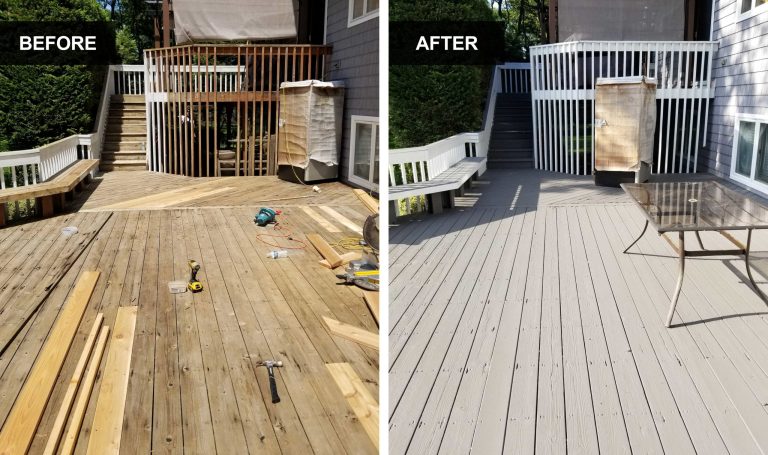
Sealing and staining can provide an additional layer of protection against moisture and UV damage. While pressure treated wood is already protected, these finishes can enhance its durability and appearance, especially in harsh climates. It’s not strictly necessary for structural integrity but is highly recommended for aesthetics and added protection.
Cleaning and Inspection Routines
Establishing a routine for cleaning and inspecting your wood projects will help you catch potential problems early.
- Annual Cleaning: At least once a year, ideally in the spring, clean your wood structures. Use a mild detergent or a specialized wood cleaner and a stiff brush. Rinse thoroughly to remove all cleaning solution and debris.
- Check for Damage: During cleaning, carefully inspect the wood for any soft spots, unusual discoloration, cracks, or signs of insect activity. Pay close attention to areas that are in contact with the ground or are frequently wet.
- Clear Debris: Ensure that water drains away from the wood and that debris like leaves and mulch are not allowed to accumulate against it, as this traps moisture.
- Repair Cuts: Re-check any areas where wood was cut during installation. If the protective treatment seems to have worn off, reapply a suitable preservative.
These simple steps help maintain the wood’s integrity and prevent minor issues from escalating into costly repairs. Proactive care is far more effective than reactive fixes.
Protecting Against the Elements
Beyond cleaning, applying protective finishes can offer an extra shield against the harsh effects of weather.
- Sealing: Applying a water-repellent sealer helps prevent moisture from penetrating the wood. This is especially beneficial in areas with heavy rainfall or significant temperature swings. Look for products specifically designed for treated lumber.
- Staining: Stains not only add color to the wood but also often contain UV inhibitors that protect the wood fibers from sun damage. They can also provide a barrier against moisture.
- Regular Reapplication: Both sealers and stains will need to be reapplied periodically, typically every few years, depending on the product and climate. The wood surface may begin to show signs of wear, such as water no longer beading up, indicating it’s time for reapplication.
These finishes not only protect the wood but also enhance its aesthetic appeal, keeping your decks, fences, and other structures looking good for longer. Choosing a quality product and following application instructions are key to their effectiveness.
When to Replace Pressure Treated Wood
Despite its durability, there comes a time when pressure treated wood may need to be replaced. This usually happens after many years of service, when the wood has been significantly compromised by rot or insect damage.
The decision to replace a section or an entire structure often comes down to safety and structural integrity. If you find significant softening, extensive cracking, or evidence of widespread pest infestation, it’s time to consider replacement. This is particularly important for elements that bear weight or are critical to the stability of the structure, such as deck joists, support posts, or railing components.
It’s not always a complete replacement; sometimes, a single damaged board or post can be swapped out. However, if multiple parts are showing signs of decay, it might indicate that the entire structure is nearing the end of its useful life. A professional assessment can help determine the extent of the damage and the best course of action.
Assessing Structural Integrity
When evaluating if pressure treated wood needs replacement, focus on its structural soundness. Minor cosmetic issues are usually not a cause for concern, but signs of decay that affect strength are critical.
- Probe for Softness: Use a sharp object like a screwdriver to probe any suspicious areas. If it sinks in easily, the wood is likely rotten and compromised. This is a primary indicator of structural weakness.
- Inspect for Deep Cracks: While surface checks are common, deep cracks that go through the wood or significantly weaken its cross-section are a concern. These can be entry points for more damage and can lead to failure.
- Look for Pests: A significant infestation of termites, carpenter ants, or other wood-boring insects will severely compromise structural integrity. Their tunnels weaken the wood from the inside out, often without obvious outward signs until it’s too late.
- Check Connections: Examine how pieces of wood are joined. If the fasteners (nails, screws) are pulling out of soft wood or the wood around them is crumbling, it means the wood has lost its grip and strength.
If multiple of these issues are present, especially in load-bearing components, replacement should be considered to ensure safety and prevent potential collapse or injury.
Common Misconceptions About Treated Wood
There are several common misunderstandings about pressure treated wood that can lead people to expect more from it than it can deliver, or to worry unnecessarily about its safety.
One of the biggest myths is that pressure treated wood is completely immune to rot and insects. As we’ve discussed, it is highly resistant, but not entirely immune. Environmental conditions, installation methods, and maintenance all play a role in its long-term performance.
Another misconception relates to safety, particularly concerning older treatments. While some older preservatives had health concerns, modern treatments are considered safe for residential use when handled properly.
It’s also sometimes believed that pressure treated wood lasts forever with zero effort. This simply isn’t true for any natural material exposed to the elements. Even the best treatments require some level of care to maximize their lifespan.
Debunking Myths
Let’s address some of the most persistent myths about pressure treated wood.
- Myth: Pressure treated wood will never rot.Fact: While highly resistant, it can eventually rot if constantly exposed to moisture, attacked by persistent pests, or if the protective treatment degrades over many years. Proper installation and maintenance are key.
- Myth: It’s unsafe to touch or use pressure treated wood.Fact: Modern pressure treated wood preservatives (like ACQ, CA, MCQ) are approved for residential use and are considered safe for consumers when handled correctly. Always wash hands after contact and avoid burning treated wood.
- Myth: Once treated, it needs no further care.Fact: While it requires less care than untreated wood, regular cleaning, inspection, and occasional sealing or staining will significantly extend its life and appearance.
Understanding these distinctions helps set realistic expectations for the performance and care of pressure treated wood projects.
Modern Treatments and Safety
The landscape of wood preservatives has evolved significantly. Older treatments, such as Chromated Copper Arsenate (CCA), which contained arsenic, raised health concerns and have been largely phased out for residential use. However, current treatments are formulated with compounds like copper and organic biocides that are effective against decay and insects while posing minimal risk when used as directed.
For instance, copper-based preservatives like ACQ and CA work by creating a toxic environment for fungi and insects. These compounds are chemically bound to the wood fibers, making them very stable and resistant to leaching. Micronized copper treatments use even smaller particles of copper, which can lead to better penetration and retention within the wood structure.
When working with pressure treated wood, it’s always recommended to wear gloves and a dust mask, especially when cutting. After handling, wash your hands thoroughly. Also, never burn treated wood, as the combustion process can release harmful chemicals into the air.
These precautions ensure that the use of pressure treated wood remains safe for homeowners and the environment.
Frequently Asked Questions
Question: How long does pressure treated wood typically last?
Answer: Under normal conditions, pressure treated wood can last for 10 to 20 years, or even longer. However, its lifespan can be significantly affected by factors like constant moisture exposure, ground contact, and maintenance.
Question: Can I use regular paint on pressure treated wood?
Answer: Yes, you can paint pressure treated wood, but it’s best to let it dry out for a few weeks to a few months after purchase. Ensure the wood is clean and dry before applying primer and paint. For best results, use a high-quality exterior paint.
Question: Does pressure treated wood warp or twist?
Answer: While pressure treated wood is more stable than untreated wood, it can still warp, twist, or cup as it dries and expands or contracts with changes in humidity. Proper storage and installation can help minimize this.
Question: Is pressure treated wood safe for garden beds where I grow food?
Answer: For garden beds where food is grown, it’s generally recommended to use untreated wood or to line the beds with a barrier, such as thick plastic sheeting, to prevent any potential leaching of chemicals into the soil. Some modern treated woods are considered safer, but caution is often advised.
Question: What is the best way to cut pressure treated wood?
Answer: Use a sharp saw blade designed for cutting wood. Wear safety glasses and a dust mask to protect yourself from sawdust. Always re-treat any cut ends with an approved wood preservative solution to maintain protection.
Summary
Pressure treated wood is a durable choice, but it is not immune to rot. While it resists decay and insects for a long time, moisture, ground contact, and age can eventually lead to degradation. Proper installation, including treating cut ends, and regular maintenance are key to maximizing its lifespan.
Understanding its limits and caring for it properly ensures your projects stay strong and safe for many years.