Can Cedar Be Pressure Treated? Yes—But Here’s Why It Rarely Is
Yes, cedar can technically be pressure treated — but almost no lumberyard actually does it, and there’s a real reason why. Cedar’s tight, resin-rich grain resists chemical penetration far more than the Southern yellow pine and Douglas fir that treatment plants normally run through the cylinder, so the same process that soaks deep into a standard deck board barely gets past the surface on cedar. Add in the fact that cedar already carries its own natural decay-resistant oils, and pressure treating often tries to solve a problem the wood didn’t have in the first place.
The Short Answer: Technically Yes, Practically Rare
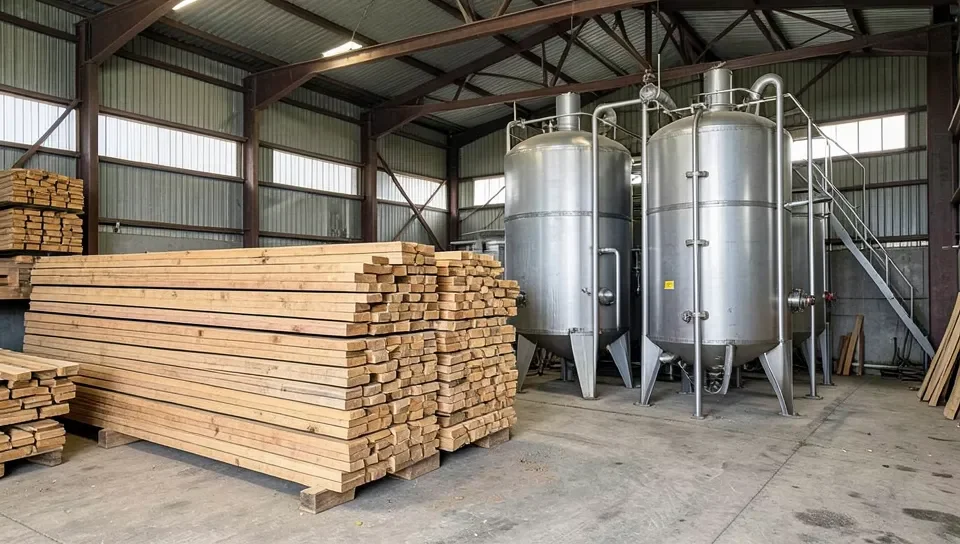
Industrial pressure treatment works by loading wood into a sealed steel cylinder, pulling a vacuum to draw air out of the wood cells, then forcing liquid preservative in under pressure so it penetrates deep into the fibers. That process works on almost any species — cedar included. But commercial treaters overwhelmingly reserve it for Southern yellow pine, because pine’s open, permeable cell structure soaks up preservative easily and predictably. Cedar’s dense heartwood does the opposite: the same tight grain that makes it naturally rot-resistant also blocks the preservative from penetrating past the outer surface. When mills do pressure treat cedar, they typically incise it first — running the boards through rollers that punch a shallow grid of slits into the surface just to give the chemical somewhere to go.
Best DIY Cedar Post & End-Cut Preservative
 |
Tenino Copper Naphthenate 17% Wood Preservative – $66.94 The brush-on, code-compliant way to protect cedar end-cuts and ground-contact posts without sending the wood through an industrial pressure cylinder.
|
Why Cedar Resists the Treatment Process
Wood permeability comes down to cell structure. Softwoods like Southern yellow pine have large, open pit membranes between cells that stay unobstructed even after the tree is cut, so liquid moves through them relatively freely. Cedar’s cells are lined with resins and extractives that clog those same pathways, which is exactly what gives cedar its natural weather resistance — but it also means a pressure treatment cylinder can push preservative against the wood all day and only get a shallow band of penetration near the surface.
That’s why cedar rarely shows up in the AWPA (American Wood Protection Association) treatment standards the way pine does. Building codes do require any field cut on pressure-treated lumber — including cedar trim or blocking installed alongside treated framing — to be re-sealed with a brush-on preservative per IBC 2303.1.9 and IRC R317.1.1, since the factory treatment doesn’t reach a fresh cut end. That’s a different, much smaller-scale job than full-cylinder pressure treatment, and it’s the one place cedar and industrial wood preservatives actually cross paths on a typical job site.
Cedar’s Own Built-In Preservatives
Cedar heartwood contains natural compounds — thujaplicins and related tannins — that are toxic to the fungi responsible for wood rot and unappealing to many wood-boring insects. This is a biological defense, not a chemical coating, and it’s baked into the wood itself rather than applied afterward. It’s part of why cedar has been the default choice for fence posts, shingles, and siding for generations without needing a treatment plant at all.
That natural resistance isn’t unlimited, though. It’s concentrated in the heartwood (the darker, denser core of the log), while the lighter sapwood around the outside has little to no natural decay resistance and behaves more like an untreated softwood. A board cut mostly from sapwood won’t hold up the way all-heartwood cedar will, regardless of what the species tag says.
Real Numbers: Untreated Cedar vs. Pressure-Treated Pine
Here’s how the two actually compare in typical outdoor use:
- Cedar heartwood, above-ground use (deck boards, fence rails, siding): roughly 20–30 years with basic maintenance.
- Cedar heartwood, ground contact (fence posts, structural posts): roughly 15–20 years — the decay hazard is much higher once wood is buried or touching soil.
- Pressure-treated Southern yellow pine, ground contact rated: up to around 20 years with proper maintenance, achieved entirely through the depth and concentration of the chemical preservative, not any natural property of the pine itself.
The practical takeaway: cedar gets its durability biologically, pine gets its durability chemically, and for most above-ground residential projects the two end up in a similar lifespan range. Pressure treating cedar on top of its own natural resistance mostly adds cost and a shallow, uneven layer of chemical that the wood was never built to absorb well.
When Pressure-Treating Cedar Actually Makes Sense
There are a few situations where it’s worth the extra step:
- Ground-contact structural posts in a high-decay-hazard climate (humid, high-rainfall, or termite-prone regions) where even cedar’s natural resistance may not be enough over a multi-decade structural life.
- Field-cut ends on any board, cedar or otherwise, that’s being installed next to or spliced into pressure-treated framing — code requires re-sealing the cut with a brush-on preservative regardless of species.
- Sapwood-heavy boards where the heartwood’s natural protection isn’t reliably present throughout the piece.
Outside those cases, most contractors and mills skip pressure treating cedar entirely and either use all-heartwood cedar as-is or apply a surface preservative by hand where extra protection is genuinely needed — which is a very different (and much more effective, given cedar’s grain) process than running it through an industrial cylinder.
The DIY Alternative: Brush-On Preservative Instead of Pressure Treatment
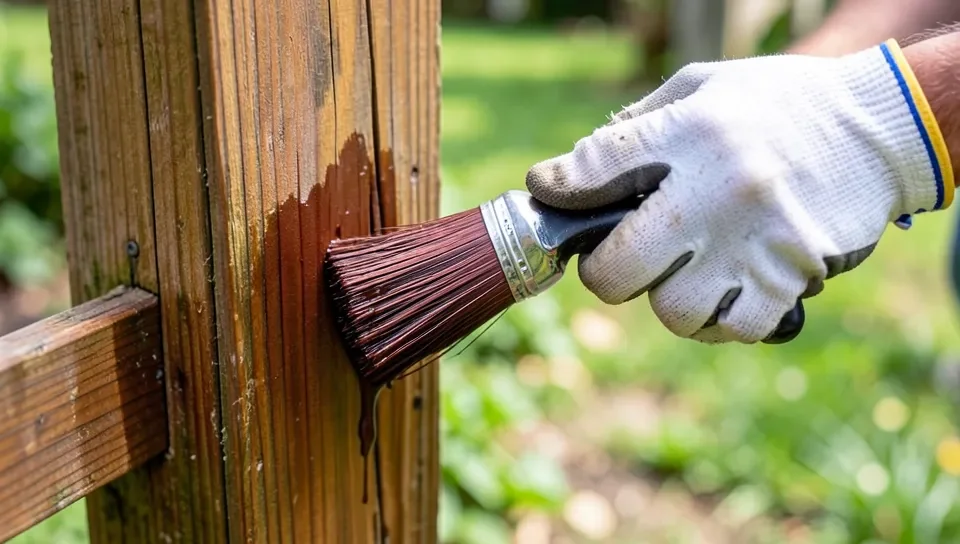
Because cedar’s grain resists deep penetration either way, a brush- or roller-applied preservative gets you most of the same protection an industrial cylinder would, without needing the wood to be re-milled or shipped to a treatment plant. Copper naphthenate — the same class of preservative used in many industrial treatments — is available as a ready-to-use, brush-on liquid and is the standard code-compliant option for treating field cuts and exposed end grain on treated lumber. For cedar specifically, it’s most useful on ground-contact posts, cut ends, and any spot where the natural heartwood has been exposed by cutting or drilling.
For above-ground cedar that just needs weather protection rather than insect/decay-hazard-grade treatment, a penetrating oil (linseed or tung oil) or a UV-protective exterior sealer does the job with far less odor and no color change to worry about.
Frequently Asked Questions
Can cedar wood be pressure treated?
Yes. Cedar can go through the same pressure treatment process as any other wood species, but its tight, resin-filled grain resists the chemical penetration that makes the process effective, so mills rarely do it and usually incise the wood first when they do.
Does cedar need to be pressure treated?
Usually not. Cedar heartwood contains natural oils and tannins that already resist rot and insects, giving it a comparable outdoor lifespan to pressure-treated pine without any chemical treatment. Ground-contact posts in high-decay climates are the main exception.
Why is cedar not usually pressure treated?
Cedar’s dense, tight-grained heartwood resists preservative absorption, so a standard pressure treatment cycle only penetrates a shallow surface layer instead of soaking in deeply the way it does with Southern yellow pine. That makes pressure treating cedar less effective and not worth the added cost for most projects.
What’s the difference between pressure-treated cedar and pressure-treated pine?
Pressure-treated pine relies almost entirely on the chemical preservative for its decay resistance, since pine has little natural durability on its own. Cedar already has natural decay resistance built in, so pressure treating it adds comparatively little extra protection relative to the cost and typically requires incising to work at all.
Bottom Line
Cedar can be pressure treated, but its own grain structure works against the process, and its natural oils usually make the extra step unnecessary. Save pressure treatment (or a brush-on copper naphthenate preservative) for ground-contact posts, high-decay climates, and code-required field cuts — and let all-heartwood cedar handle everything else on its own.
Sponsored / affiliate links. As an Amazon Associate I earn from qualifying purchases. I may earn additional commission from eligible campaigns.