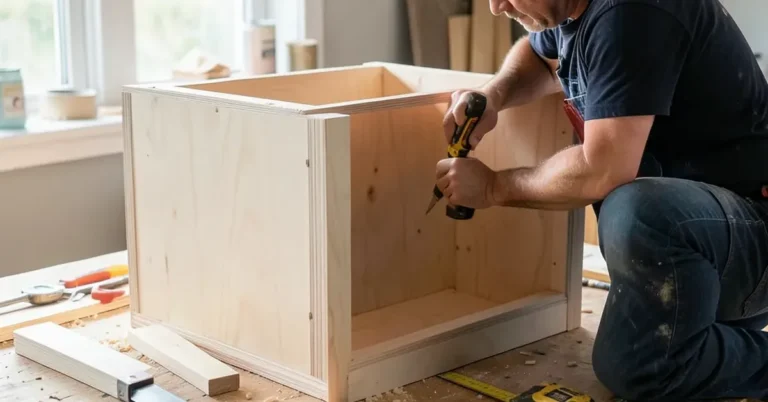
Can RTD Plywood Be Used Outside? Yes, as Covered Sheathing
Yes, RTD plywood can be used outside, but as covered sheathing, not as a bare exposed surface. RTD stands for Resistance Temperature Detector, referring to temperature-controlled sensors used during the resin-bonding press stage of manufacturing — it’s a production process detail, not a special waterproof coating, and the resulting exterior-glue bond is genuinely suited to roof and wall sheathing applications.
What “RTD” Actually Means
If Any Face Stays Exposed
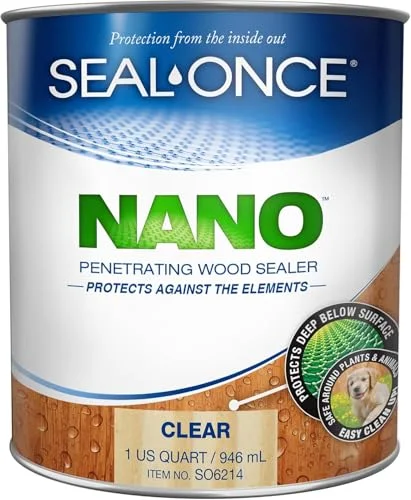 |
Seal-Once Nano Clear Penetrating Wood Sealer, Quart – $28.99 RTD’s glue bond handles moisture, but the face veneer itself still needs UV/water protection if left uncovered.
|
The precise temperature control RTD sensors provide during the hot-press bonding stage results in a more consistent, fully-cured exterior-type glue bond with better resistance to delamination than an inconsistently-pressed panel would have. This is a manufacturing quality detail, not a magic moisture-proofing treatment — the term describes how the panel was made, not an added protective layer on top of it.
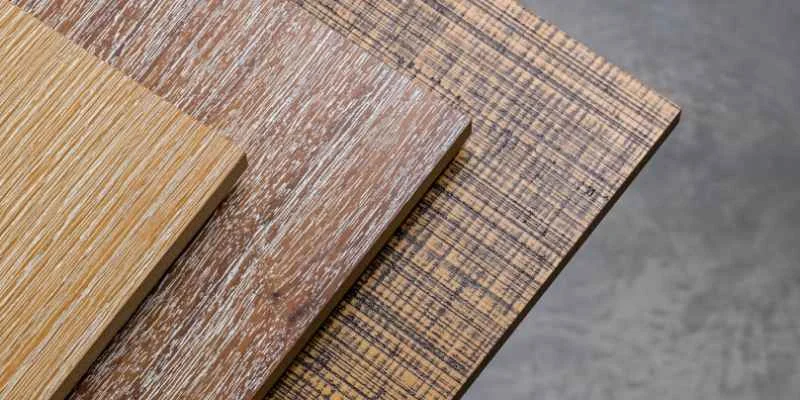
Covered Sheathing: Yes. Exposed Surface: No.
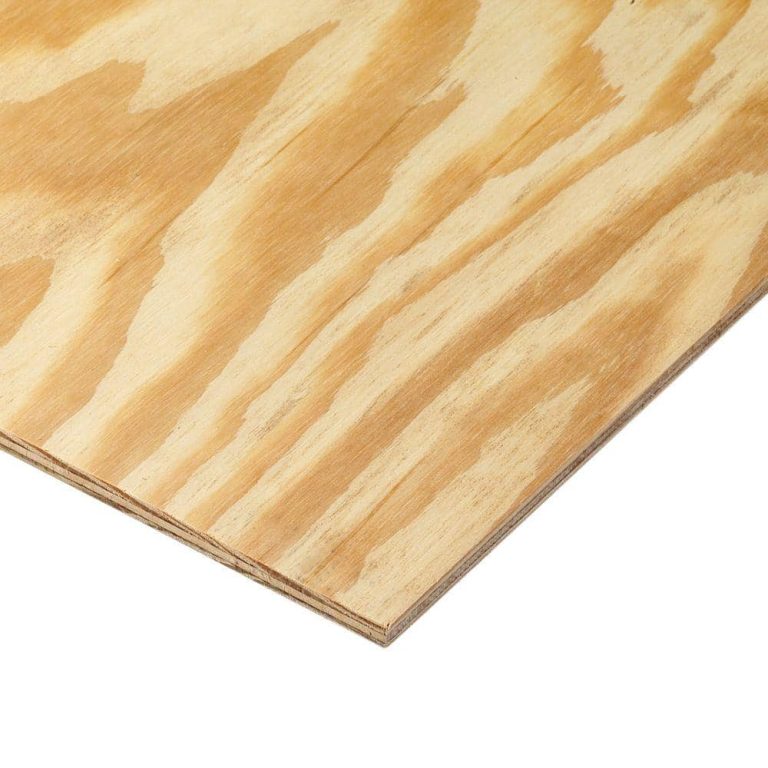
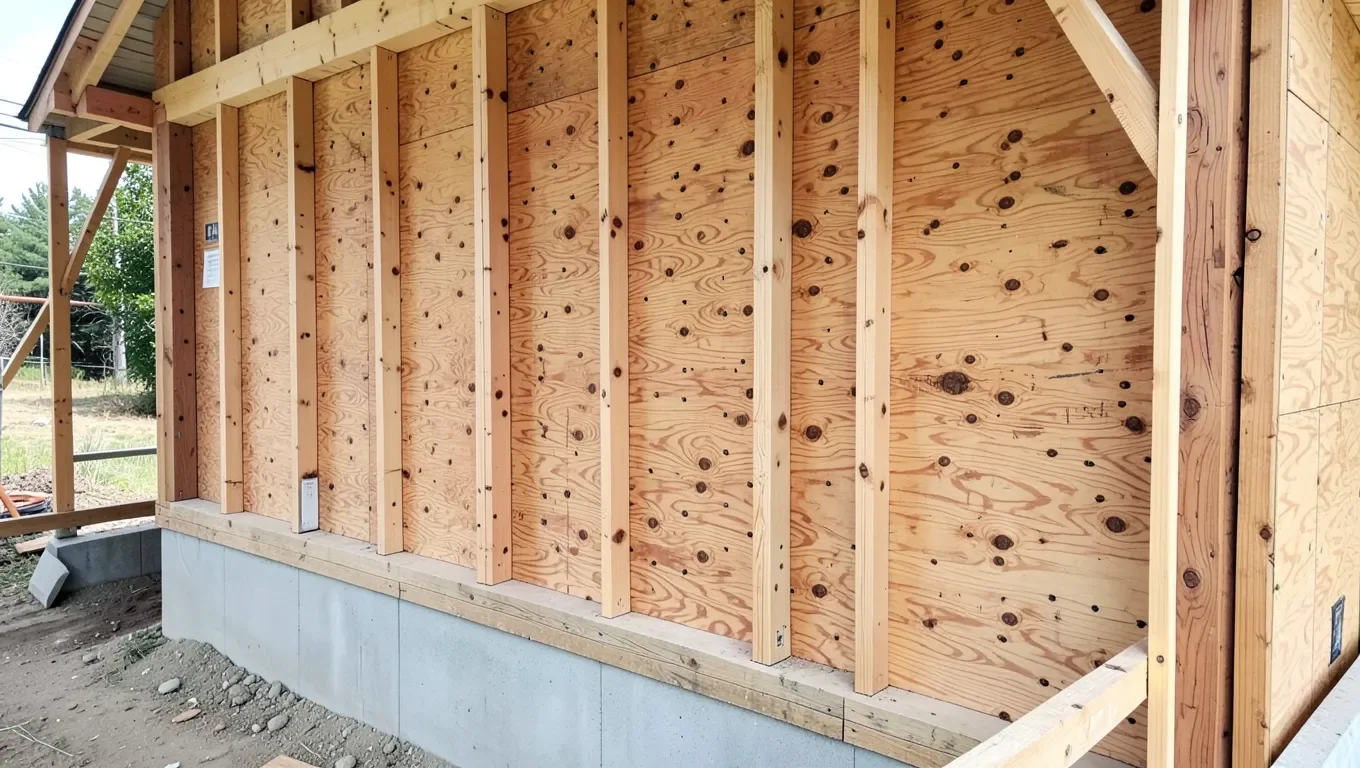
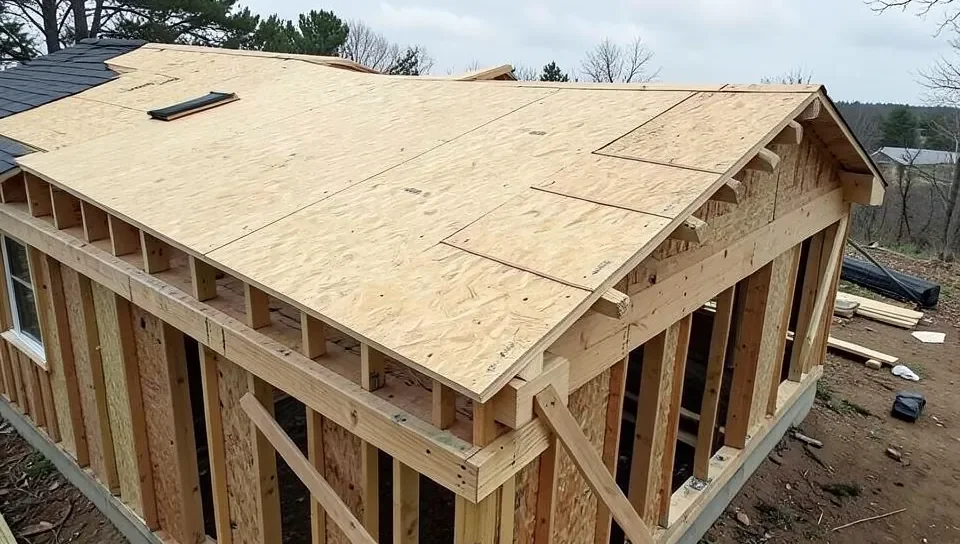
RTD plywood is commonly and correctly used as roof and wall sheathing — installed under shingles, siding, or another weather barrier, where its exterior-rated glue bond resists the moisture and temperature swings that occur even in a covered assembly. What it is not suited for is permanent bare exposure: the face veneer is typically a C or D structural grade (allows knots and patches), not a finish-grade surface meant to handle direct sun and rain indefinitely, even with the glue bond holding up fine underneath.
If a Face Will Stay Exposed Temporarily
If RTD plywood will be exposed to weather for any real length of time before final covering goes on (common during a multi-week build), a penetrating sealer on the edges and face reduces moisture uptake and checking during that window. This isn’t a permanent outdoor-exposure solution, but it meaningfully protects the panel until the actual weather barrier (roofing, siding, house wrap) is installed.
Frequently Asked Questions
What does RTD stand for on plywood?
Resistance Temperature Detector — sensors used to control temperature during the resin-bonding manufacturing stage. It describes the production process, not a special coating or product name.
Can RTD plywood be left exposed outdoors permanently?
No. It’s rated for covered sheathing use (under roofing or siding), but its face veneer isn’t a finish-grade surface meant for permanent bare exposure to sun and rain.
Is RTD plywood the same as marine-grade plywood?
No. Marine-grade plywood uses higher-grade veneers with fewer voids and is intended for continuous wet or exposed use. RTD is structural sheathing-grade, suited for covered exterior applications instead.
Conclusion
RTD plywood is genuinely suited to outdoor use as covered sheathing under roofing or siding — the “RTD” name just describes the temperature-controlled manufacturing process, not a special weatherproofing. Keep the face veneer covered or sealed rather than permanently exposed, and it performs exactly as intended. The same covered-vs-permanent distinction applies to Exposure 1 rated plywood.
Sponsored / affiliate links. As an Amazon Associate I earn from qualifying purchases. I may earn additional commission from eligible campaigns.