Is 23/32 the Same as 3/4 Plywood? Yes, Plus Real Sizes
Yes. Plywood sold as 3/4-inch is 23/32 inch thick, which is 0.71875 inches or 18.26 mm. The 3/4 is the name on the label and 23/32 is the real size, a gap of exactly 1/32 inch (0.03125 inches, or 0.79 mm). For subfloors, shelves and most furniture that gap is invisible. For a dado, a rabbet or a stack of sheets it is the difference between a snug joint and a sloppy one, so this guide gives you the full size chart and the shop math.
Yes, 23/32 Plywood Is Sold as 3/4-Inch Plywood
Best Digital Caliper Pick
 |
iGaging IP54 Digital Caliper, 0-6 Inch – $37.99 Plywood labeled 3/4 is really 23/32, so measure the sheet in your hands before you set a dado or rabbet. This caliper reads inches, millimeters and fractions.
|
North American plywood is sold by nominal thickness, the round number printed on the label and the price tag. The standard that governs structural panels, published by APA (the Engineered Wood Association), sorts panels into Performance Categories such as 1/2, 5/8 and 3/4. The actual thickness of a 3/4 Category panel is 23/32 inch. Nothing is wrong with the sheet and nobody is shorting you: the label is a category, and 23/32 is what the category measures.
A quick test shows it. Divide 23 by 32 and you get 0.71875. Divide 3 by 4 and you get 0.75. The difference is 0.03125 inch, roughly the thickness of eight sheets of printer paper stacked together.
Nominal vs Actual Thickness for Every Common Plywood Size
The 3/4 sheet is not a special case. Every structural plywood category on the shelf is 1/32 inch under its label, which is why this question comes up for 1/2-inch, 5/8-inch and 1/4-inch sheets too. Here is the full chart, with the decimal and metric values you need when you set a fence or a router bit.
| Label on the sheet | Actual thickness | Decimal (in) | Millimeters | Gap from label |
|---|---|---|---|---|
| 1/4 inch | 7/32 inch | 0.21875 | 5.56 mm | 1/32 inch |
| 3/8 inch | 11/32 inch | 0.34375 | 8.73 mm | 1/32 inch |
| 1/2 inch | 15/32 inch | 0.46875 | 11.91 mm | 1/32 inch |
| 5/8 inch | 19/32 inch | 0.59375 | 15.08 mm | 1/32 inch |
| 3/4 inch | 23/32 inch | 0.71875 | 18.26 mm | 1/32 inch |
If you are choosing between neighboring sizes, our comparisons of 1/2 vs 3/4 plywood and 5/8 vs 3/4 plywood cover strength and span. If you want the shorter cabinet-making take on this same question, see 23/32 vs 3/4 plywood.
Is the Missing 1/32 Inch a Defect?
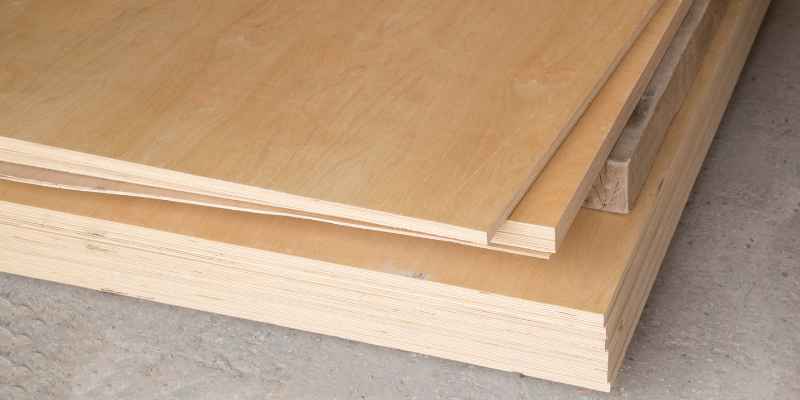
A common belief is that 23/32 plywood is a thinner, cheaper product that stores slip in instead of true 3/4. It is not. Sheets at the lumberyard stamped 3/4 and sheets stamped 23/32 are the same panel, and almost nothing on a home center shelf measures a full 0.750 inches. Another belief is that 3/4 plywood is exactly 0.75 inches because the label says so. The label is a category name, and the calipers disagree with it.
One thing is true: individual sheets vary. Thickness drifts a little between mills, between grades and between batches, and hardwood plywood sold for cabinets is not always cut to the same target as sheathing. That is why the safe habit is to measure the sheet you are holding rather than trust either number.
You can confirm it on any rated panel without a tool. Structural plywood carries a grade stamp on the face or edge, and that stamp lists the Performance Category, often printed as 23/32 CAT, next to the span rating. If the stamp says 23/32 and the tag says 3/4, you are looking at one product with two names. Panels without a stamp, such as imported hardwood plywood, are the ones where measuring matters most, because there is no standard category to lean on.
When the 1/32 Inch Gap Matters
| Project | Does 1/32 inch matter? | What to do |
|---|---|---|
| Subfloor and roof or wall sheathing | No | Treat 23/32 and 3/4 as the same panel; framing is designed around it |
| Shelves and basic furniture | No | The gap is not visible and does not change strength |
| Dado and rabbet joints | Yes | Cut the groove to the measured thickness, not 0.750 inches |
| Cabinet boxes with edge banding | Sometimes | Test the fit with scrap so faces and banding line up flush |
| Stacked or laminated panels | Yes | The error adds up with each layer (see the math below) |
| Mixing brands or mixing metric panels | Yes | Measure every sheet; do not assume they match |
The stacking math is where people get caught. Four sheets of 23/32 plywood stack to 2.875 inches, not the 3.000 inches the labels suggest. Ten sheets stack to 7.1875 inches instead of 7.500, a shortfall of more than 5/16 inch. If you are building a laminated workbench top, a torsion-box core or a tall stack of shelf panels, add up the real numbers.
Dadoes are the other trap. A standard dado stack set to 3/4 inch (0.750) cuts a groove 1/32 inch wider than a 23/32 panel, so the panel rattles instead of seating. Glue prefers a close fit, and a gap that size is more than most glue lines fill well. Plan to shim the dado stack or adjust the router fence until the groove matches the measured panel, usually within a few thousandths of an inch.
How to Measure and Fit Plywood Joinery
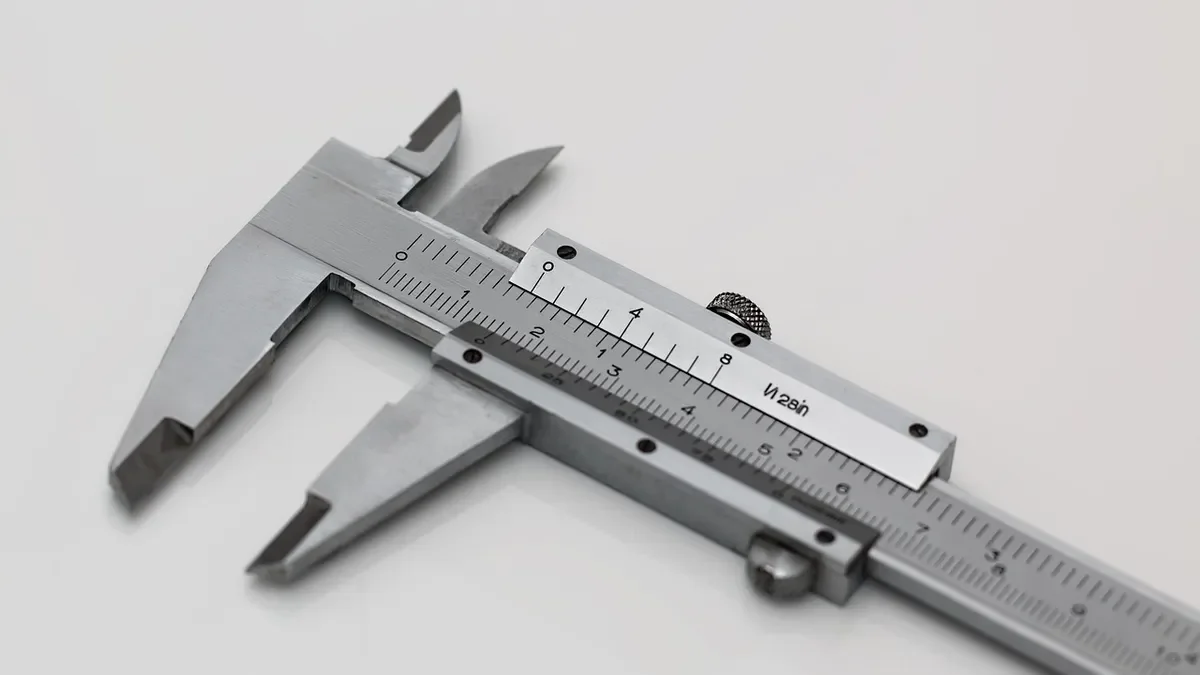
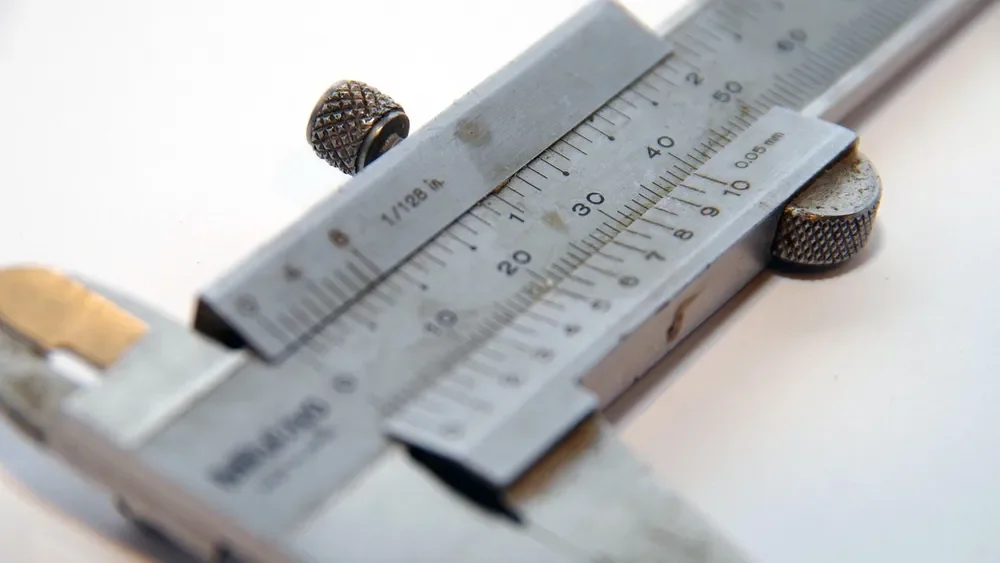
You do not need lab equipment. A caliper reads the real thickness in seconds, and the same habit works for any panel you buy. Follow this order whenever the joint has to fit tight:
- Measure the sheet at the edge in at least three places, away from the corners, and note the smallest number.
- Cut a test groove in an offcut from the same sheet, not a different one.
- Sneak up on the width by adding a shim to the dado stack or moving the router fence a hair at a time.
- Dry-fit the real panel before you spread any glue.
- Cut every groove in the project from the same setup, using panels from the same stack.
Router bits sold as undersized plywood bits exist for this exact reason: they cut a groove sized for 23/32 and similar actual thicknesses instead of the nominal number, which saves the shimming step. For more help planning the joints themselves, see our guide on how to join plywood together.
What About 18 mm and Other Metric Panels?
Metric sheets are labeled with real dimensions, so an 18 mm panel is 18 mm. That is 0.709 inches, about 0.010 inch thinner than a 23/32 sheet (18.26 mm). Baltic birch and some imported cabinet plywood are commonly sold in metric thicknesses, and a stack of mixed 3/4 and 18 mm panels will not line up flush. Keep the two systems separate within one project and set your joinery for the one you actually bought.
Does 23/32 Plywood Cost Less Than 3/4?
No, because they are the same panel. When a sheet is priced differently, the reason is the species, the face grade, the core and the retailer, not whether the tag says 3/4 or 23/32. To compare actual prices, see our pages on plywood costs at Home Depot and 3/4 inch plywood 4×8 sheet price at Lowes. For subfloor panels specifically, our plywood subfloor types guide explains the grades and the tongue-and-groove edge.
Frequently Asked Questions
Is 23/32 plywood the same as 3/4 plywood?
Yes. Plywood sold as 3/4-inch is 23/32 inch thick (0.71875 inches or 18.26 mm). The 3/4 is the nominal name and 23/32 is the real size, a difference of 1/32 inch.
Is 23/32 thicker or thinner than 3/4?
Thinner. 23/32 inch is 0.71875 inches and 3/4 inch is 0.75 inches, so the sheet is 1/32 inch (about 0.8 mm) under the name on the label.
How thick is 23/32 plywood in mm?
23/32 inch is 18.26 mm. A metric panel sold as 18 mm is 0.709 inches, about 0.010 inch thinner than a 23/32 sheet.
Is subfloor 3/4 or 23/32?
They are the same panel. Subfloor sold as 3/4-inch is normally a 23/32 Performance Category panel, so check the grade stamp on the sheet.
Can I use a 3/4-inch dado blade on 23/32 plywood?
You can, but a dado cut at 0.75 inch leaves about 1/32 inch of slop around a 23/32 sheet. Set the dado to the measured thickness with shims, or use an undersized plywood router bit.
Bottom Line
Treat 23/32 and 3/4 as the same plywood, because they are. Use the label for shopping and the real number for building: 0.71875 inches, 18.26 mm, 1/32 inch under the name. Measure the sheet before any dado, rabbet or stack, and the one-thirty-second never shows up in your finished work.
Sponsored / affiliate links. As an Amazon Associate I earn from qualifying purchases. I may earn additional commission from eligible campaigns.