Can Rustoleum Paint Over Rust? Does It Really Work?
Rust-Oleum paints are designed to work on lightly rusted surfaces. They contain rust inhibitors. For best results, you should still prep the surface. Heavy rust often needs more than just paint. The paint can seal and stop minor rust from spreading if applied correctly.
Understanding Rust-Oleum and Rust
So, what exactly is rust? It’s the result of iron reacting with oxygen and moisture. This forms iron oxide, which we see as that familiar reddish-brown flaky stuff.
It weakens metal over time. It can make things fall apart if you let it go too long. Rust-Oleum is a brand that makes paints and coatings.
Many of their products aim to tackle rust head-on.
The core idea behind many Rust-Oleum products is that they don’t just cover the rust. Some formulas are designed to actually convert the rust. This means they change the chemical nature of the rust.
They turn it into a stable, paintable surface. Others work by sealing the rust out. They create a barrier against moisture.
This stops the rust from getting worse.
It’s important to know that not all Rust-Oleum products are the same. Some are primers. Others are topcoats.
Some are all-in-one solutions. The specific product you choose matters. The way the rust looks also matters.
A little bit of surface rust is very different from deep, pitted corrosion. Understanding these differences helps you pick the right product and use it well.
Think about it like a scraped knee. A small cut might just need a band-aid. A deep gash might need stitches and cleaning first.
Metal rust is similar. Rust-Oleum offers a range of solutions. They aim to match the severity of the “wound” on your metal object.
My First Rust Project: A Cautionary Tale
I remember my first encounter with a truly rusty garden bench. It was a beautiful old cast iron piece. It had been left out in the rain for a few too many seasons.
Flakes of rust were everywhere. I’d seen ads for Rust-Oleum. They showed shiny, new-looking metal after just one coat.
I thought, “Easy peasy!”
So, I grabbed a can of what I thought was the “rust-stopping” kind. I skipped any real prep work. I just brushed off the loose flakes.
Then I slapped on a thick coat of dark green paint. It looked okay at first. The color covered the brown.
I felt pretty proud.
Fast forward a few months. We had a wet fall and a cold winter. When spring rolled around, I went to sit on my bench.
The paint was bubbling. Worse, the rust was peeking through. It was actually worse than before in some spots.
I learned a hard lesson that day. There’s more to it than just painting over the problem.
That experience made me realize that while these paints are helpful, they aren’t miracle cures. They work best when you give them a fighting chance. Proper preparation is key.
It’s like setting the stage for a great performance. Without it, even the best actors (or paints) can stumble.
It took me a while to go back and do it right. This time, I sanded. I used a wire brush.
I cleaned the surface thoroughly. Then I applied the Rust-Oleum product as directed. The difference was night and day.
The bench looked fantastic. It lasted much longer too.
How Does Rust-Oleum Actually Work on Rust?
Rust-Oleum products often contain special ingredients. These ingredients do a few key things to combat rust. They are designed to work directly on or with the rust itself.
It’s not magic, but it is smart chemistry.
One common approach is using rust converters. These are chemical treatments. They react with the rust.
They change it into a stable, black compound. This compound is usually an iron tannate or similar. This new material is inert.
It doesn’t spread. It also provides a good surface for paint to stick to. Think of it as turning a rotten apple into a solid, dry pellet.
Another method involves rust inhibitors. These are often zinc-rich formulas. Zinc is more reactive than iron.
When exposed to the elements, the zinc corrodes instead of the iron. This sacrifices itself to protect the underlying metal. It’s like having a bodyguard for your iron.
This is often seen in “galvanizing” paints.
Some paints also act as barriers. They are formulated to be very durable and non-porous. They are designed to block moisture and oxygen.
If you can keep water and air away from the iron, rust cannot form or spread. This is a crucial part of the process. Even with a converter or inhibitor, a good seal is essential.
The “all-in-one” paints often combine these features. They might have a rust converter. They might also have rust inhibitors and a strong barrier coating.
This makes them convenient. You can often skip a separate primer. However, this convenience sometimes comes with limitations.
Deep rust might still be too much for these single-step solutions.
The effectiveness depends on the type of rust and the specific product. It also depends heavily on how well the surface is prepared before painting. This is where many projects go wrong.
The paint needs a clean, stable surface to bond with. If the rust is flaking away, the paint will flake away with it.
Key Ingredients in Rust-Fighting Paints
Rust Converters: Chemicals that change iron oxide into a stable compound. Examples include tannic acid or phosphoric acid.
Rust Inhibitors: Substances that slow down or prevent rust formation. Zinc dust is a common example.
Corrosion-Resistant Pigments: Special pigments that help protect the metal from further damage.
Durable Binders: The “glue” that holds the paint together and forms a protective film. These are formulated for adhesion and flexibility.
What Kind of Rust Can Rust-Oleum Handle?
This is where we need to be realistic. Rust-Oleum paints are best for certain types of rust. They are not a magical fix for every rusted item.
Light Surface Rust: This is the kind that is just starting. You see a thin, reddish-brown layer. It might be slightly chalky.
You can often brush off a little bit of dust. This is the ideal scenario for most Rust-Oleum products. They can convert or seal this light rust effectively.
Moderate Surface Rust: Here, the rust is more widespread. It might be a bit thicker. You might see some light pitting.
You can still remove the loose, flaky bits with a wire brush or sandpaper. Many Rust-Oleum paints can handle this. But you must do a good job of removing the loose rust.
You also need to ensure the surface is clean.
Heavy Rust: This is when the metal is deeply pitted. It might be very thin in places. Large chunks of rust are falling off.
The metal might be soft or even have holes. Honestly, paint alone is usually not enough here. You need to remove as much of the heavy rust as possible.
This might involve sanding, grinding, or even sandblasting. After that, you might need a specialized primer before applying a topcoat. Some Rust-Oleum products might be used as a primer in this stage, but they won’t solve the problem on their own.
Flash Rust: This is a very thin layer of rust that can appear on bare metal. It happens quickly when metal is exposed to moisture. It’s usually easy to clean off.
Most Rust-Oleum paints can handle flash rust if it’s cleaned first. But it’s best to prevent it by priming or painting quickly.
The key takeaway is that preparation is always important. For light rust, it might mean a quick wipe-down and a light sanding. For heavier rust, it means much more aggressive cleaning.
Always check the product label. It will tell you what kind of surface and rust condition the paint is designed for.
Imagine trying to paint a muddy wall. The paint won’t stick well. It might peel.
Rust is like mud for metal. You need to clean it off first. Rust-Oleum helps with the rust that’s left behind.
But it needs a good foundation.
Preparing Your Surface: The Most Important Step
This is where my story went wrong the first time. And it’s where many DIY projects falter. Skipping or rushing surface preparation is the fastest way to a failed paint job.
Rust-Oleum paints are good, but they can’t work miracles on a poorly prepared surface. They need a clean, stable foundation to adhere to and protect.
Here’s a breakdown of what surface preparation typically involves:
1. Cleaning: Start by washing the item. Use soap and water.
You can also use a degreaser. This removes dirt, grease, oil, and grime. These substances will prevent the paint from sticking.
Rinse thoroughly. Let it dry completely. A clean surface is the first step to a good bond.
2. Removing Loose Rust: This is crucial. Use a wire brush, sandpaper, or a grinding wheel.
You need to get rid of all the flaky, loose rust. If you paint over loose rust, the paint will lift off with the rust later. You want to get down to a solid surface.
It doesn’t have to be shiny bare metal for all products, but it must be solid.
3. Addressing Deeper Rust (If Necessary): For moderate to heavy rust, you might need more. Sanding with coarser grit sandpaper (like 80-grit) can help.
For very rough rust, a wire wheel on a drill or an angle grinder might be needed. If there are holes or deep pitting, you may need to fill these after rust removal. Some repair epoxies work well for this.
4. Final Cleaning: After sanding or grinding, you’ll have a lot of dust. You need to remove this dust.
Use a tack cloth. You can also use a damp rag. Some people use mineral spirits or a specific metal cleaner.
This step ensures no dust particles are left. Dust prevents a smooth, even finish.
5. Priming (Sometimes): While many Rust-Oleum paints claim to be “direct-to-rust” or “no primer needed,” a good primer can enhance durability. For very aggressive environments or if you want maximum protection, applying a rust-inhibitive primer first is a good idea.
This gives you a double layer of protection.
The goal is to create a surface that the paint can grip. It should also be a surface where the rust is no longer actively spreading. Rust-Oleum provides the protective top layer.
But it needs a stable base.
Quick Prep Checklist
- Wash and dry the item thoroughly.
- Remove all loose, flaky rust with a wire brush or sandpaper.
- For tougher rust, use coarser sandpaper or a wire wheel.
- Wipe away all dust with a tack cloth or damp rag.
- Ensure the surface is completely dry before painting.
Choosing the Right Rust-Oleum Product
Rust-Oleum has a huge range of products. It can be confusing to pick the right one. Here’s a look at some common types and what they’re best for:
Rust-Oleum Stops Rust: This is their classic line. It’s very versatile. It’s good for metal furniture, fences, railings, and equipment.
Many of these formulas offer rust prevention. They also come in many colors and finishes. They can often be applied directly to light to moderate rust after basic prep.
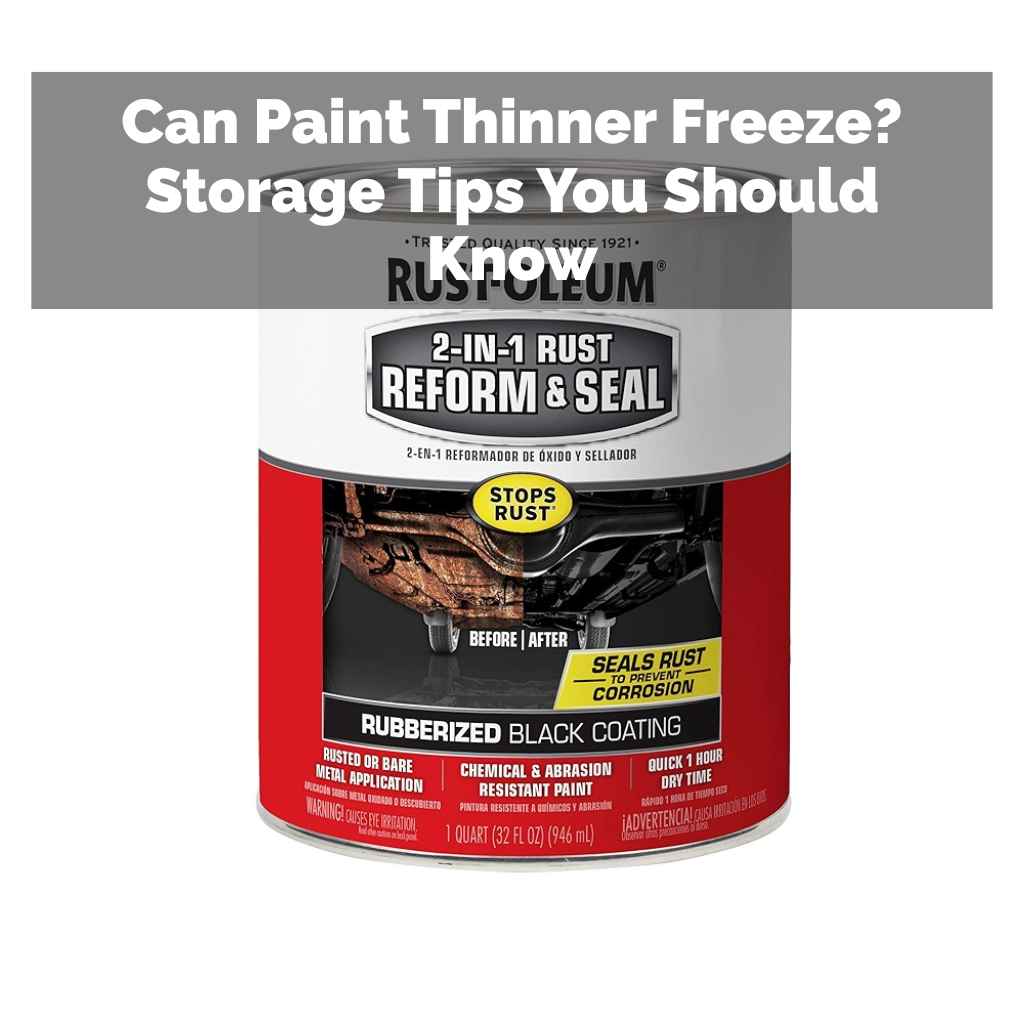
Rust-Oleum Specialty: Rust Reformer: This product is specifically designed to convert rust. It dries to a flat black finish. You usually need to topcoat it with another paint.
It’s excellent for heavily rusted items where you’ve removed loose rust. It creates a stable surface for your final color.
Rust-Oleum Painter’s Touch 2X Ultra Cover: While not strictly a rust-specific product, it adheres well. It can cover light rust. It offers good durability.
It comes in spray cans and brush-on formulas. It’s a good option if your rust is very minor and you want a quick finish.
Rust-Oleum Clean Coat: This is more of a primer. It’s designed to be applied over rust. It has rust-inhibiting properties.
You then apply a topcoat over it. This gives you a two-step system for better protection.
Primers: Rust-Oleum offers several rust-inhibitive primers. These are designed to go directly onto rusted metal. They offer a strong base for your topcoat.
If you’re unsure or the item is exposed to harsh conditions, using a dedicated primer is a smart move.
When in doubt, read the product label carefully. It will state whether primer is needed. It will also tell you what types of surfaces and rust conditions the product is meant for.
Visiting the Rust-Oleum website is also helpful. They have product selectors.
Think about the environment the item will be in. Will it be outside all year? Will it be in a humid bathroom?
Will it be constantly touched? These factors influence how robust your rust protection needs to be. A garden gate might need more than a decorative indoor shelf.
Product Type Quick Guide
For Light Surface Rust: Rust-Oleum Stops Rust (direct to metal formula)
For Moderate Rust: Rust-Oleum Stops Rust + proper prep, or Rust-Oleum Clean Coat primer.
To Convert Existing Rust: Rust-Oleum Specialty Rust Reformer (then topcoat).
For Maximum Protection: Use a dedicated Rust-Oleum rust-inhibitive primer, then a topcoat.
Applying Rust-Oleum Paint: Best Practices
Once your surface is prepped and you have the right product, application is key. Following the manufacturer’s instructions is always the best policy. But here are some general best practices that help ensure success.
1. Stir Thoroughly: If you are using a brush-on paint, stir it very well. The pigments and rust inhibitors settle at the bottom.
You need to mix them back into the paint. Stir for at least a minute or two. Don’t shake cans vigorously unless the instructions say to.
Shaking can create air bubbles.
2. Apply in Good Conditions: Paint in moderate temperatures. Avoid direct, hot sunlight.
High humidity can also cause problems. Look for temperatures between 50°F and 85°F (10°C and 30°C). Check the product can for specific temperature ranges.
3. Thin Coats Are Better: It’s almost always better to apply two thin coats than one thick coat. Thin coats dry faster.
They adhere better. They provide a smoother, more durable finish. Thick coats can sag, drip, and take a very long time to dry.
They also don’t cure as hard.
4. Follow Drying Times: Pay attention to the “recoat time” on the can. Applying a second coat too soon can lift the first coat.
Applying it too late can result in poor adhesion between coats. Patience is rewarded here.
5. Use the Right Tools: For brush-on paints, use high-quality brushes or rollers. Synthetic bristles are good for oil-based paints.
For spray cans, use even, sweeping motions. Hold the can about 10-12 inches from the surface. Overlap each pass by about half.
6. Edge and Corner Coverage: Pay extra attention to edges and corners. These are often the first places where rust starts.
Make sure you get good coverage here. Use a small brush to get into tight spots.
7. Ventilation: Always paint in a well-ventilated area. This is for your health and to help the paint dry properly.
Open windows and doors. Use fans if needed.
The goal is to create a continuous, protective film. Any gaps or thin spots can let moisture in. This will allow rust to start again.
Applying the paint correctly builds that strong defense.
Spray Can Application Tips
Shake the can for at least 1 minute after you hear the ball rattle.
Test spray on a scrap piece first.
Hold the can 10-12 inches away from the surface.
Use smooth, even strokes. Overlap each pass by 50%.
Apply light coats. Multiple thin coats are better than one heavy coat.
Turn the can upside down and spray to clear the nozzle after use.
What Happens If You Don’t Prep Properly?
I’ve already shared my cautionary tale, but let’s think about the consequences more broadly. When you skip proper surface preparation, you’re essentially asking the paint to do something impossible. You’re asking it to stick to something that’s already failing.
1. Poor Adhesion: The paint simply won’t stick well. It might peel, flake, or bubble soon after application.
This is because it’s bonding to loose rust, dirt, or grease instead of the solid metal underneath.
2. Rust Spreading Underneath: Even if the paint sticks initially, the rust can continue to spread underneath the coating. The paint acts like a seal, but if it’s not bonded to solid metal, moisture can still get to the iron.
The rust will grow, pushing the paint off from beneath.
3. Short-Lived Finish: The aesthetic appeal will be short-lived. The rust will show through.
The paint will start to look bad. You’ll have to redo the job, likely with more effort the second time around.
4. Wasted Time and Money: You’ll have spent money on paint, tools, and your time. If the job fails, you have to buy more materials and spend more time fixing it.
It’s much more efficient to do it right the first time.
5. Potential for Structural Damage: In some cases, letting rust spread unchecked can weaken the metal. If you’re painting something structural, like a railing or a trailer frame, unchecked rust can lead to safety hazards.
It’s really about managing expectations. Rust-Oleum paints are excellent tools for protecting and beautifying metal. They are designed to handle certain rust conditions.
But they require a cooperative surface. Without that cooperation, their effectiveness is greatly reduced.
Think about painting a wall with peeling wallpaper. You wouldn’t just paint over the peeling paper and expect it to look good or last. You’d remove the loose paper first.
Metal is no different.
When to Call in the Professionals (or Use More Heavy-Duty Solutions)
While many DIYers can achieve great results with Rust-Oleum, there are times when it’s best to look beyond standard over-the-counter products or consider professional help.
1. Large-Scale or Critical Projects: If you’re dealing with a large structure like a bridge, a commercial building’s steel frame, or a historic restoration, you’ll need industrial-grade coatings and professional application. These projects require specialized knowledge and equipment.
2. Very Deep, Pitted Rust: If the metal is severely degraded, to the point where it’s soft, pitted deeply, or has holes, paint alone won’t fix it. You might need to repair or replace the damaged section.
Specialized metal repair epoxies or professional welding might be necessary before any coating is applied.
3. Extreme Environmental Exposure: If the item will be submerged in water, constantly exposed to salt (like near the ocean or on roads treated with salt), or subjected to extreme chemicals, you might need coatings specifically designed for those harsh conditions. These are often epoxy or polyurethane-based and require professional application.
4. Time Constraints and Desire for Perfection: If you’re not a seasoned DIYer and want a flawless, long-lasting finish on a valuable item, hiring a professional painter or restoration expert can be a wise investment. They have the tools, experience, and techniques to achieve superior results.
5. Safety Concerns: If you’re dealing with heavy rust on something load-bearing or safety-critical, and you’re unsure about its structural integrity, it’s best to consult an engineer or professional contractor. They can assess the risk and recommend appropriate solutions.
For most household items like garden furniture, railings, metal doors, or tools, Rust-Oleum is an excellent solution. But it’s good to know when your project might be beyond its intended scope. Don’t feel discouraged if your project requires more.
It just means you’re tackling something challenging!
Real-World Scenarios and What to Expect
Let’s paint a picture of what you can expect in different situations when using Rust-Oleum products.
Scenario 1: An Old Metal Patio Chair
You find a classic metal patio chair at a flea market. It has some light surface rust on the legs and arms. You decide to clean it up.
Action: You wash it, use a wire brush to remove the loose rust, and wipe it down with a rag. You then apply two thin coats of Rust-Oleum Stops Rust in gloss black.
Expectation: The chair looks fantastic. The gloss finish makes it look new. It holds up well through the summer.
The following spring, you might see a tiny bit of rust starting on an edge that wasn’t perfectly prepped, but overall, it’s a big improvement and should last several seasons with minor touch-ups.
Scenario 2: A Rusty Metal Fence Post
One of your chain-link fence posts has significant rust, especially at the base where it meets the ground. It’s flaking off in places.
Action: You use a stiff wire brush and sandpaper to remove as much loose rust as possible. You get down to a rough, but solid surface. You then apply Rust-Oleum Rust Reformer.
Once that dries to its black finish, you apply two coats of Rust-Oleum Stops Rust in dark green.
Expectation: The post looks much better. The rust reformer seals the underlying rust. The green topcoat provides a uniform color.
This should last for several years. However, the area right at ground level will always be a challenge due to constant moisture. You might need to reapply every few years.
Scenario 3: A Car Rim with Brake Dust Rust
The metal rims on your car have developed a rough, rusty appearance from brake dust and road grime. It’s not deep corrosion, but it looks bad.
Action: You thoroughly wash the rims. You use a strong wheel cleaner and a brush. You might need some fine-grit sandpaper for stubborn spots.
After rinsing and drying, you apply several light coats of a high-quality, heat-resistant spray paint designed for automotive use, which may include a rust-inhibiting primer.
Expectation: The rims look clean and new. This type of rust is often surface-level. A good cleaning and a quality paint job will make a significant difference.
Durability will depend on the quality of the paint and the driving conditions (salt, chemicals, etc.).
In all these cases, the key is matching the product and the prep work to the level of rust and the item’s intended use.
Contrast Matrix: Prep vs. No Prep
Myth: “I can just paint over rust with Rust-Oleum and it will be fine.”
Reality: Rust-Oleum paints are designed to work with rust, but they need a stable surface. Painting over loose rust leads to peeling and the rust continuing to spread underneath the paint. Proper preparation involves removing loose rust and cleaning the surface.
Myth: “Any Rust-Oleum paint will do the job.”
Reality: Different Rust-Oleum products have different functions. Some are primers, some are converters, and some are direct-to-metal topcoats. Choosing the right product for the type of rust and surface is crucial.
Tips for Long-Term Rust Prevention
Painting is often a way to stop rust. But what if you want to prevent rust from forming in the first place? Or make your painted surface last even longer?
1. Regular Cleaning: Keep metal items clean. Wash off dirt, salt, and grime regularly.
This removes the elements that cause rust. For cars, this is especially important in winter.
2. Keep Things Dry: Store metal items indoors when possible. If they are outside, try to protect them from prolonged exposure to rain and dew.
Good drainage helps prevent standing water.
3. Inspect and Touch Up: Periodically check your painted metal items. Look for any small chips or scratches in the paint.
Touch these up quickly before rust has a chance to start. A small touch-up is much easier than a full repaint.
4. Use Appropriate Coatings: For areas that will see a lot of moisture or abrasion, consider using more robust coatings. Multi-layer systems with specialized primers and tough topcoats offer better protection.
5. Consider Galvanizing or Stainless Steel: For new projects, if budget allows, using galvanized steel or stainless steel is a much better option for rust prevention. They are inherently resistant to corrosion.
Rust is a persistent foe. It requires ongoing attention. Think of it as a maintenance task.
Just like weeding a garden, consistent effort keeps the problem at bay.
Frequently Asked Questions
Can I paint over very flaky, thick rust with Rust-Oleum?
No, you should not paint over very flaky, thick rust. The paint needs a solid surface to adhere to. You must remove all loose, flaky rust using a wire brush, sandpaper, or grinder first.
Then, clean the surface before painting. Heavy rust might also require a rust converter or a specialized primer.
Does Rust-Oleum paint completely stop rust forever?
Rust-Oleum paints are designed to prevent rust from spreading and to protect metal surfaces. However, no paint is a permanent, foolproof solution against rust forever, especially in harsh environments. Proper application and regular maintenance are key to long-term protection.
What is the difference between Rust-Oleum Stops Rust and Rust Reformer?
Rust-Oleum Stops Rust is a line of paints and primers that offer rust prevention and color. They are often applied directly to metal after proper prep. Rust-Oleum Specialty Rust Reformer is a primer that chemically converts rust into a stable, paintable surface.
It usually needs a topcoat for color and extra protection.
How many coats of Rust-Oleum should I apply over rust?
For best results, apply at least two thin coats of Rust-Oleum paint. Allow adequate drying time between coats as specified on the product label. Thin coats provide better adhesion and a more durable finish than one thick coat.
Can I use Rust-Oleum on galvanized metal that has rust spots?
Yes, you can paint over galvanized metal with rust spots. First, clean the surface well. Remove any loose rust.
Lightly sand the rusty areas. Then, apply a Rust-Oleum primer designed for galvanized metal, followed by your chosen topcoat. Some Rust-Oleum products may be directly applicable, but checking the label is wise.
Will painting over rust create toxic fumes?
When painting, especially with oil-based paints like many Rust-Oleum products, ensure good ventilation. The fumes are from the solvents in the paint, not the rust itself. Always use in a well-ventilated area and consider wearing a respirator.
Conclusion
So, can Rust-Oleum paint over rust? The short answer is, yes, it can be a very effective solution. But it’s not a magic wand.
The key to success lies in understanding the type of rust you’re dealing with and preparing the surface properly. By cleaning, removing loose rust, and choosing the right product, you can achieve fantastic, long-lasting results. Don’t be discouraged by past failures; a little knowledge and careful work go a long way in protecting your metal treasures.