Can a Solo Stove Go on a Wood Deck? (Stand + Mat Required)
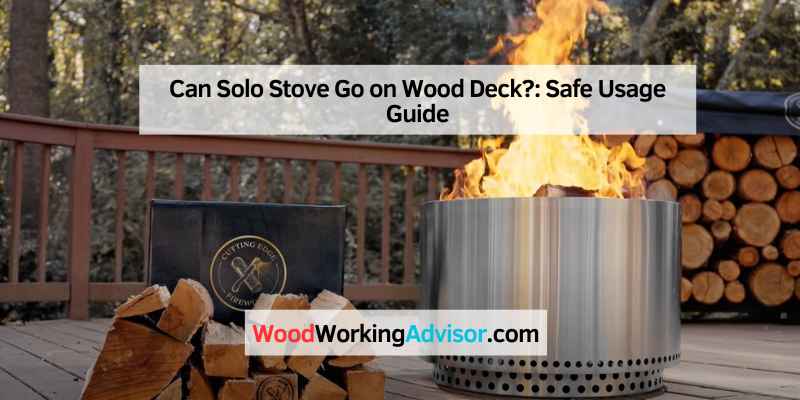
Yes — a Solo Stove (or any wood-burning fire pit) can go on a wood deck, but only with a real heat barrier underneath it. Solo Stove’s own Help Center requires the Stand (which lifts the fire pit 2.75″ off the ground) at all times on composite or PVC decking, and a fire-resistant mat under that for any deck surface, wood or composite. Skip either one and radiant heat — not just sparks — can scorch wood decking or soften composite boards like Trex at temperatures as low as 176°F.
Insert your Affiliate Disclosure reusable block here
Why Wood Decks Need Protection From A Solo Stove
A Solo Stove is a double-walled, smokeless wood-burning fire pit — and “smokeless” refers to how it burns wood cleanly, not to how much heat it radiates. The stainless steel body and the fire itself both transfer serious heat downward and outward, and that heat doesn’t care whether your deck is natural pressure-treated lumber or composite decking — both can be damaged by sustained exposure to an open flame sitting directly on the surface.
Continued exposure to roughly 1,000°F radiant heat — typical of an active wood fire — will scorch and char untreated wood decking directly beneath a fire pit, even for a well-rated composite product. That’s why Solo Stove itself, not just general fire-safety advice, builds a required stand into how the product is meant to be used outdoors.
Composite Decking: TimberTech And Trex Are Not Fireproof
A common misconception is that composite decking — brands like TimberTech and Trex — is immune to fire pit heat because it isn’t real wood. It isn’t immune. According to Trex’s own official FAQ, composite boards can soften starting at just 176°F, well below the temperature radiating off an active wood fire, and manufacturer warranties for both TimberTech and Trex typically classify fire and heat damage as “environmental damage or misuse” — meaning it is explicitly excluded from warranty coverage, not a gray area.
📊 Trex’s own FAQ states: “For wood-burning fire pits, these should not be placed directly on Trex decking unless a heat barrier is used… Trex can soften at temperatures as low as 176°F, and the intense heat or embers from a wood-burning fire can damage the decking.” — Source: Trex, Fire-Resistant Decking FAQ
Composite manufacturers do publish fire-resistance ratings (typically graded A through C under standard fire-test classifications), and a higher-rated board resists surface ignition from stray embers better than an unrated one. But a fire-resistance rating is about resisting ignition, not about tolerating hours of direct radiant heat from a fire pit sitting on top of it — those are two different kinds of exposure, and even A-rated composite decking is not designed to have a fire pit set directly on it without a barrier.
The Stand Is Not Optional On Composite Or PVC Decking
Per Solo Stove’s own Help Center, the Solo Stove Stand is required at all times when burning on composite or PVC decking — it isn’t presented as an optional upgrade for that surface type. The Stand lifts the fire pit 2.75 inches off the ground, which creates an air gap that meaningfully reduces direct heat transfer into the decking below it. On a natural wood deck, Solo Stove and most fire-safety guidance still recommend the Stand plus a heat-resistant mat as the standard combination, since wood ignites at a lower temperature than composite softens.
“A stand is required at all times when using your fire pit on composite decking or a PVC deck… The Stand lifts your fire pit 2.75 inches off the ground, creating an air gap that will minimize heat transfer to the surface below.”
Step-By-Step: Setting Up A Solo Stove Safely On A Wood Deck
- Choose the location. Pick a flat, stable, well-ventilated spot at least 10–15 feet from your house siding, railings, overhanging branches, and any outdoor furniture or fabric.
- Lay a fire-resistant mat. A rated fireproof mat goes down first, directly on the deck boards, sized larger than the stove’s footprint on all sides.
- Add the Stand. Set the Solo Stove Stand on top of the mat, then place the fire pit on the Stand — this combination is what actually creates the air gap and heat-blocking layer, not either piece alone.
- Check clearance again. Confirm nothing combustible sits within the 10–15 foot radius once the stove is in its final position.
- Build and light the fire normally, using seasoned firewood and keeping a hose or extinguisher within reach.
- Extinguish completely before leaving it unattended — let it burn down, then douse and stir the ash until it’s cool to the touch.
- Inspect the deck underneath the mat after it’s cooled, checking for any discoloration, warping, or softening that would mean the barrier wasn’t enough and needs upgrading before next use.
Wood Deck Vs. Composite Deck: Heat Protection Compared
| Deck Type | Main Risk | Minimum Protection |
|---|---|---|
| Natural/pressure-treated wood | Ignition, charring, scorching from direct heat or embers | Fire-resistant mat + Stand |
| Composite (TimberTech, Trex, etc.) | Softening at 176°F+, permanent surface damage, warranty voided | Stand required at all times, mat strongly recommended |
| Concrete pavers or stone | Discoloration, thermal cracking over repeated use | Stand recommended for surface longevity |
Common Mistakes That Damage Decks
- Using only a mat and skipping the Stand on composite decking — the mat alone doesn’t create the air gap the manufacturer requires.
- Assuming a fire-resistance rating on composite boards means the material can take direct fire-pit heat without a barrier — it doesn’t.
- Placing the stove within a few feet of railings, siding, or patio furniture instead of the recommended 10–15 foot clearance.
- Not inspecting the deck surface after the fire has cooled, so early scorching or softening goes unnoticed until it’s a permanent mark.
Recommended Heat-Protection Gear
Verified Deck-Safe Fire Pit Accessories
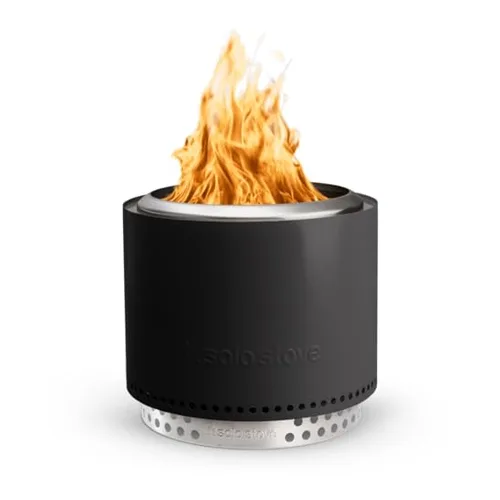
Solo Stove Bonfire 2.0 with Stand, 19.5″
The official fire pit with the required Stand already included, plus a removable ash pan for easy cleanup.
Check Price on Amazon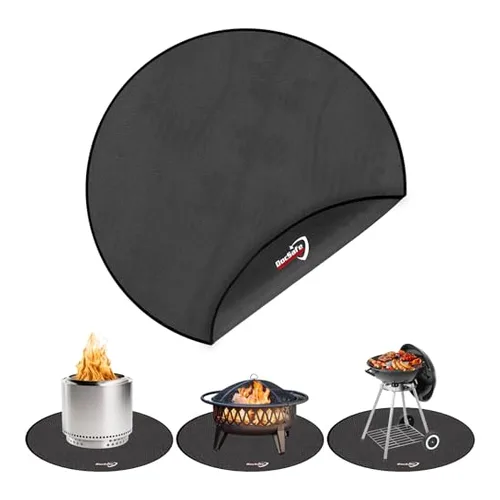
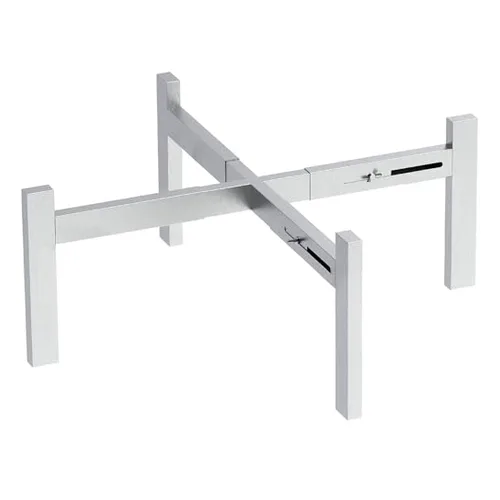
Fire Pit Stand (Bonfire/Ranger/Yukon)
Fits 15–27″ models; creates the required air gap.
Check Price →
Permits And Local Fire Codes
Many municipalities require a burn permit for any open-flame fire pit, including a Solo Stove, and set their own minimum clearance rules from structures and property lines — these vary by city and county, so check your local fire department or municipal code before your first burn, especially if you live in a dense neighborhood or an area under seasonal burn restrictions.
Frequently Asked Questions
Is It Safe To Use A Solo Stove On A Wood Deck?
Yes, with the right barrier. Solo Stove requires the Stand at all times on composite/PVC decking, and recommends the Stand plus a fire-resistant mat on any deck surface, wood included, to prevent scorching or softening from radiant heat.
Can You Put A Smokeless Fire Pit On A Composite Deck Like TimberTech Or Trex?
Only with the Stand in place. Trex’s own FAQ warns that its composite decking can soften at temperatures as low as 176°F, and both TimberTech and Trex generally exclude fire/heat damage from their warranties as “environmental damage or misuse.”
Can A Solo Stove Sit Directly On Any Surface Without A Stand?
No. Solo Stove’s own guidance requires the Stand on composite and PVC decking specifically, and recommends it broadly for any surface you want to protect from sustained radiant heat, including wood decking, pavers, and stone.
How Far Should A Solo Stove Be From The House Or Railings?
A minimum of 10–15 feet of clearance from siding, railings, overhanging branches, and outdoor furniture is the commonly recommended safe distance for an open wood-burning fire pit.
Conclusion
A Solo Stove can go on a wood deck safely, but the Stand plus a fire-resistant mat aren’t optional accessories — they’re the minimum barrier both the manufacturer and basic fire-transfer physics call for. That’s doubly true on composite decking like TimberTech or Trex, which can soften well before it visibly burns. Set up the barrier correctly, keep your clearance distance, and check local burn permit rules, and the deck and the fire can coexist without damage.
Sponsored / affiliate links. As an Amazon Associate I earn from qualifying purchases. I may earn additional commission from eligible campaigns.