Can Swiffer Be Used on Hardwood Floors? Your Ultimate Guide
A common question homeowners ask is, Can Swiffer Be Used on Hardwood Floors? It’s a pretty common query, especially for folks new to taking care of their floors. You want to keep things clean, but you don’t want to damage them. Don’t worry, you’re in the right spot! We’ll cover everything you need to know to make the best choice for your cleaning needs. We’ll give you a simple, step-by-step solution. Let’s get started with cleaning hardwood floors!
Choosing the Right Cleaning Tools for Your Floors
Selecting the correct cleaning tools is essential for maintaining the beauty and longevity of your hardwood floors. Different floor types require different cleaning methods and products. Using the wrong tools can lead to scratches, dulling, and even damage. Knowing the right equipment ensures your floors stay in great shape. This guide will help you select the most suitable tools for keeping your hardwood floors spotless and sparkling. We’ll explore various options, from basic tools to advanced cleaning systems, along with their pros and cons. This way, you can confidently choose the best tools for your floor.
Swiffer WetJet: Pros and Cons
The Swiffer WetJet is a popular choice for quick floor cleaning. It offers convenience with its all-in-one design. The built-in sprayer and disposable pads make it easy to use, especially for busy individuals. However, the WetJet has its downsides. The cleaning solution might not be suitable for all types of hardwood floors. The pads can also be expensive, leading to ongoing costs. The benefits of using this tool, such as ease of use, can sometimes be offset by potential risks. This is why it’s important to carefully consider its suitability for your specific flooring.
-
- Convenience: The Swiffer WetJet’s integrated design makes cleaning quick and easy. You don’t need to carry water or a separate cleaning solution.
This is a big plus for those who prefer fast cleaning. It’s ideal for spot cleaning spills or doing a quick sweep of high-traffic areas. The simplicity of the design reduces the time and effort needed for regular maintenance.
-
- Cleaning Solution: The WetJet’s cleaning solution is pre-mixed and readily available. This makes cleaning convenient.
The pre-mixed solution simplifies the cleaning process, and it does not require you to measure or mix. This is especially helpful for quick clean-ups and small messes.
-
- Disposable Pads: The disposable pads save you from having to clean and wring out mops.
Using disposable pads removes the need to clean and wring out reusable mops, which can be time-consuming. They also prevent the spread of dirt and germs.
-
- Potential Damage: The WetJet’s solution can leave streaks or damage the floor’s finish.
Some of the chemicals in the cleaning solution can dull the floor’s finish. You should always test it in a hidden area first.
-
- Cost: The disposable pads and solution can become expensive over time.
Although it might be initially convenient, the ongoing cost of refills can quickly add up. This may be a concern for those looking for a budget-friendly cleaning option.
Swiffer Sweeper: Dry and Wet Options
The Swiffer Sweeper offers a dry and wet cleaning approach. The dry Sweeper uses electrostatic cloths to trap dust, dirt, and pet hair. This is perfect for dry sweeping. The wet Sweeper uses wet cloths, which are ideal for mopping. This versatility makes it suitable for various cleaning needs. The dry Sweeper can capture fine particles, while the wet Sweeper tackles sticky messes. But like all cleaning tools, there are considerations. The cloths can sometimes miss dirt. The wet cloths may not suit all floor types. Understanding these nuances will help you make the right choice.
-
- Dual Functionality: The Swiffer Sweeper can be used both dry and wet, providing versatile cleaning solutions.
This flexibility makes it easy to switch between sweeping dust and mopping spills. The system helps you address a wide range of cleaning tasks with one tool.
-
- Dry Sweeping Efficiency: The dry Sweeper efficiently captures dust, hair, and small debris using its electrostatic action.
The dry cloths are very efficient at grabbing and holding onto dust, hair, and other particles. This makes them ideal for regular maintenance and quick clean-ups.
-
- Wet Mopping Capabilities: The wet cloths are effective at mopping and removing light stains and spills.
Wet cloths can lift and remove dirt and spills, making them an excellent choice for a quick mop. The wet cloths are perfect for dealing with spills or spot-cleaning.
-
- Cloth Cost: The cost of replacement cloths can add up over time.
Regular replacement of both dry and wet cloths can be an ongoing expense. You can try reusable or alternative cloths to reduce costs.
-
- Cleaning Effectiveness: The cleaning effectiveness can be limited, especially on heavily soiled surfaces.
The Swiffer Sweeper might not be the best solution for areas with deep cleaning. For more thorough cleaning, you might need a separate mop.
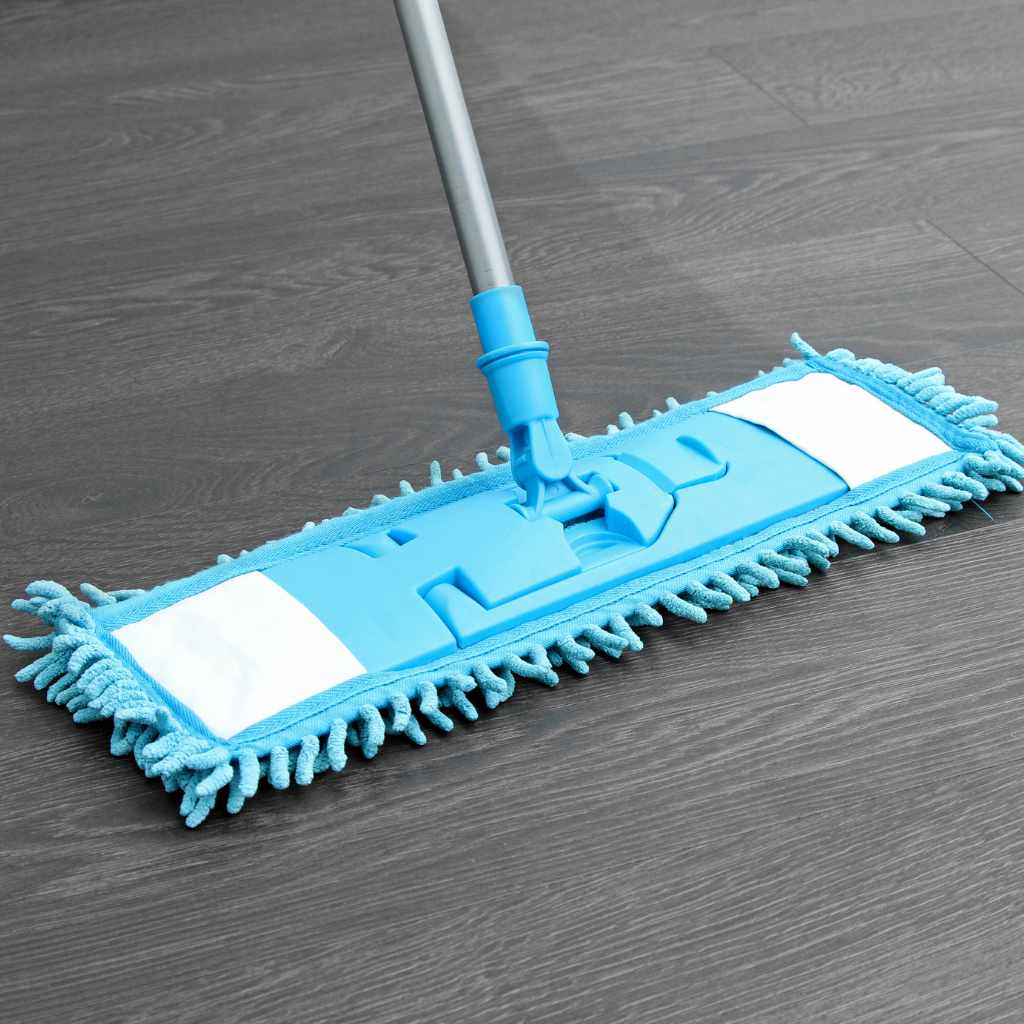
Can Swiffer Be Used on Hardwood Floors? The Answer
The question, Can Swiffer Be Used on Hardwood Floors? is important for all homeowners. The short answer is: yes, but with some important considerations. Swiffers can be useful tools for hardwood floor care. They offer convenience and speed. However, they may not be suitable for all floor types. It’s crucial to understand the nuances to make an informed choice. Certain Swiffer products and cleaning solutions can be harmful to hardwood floors. By knowing the proper methods, you can safely use a Swiffer and keep your floors in great condition. Remember, always start by doing a spot test on a hidden area of the floor.
Considerations for Hardwood Floors
When using a Swiffer on hardwood floors, several factors must be considered. The type of finish on your floors, whether it’s oil-based or polyurethane, plays a role. The cleaning solution you use can affect the finish. It’s also important to think about how frequently you clean. Overuse of certain products can cause build-up or damage. Regularly checking your floor’s condition can help prevent problems. Doing a test in an inconspicuous spot is a must before cleaning a larger area. By considering these details, you can ensure your hardwood floors stay in good shape.
-
- Floor Finish: The type of finish on your hardwood floors affects how well they handle different cleaning products.
Oil-based finishes react differently to cleaning agents than polyurethane ones. This can cause streaking, dullness, or damage. Identify your floor’s finish before you start cleaning. Consult your floor’s manual or a flooring professional.
-
- Cleaning Solution: The cleaning solution’s pH and ingredients matter greatly. Avoid solutions that are too acidic or alkaline.
Harsh chemicals, such as bleach or ammonia, can strip the finish and damage the wood. You want to choose a pH-neutral cleaner. Read the label carefully and check for ingredients that are not suitable for hardwood floors.
-
- Frequency of Cleaning: Over-cleaning, especially with harsh chemicals, can be a problem. Overusing cleaning solutions can cause build-up and damage over time.
Regular sweeping or dry dusting is often sufficient for maintaining clean hardwood floors. Use wet cleaning sparingly, and always ensure the floor is completely dry afterward.
-
- Maintenance: Routine maintenance is vital to the life of your floors. Regularly inspect your floors for scratches, wear, or damage.
If you find any issues, address them right away to prevent further damage. Clean up spills right away to avoid water damage or staining. Proper care can extend the life and beauty of your hardwood floors.
Best Practices for Swiffering Hardwood Floors
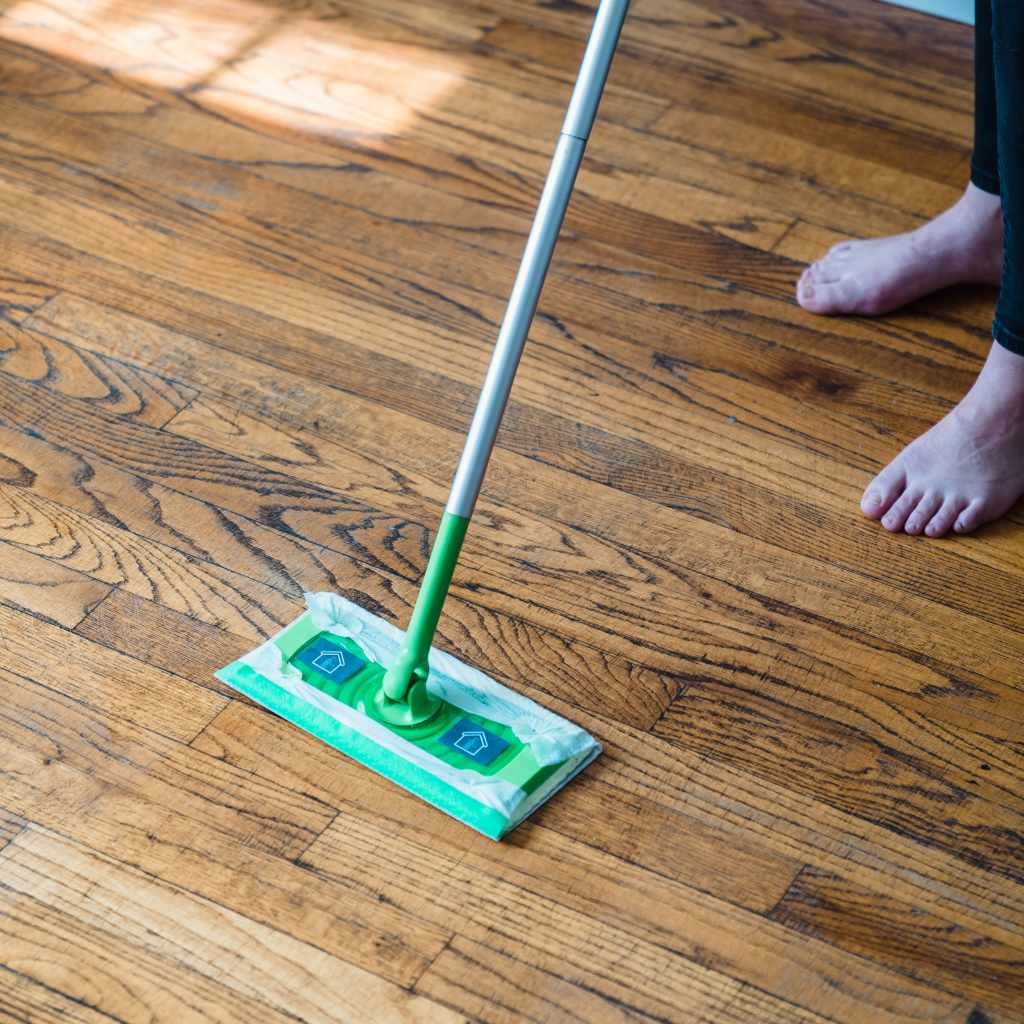
To safely and effectively use a Swiffer on hardwood floors, certain best practices must be followed. Start by sweeping or vacuuming to remove loose dirt and debris. This prevents scratching the floor. Use the appropriate Swiffer product, such as the Swiffer Sweeper with dry cloths for dusting. For mopping, use a Swiffer WetJet with a hardwood floor-safe cleaning solution. Always test the solution in a hidden spot first to make sure it doesn’t harm the finish. After wet cleaning, ensure the floor is completely dry. Adhering to these practices will keep your floors clean. It will also help preserve their beauty.
-
- Preparation: Before using any Swiffer product, sweep or vacuum the floor to remove loose dirt and debris.
This simple step prevents scratches that can occur when the Swiffer pad drags dirt across the floor. Use a soft-bristled broom or a vacuum cleaner with a hardwood floor attachment.
-
- Product Selection: Choose the right Swiffer product for your needs and floor type. Use the dry Swiffer Sweeper with dry cloths for dusting and light cleaning.
If you choose to mop, use a Swiffer WetJet with the cleaning solution that is safe for hardwood floors. This will prevent damage to the finish.
-
- Solution Testing: Before cleaning the entire floor, test the cleaning solution in an inconspicuous area, such as a closet or behind furniture.
Wait a few minutes and check for any adverse reactions, such as discoloration or dulling of the finish. If the test area looks good, you can safely proceed with cleaning the entire floor.
-
- Mopping Technique: When mopping, avoid over-saturation. Use the Swiffer WetJet or a damp Swiffer Sweeper cloth and wipe in the direction of the wood grain.
Do not let water pool on the floor, as this can damage the wood. Regularly replace the cleaning pads to ensure effective cleaning and avoid spreading dirt.
-
- Drying: After wet cleaning, ensure the floor is completely dry. Open windows or use fans to speed up the drying process.
Wet floors can warp or stain the wood. Make sure your floors are dry, especially in areas with high humidity. Proper drying protects the finish and ensures the longevity of your floors.
Alternatives to Swiffers for Hardwood Floors
While Swiffers can be useful, other cleaning options are available for hardwood floors. Mops with microfiber pads are a popular alternative. Microfiber mops are gentle on floors, and they effectively capture dirt and dust. Vacuum cleaners with special hardwood floor attachments are also a great choice. These attachments are designed to prevent scratching. Another option is a steam mop. Steam mops use hot steam to clean and sanitize floors. However, steam mops are not suitable for all finishes. Knowing your options lets you pick the best tool for your hardwood floor care.
Microfiber Mops
Microfiber mops are an effective and gentle way to clean hardwood floors. Microfiber is a soft material that traps dust and dirt better than traditional mops. These mops come in different styles, including flat mops and sponge mops. They are often reusable, which makes them an economical and eco-friendly choice. Microfiber mops work well with water or cleaning solutions suitable for hardwood. They are less likely to scratch your floors, and they dry quickly, preventing water damage. You can find options for both dry and wet cleaning. Always follow the manufacturer’s instructions for the best results.
-
- Gentle Cleaning: Microfiber mops use soft materials that are less likely to scratch or damage hardwood floors.
Microfiber’s fine fibers are gentle on floors. This makes them a great option for preserving the finish on your hardwood floors.
-
- Effective Dust and Dirt Trapping: Microfiber mops efficiently trap and lift dust, dirt, and debris from floors.
The fibers are excellent at trapping particles, leaving floors cleaner than traditional mops. The effectiveness of the mop helps you achieve a deep clean.
-
- Reusable Pads: Microfiber mop pads are often reusable and washable.
This feature cuts down on waste. You can also save money compared to disposable options. It also makes them an eco-friendly cleaning choice.
-
- Versatility: Microfiber mops come in a variety of styles, including flat mops and sponge mops, which can be used for both dry and wet cleaning.
Microfiber mops work for a range of cleaning needs. This flexibility makes them useful for various floor types and cleaning tasks.
-
- Proper Care: Always wash and dry microfiber pads properly to maintain their cleaning ability.
Correct washing methods extend the life of the pads. This helps them perform at their best over time. Always follow care instructions to ensure optimal cleaning.
Vacuum Cleaners with Hardwood Floor Attachments
Vacuum cleaners are a powerful way to keep hardwood floors clean. Choosing a vacuum with a hardwood floor attachment is very important. These attachments have soft bristles that prevent scratching. Some vacuums offer features like adjustable suction. This lets you choose the right amount of power for your floors. HEPA filters can also be a valuable addition. They remove fine particles from the air, enhancing the cleanliness of your home. Vacuuming is suitable for dry cleaning, removing dirt, dust, and pet hair. It works well on all hardwood surfaces. Consider vacuuming regularly to ensure a thorough cleaning.
-
- Gentle Brushes: Hardwood floor attachments usually have soft brushes to prevent scratching.
These soft bristles ensure that the vacuum glides over the floor. This protects the finish on your hardwood. These attachments prevent damage.
-
- Effective Dust and Debris Removal: Vacuums efficiently remove dirt, dust, and pet hair.
Vacuums effectively remove dirt from cracks and crevices. They offer a deep and effective clean, leaving your floors spotless and free of allergens.
-
- Adjustable Suction: Vacuums with adjustable suction settings let you tailor the cleaning to your needs.
You can adjust the suction based on the floor type and the amount of dirt you need to remove. This versatility helps clean various surfaces.
-
- HEPA Filters: HEPA filters trap fine particles. This improves air quality.
HEPA filters remove particles that can trigger allergies. This leaves your home fresh and clean. The added filtration offers an extra layer of protection.
-
- Regular Use: Using a vacuum frequently is key to maintaining clean hardwood floors.
Regular vacuuming prevents the buildup of dirt and debris. It is a quick and effective way to maintain clean floors.
| Cleaning Method | Pros | Cons |
|---|---|---|
| Swiffer WetJet | Convenient and easy to use; all-in-one design | Cleaning solution may not be suitable for all floors; ongoing costs of refills |
| Swiffer Sweeper | Dual-function for dry and wet cleaning; efficient at trapping dust | Cloth cost; cleaning effectiveness might be limited on heavily soiled floors |
| Microfiber Mops | Gentle on floors; reusable pads | Requires proper washing and maintenance |
| Vacuum Cleaners | Effective at removing debris; HEPA filters improve air quality | Can be noisy; requires regular filter changes |
Steam Mops
Steam mops provide a deep cleaning solution for hardwood floors. Steam mops heat water to produce steam. This steam then cleans and sanitizes the floor. However, steam mops are not suitable for all types of hardwood floors. The heat and moisture can sometimes damage the finish. Always check the manufacturer’s recommendations before using a steam mop. Many manufacturers advise against using a steam mop. It’s important to use it properly. This will avoid harm to your floors. Using a steam mop correctly will allow you to maintain clean, sanitized floors.
-
- Sanitization: Steam mops use hot steam to sanitize floors.
Steam mops kill germs and bacteria. They provide a deeper level of cleaning than traditional mops.
-
- Deep Cleaning: Steam mops penetrate the pores of the wood.
Steam can effectively lift dirt and grime from the floor surface. They leave your floors fresh and spotless.
-
- Heat and Moisture: The heat and moisture can damage some hardwood floor finishes.
Always check the manufacturer’s recommendations. Only use steam mops on floors that can handle the heat.
-
- Water Damage: Excessive moisture from a steam mop can cause warping or staining.
Avoid leaving water on the floor. Make sure to use the correct steam setting. You should also dry the floor after each cleaning.
-
- Proper Use: Using a steam mop requires care and attention.
Use the mop correctly and only on floors it is designed for. Adhering to manufacturer guidelines will ensure your floor remains in excellent shape.
Frequently Asked Questions
Question: Is Swiffer WetJet safe for all hardwood floors?
Answer: Not all hardwood floors are suitable for the Swiffer WetJet. Check with your floor’s manufacturer or test the solution in an inconspicuous area.
Question: Can I use Swiffer Sweeper on laminate floors?
Answer: Yes, the Swiffer Sweeper can be used on laminate floors for dry and wet cleaning.
Question: How often should I Swiffer my hardwood floors?
Answer: For regular maintenance, use a Swiffer Sweeper with dry cloths several times a week. Use the WetJet or wet cloths sparingly.
Question: What’s the best way to maintain hardwood floors?
Answer: Regular sweeping or vacuuming to remove loose dirt and using the correct cleaning products for your floor type.
Question: How can I prevent scratches on my hardwood floors?
Answer: Use floor protectors under furniture legs. Place rugs in high-traffic areas. Sweep or vacuum regularly to remove abrasive particles.
Final Thoughts
So, Can Swiffer Be Used on Hardwood Floors? In general, the answer is yes, with some important considerations. Swiffers can be useful tools for hardwood floor care. The best approach involves knowing your floor type and using the right Swiffer product or alternative. Taking care and doing a spot test ensures that your hardwood floors will stay beautiful. Understanding these details lets you clean your floors safely and effectively. You can keep your hardwood floors looking great for many years. Always read the product instructions and take appropriate precautions.