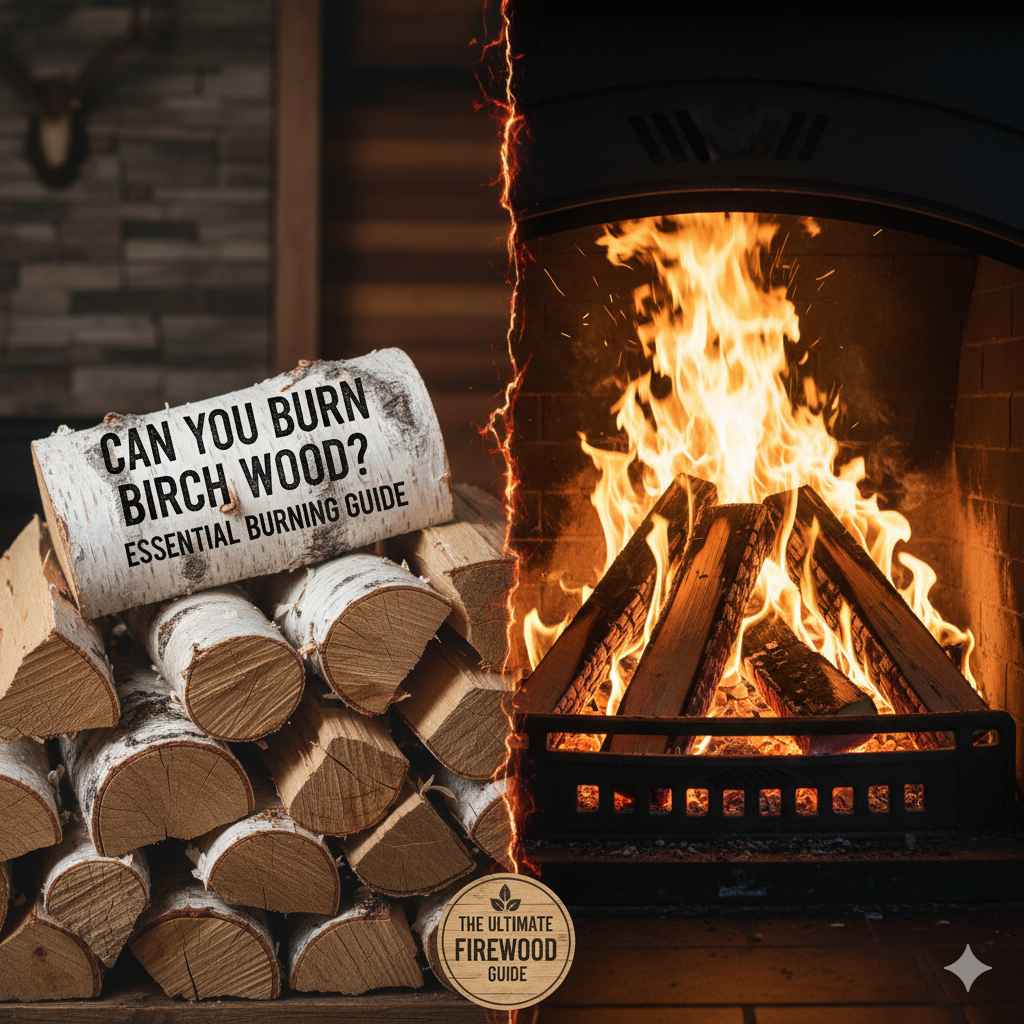
Can You Burn Birch Wood? Essential Burning Guide
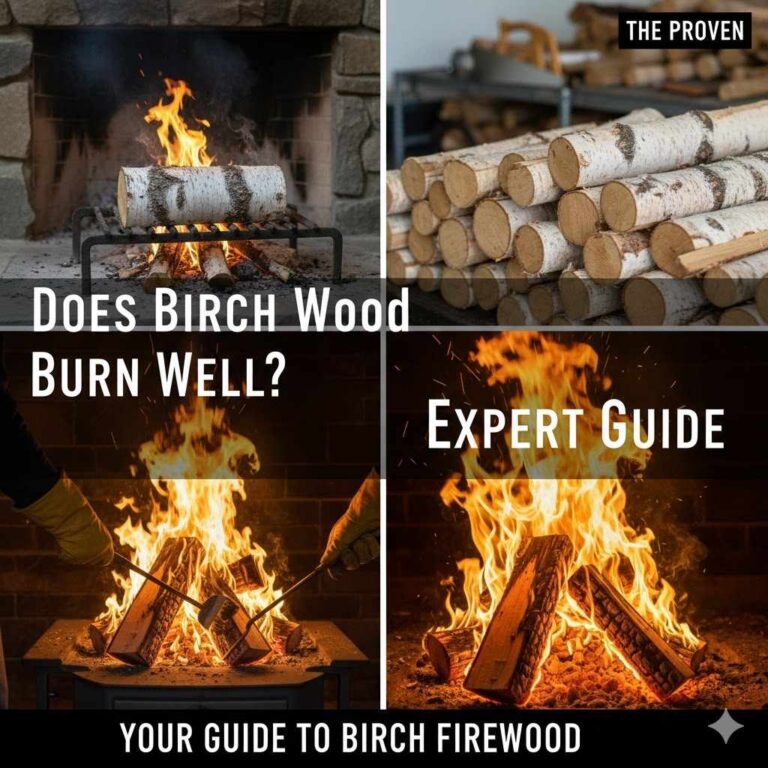
Yes, you absolutely can burn birch wood! Birch is a popular, readily available firewood known for burning fiercely with beautiful, bright flames and throwing great heat instantly. It’s an excellent option when seasoned properly, offering a clean burn perfect for fireplaces and wood stoves throughout the home.
Hello there! As a fellow woodworking enthusiast, I know how confusing choosing the right campfire wood or stove fuel can be. One wood you see everywhere is birch. You might wonder: Is this pretty, white birched good for burning, or will it cause problems in my fireplace?
It’s a common question because while its peeling look is beautiful, folks worry about sap or instant burning. Don’t let that stop you! Dealing with anything that burns—from campfire wood to specialty timber—gets easier with the right knowledge. We are going to walk through exactly how to use birch wood safely and effectively in your home stove or fireplace.
By the end of this guide, shaking that worry bye-bye, you will understand when birch shines and how to prepare excellent birch firewood bunches for next season.
What Is Birch Wood Known For? The Firewood Facts
Birch trees are easily recognizable, often featuring that gorgeous white, peeling bark. Before we grab an axe, let’s look at the basic science behind burning it safely.
Hardwood vs. Softwood: Where Does Birch Fit?
In the world of seasoned firewood, woods are grouped into two simple categories: Hardwoods and Softwoods. These names aren’t about how soft the original wood feels. They link to the type of tree it is and how densely the wood grows. This distinction matters a lot for fire quality, heat output, and creosote buildup.
- Hardwoods (e.g., Oak, Maple, Ash): Denser wood, they produce long-lasting coals and high “BTU” heat output slowly.
- Softwoods (e.g., Pine, Fir, Cedar): Found in evergreen trees. They are less dense, ignite easily, produce fast sparks, and contain more sap, leaning towards hotter ratheric flames and faster depletion.
Here’s the insider viewpoint on our star, birch:
Birch wood is technically described as a “secondary hardwood.” It burns a bit faster than the premium hardwoods like Oak, but it possesses solid qualities that make it excellent fuel. Birch generally falls right in between the steady heat providers and the quick starters.
Key Properties of Burning Birch
Why do folks pick birch for their stoves? It comes down to efficiency and ease of use, especially when you’re working things up on a tricky evening and need immediate heat.
| Property | Typical Value/Description (Seasoned) | Beginner Implication |
|---|---|---|
| BTU Content (Heat Release Potential) | Medium (around 24 million BTU per cord) | Provides excellent initial warmth, though coals melt away quicker than Oak. |
| Density | Medium-low hardwood density | Easier to split and stack than heavy hardwoods. |
| Bark Factor | Paper-like, easily ignites sap/oils | Makes amazing, instant kindling right away. |
| Smoke & Embers | Relatively bright, lively flame | Produces less black smoke early on compared to some softwoods. |
This chart shows while birch might lose its heat a bit quicker, its excellent ignition qualities balance that out nicely for quick heating needs.

The Million Dollar Question: Can Wet or Green Birch Harm My Hearth?
This flips the script for many novice enthusiasts. Absolutely, attempting to burn wet OR “green” (newly downed) wood will make any burning experience terrible. With softer woods, this is often tolerated briefly, but with any wood product, too much moisture causes serious problems that harm your appliance. This applies fiercely to birch.
The Moisture Management Mess
Burning wet wood means most of the wood’s energy is spent boiling off the water inside before it can create any heat for you. This is incredibly disappointing for heating your home!
Listen carefully now—high moisture leads to two big unwelcome visitors in your chimney or stovepipe:
- Creosote Buildup: Wet wood combustion produces heavy, unburnt smoke loaded with tar-like particles. This sticks to the cool chimney liner, turning into incredibly dangerous, highly flammable creosote. Better Biomass Burning Practices for Efficiency often start with avoiding this early stage burn.
- Low Heat Output: Since the fire is channeling energy to drying, your kitchen or living room won’t get warm, requiring you to constantly damper the vents or add more logs.
Pro Tip from the Workshop: No matter the tree type, any wood being introduced into your stove or fireplace should have seasoned down to 20% moisture content or less. Birch demands seasoning, just like Hickory.
Section 1: Drying Birch Wood—The Critical Seasoning Process
Great heat starts here! We must season our birch. Seasoning is an elegant but simple term for drying the collected wood until it is perfect fuel quality, usually taking 6 to 12 months depending on your local humidity and setup.
How Long Does Birch Need to Season?
Compared to the super dense oaks of North America, which might realistically need a full year (or even more in humid climates), birch seasons relatively quickly.
- Hard Seasoning Ideal: Aim for ten moons (10 months minimum), but many recommend a solid 12.
- Green to Ready: From freshly (green) cut to efficiently useful might take about half a year if chunked into very tiny pieces, but for quality burning, stick to closer to one year.
Key Identifier Check: Ready wood always sounds hollow when you knock two pieces together. Wet wood creates a dull thud.
What Kind If Birch Am I Dealing With?
Many beginners don’t realize several species of birch exist regionally, such as White Birch, Yellow Birch, and Paper Birch. For simple home burning asMd Meraj, you should know:
- Yellow Birch ($text L^{}ih$): Excellent fuel, very dense for a birch species. Burns the longest.
- Paper Birch (Kino-$text A^$vory / Canoe Birch): Highly sought after by campers because tiny scrapes of the papery bark spark up instantly. Good for kindling.
Good news: For the average homeowner keeping a stove topped up, almost all regionally sourced firewood identified as generally “birch” performs reliably when dried alongside standard hardwood stacks. No need to fret over tiny species identification if it arrives properly split.
Preparing the Logs for Optimum Drying
To make sure that moisture travels fast enough to get to the air, we prepare the wood carefully. These steps apply whether you source it yourself or buy it green stack:
- Split Small (Relatively): Birch is quite split-friendly! You won’t fight this wood nearly as much as Maple or Elm. Have pieces small enough to feed easily—medium chunks roughly 10 to 15 inches long for heating stoves. Never put whole rounds (uncut logs) in your fireplace; this extends drying unbelievably long and suffocates the fire base beneath coals.
- Elevate the Stack: Keep wood directly off the ground! Moisture from the earth steals heat and keeps wood damp for years. Use pallets, spare pavement stones, or purchased drying racks.
- Stack Log Cabin Style, Open on Ends: You can stack them tight, but the key direction matters. Stack logs like little parallel beams to maximize air circulation through short ends, which allows steam migration (evaporation) speed up dramatically. Ensure one open face points toward strong local wind/sun, though shelter from heavy rain is a must.
- Cap the Top Log Layer: Protect your drying investment! Use a simple roof—even stacked shingles or a tarp covering only the top logs (not touching the upper layer) prevents the top layer from getting soaked by rain or snow.
Remember, seasoning is a prerequisite not just for good heat, but basic safety. Properly piled firewood aids us by protecting our flue interiors from hazardous buildup as noted by safety resources in the Home Safety Resources of the NFPA.
Section 2: The Burn Session—Bouncing Best Heat Out of Birch
Once that wood is perfectly reduced to that dull, hollow sound in 6–12 months, now we learn how to leverage its fantastic blazing power once we chuck it upon the coals.
Using Birch Kindling in Your Fireplace
This is where birch shines spectacularly brighter than heavier oaks or dense maples. Forget frustrating failures to ignite your morning fire after damp autumn nights!
The Bark Advantage
Never underestimate the papery curls of birch bark—if it’s harvested near winter’s drier spells, this bark can be truly the top natural fire-starter available.
When lighting the main basket of fire, especially in a damper fireplace cavity:
Tear slivers of the outer, loose bark. Don’t peel deeply.
It catches fatly and burns hot with barely any smoke, acting as a mini beacon torch to dry out slightly chilled lumber placed right atop of it.
Use the birch bark carefully to nurse your ember bed into a lively hot surface before adding the slightly bigger, split birch pieces on top. This direct ignition help saves time and eliminates smoke.
Stoves vs. Fireplaces: Different Demands for Changing Wood
The best burning technique adjusts based on the heating environment size. Hardwood fires often rely on holding that deep bed of coals for sustained warmth when the fire is “damped down.” Birch behaves differently.
For Modern, High-Efficiency Wood Stoves
Stoves are primarily managed using how tightly the air intake (the draft slider) is adjusted. Birch excels!
- Staged Load: Start burning hardwood debris or softwood blocks to establish a strong, hot ash base.
- Introduce Sized Birch: Add quality, softball-sized pieces of seasoned birch onto that hot bed. The swift, clean heat melts its way through the fiber production fast, making for quick heat penetration into the stove-plate.
- Monitor Coals: Keep loads constant, but expect to feed the fire with fresh pieces of birch a bit more often (perhaps every hour, depending on log tightness) than a superheavy load of compressed wood. Great heat output is high while running.
For Masonry Fireplaces
Fireplaces generally allow heat to radiate out too quickly, meaning good wood tends to roll through rather than soak. Use the amazing blazing nature of birch:
- Place medium-thickness rounds close, but not touching, allowing air passage beneath too. Birch gives you visible leaping flames sooner in the cycle, perfect for ambient aesthetic appeal.
- Since fireplace draw efficiency means coals extinguish faster toward morning, stack lighter birches as the perfect choice for laying down heat near late afternoon cooking/gathering hours. Avoid placing ultra-hard, giant logs from Oak if you are certain you cannot keep a strong airflow established all night, as you risk large increases in residual creosote/smoke buildup during idling cooling moments.
Handling Sap Content in Birch
There’s rumor that birch is too sappy, leading to a huge sticky mess. While high-resin softer woods (conifers like Spruce) are prone to exploding bits due to resin pockets, dry birch doesn’t carry a dangerously elevated risk of exploding chunks, but it does offer slight nuances.
As a hardwood even at the softer edge, once seasoned (20% M.C) this isn’t a concern at all. During seasoning, those internal fibers dry. If you manage logs so wet they start to steam instead of ignite, the remaining oils increase smoke.
The only real “sap hazard” comes if you attempt tapping Birch for syrup harvesting out of season—if green, stick to seasoning methods detailed above!
Chapter 3: Beyond Fuel—The Other Uses of Birch in Woodworking Projects
As a woodworking mentor, I can’t keep everything separated entirely! Sometimes a piece looks suitable for the backyard kiln until a clever crafter sees its actual DIY potential. While we are focusing on burning heat, understanding the properties of birch shows why it lights so well!
Low inherent density is what makes it desirable for furniture grade woods or tools like kitchen-friendly objects AND makes it light quickly.
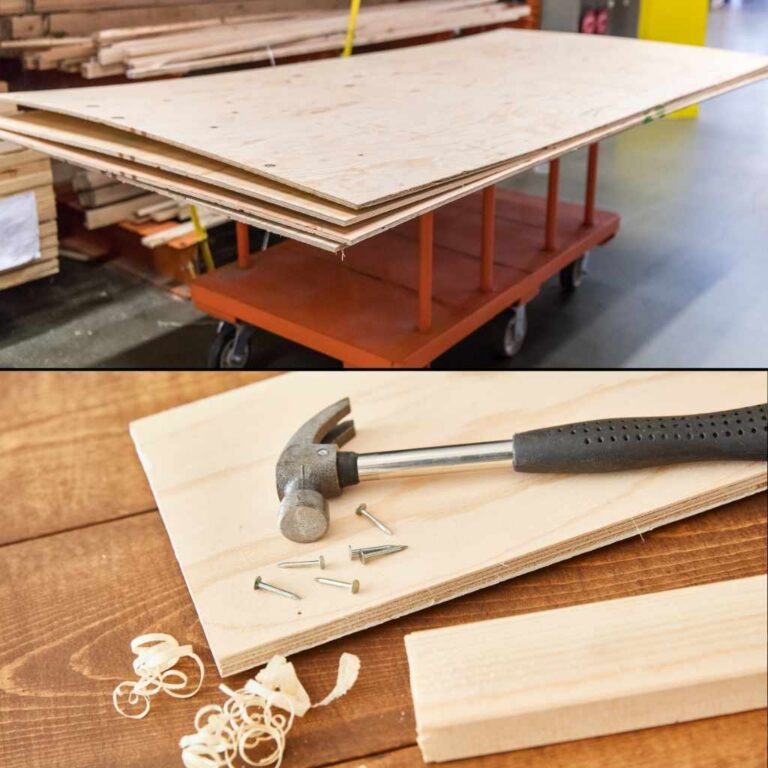
- Plywood Foundation: Birch is one of the single most popular woods globally for producing high-quality cabinetry-grade plywood known formally as Baltic Birch plywood. It offers excellent dimensional stability without enormous weight.
- Fine Turning & Craftsmanship: Knives glide sweetly through dryer birch surfaces without much resistance, making it fantastic for projects needing delicate shaping.
- Affordability and Availability: Because it’s often fast-growing, birch lumber (when commercially available outside local firewood rings) is generally more accessible to hobbyists than, say a rare supply of well-aged Claro Walnut.
Because its structure lacks those massive interlocking fibers common in Oak (which lock moisture in!), it dries slightly lighter in both texture and weight. It is predictable heat that accepts air movement more readily.
Safety First: Burning Birch Ash Disposal
Successfully making perfect fire means you have outstanding coals too. Those grey lumps are extremely hot for a long time! Improper ash disposal is a MAJOR cause of porch and indoor trash-can electrical fires nationwide.
The Absolute Rules of Fire Residue Removal
Never use thin decorative trash bins for these contents. This process must involve inorganic containers:
-
- Wait Patience King: Allow everything to cool thoroughly—this isn’t just daylight—consider allowing 48–72 hours after the fire naturally dies down to let it get slightly cold while the main room heat dissipates.
- Contain the Embers Pour the debris immediately only into a proper metal can that has a tight fighting lid. Purchase or source industrial metal ash caddies (often available at the same box stores as fire pits seasonally).
5. Never dispose in paper garage bags, cardboard boxes, or right into plastic bins of household wrapping/packaging waste for nighttime garbage pickup. A few stray, still-hot pieces that could survive a simple 24-hour cooling period can ruin a whole truckload.• Guide on Ash Disposal Protocols shows metals cans are vital tools here.
- Store Outdoors Store your sealed metal bin away from the house structure, garage, or garden sheds for weeks before sending it outside indefinitely for pickup (and verify your municipal rules regarding “resting damp ash” periods first!).

FAQ: Quick Answers for Birch Burning Beginners
Q1. Does birch wood contain creosote problems?
A: Creosote is caused by incomplete combustion, which happens primarily when using wet wood fuels. If you only burn birch that is properly dried (under 22% moisture), the amount it produces is similar to other quality mature hardwood fuels—manageable with regular chimney inspection. Do not burn chunks pulled fresh from the woods!
Q2. What is the fastest way to dry/season birch?
A: Take the green wood, slice it into smaller splits immediately, get it three feet off the ground, give it good air pathways for stack flow, and cover the top from the rain/snow. Drying speed hinges almost entirely on that stack configuration that grants airflow!
Q3. Can you burn birch in an open-air campfire outdoors?
A: Without a question, yes! Birch is one of the best* barbecue/campfire fuels—its fluffy nature and dry bark always light instantly on difficult nights with a campfire source when Oak or tough softwoods refuse to catch below a windy sky.
Q4. Is birch wood cheap compared to others (like Hard Maple or Hickory)?
A: Generally, yes. Because birch trees in many non-gourmet cutting regions tolerate hard environments and sometimes grow fast (fast seasoning for some regional styles), green pulp/firewood often prices slightly lower unless sourcing specialty kiln options for cabinet lumber nearby. Always compare cost-per-rated-cord ($/cord vs high and low BTUs).
Q5. Will birch leave behind noticeable coal beds like Oak tends to do?
A: Birch excels at fire, delivering quick high heat blooms! It does produce nice coals, but as that structure is slightly closer in density profile to good density Pine versus ultra-dense Hickory, the coal base it creates will usually last slightly less time compared to very slow hardwoods. Adjust expectations for resting periods!
Q6. Should I remove the white bark before burning my seasoned birch?
A: Absolutely not, provided the wood is seasoned! The outer bark burns beautifully as great additional surface area to aid in fire establishment, acting like thinner starter paper embedded right on your good logs. Simply burn exactly what you split.
Final Encouragement on Your Birch Seasoning Journey
My aim as your mentor navigating fuel sources is to take the guesswork out and boost your competence every time you fire up the hearth, fireplace insert, or stove. Birch is definitely a strong candidate for your home supply wood basket!
We established that yes, birch burns phenomenally well—BUT only when you respect the water requirement. Season your stacks rigorously for ten months or more until they knock hollowly. Use resourceful seasoned logs to start your mornings brilliantly with roaring, non-smoking ignition from that famous bubbly-looking cork, then leverage its great heat output for wonderful ambient room warming right into the evening.
Stick rigidly to safe splitting practices—keep rounds downsized appropriately for rapid drying—and your enjoyment using cozy, predictable birch will vastly outweigh any other frustrations you might find starting fires the confusing way! Go stack those rounds high, knowing you’ve prepared safe future warmth perfectly.