Can You Burn Cedar Wood in a Fireplace? A Complete Guide
If you’re wondering, Can You Burn Cedar Wood in a Fireplace?, you’re not alone! It’s a common question, especially for those new to fireplaces. Different types of wood behave differently, and cedar can be a bit tricky. Don’t worry, though; it’s manageable. This guide simplifies everything. We’ll explore the ins and outs, so you can make informed decisions. Next, we’ll explain the specifics, breaking down everything you need to know, step-by-step.
Burning Cedar: What You Should Know
Before you toss a cedar log into your fireplace, it’s useful to learn the basic qualities of this wood. Cedar, well-known for its pleasant aroma and insect-repelling properties, isn’t always the best choice for burning. Different types of wood burn in unique ways, impacting heat output, smoke production, and the overall cleanliness of your fireplace. Knowing the qualities of the wood you are using is essential for a safe and satisfying fire experience. Many factors affect the quality of a fire, including how dry the wood is and the type of cedar. We’ll explore these aspects, helping you make safer choices.
Types of Cedar and Their Burning Characteristics
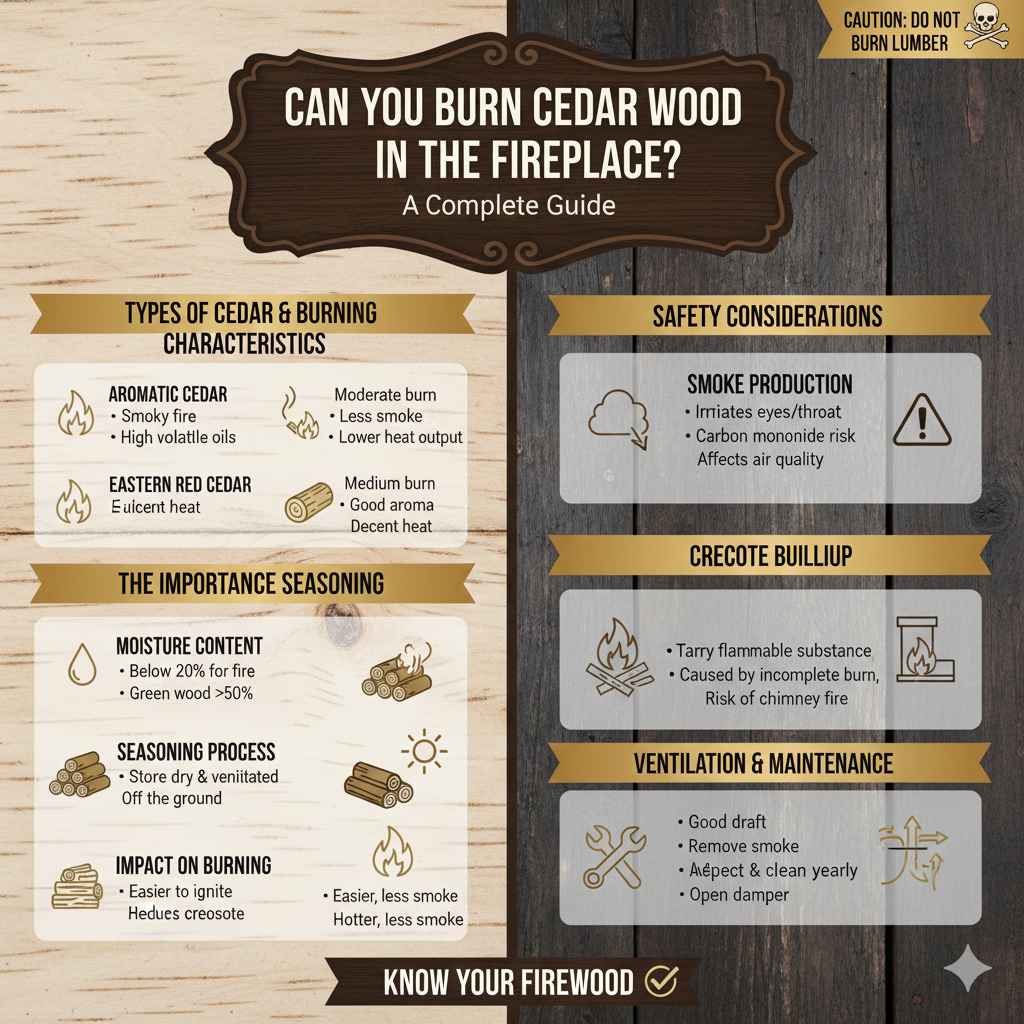
Not all cedar is created equal. The burning properties vary depending on the cedar species. Knowing the specific type of cedar can influence how it burns. For instance, some types might produce more smoke or less heat. You might find some varieties readily available at your local hardware store while others are rarer. Different species also have different levels of natural oils, which contribute to the way they burn. Let’s explore the common types of cedar and what you can expect when you burn them in a fireplace.
Aromatic Cedar: Often used for lining closets and chests, aromatic cedar is generally considered unsuitable for fireplaces. It burns quickly and produces a lot of smoke. This cedar often contains more volatile oils. These contribute to a less efficient and more smoky burn.
Aromatic cedar’s properties, such as its fragrance and oil content, make it less than ideal for burning. The high oil content can lead to a rapid, less-controlled burn, along with more smoke. Plus, the pleasant aroma of aromatic cedar can quickly become overwhelming when burned indoors, sometimes causing irritation.
Western Red Cedar: This cedar has a moderate burning rate and a lower oil content. It produces less smoke than aromatic cedar. However, it still may not be the best choice for your primary firewood. While it does produce a pleasant scent, the low heat output often makes it less desirable.
Western Red Cedar is slightly better than Aromatic Cedar. It still tends to burn faster, and can produce a decent amount of smoke. You might find it useful as a kindling, but it is not recommended for a main fire. It produces a smaller amount of heat compared to other hardwoods such as oak or maple.
Eastern Red Cedar: Eastern Red Cedar burns with a medium intensity. It creates a good aroma and a decent amount of heat. It’s often favored for its fragrance, especially outdoors. It is generally a better choice than Western Red Cedar or Aromatic Cedar. The burning process is cleaner and it produces more heat.
Eastern Red Cedar offers a more balanced approach for fireplaces. It provides a decent heat output and a pleasing aroma. Its burn rate is still relatively fast. So, this wood is not a good option to build a long-lasting fire. It is suitable when you need a quick fire for a short period.
The Importance of Seasoning Cedar Wood
Seasoning means drying the wood before you burn it. Well-seasoned wood burns cleaner, produces more heat, and creates less smoke. Unseasoned (green) wood contains a lot of moisture. This moisture hinders combustion. This leads to inefficient burning, more smoke, and potential creosote buildup in your chimney. Let’s explore how seasoning affects how cedar burns. This is a very important part of making a fire.
Moisture Content: The moisture content of wood is key. Well-seasoned wood usually has a moisture content below 20%. This is much lower than freshly cut wood, which can have a moisture content of over 50%. This lower moisture level contributes to a cleaner, more efficient burn. It also reduces the amount of smoke produced.
The moisture content directly influences how the wood burns. Wet wood will have a very difficult time igniting. It will produce a lot of smoke because the energy from the fire is used to evaporate water. Properly seasoned wood burns hotter and with fewer emissions.
Seasoning Process: The seasoning process involves storing the wood in a dry, well-ventilated area. This allows the wood to dry out naturally over time. The wood should be stacked off the ground. It also needs to be exposed to air. This helps prevent rot and promotes airflow, which speeds up the drying process.
Proper stacking is essential for effective seasoning. The wood should be placed in a crisscross pattern. This pattern will allow the air to flow between the logs. A cover can be used to protect the wood from rain or snow while allowing for good airflow.
Impact on Burning: Properly seasoned cedar will ignite easier. It will burn hotter, and it will produce less smoke. The heat output will be more consistent. Also, the risk of creosote buildup will be greatly reduced. This all contributes to a safer, more enjoyable fire experience.
The difference between seasoned and unseasoned cedar is noticeable. When you burn seasoned wood, the fire starts easily. It burns with bright flames and a clean smell. In contrast, unseasoned wood struggles to ignite. It produces a lot of smoke and can be difficult to keep burning.
Safety Considerations: Smoke and Creosote
Burning any wood, including cedar, always carries some level of risk. This is mainly related to smoke and the buildup of creosote. Smoke contains particles and gases that can be harmful to your health. Creosote is a byproduct of burning wood. This can accumulate in your chimney. If it’s not removed regularly, it can lead to dangerous chimney fires. Here are key things to keep in mind for safety.
Smoke Production: Cedar, especially aromatic cedar, can produce a significant amount of smoke. Smoke can irritate your eyes, nose, and throat. It also contains carbon monoxide, which is dangerous. Smoke also affects air quality both indoors and outdoors.
The amount of smoke produced depends on the type of cedar and how well it is seasoned. Proper ventilation is essential when burning cedar. This helps to remove smoke from the room and provides a steady supply of oxygen to the fire.
Creosote Buildup: Creosote is a dark, tarry substance that forms in chimneys. It’s created by incomplete combustion. Creosote is highly flammable. If enough builds up, it can ignite and cause a chimney fire. Regular chimney inspections and cleaning are essential to prevent this.
Creosote buildup can be minimized by burning well-seasoned wood. It can also be reduced by ensuring adequate airflow to the fire. Regular chimney cleaning is the most important step in preventing chimney fires. You should do this at least once a year, or more frequently if you burn a lot of wood.
Ventilation and Airflow: Good ventilation and airflow are essential for safe burning. This includes both the air supply to the fire and the removal of smoke. This prevents a buildup of dangerous gases like carbon monoxide. It also helps to ensure complete combustion.
A well-ventilated fireplace will have a good draft. It will draw the smoke up and out of the chimney. If the fire struggles to burn or produces excessive smoke, it may be due to poor ventilation. You should check the chimney for blockages. Also, be sure to open the damper fully.
Burning Cedar Wood: Pros and Cons
Before you decide to use cedar in your fireplace, it’s useful to weigh the benefits and drawbacks. Cedar offers a distinct aroma, but it also has certain limitations. Making an informed decision means carefully considering these factors. You will have a clear idea if cedar is the right choice for your fire. Let’s delve into the advantages and disadvantages.
Advantages of Burning Cedar Wood
While not a primary firewood, cedar does offer a few advantages that make it suitable for specific uses. Its unique aroma, ease of ignition, and potential for outdoor fires make it an interesting option. Consider the pros of burning cedar.
Pleasant Aroma: Cedar is known for its distinctive and pleasant fragrance. The scent can fill a room and provide a comforting atmosphere. Some people value this aroma for relaxation and enjoyment. This is a very common reason to burn cedar.
The aroma of cedar can be especially appreciated during the fall and winter seasons. It adds an element of warmth and comfort to your home. It’s also often used in outdoor fire pits for a more fragrant fire experience.
Ease of Ignition: Cedar, especially the aromatic varieties, ignites easily. This makes it a great choice for kindling. It can help you start your fire quickly and efficiently. Its ability to light quickly reduces the effort needed to get a fire going.
When you use cedar for kindling, you’ll spend less time and effort building the fire. The wood catches flame quickly. This makes it easier to light larger pieces of wood. You will be able to enjoy your fire sooner.
Insect Repellent Properties: Cedar is naturally repellent to certain insects, such as moths and termites. Burning cedar outdoors can help to deter pests. This makes it suitable for outdoor fire pits.
If you’re using a fire pit in your backyard, burning cedar can help to keep insects away. This makes it more pleasant to spend time outside, especially during warm weather. Cedar’s insect repellent properties can add extra value.
Outdoor Use: Cedar is great for outdoor fires. The aroma and fast-burning nature of the wood make it perfect for campfires or fire pits. Cedar can provide a pleasant outdoor fire experience.
Outdoor fires are a great way to enjoy the evening. Cedar’s aroma will enhance the experience. The fast burn rate makes it a quick option. It is great when you only want a short-term fire.
Disadvantages of Burning Cedar Wood
Cedar has some drawbacks that make it less desirable as a primary firewood. Its rapid burn rate, potential for excessive smoke, and lower heat output can make it a less efficient choice. You should keep these factors in mind when deciding whether to burn cedar in your fireplace.
Fast Burn Rate: Cedar burns very quickly. This means you will need to add fuel frequently to keep the fire going. This can be inconvenient, especially if you are looking for a long-lasting fire. The fast burn rate also means you’ll go through your wood supply more quickly.
The speed at which cedar burns means it’s not ideal if you want a fire that lasts for several hours. You should choose slower-burning hardwoods if you want a fire that requires less attention. You will need to replenish the fire often.
Lower Heat Output: Cedar produces less heat compared to hardwoods like oak or maple. This might not be adequate for heating your home. If your primary goal is to generate heat, cedar may not be the best choice. This lack of heat can impact your comfort level.
If you’re relying on your fi
Excessive Smoke: Certain cedar types, particularly aromatic cedar, can produce a significant amount of smoke. This can irritate your eyes and respiratory system. The smoke can also lead to more creosote buildup in your chimney. This can raise safety concerns.
Smoke can diminish the enjoyment of a fire. It can also pose health risks, particularly for people with respiratory issues. If you are sensitive to smoke, cedar may not be the best choice for you. You should keep the fireplace properly ventilated to minimize smoke.
Creosote Buildup: The oils in cedar, especially in aromatic varieties, can contribute to creosote buildup in your chimney. Creosote can be a fire hazard if it’s not removed regularly. You should have your chimney inspected and cleaned.
Regular chimney maintenance is key when burning cedar. This is especially true if you are using cedar frequently. You can prevent dangerous chimney fires. Keep this in mind to maintain your fireplace safely.
Alternative Firewood Choices: What to Use Instead of Cedar
If you’re looking for firewood that performs better in a fireplace, several alternatives provide more heat, burn longer, and produce less smoke. Different woods offer different benefits. Here are some of the best choices, depending on your needs.
Best Firewood Options
Selecting the right type of wood for your fireplace can make a big difference in the efficiency and enjoyment of your fire. Certain hardwoods are known for their high heat output, slow burn rate, and clean burning. These woods are ideal for various fireplace situations. Let’s delve into the best firewood options.
Oak: Oak is an outstanding firewood. It produces a high amount of heat. It burns slowly. Oak has a low smoke output. It is a top choice for those looking for a long-lasting, efficient fire. It’s readily available and generally seasons well.
Oak is an excellent choice if you live in a cold climate. It will keep your home warm for an extended period. Oak’s density and slow burn rate mean you need to refill the fire less often. It makes for a safe and reliable choice.
Maple: Maple burns clean, produces a good amount of heat, and offers a moderate burn rate. It’s considered a good, all-around firewood. Maple’s consistency makes it suitable for most fireplace situations. Maple is often found in the eastern United States.
Maple is suitable if you want a combination of good heat, moderate burn time, and manageable smoke. It is a user-friendly firewood. You should be able to get maple in most areas. It is an ideal wood for regular use.
Ash: Ash is another great firewood choice. It produces a good amount of heat. It burns relatively clean. Ash is known for its ability to burn well even when it’s not fully seasoned. This makes it an ideal firewood.
Ash is a good choice if you’re not sure about the seasoning of your wood. Ash burns even if it has some moisture left. It’s also relatively easy to split. It’s often found in many regions, making it a reliable option.
Birch: Birch is another solid choice. It offers a good heat output. It burns with a pleasant aroma. Birch burns well and it’s a popular choice for both indoor and outdoor fires. It is especially favored in colder regions.
Birch provides a balance of heat and aroma. It’s a good option if you want a fire with a pleasant scent. Birch is often easy to find. It is a good choice for those wanting an attractive fire.
Firewood to Avoid or Use Sparingly
Some types of wood are not recommended for fi
Pine: Pine produces a lot of smoke. It also has a tendency to spark and pop. Pine is best avoided or used very sparingly. Its high resin content contributes to a less efficient burn. It will also cause more creosote buildup.
Pine should only be used as kindling. It is best to avoid it for the primary fire. Pine is not suitable for your main firewood. You might be able to use it as an occasional starter.
Spruce: Similar to pine, spruce can be smoky and prone to sparking. It is not a great choice for your fireplace. It burns quickly and produces less heat. It will not be very efficient.
Spruce is similar to pine when it comes to burning characteristics. It may be helpful as kindling. You should avoid using it regularly. It has issues similar to pine and should be avoided for main firewood.
Cottonwood: Cottonwood is a low-density wood. It produces little heat. Cottonwood burns quickly. It also tends to smolder. It is not an ideal choice for fireplaces. It can create more smoke.
Cottonwood is not a good choice for a long-lasting fire. It is best to avoid it for your main fire. It is not efficient. It does not provide the heat output needed.
Softwoods in General: Generally speaking, softwoods like pine, fir, and spruce are not the best choices. They contain higher resin content. They will produce more smoke and less heat. Using softwoods regularly can increase the risk of creosote buildup.
If possible, stick to hardwoods such as oak, maple, and ash. They are more efficient. They are safer and more enjoyable to burn. Choose hardwoods over softwoods if you have the option.
Burning Cedar Wood: Step-by-Step Guide
If you’ve decided to use cedar in your fireplace, follow these steps to do it safely and effectively. This guide will help you manage the fire. This will also give you the best possible experience, while keeping safety as a top priority. Make sure that you follow these instructions.
Preparing Your Fireplace
Before you start burning any wood, you must ensure that your fi
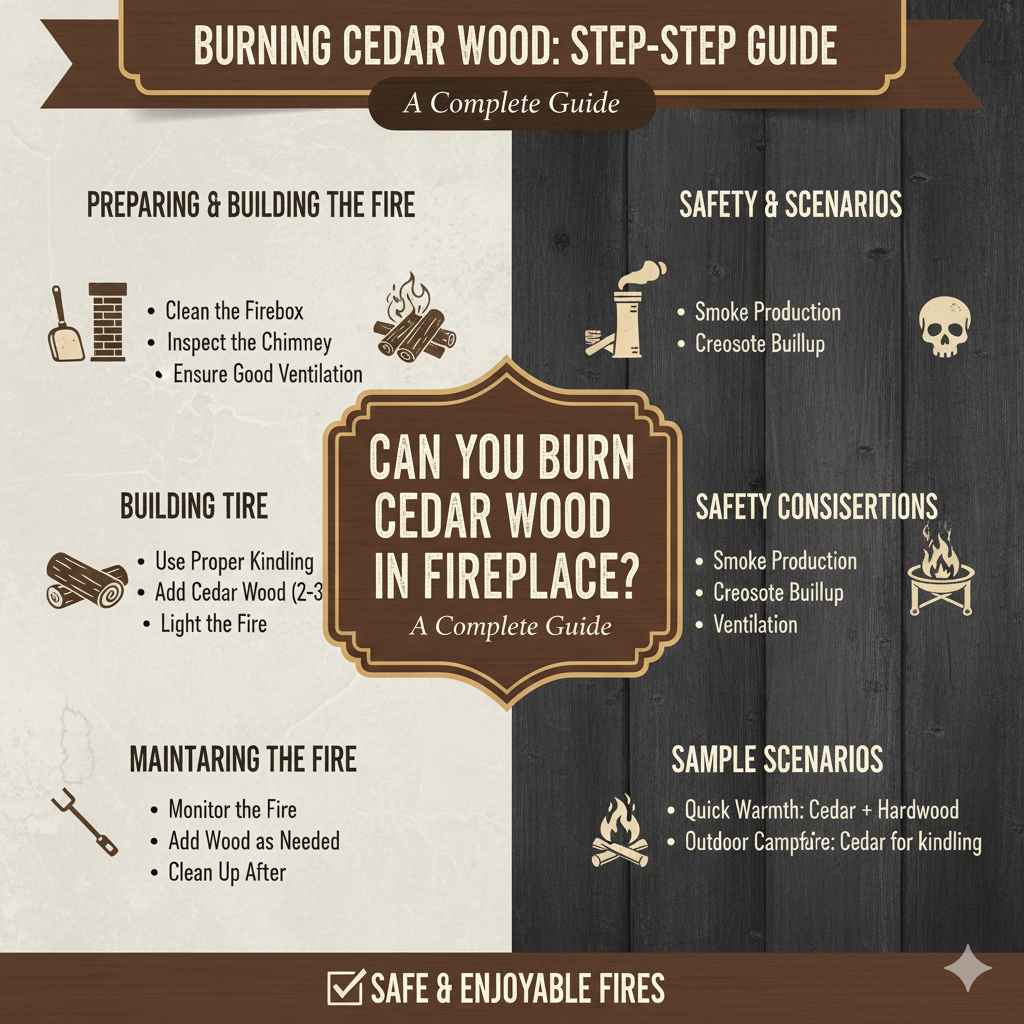
Clean the Firebox: Remove any ash from the previous fires. Use a fire shovel and a metal container for ash. This will help prevent any potential flare-ups. This also ensures there is enough space for the new fire.
A clean firebox is essential for good airflow. This ensures proper combustion. It also reduces the chances of smoke accumulating in your home.
Inspect the Chimney: Check your chimney for any blockages. Look for any obstructions. You should also be sure that the damper is working properly. If you are uncertain, you might want to call a professional for this task.
A properly functioning chimney is essential for the fire to function safely. A chimney should vent smoke correctly. It will also help to prevent creosote buildup.
Ensure Good Ventilation: Open the damper fully. Open a nearby window or door slightly to provide extra oxygen to the fire. This will help promote good airflow. It also helps to prevent smoke from backing up into the room.
Good ventilation is key to a clean and safe burn. Make sure your fireplace has a constant supply of fresh air. A well-ventilated fireplace will burn more efficiently. It will also reduce smoke and creosote.
Building the Fire
Building a fire correctly makes all the difference. This process is key to a safe and enjoyable experience. This includes using the correct starting methods and proper fire-building techniques.
Use Proper Kindling: Start with a base of crumpled newspaper or fire starters. You can also use small pieces of cedar as kindling. Arrange the kindling in a teepee or log cabin formation. This will allow air to circulate.
Kindling is crucial for getting the fire started. Using appropriate materials will help ignite the larger pieces of wood. The right setup promotes even burning.
Add Cedar Wood: Place a few cedar logs on top of the kindling. Make sure you don’t overload the firebox. Provide enough space for air to circulate between the logs. You should add no more than 2-3 logs at a time.
Adding the cedar gradually helps the fire to build slowly. This allows the fire to build up gradually. It also helps avoid excessive smoke. Also, it allows the fire to reach a consistent temperature.
Light the Fire: Light the kindling and allow it to catch the cedar wood. Let the flames build before adding more wood. You may need to adjust the position of the logs to improve airflow.
Once you light the kindling, be patient. Let the flames develop before you add more wood. Maintain airflow to ensure a steady burn. It is important to adjust the fire as it burns.
Maintaining the Fire
Once the fire is lit, you have to maintain it. Proper maintenance makes the fire burn better. It also makes your fireplace safer. Regular attention will help you fully enjoy the fire.
Monitor the Fire: Watch the fire closely. Make sure it has adequate airflow. You should also watch out for excessive smoke. This might indicate that you need to open the damper more.
Keeping a close eye on the fire will help you control it. Adjust the airflow. Also, you will need to add fuel as needed. Watch out for any potential problems.
Add Wood as Needed: Add more cedar logs as the existing wood burns down. Use a fire poker to adjust the logs. Maintain space between them.
Don’t overload the firebox. Adding wood gradually keeps the fire burning consistently. It also keeps the flames from dying down.
Clean Up After: Allow the fire to burn down completely. Let the ashes cool. Dispose of the ashes properly. Clean the firebox before you build another fire.
Allowing the ashes to cool will prevent any accidents. Keeping the firebox clean helps to prevent creosote buildup. It also prepares your fireplace for future use.
Sample Scenarios
Quick Warmth: You want a fire to warm up the room quickly for an hour or two. You may use a few pieces of cedar to start the fire for their aroma and ease of ignition. You should combine the cedar with some hardwood logs to maintain the fire longer. This will help you get the desired warmth.
This approach combines the quick-burning properties of cedar with the heat output of hardwoods. It is ideal for a short-term fire. It is suitable when you need quick warmth and a pleasant scent.
Outdoor Campfire: You are planning a campfire in your backyard. Use cedar for kindling. You can then use it for the primary fire. Its pleasant aroma and ease of ignition will enhance the experience. You should be sure to follow all safety guidelines.
For an outdoor setting, cedar is a great choice. Its scent and fast burn rate make it perfect. This will make your outdoor gathering more enjoyable. You should pay close attention to any local fire restrictions.
Frequently Asked Questions
Question: Is it safe to burn cedar in a fireplace?
Answer: Yes, you can burn cedar in a fireplace. However, you should use it sparingly. It has a fast burn rate and can produce a lot of smoke.
Question: What type of cedar is best to burn?
Answer: Eastern Red Cedar is often considered the best choice. It offers a balance of aroma and burn characteristics. Avoid using aromatic cedar if possible.
Question: Should I use cedar as my primary firewood?
Answer: Cedar is not a good choice for your primary firewood. It will not produce enough heat or burn long enough. It’s better to use hardwoods like oak or maple.
Question: What are the dangers of burning cedar?
Answer: The dangers of burning cedar include excessive smoke and the potential for creosote buildup. Regular chimney cleaning is crucial.
Question: How can I make my cedar fire burn better?
Answer: To make your cedar fire burn better, use well-seasoned wood, ensure good ventilation, and don’t overload the firebox. You should also maintain good airflow.
Final Thoughts
Can You Burn Cedar Wood in a Fi