How Many Cedar Pickets Per Foot
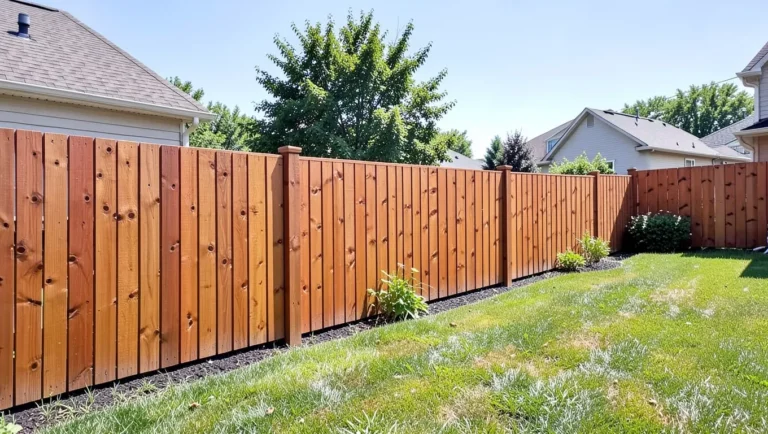
To determine how many cedar pickets you need per foot, divide the length by the width of one picket. This gives you an accurate count for your fence.
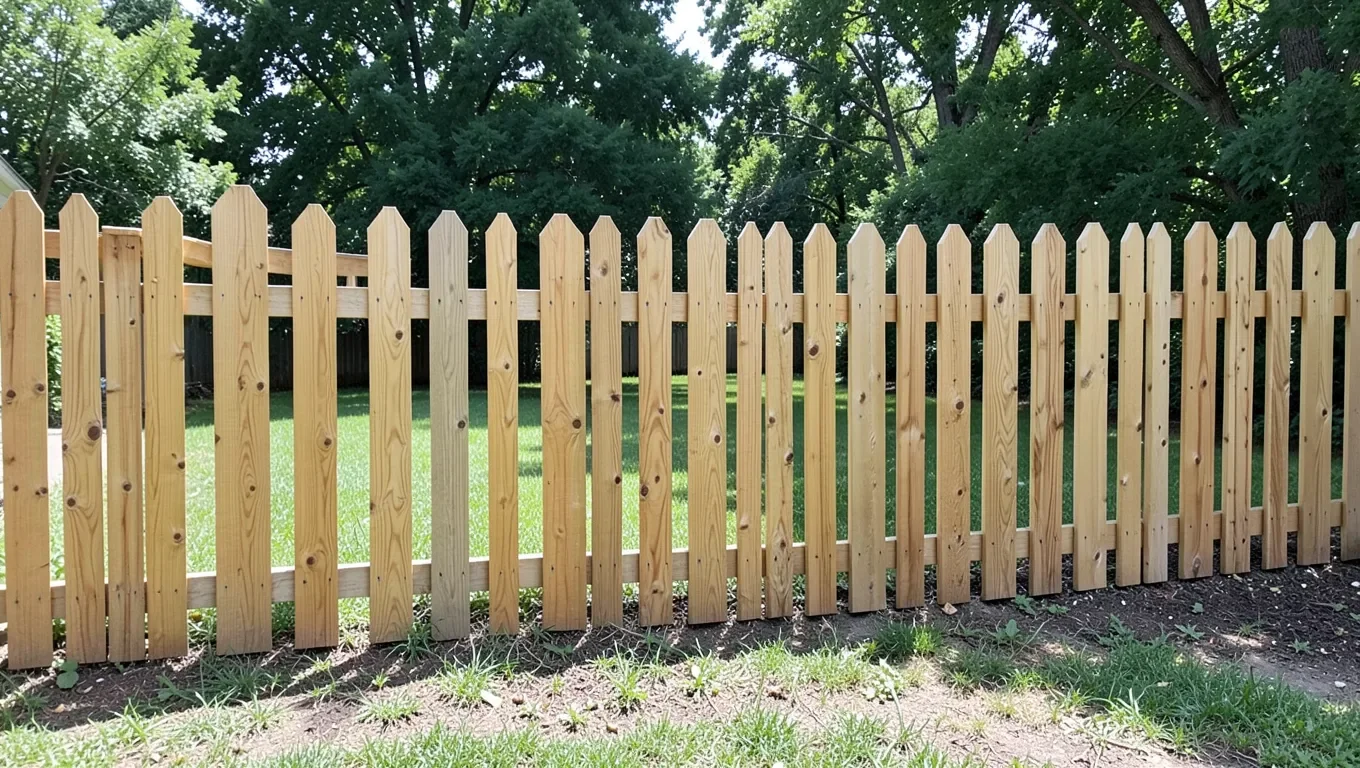
Building a cedar fence? Knowing how many pickets to buy is essential. A well-planned fence project saves time and money. Cedar pickets are popular for their durability and natural look. But how many do you need per foot? This depends on the picket’s width and the spacing between them.
Understanding these factors helps you calculate the right number. Ready to plan your fence with confidence? Let’s dive into the details and ensure you get the perfect fit for your outdoor space.
Choosing Cedar Pickets
Measure Right, Order Right
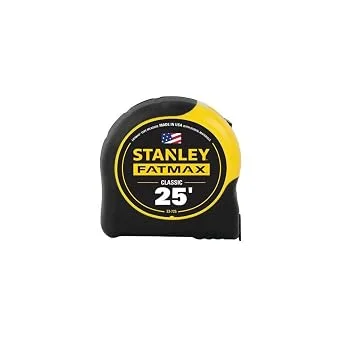 |
Stanley FatMax 25-Foot Tape Measure A run this long benefits from a real 25-foot blade rather than a small 12-foot tape – fewer re-measurements means fewer chances for a picket-count math error.
|
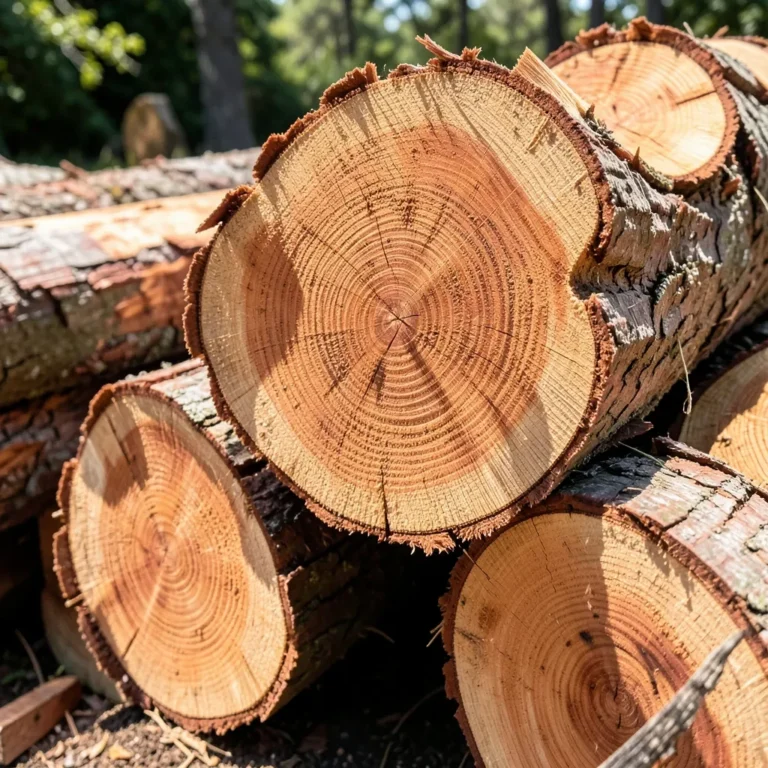
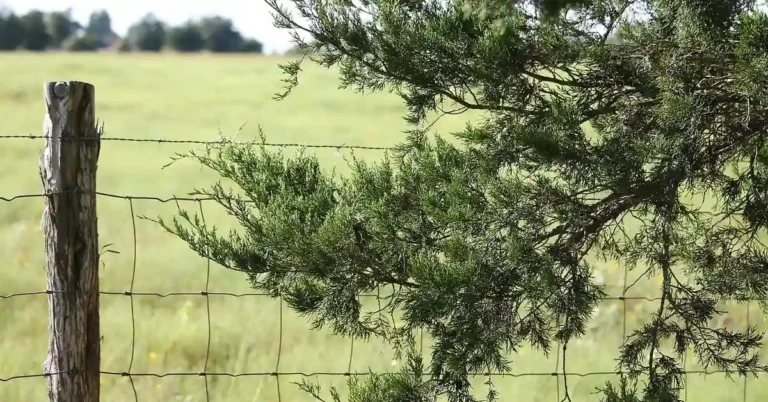
Cedar pickets typically come as either Western Red Cedar or White Cedar. Western Red Cedar has a richer reddish-brown color and slightly higher natural oil content, which gives it a small edge in rot resistance. White Cedar runs lighter in color and turns gray faster if left unsealed, though both species weather to a similar silvery tone eventually without maintenance.
Either species is naturally resistant to insects and rot thanks to compounds in the wood that most bugs and fungi avoid, which is exactly why cedar is the standard choice for fences over cheaper pine. It is also light enough to handle solo but strong enough to hold up to wind load, and it cuts and drills cleanly without the splitting problems some other softwoods have.
Measuring Your Space
Calculate the number of cedar pickets needed per foot by measuring your space. Divide the total length by the width of one picket. Ensure to account for spacing between pickets.
Tools Needed
You will need a few tools. Gather a tape measure, a pencil, and paper. A calculator can help too. These tools are easy to find. They make the job easier. Using them will save time.
Steps To Measure
First, measure the total length of your space. Write down the number. Then, measure one cedar picket. Write this number down too. Divide the total length by the picket width. This will give you the number of pickets per foot.
Calculating Pickets Per Foot
Most cedar pickets come in two standard sizes: 4 inches and 6 inches wide. To find the number of pickets per foot, divide 12 inches by the width of the picket.
For 4-inch pickets, you need three pickets per foot. For 6-inch pickets, you need two pickets per foot.
Spacing between pickets affects the total number needed. A common gap is 1 inch. This means you add the gap to the picket width.
For a 4-inch picket with a 1-inch gap, the total width is 5 inches. Divide 12 inches by 5 inches to get 2.4 pickets per foot. For a 6-inch picket with a 1-inch gap, the total width is 7 inches. Divide 12 inches by 7 inches to get 1.7 pickets per foot.
Buying The Right Amount
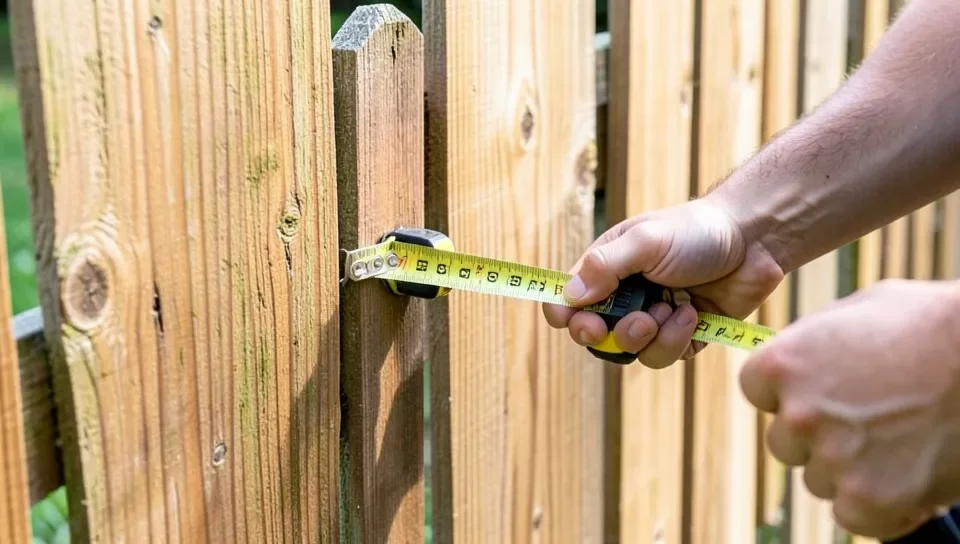
Measure the total run of your fence in feet, decide on a gap size (1/4 to 1/2 inch is standard for cedar, allowing room for seasonal swelling), and add that gap to your picket’s actual width – a typical cedar picket runs 5.5 inches wide, so a 1/2-inch gap gives a 6-inch total spacing unit. Divide your total fence length in inches by that spacing unit to get the number of pickets needed.
Always order 10% more pickets than the math says you need. Cedar pickets vary slightly in width even within the same bundle, cutting mistakes happen, and a picket can split or crack during installation. Having a few extras on hand means a mid-project trip back to the lumberyard doesn’t stall the whole job.
Preparing For Installation
Pre-treating cedar pickets with a wood preservative before installation adds real protection against rot and insects, on top of cedar’s own natural resistance. Make sure pickets are fully dry before you seal them – moist wood that gets sealed traps that moisture inside and can warp or cup as it dries later. A clear water-repellent sealant applied before or shortly after installation buys extra time before the wood starts to gray.
Gather every tool before you start rather than mid-project: a tape measure for layout, a circular saw for cutting pickets to height, a hammer or a drill with exterior-rated screws for fastening, and a level to keep the top line straight across the whole run. Safety glasses and gloves matter here too – cedar splinters easily, and a power drill saves real time driving fasteners into dozens of pickets.
Installing Cedar Pickets
Start by confirming your total run length and your chosen picket width (4 or 6 inches are the two common cedar sizes), then work through the spacing math from the section above to lock in your final picket count before you start fastening anything – changing the gap size halfway through a fence run creates a visible inconsistency in the finished look.
Leave your chosen gap consistently between every picket as you go, not just roughly – a spacer block cut to your exact gap width and held against each picket as you set it keeps the spacing uniform without re-measuring every time. Use exterior-rated deck screws rather than nails where possible; screws hold cedar’s softer grain better over time and are far easier to remove if a picket needs replacing later.
The two most common installation mistakes are skipping the expansion gap entirely (which causes pickets to bow and crack as they absorb moisture) and using standard interior fasteners that rust and stain the wood within a season. Always use fasteners rated for exterior/pressure-treated contact, even on cedar, since galvanized coatings vary and cheap fasteners corrode faster outdoors than most people expect.
Maintaining Your Cedar Fence
Inspect your cedar fence often. Look for damaged or loose pickets. Fix them right away. Check for signs of rot or insect damage. Early detection helps. This keeps your fence strong.
Clean your cedar fence yearly. Use a mild detergent and water. A soft brush works best. Rinse well after cleaning. Let it dry fully. Then, apply a stain or sealant. This protects the wood. It keeps moisture out. It also prevents fading from the sun. Regular cleaning and staining extend the life of your fence.
Frequently Asked Questions
How Many Cedar Pickets In 10 Feet?
For a 10-foot fence, you need about 20 cedar pickets. This calculation is based on standard picket width and spacing.
How Wide Is A Cedar Picket?
A standard cedar picket is usually 5. 5 inches wide. This measurement can vary slightly based on the manufacturer.
How Much Spacing Between Cedar Pickets?
Typically, you should leave a 1/4 to 1/2 inch gap. This spacing allows for wood expansion and contraction.
How To Calculate Cedar Picket Quantity?
Measure your fence length and divide by the picket width plus spacing. This gives you the number of pickets needed.
Conclusion
Understanding how many cedar pickets you need per foot is vital. This ensures you buy the right amount. It saves money and time. It also helps with planning your project better. Always measure your space carefully. Use the right tools and follow the guidelines.
This way, your fence will look great and last long. Happy building!
Sponsored / affiliate links. As an Amazon Associate I earn from qualifying purchases. I may earn additional commission from eligible campaigns.