Can You Burn Wood with Mold? The Hazards Uncovered
Figuring out Can You Burn Wood with Mold? Risks Explained can be a little tricky when you’re just starting. It’s totally okay to feel unsure! Many people wonder if they can simply toss moldy wood into a fire. This post will give you clear answers, breaking down the risks in a simple way. You’ll learn about mold, its dangers, and whether burning moldy wood is safe. Get ready for a step-by-step guide to help you stay safe and informed. Let’s explore what you need to know.
The Lowdown on Mold and Wood
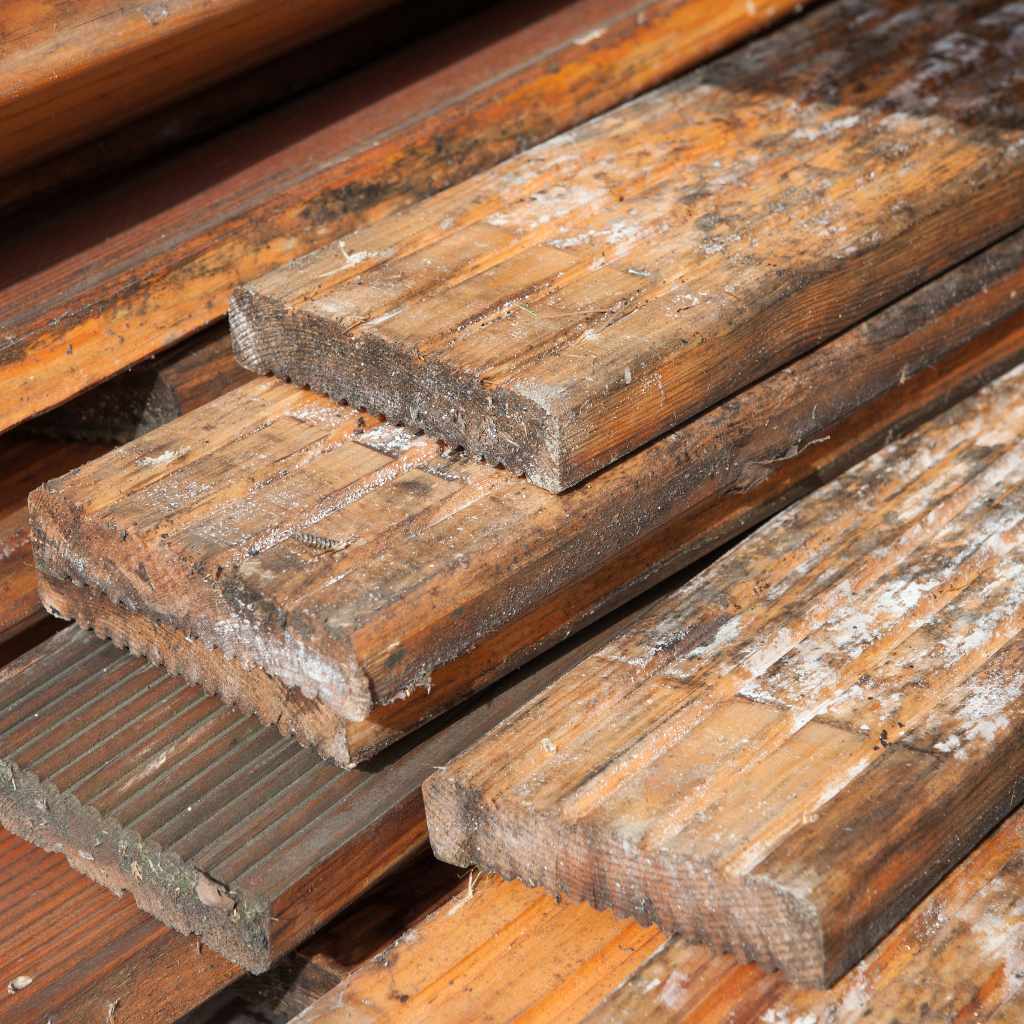
Mold is a type of fungus that loves to grow in damp places. It’s pretty common, and you can find it almost anywhere, including on wood. When wood gets wet and stays wet, mold spores can quickly start to grow. This is because wood provides a great source of food for mold. Different types of mold can appear in a variety of colors, such as black, green, or white. The color doesn’t always tell you how dangerous the mold is, but it can give you a clue about its type. Knowing about these different kinds of molds is important for deciding how to handle the wood. Mold spores are tiny and travel through the air, making them easy to spread around your home or property.
What Mold Does to Wood
Mold eats away at wood, causing it to rot and weaken. This process is called wood decay, and it changes the structure of the wood, making it less sturdy. Different types of mold cause different degrees of damage, but all mold weakens the wood over time. Beyond just weakening the structure, mold also can discolor the wood. You might notice dark spots or a change in the wood’s texture, even if you can’t see the mold directly. Once the wood has been infected with mold, its usefulness is diminished and it may pose a risk to your health. These changes are usually irreversible.
- Structural Damage: Mold actively breaks down the wood fibers, resulting in decreased strength and stability.
- Appearance Changes: You’ll see discoloration, stains, and possibly surface growth like fuzzy patches.
- Reduced Value: Mold-damaged wood is less desirable for most uses and may be difficult or impossible to repair.
- Increased Porosity: Mold can increase the wood’s ability to absorb moisture, leading to further decay.
Understanding the impact of mold on wood is important. When wood is affected by mold, its physical properties change. For instance, the strength of the wood can decrease, making it unsafe for structural applications. If the wood is used in construction or for making furniture, mold can lead to significant problems. Wood that has mold can easily break or fail under stress. It also becomes less effective at resisting moisture, which can further accelerate mold growth. This degradation of wood highlights why dealing with mold is crucial.
Common Types of Mold Found on Wood
Several types of mold commonly grow on wood, each with its own characteristics. Some are more dangerous than others, but it is always best to be cautious. Different molds thrive in various conditions, and identifying the specific type can sometimes give you an idea of the risks. You might find molds like Aspergillus, Cladosporium, or Penicillium. Then there’s the more serious, such as Stachybotrys chartarum, or black mold. The presence of any mold should prompt caution because they can cause health issues. Knowing the common types can help you assess the situation and choose the right actions for removing the mold safely. It’s vital to remember that all molds can trigger allergic reactions.
- Aspergillus: Often found in damp areas. It can trigger allergic reactions and respiratory problems.
- Cladosporium: A common mold found indoors and outdoors. It’s generally less dangerous but can still cause allergies.
- Penicillium: Frequently found on wood and other organic materials. Some types are used to make antibiotics, but can still cause health issues.
- Stachybotrys chartarum (Black Mold): Known for being very harmful. It can produce mycotoxins that cause serious health problems.
These molds are some of the most frequently found on wood. Each can create its own set of problems. Some can lead to allergic reactions or respiratory symptoms. Black mold is particularly dangerous because it produces toxins that are harmful to human health. Identifying the specific type of mold can sometimes be difficult without professional testing. Always assume that any mold growth on wood could pose a health risk. When dealing with moldy wood, it’s best to take precautions to protect your health.
Burning Moldy Wood: Is It Safe?
The question of whether to burn moldy wood is a complicated one. While burning the wood might seem like an easy way to get rid of it, it can have serious consequences. The main concern is the release of mold spores and mycotoxins into the air. These can be inhaled, potentially causing health problems. It’s important to weigh the risks. Remember, even if the fire seems to eliminate the mold, it can spread spores throughout the air. To ensure safety, you must know what the mold does when it is burned.
Risks of Burning Moldy Wood
Burning moldy wood can release mold spores and mycotoxins into the air. When these particles are inhaled, they can cause a range of health issues. Inhaling mold spores can lead to allergic reactions or respiratory problems. Mycotoxins, produced by some types of mold, are even more dangerous. They can cause more serious health problems like lung infections and even neurological issues. The concentration of these dangerous substances can vary based on the type of mold and how the wood burns. Burning this type of wood can spread the mold to other areas. It is generally not advisable to burn moldy wood.
- Inhaling Mold Spores: Can trigger allergic reactions, asthma, and respiratory issues.
- Mycotoxin Exposure: Some molds produce mycotoxins, which are poisonous and can cause severe health problems.
- Smoke Spread: Smoke carries mold spores and mycotoxins, which can contaminate the surrounding environment.
- Environmental Impact: Burning moldy wood releases pollutants into the air, affecting air quality.
These risks are major reasons why you should think twice about burning moldy wood. Exposure to these substances can be harmful, and it is crucial to take the necessary precautions to keep you and those around you safe. Even if the fire burns completely, you may still be exposed to harmful particles. The best approach is to avoid burning moldy wood. Instead, opt for safer disposal methods that prevent the spread of mold spores and protect your health.
What Happens to Mold During Burning?
When moldy wood burns, the high heat can kill the mold. However, that doesn’t mean it’s safe. The process releases mold spores into the air, and these spores can be inhaled. Some molds produce toxins (mycotoxins). These are heat-resistant and might remain in the smoke. The smoke produced by burning moldy wood isn’t something you want to breathe. Understanding what happens when moldy wood burns is important for your health.
- Heat Exposure: High heat kills active mold, but spores are still released.
- Spore Dispersal: Burning spreads mold spores into the air, which can cause health issues when inhaled.
- Mycotoxin Persistence: Some mycotoxins can survive burning and get released in the smoke.
- Smoke Hazards: The smoke contains tiny particles and harmful chemicals that you might breathe in.
Even though the fire destroys the visible mold, it doesn’t eliminate the risk. The spores get released and can spread, possibly harming your health. The chemicals and particles in the smoke could be inhaled. Therefore, burning moldy wood isn’t a safe way to dispose of it. Safe disposal is important. Always prioritize methods that minimize exposure to mold spores and mycotoxins. Consider alternatives like professional removal.
Alternatives to Burning Moldy Wood
There are safer ways to deal with moldy wood than burning it. These methods help get rid of the mold without putting your health at risk. Depending on the amount of mold and the wood’s condition, you have different options. Always wear proper protective gear, like a mask and gloves, to prevent exposure to mold spores. Proper ventilation also matters. Make sure to choose a method that suits your situation.
Proper Disposal Methods
The safest way to get rid of moldy wood is to dispose of it properly. You can either take it to a waste disposal facility or arrange for a removal service. When you are moving the wood, make sure to contain the mold spores. Wrap the wood in plastic to prevent the mold spores from spreading. Always remember to wear gloves, a mask, and eye protection. Also, be sure to wash your hands after handling the wood. These steps protect you and help prevent further contamination. Professional mold removal can be a good option if the mold is widespread.
- Waste Disposal: Wrap the wood tightly in plastic bags before taking it to a waste disposal site.
- Professional Removal: Hire professionals who have the proper equipment and expertise to handle mold removal safely.
- Containment: Always seal moldy wood to stop spores from spreading during removal.
Proper disposal is a safe and effective way to handle moldy wood. Wrapping the wood in plastic bags will contain the mold and prevent the spores from spreading to other areas. This reduces the risk of further contamination. Professional removal services are often the best choice for large amounts of mold or if the mold is in a hard-to-reach area. Remember to use protective gear, and dispose of the moldy wood according to local rules.
Cleaning and Restoration Options (If Applicable)
If the mold isn’t too extensive, you might be able to clean and restore the wood. However, this only applies to mild cases of mold. If the mold has caused significant damage to the wood, the wood may need to be replaced. For smaller areas of mold, you can use a mixture of water and a mild detergent or a specialized mold cleaner. Make sure to wear protective gear and ventilate the area. Let the wood dry completely before you apply a sealant to prevent future mold growth. If the mold is widespread, consider consulting a professional. Restoration might not be possible, depending on the severity of the damage.
- Surface Cleaning: Use a mold cleaner or a mixture of water and detergent on the surface.
- Sanding (If Appropriate): Remove the top layer of wood to remove the mold, but only if the mold hasn’t gone too deep.
- Sealing: Apply a sealant to the cleaned wood to help prevent future mold growth.
- Professional Inspection: If the mold is extensive or the damage is severe, seek the help of a professional for cleaning and repair.
Cleaning and restoring wood can be a viable option, but it’s important to assess the extent of the damage before starting. For minor mold issues, carefully cleaning the surface and applying a sealant might be enough to fix the problem. You might need to sand the wood before cleaning it. Always follow safety precautions and wear protective gear. Consider seeking professional help if the mold is too extensive. This ensures the job is done correctly.
Preventing Mold Growth on Wood
Preventing mold growth is easier than cleaning it up. Mold thrives in damp places, so controlling moisture is key. Regular inspections and maintenance can also help you find and fix problems before they get out of control. By following these easy tips, you can protect your wood and keep your home safe from mold. Consistent efforts are better than having to deal with a big mold problem later.
Controlling Moisture Levels
Controlling moisture is the best way to prevent mold growth on wood. Make sure your home is well-ventilated, especially in areas with high humidity, such as bathrooms and kitchens. Fix any leaks promptly. Use dehumidifiers in damp areas. Keep the wood dry. Ventilation helps by removing moisture from the air. Regular inspections of your home will help you to find and fix any leaks or moisture problems. Keeping moisture at bay will reduce the chances of mold developing in the first place.
- Ventilation: Ensure good airflow in areas prone to humidity, such as bathrooms and kitchens.
- Leak Repair: Address and fix any water leaks immediately.
- Dehumidifiers: Use dehumidifiers in damp areas like basements to reduce moisture.
Controlling moisture is important for protecting your wood and preventing mold. Proper ventilation helps reduce humidity, preventing mold from growing. Fix leaks immediately because they can provide a source of water for mold. Use dehumidifiers in areas prone to moisture. Make sure that you regularly inspect your home to catch moisture issues before they become serious. These actions reduce the likelihood of mold problems.
Regular Inspection and Maintenance
Regularly inspect your wood for any signs of mold growth. Look for discoloration, stains, or a musty smell. Check areas that are prone to moisture. If you find any mold, address it immediately by cleaning and drying the wood. Clean up spills right away and make sure the area is dry. By staying on top of maintenance, you can catch issues early and prevent them from spreading. Regular inspections are a great way to catch problems early before they become bigger issues.
- Visual Inspection: Regularly look for mold growth, discoloration, or stains on wood surfaces.
- Odor Check: Be aware of any musty smells, which may indicate mold growth.
- Prompt Response: Take immediate action to clean and dry the wood if mold is found.
- Preventative Measures: Take care of any spills, leaks, or water damage immediately to prevent mold.
Making a habit of regular inspections will pay off by helping you detect and deal with mold early. By inspecting your wood and taking quick action, you can address any issues before they worsen. Pay attention to the warning signs of mold growth, and take prompt action to eliminate the mold. This proactive approach will help keep your wood surfaces free of mold. Regular maintenance is one of the best ways to protect your property from the damage caused by mold.
| Factor | Burning Moldy Wood | Proper Disposal | Cleaning/Restoration |
|---|---|---|---|
| Safety of Exposure | High Risk (Spore/Mycotoxin Release) | Lower Risk (With Proper Precautions) | Moderate Risk (With Protective Measures) |
| Effectiveness | Ineffective (Mold Spores Remain) | Highly Effective | Effective for Small Areas |
| Environmental Impact | Air Pollution | Minimal to Moderate | Minimal |
This table provides a quick comparison of the three options you have when dealing with moldy wood. Burning moldy wood is dangerous because of the mold spores and toxins that can be released. Proper disposal is much safer. It avoids the release of mold particles into the air. If the mold growth is small, cleaning and restoration are effective if you take the necessary precautions. The best method depends on the scale of the problem. Choosing the right option will ensure your safety and minimize the spread of mold.

Frequently Asked Questions
Question: Is it safe to burn wood with a little bit of mold on it?
Answer: It’s usually not a good idea. Even a small amount of mold can release spores when burned. These spores can spread through the air and can cause health problems.
Question: What’s the best way to get rid of moldy wood?
Answer: The best method is to properly dispose of the wood. Wrap it in plastic bags and take it to a waste disposal facility. If there is a lot of mold, consider hiring a professional mold removal service.
Question: Can I use bleach to clean mold off wood before burning it?
Answer: Using bleach isn’t recommended before burning. Bleach can be dangerous when it’s burned. It is better to use other cleaning methods and avoid burning the wood completely.
Question: Is it possible for my house to catch fire from moldy wood?
Answer: Moldy wood can’t directly cause a fire. However, the wood may be weaker and more easily broken. So, if the wood is structural, a fire is a real risk.
Question: Should I be worried about mold if I’m chopping wood?
Answer: Yes, you should take precautions. Always wear a mask, gloves, and eye protection. Mold spores can be released into the air when you chop the wood. It’s best to handle moldy wood carefully.
Final Thoughts
Understanding Can You Burn Wood with Mold? Risks Explained gives you the information you need to stay safe. Burning moldy wood isn’t a good idea due to the health risks. Mold spores and potential toxins released into the air could cause problems. If you have moldy wood, it’s best to throw it away correctly. Always put the wood in plastic bags before disposing of it. If the mold is small, cleaning it might be possible. Remember to prevent mold by keeping the wood dry and well-ventilated. Be careful of moisture and act fast if you see any mold. By taking these steps, you can help keep your home safe and healthy.