Can MDF Cause Allergies? Dust, Off-Gassing, and Real Risk
MDF can trigger allergy-like symptoms, but the cause is usually irritation from fine dust and trace formaldehyde off-gassing from the urea-formaldehyde resin binder, not a true allergic reaction to the wood fiber itself – the distinction matters because it changes how you prevent and treat the symptoms.
Dust Irritation vs. True Allergy
Best Respirator for MDF Dust and Fumes
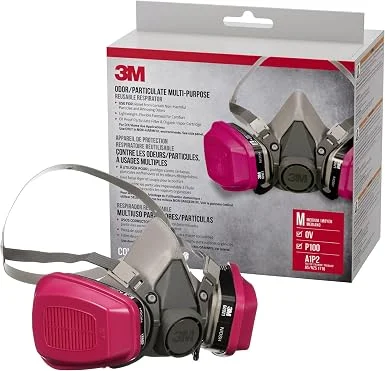 |
3M OV/P100 Multipurpose Respirator – $32.67 A proper particulate respirator, not a basic dust mask, is exactly what this guide recommends for MDF’s especially fine dust and trace formaldehyde exposure.
|
MDF’s fine, dense dust particles are small enough to penetrate deeper into airways than typical solid-wood sawdust, causing throat irritation, coughing, and eye irritation in sensitive individuals – symptoms that mimic an allergic reaction but are really a mechanical/chemical irritant response. A genuine wood allergy (a true immune reaction, most documented with specific exotic species like cocobolo or certain tropical hardwoods) is a separate and less common issue from MDF-specific sensitivity.
Formaldehyde Off-Gassing Is the Other Real Factor
Standard MDF releases small amounts of formaldehyde gas from its resin binder, especially when freshly cut or in a poorly ventilated space, and formaldehyde sensitivity can cause headaches, eye and throat irritation, and respiratory symptoms in some people even at low concentrations. Since 2018, TSCA Title VI regulations have required lower formaldehyde emission limits on MDF sold in the U.S., meaningfully reducing this risk compared to older stock, though it hasn’t eliminated it entirely.
Reducing Symptoms When Working With MDF
A properly fitted dust mask or respirator rated for fine particulates (a basic dust mask isn’t enough for MDF’s especially fine dust) addresses the mechanical irritation, while good ventilation or working outdoors reduces formaldehyde exposure from cutting and sanding. Sealing cut edges with paint or a finish also reduces ongoing off-gassing once a project is complete, since exposed cut edges release more formaldehyde than a sealed factory face.

Choosing Lower-Emission MDF
NAF (no-added-formaldehyde) and ULEF (ultra-low-emitting formaldehyde) MDF products use alternative resin systems that significantly cut formaldehyde content versus standard MDF – worth the modest price premium for anyone with known sensitivity, or for any project (like children’s furniture) where minimizing off-gassing matters more than usual.
When Symptoms Suggest Seeing a Doctor
Persistent respiratory symptoms, skin reactions, or headaches that show up specifically during or after MDF work and don’t improve with better ventilation and a proper respirator are worth discussing with a doctor, since a small subset of people do have a genuine heightened sensitivity to formaldehyde that basic precautions won’t fully resolve.
Frequently Asked Questions
Can MDF dust cause allergy symptoms?
Yes, though it’s usually irritation from fine dust and trace formaldehyde off-gassing rather than a true allergic reaction to the wood fiber itself.
Is newer MDF safer than older MDF?
Yes – TSCA Title VI regulations since 2018 have required lower formaldehyde emission limits on MDF sold in the U.S., meaningfully reducing off-gassing compared to older stock.
What protects against MDF dust and fume symptoms?
A respirator rated for fine particulates, good ventilation while cutting or sanding, and sealing finished cut edges to reduce ongoing off-gassing.
Sponsored / affiliate links. As an Amazon Associate I earn from qualifying purchases. I may earn additional commission from eligible campaigns.