Can You Cut Chicken on a Wood Cutting Board? Safety Tips
Yes, you can cut chicken on a wood cutting board. It is safe and commonly done.
When it comes to food preparation, safety and hygiene are top priorities. When it comes to cutting chicken, it’s important to consider the type of cutting board being used. One common question that arises is whether it’s safe to cut chicken on a wood cutting board.
The answer is yes, it is safe to cut chicken on a wood cutting board as long as it is properly cleaned and sanitized after each use. Wood cutting boards are naturally antimicrobial and can be used for cutting raw meat, including chicken, as long as proper cleaning and sanitation practices are followed. Let’s delve into the details of using wood cutting boards for chicken preparation.
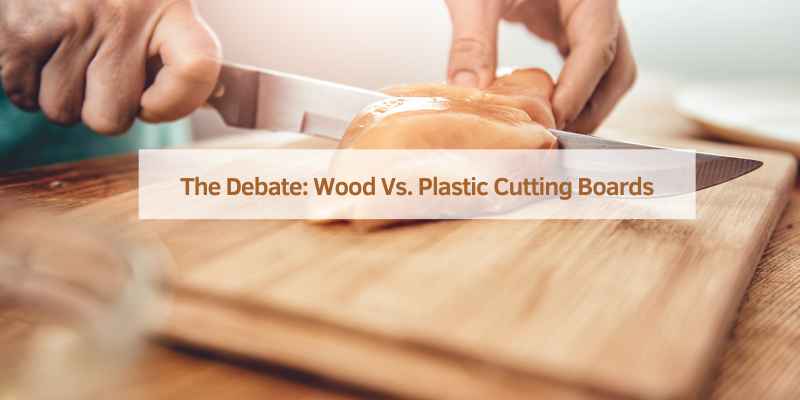
The Debate: Wood Vs. Plastic Cutting Boards
Cutting chicken on a wood cutting board is safe, but cleanliness is key. Wood boards are porous, making thorough cleaning essential to prevent bacterial contamination. Opt for plastic boards for raw meats, while wood boards are ideal for cooked foods and produce due to their durability and knife-friendly nature.
When it comes to choosing the right cutting board for your kitchen, the debate between wood and plastic cutting boards is a common one. Both materials have their own advantages and disadvantages, making it important to understand the pros and cons of each before making a decision.
Pros And Cons Of Wood Cutting Boards
Wood cutting boards have been used for centuries and are favored by many chefs and home cooks for various reasons:
| Pros | Cons |
|---|---|
| 1. Natural and aesthetic appeal | 1. Porous surface can harbor bacteria |
| 2. Knife-friendly surface that doesn’t dull blades | 2. Require special care and maintenance |
| 3. Durable and long-lasting | 3. Not suitable for cutting raw meat |
| 4. Adds warmth and character to the kitchen | 4. Can absorb odors and stains |
Wood cutting boards are perfect for slicing cooked meats, fruits, vegetables, and baked goods. However, due to their porous nature, they are not recommended for cutting raw meat as bacteria can easily seep into the grooves, potentially causing contamination.
Pros And Cons Of Plastic Cutting Boards
Plastic cutting boards, on the other hand, have their own set of advantages and disadvantages:
| Pros | Cons |
|---|---|
| 1. Easy to clean and sanitize | 1. Can develop deep knife grooves over time |
| 2. Non-porous surface prevents bacterial growth | 2. Less durable compared to wood |
| 3. Lightweight and easy to handle | 3. Not as aesthetically pleasing as wood |
| 4. Can be color-coded for different types of food | 4. May need to be replaced more frequently |
Plastic cutting boards are ideal for cutting raw meats, fish, and poultry as their non-porous surface prevents bacteria from penetrating the board. They are also easy to clean and sanitize, making them a practical choice for busy kitchens. However, they may develop deep knife grooves over time, which can be a breeding ground for bacteria if not properly cleaned.
Ultimately, the choice between wood and plastic cutting boards depends on your personal preferences, cooking habits, and the type of food you frequently prepare. It is important to consider the advantages and disadvantages of each material to make an informed decision that suits your needs.
Safety Concerns With Wood Cutting Boards
When it comes to food preparation, safety should always be a top priority. This is especially true when handling raw meat, such as chicken. One common debate among home cooks is whether it is safe to cut chicken on a wood cutting board. In this article, we will explore the safety concerns associated with wood cutting boards and provide insights backed by USDA recommendations.
Bacteria And Porosity
One of the main concerns with using wood cutting boards for cutting chicken is their porosity. Wood is a naturally porous material, meaning it has tiny openings or pores that can absorb liquids and harbor bacteria. Unlike plastic or pyroceramic boards, which have smoother surfaces, wood cutting boards have grooves that can provide a conducive environment for bacteria to thrive.
According to a study by America’s Test Kitchen, wood cutting boards can indeed be more difficult to clean and sanitize compared to non-porous materials. Bacteria can penetrate the grooves and remain trapped, increasing the risk of cross-contamination during food preparation. This is especially problematic when dealing with raw chicken, which can carry harmful bacteria like Salmonella or Campylobacter.
Usda Recommendations
The United States Department of Agriculture (USDA) offers recommendations for safe food handling, including guidelines for choosing the right cutting board material. While wood cutting boards can be used for certain foods, the USDA suggests using non-porous cutting boards for handling meat, including chicken.
Plastic cutting boards are often recommended for cutting raw meats, fish, and poultry due to their ease of cleaning and sanitization. They can be easily washed with hot, soapy water or placed in the dishwasher. On the other hand, wooden cutting boards are better suited for slicing cooked meats, fruits, vegetables, and baked goods, thanks to their durability, knife-friendliness, and aesthetic appeal.
Acrylic or glass cutting boards are also considered good alternatives for handling meat, as they are non-porous and can be easily cleaned. If you prefer using a wood cutting board, it is advisable to reserve it exclusively for cutting meat and have a separate one for other food items like bread or vegetables.
By following these recommendations, you can minimize the risk of bacterial contamination and ensure the safety of your food preparation process.
In conclusion, while wood cutting boards have their advantages, it is essential to consider the safety concerns associated with using them for cutting chicken. Keeping a separate cutting board for raw meats and following proper cleaning and sanitization practices can help mitigate the risks and ensure a safe cooking environment.
The Science Behind Wood Cutting Boards
Cutting chicken on a wood cutting board is safe if cleaned properly to prevent cross-contamination. Wood boards are suitable for slicing cooked meats, fruits, and vegetables due to their durability and knife-friendly surface. For raw meats, opt for a plastic board that is easier to sanitize.
When it comes to cutting chicken, many people wonder if it is safe to use a wood cutting board. The answer is yes, but there are some important things to keep in mind. In this article, we will explore the science behind wood cutting boards and why they can be a great choice for cutting chicken.
Natural Antimicrobial Properties
One of the unique features of wood cutting boards is their natural antimicrobial properties. Studies have shown that certain types of wood, such as maple and bamboo, contain compounds that can help kill bacteria on their surface. This means that when you cut chicken on a wood cutting board, there is a lower risk of bacterial contamination compared to other materials like plastic.
Studies on Bacteria Retention
In addition to their antimicrobial properties, wood cutting boards have also been studied for their ability to retain bacteria. While it is true that wood is a porous material, studies have shown that bacteria actually penetrate the surface of plastic cutting boards more deeply than wood. This means that while wood cutting boards may have more visible grooves, they are actually easier to clean and sanitize than plastic boards.
When it comes to cutting chicken, it is important to choose the right cutting board for the job. While plastic may be a better choice for raw meats, wood is a great option for slicing cooked meats, fruits, vegetables, and baked goods. Just be sure to use a separate cutting board for chicken to avoid cross-contamination.
In conclusion, cutting chicken on a wood cutting board is safe and can even offer some unique benefits compared to other materials. By choosing the right cutting board and following proper cleaning and sanitation procedures, you can enjoy delicious and healthy meals without worrying about bacterial contamination.
Proper Selection And Usage
Cutting chicken on a wood cutting board is safe as long as it’s cleaned and sanitized thoroughly after each use. Wooden boards are best for slicing cooked meats and other foods due to their durability and knife-friendly nature. It’s important to reserve a separate board for raw meat to prevent cross-contamination.
Choosing The Right Board For Chicken
When cutting chicken, opt for a plastic cutting board to prevent cross-contamination.
Designating Boards For Different Foods
Assign specific boards for various food types to maintain hygiene and prevent bacteria transfer.
Cleaning And Sanitizing Wood Cutting Boards
Cutting chicken on a wood cutting board is safe as long as it is properly cleaned and sanitized after each use to prevent cross-contamination. While wood boards are more porous, studies have shown that with proper cleaning, they do not harbor bacteria.
It is recommended to have a separate board for cutting raw meat and another for other food items.
Step-by-step Cleaning Guide
To keep your wood cutting board clean and safe for food preparation, follow these simple steps:
- Start by scraping off any excess food particles or debris from the surface of the cutting board using a bench scraper or a flat spatula. Be gentle to avoid damaging the wood.
- Next, rinse the cutting board under warm running water to remove any remaining residue.
- Apply a small amount of mild dish soap to a sponge or cloth and lather it up.
- Gently scrub the entire surface of the cutting board, paying extra attention to any stubborn stains or odors.
- Rinse the cutting board thoroughly with warm water to remove all traces of soap.
- Pat the board dry with a clean towel, ensuring that all moisture is removed to prevent warping or cracking.
Sanitizing Solutions
Once your wood cutting board is clean, it’s important to sanitize it properly to eliminate any lingering bacteria. Here are some effective sanitizing solutions:
| Solution | Instructions |
|---|---|
| Vinegar | Fill a spray bottle with equal parts water and white vinegar. Spray the solution onto the cutting board and let it sit for a few minutes. Rinse thoroughly with water and pat dry. |
| Bleach | Mix 1 tablespoon of bleach with 1 gallon of water. Dip a clean cloth or sponge into the solution and wipe down the entire surface of the cutting board. Rinse well with water and dry. |
| Hydrogen Peroxide | Pour hydrogen peroxide directly onto the cutting board and spread it evenly using a clean cloth or sponge. Let it sit for a few minutes, then rinse with water and dry. |
| Boiling Water | Boil a kettle of water and carefully pour it over the entire surface of the cutting board. Allow the board to air dry completely before using it again. |
Remember to always follow manufacturer’s instructions and safety guidelines when using sanitizing solutions. Regularly cleaning and sanitizing your wood cutting board will help to prevent cross-contamination and ensure the safety of your food preparation.
Longevity And Maintenance Of Wood Cutting Boards
Wood cutting boards are not only beautiful and durable but also require regular maintenance to ensure their longevity. Proper care and maintenance will not only keep your wood cutting board in top condition but also prevent the growth of bacteria and extend its lifespan.
Regular Maintenance Tips
- Clean the wood cutting board with mild soap and warm water after each use.
- Sanitize the board with a mixture of vinegar and water or hydrogen peroxide to kill any lingering bacteria.
- Apply mineral oil regularly to keep the wood from drying out and to maintain its moisture content.
- Avoid soaking the board in water or exposing it to excessive heat or direct sunlight.
- Remove any deep cuts or grooves by sanding the board to keep its surface smooth.
When To Replace Your Cutting Board
Over time, wood cutting boards can develop deep grooves and cuts that harbor bacteria, making them unsafe for use. It’s time to replace your cutting board if:
- The board has deep grooves that are difficult to clean.
- There are cracks or splits in the wood.
- The board warps or becomes unstable.
- It has a persistent odor or stains that cannot be removed.
- There is mold growth on the surface.
Alternative Cutting Board Materials
Cutting boards made from different materials offer unique benefits for food preparation. When considering alternative cutting board materials, options like acrylic, glass, and hybrid cutting boards provide versatility and durability.
Acrylic And Glass Options
Acrylic and glass cutting boards are non-porous, making them ideal for handling raw meats like chicken. These boards are easy to clean and sanitize, reducing the risk of bacterial contamination during food preparation.
Hybrid Cutting Boards
Hybrid cutting boards combine the best features of different materials, offering a balance of durability and knife-friendliness. They provide a versatile option for cutting various foods, including chicken, while maintaining hygiene standards.
Expert And Home Chef Opinions
Expert and home chef opinions vary on whether you can cut chicken on a wood cutting board. Some say it’s safe if cleaned properly to prevent cross-contamination. Others prefer using plastic boards for raw meats due to easier sanitation. Ultimately, it’s important to maintain hygiene regardless of the board type.
Professional Chef Recommendations
Professional chefs generally recommend using plastic cutting boards for cutting raw chicken due to their ease of cleaning and sanitizing. However, wooden cutting boards are preferred for slicing cooked meats, fruits, and vegetables as they are more durable and knife-friendly.
Real-world Usage And Preferences
In real-world scenarios, many home chefs also opt for plastic cutting boards when handling raw chicken for hygienic reasons. Wooden cutting boards are often reserved for non-meat items like fruits, vegetables, cheese, and bread to prevent cross-contamination.
When it comes to cutting chicken on a wood cutting board, it is essential to ensure thorough cleaning and sanitization to minimize the risk of bacterial contamination. By following proper food safety practices, both professional chefs and home cooks can safely use wood cutting boards for various food preparation tasks.

Frequently Asked Questions
Why Can’t You Cut Chicken On A Wooden Cutting Board?
Contrary to popular belief, it is safe to cut chicken on a wooden cutting board as long as it is cleaned and sanitized properly after each use. However, wooden boards are more porous, allowing bacteria to enter the grooves more easily.
It is recommended to reserve a wooden board solely for cutting meat and use a separate one for other foods.
Is It Better To Cut Raw Chicken On Wood Or Plastic?
Yes, it is safe to cut raw chicken on a wood cutting board. Wood possesses natural antimicrobial properties, and as long as the board is cleaned and sanitized after each use, the risk of cross-contamination is minimized. Plastic cutting boards are easier to clean and sanitize, making them ideal for raw meats, fish, and poultry.
However, a wooden board is suitable for slicing cooked meats, fruits, vegetables, and baked goods.
Is It Okay To Cut Meat On A Wooden Cutting Board?
Yes, it is safe to cut meat on a wooden cutting board as long as it is cleaned and sanitized properly after each use to prevent cross-contamination. Wood has natural antimicrobial properties. It is recommended to use a separate cutting board for meat and another one for vegetables and other fresh produce.
What Type Of Cutting Board Is Best For Chicken?
The best type of cutting board for chicken is a non-porous board, such as acrylic or glass. However, if you prefer using a wooden board, make sure to reserve it only for cutting meat and clean it thoroughly after each use to avoid cross-contamination.
Studies have shown that wood possesses natural antimicrobial properties, making it safe to cut raw meat on a wooden board if properly sanitized.
Conclusion
Cutting chicken on a wood cutting board is safe if cleaned properly. While plastic boards are ideal for raw meats, wood boards have natural antimicrobial properties. It’s best to use separate boards for different foods to prevent cross-contamination. Choose the right cutting board for specific tasks.