Can You Eat Acorns From Oak Trees? Facts About Acorns
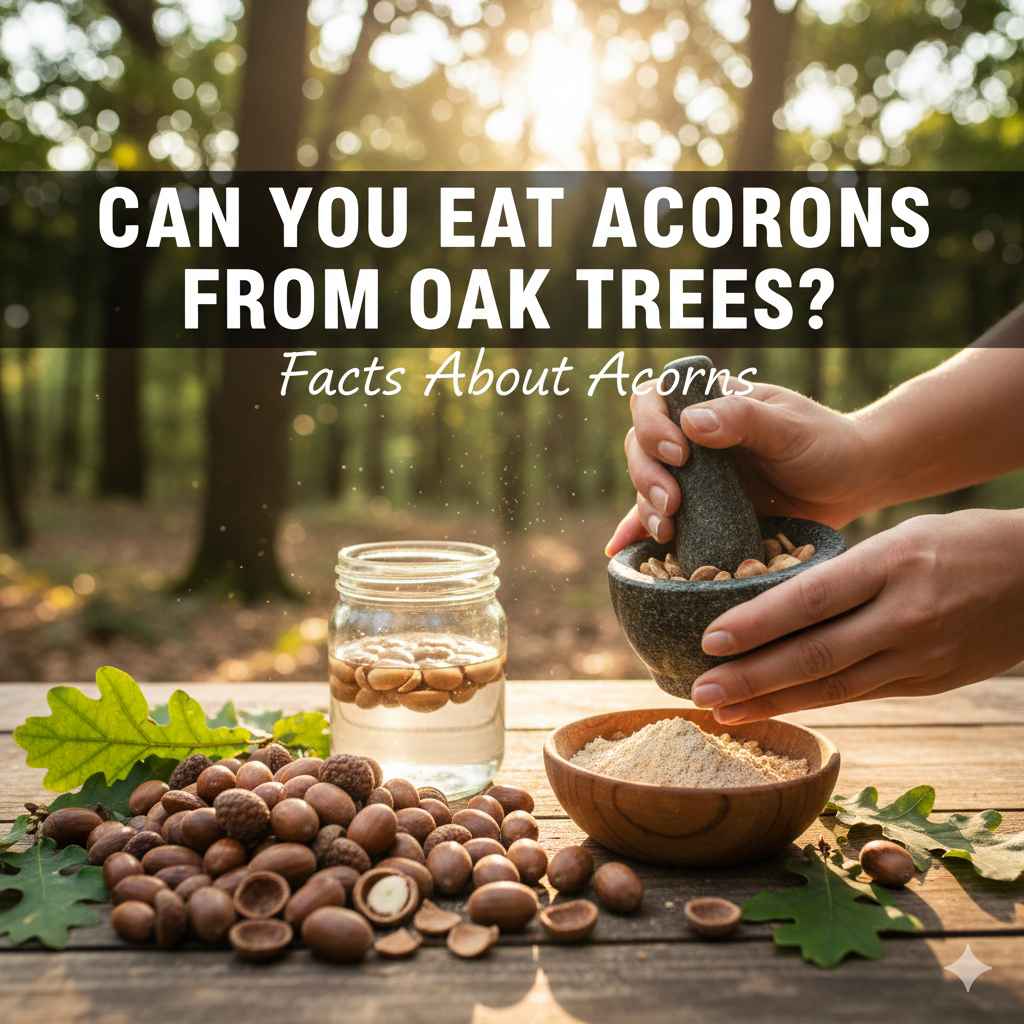
Thinking about foraging for food? The question, Can You Eat Acorns From Oak Trees? Safe Facts, often pops up for those new to wild edibles. It seems simple, but it’s a bit tricky because acorns contain tannins that can make you sick. Don’t worry, though! This guide will help you learn how to enjoy acorns safely. We’ll explore the steps needed to prepare acorns for eating. Let’s get started!
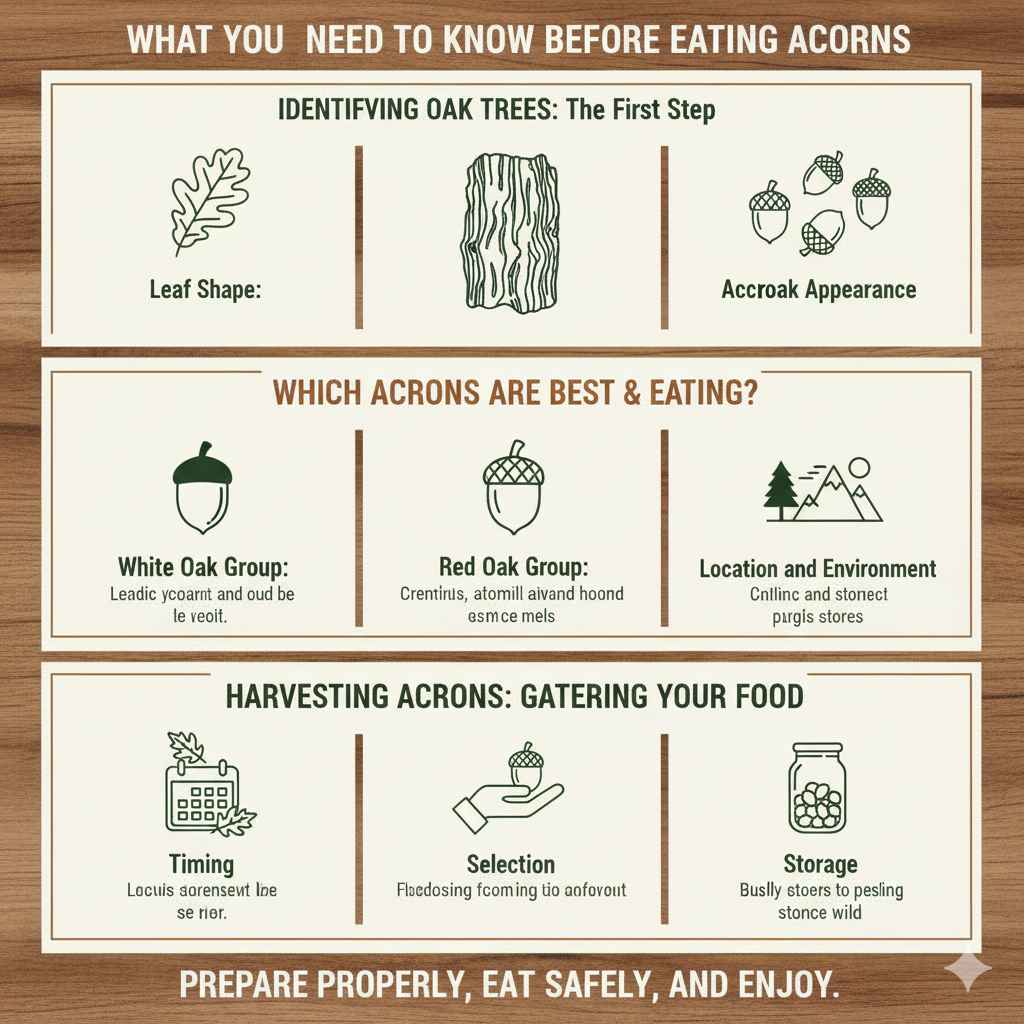
What You Need to Know Before Eating Acorns
Before you gather acorns for a snack, it’s good to know a few things. Oak trees are all over the place, but not all acorns are created equal. Some types of acorns are less bitter than others. Also, how you prepare them makes a huge difference in whether they’re safe and yummy to eat. It’s like baking a cake – you need the right recipe and ingredients! Get ready to explore the exciting world of acorns, and learn how to make them a tasty addition to your meals. We’ll start with the basics.
Identifying Oak Trees: The First Step
The first step is knowing which tree the acorns come from! There are many types of oak trees, and their acorns vary in size, shape, and how much tannin they contain. Tannins are what make acorns bitter. So, knowing how to spot an oak tree is very important. Oak trees have distinct leaves that are usually lobed. The shape of the leaves is a good clue. The bark on an oak tree is often rough and has deep ridges. Also, acorns always grow from oak trees. Pay attention to the leaves, bark, and the presence of acorns. This will help you identify the tree correctly.
Leaf Shape: Look for leaves with rounded or pointed lobes. Each oak species has a different leaf shape.
Different oak tree species have unique leaf structures. These variations in lobe shape, size, and texture can help you categorize which type you are looking at. Recognizing these variations is a starting point for figuring out what type of oak you have encountered.
Bark Characteristics: Notice the bark’s texture. Oak bark is often deeply ridged.
The texture of an oak tree’s bark is a key factor in its identification. Mature oak trees typically have thick, rough bark, showing deep furrows and ridges. The pattern and color of the bark can vary by species, adding to the visual cues.
Acorn Appearance: Check the acorn’s size, shape, and cap. Different oak trees have different acorns.
Acorns themselves offer clues. Examine the acorn’s size, shape, and the texture of its cap. Some caps cover most of the acorn, while others sit on top like a tiny hat. The acorn’s appearance can greatly help in identifying the tree.
Which Acorns Are Best for Eating?
Not all acorns are equally delicious. Some types of oak trees have acorns with fewer tannins. This means they won’t be as bitter. White oak acorns are usually less bitter than red oak acorns. If you can find white oak trees, you’ll have less work to do. But don’t worry if only red oaks are around; it just takes a bit more preparation. The key is to know which type of tree you have to select the best acorns. Understanding the different acorn types makes the process easier.
White Oak Group: These acorns have lower tannin levels.
White oak acorns, as a group, are typically your best starting point. Because of their lower tannin content, they require less work to make them tasty.
Red Oak Group: Red oak acorns are more bitter.
The red oak group has higher tannin levels, needing more rinsing and soaking to remove bitterness. This group includes species like the red oak and the pin oak.
Location and Environment: The environment can also affect tannin levels.
The environment also plays a role. Acorns from trees in drier locations might have higher tannin levels than those in wetter areas.
Harvesting Acorns: Gathering Your Food
Once you’ve identified your oak tree, it’s time to gather the acorns! The best time to collect them is in the fall when they’ve fallen from the tree. Look for acorns that are plump, firm, and free of holes. You can gather them from the ground. Avoid any that look moldy or have bugs. Choose acorns that seem healthy and are in good shape. This ensures that you start with the best possible ingredients. Happy foraging!
Timing: Collect acorns in the fall when they are ripe.
The best time to gather acorns is during the fall. This is when the acorns are ripe and have fallen from the trees. This timing also means you don’t have to climb the tree! The exact timing varies depending on your area and the specific oak tree.
Selection: Pick firm, healthy-looking acorns.
Carefully choose acorns that are firm and without any holes. Avoid ones that appear moldy, damaged, or have insects. Select the best acorns you can find. This will affect how good they taste after you prepare them.
Storage: Store acorns in a cool, dry place.
After gathering, store your acorns in a cool, dry place until you’re ready to process them. This helps keep them fresh and prevents mold growth. Good storage practices are key to enjoying your harvest.
How to Process Acorns to Remove Tannins
The tricky part of eating acorns is removing the tannins. Tannins make acorns taste bitter, and they can also cause stomach upset. Luckily, there are a few methods to get rid of them. The main idea is to soak or boil the acorns for a long time. This washes away the tannins. Following these steps carefully will lead to a delicious result. Let’s explore the different ways to remove the tannins!
Leaching Acorns in Water: The Soaking Method
The soaking method is a patient approach. It involves soaking the shelled acorns in water for several days. Change the water regularly. This helps to draw out the tannins. Soaking is one of the most effective ways to remove the bitterness. Make sure to rinse the acorns often. This way, you’re making sure that they won’t be bitter when you cook them. Be prepared for a long process, but it’s worth it!
Shelling the Acorns: Remove the acorn shells.
Shell the acorns. This means taking off the hard outer shells. This step will help the water reach the acorns and remove the tannins.
Cold Water Soaking: Soak the shelled acorns in cold water.
Place the shelled acorns in a container of cold water. Make sure there is enough water to cover them. Leave them to soak. Change the water every day.
Water Changes: Change the water until the water is clear.
Keep changing the water every 12 to 24 hours. The water will turn brown at first. When the water stays clear, the tannins are gone. This might take several days or even a couple of weeks, depending on the acorn type.
Boiling Acorns: A Faster Solution
Boiling is a faster method for removing tannins. You boil the shelled acorns in water, changing the water multiple times. This process will remove bitterness quicker than soaking. Boiling is a great option if you need your acorns ready sooner. Make sure to keep an eye on the acorns while they are boiling. This will help make sure they cook correctly. You’ll be ready to enjoy them in no time!
Prepare the Acorns: Shell the acorns.
Shell your acorns. The same step as in soaking. Removing the shells helps the water reach the acorns and pull out the tannins.
Boil the Acorns: Boil the shelled acorns in water.
Place the shelled acorns in a pot and cover them with water. Boil the acorns for about 30 minutes. The water will become dark. Drain the water.
Rinse and Repeat: Repeat boiling and draining until the water is clear.
Repeat the boiling and draining process. Boil again for another 30 minutes. Keep doing this until the water stays clear. This means the tannins are removed.
Testing for Tannins: Ensuring Acorn Safety
How do you know when the tannins are gone? One way is to taste a small piece of acorn. If it tastes bitter, you need to soak or boil it longer. Another way is to look at the water. If the water runs clear and is not brown or yellowish anymore, the tannins are likely gone. You can also use a simple test with iron. Make sure you get the tannins out. This will ensure that your acorns are safe to eat. Let’s explore how to test for tannins.
Taste Test: Taste a small piece of acorn.
The most straightforward test is a taste test. Take a small piece of the processed acorn and eat it. If it’s still bitter, it needs more rinsing. Continue the leaching process until the bitterness is gone.
Water Clarity: Check the color of the water.
During soaking or boiling, observe the water. When the water runs clear, it’s a good sign that the tannins have been removed. This usually happens after several water changes.
Iron Test: Add iron to the water (optional).
Adding iron to the water can help indicate tannin presence. If the water turns dark, tannins are present. If the water remains clear, most of the tannins are gone. Be careful when handling iron.
Ways to Cook Acorns: Turning Acorns Into Food
Once you’ve removed the tannins, it’s time to cook your acorns! You can roast them, grind them into flour, or use them in many recipes. The great thing about acorns is how versatile they are. The way you choose to cook them depends on your taste and what you want to make. Get ready to turn your hard work into delicious meals! Let’s explore how to prepare these wild snacks.
Roasting Acorns: A Simple Snack
Roasting acorns is an easy way to enjoy them. This makes a simple and tasty snack. After leaching, roast the acorns in an oven. The roasting brings out their nutty flavor. Roasting is a good starting point for people new to acorns. It shows how easy it is to enjoy them! Experiment with roasting times and temperatures to get them just right. You’ll discover how tasty they can be!
Preheat: Preheat your oven.
Preheat your oven to around 350°F (175°C). Make sure the oven is ready to cook the acorns evenly.
Spread: Spread the acorns on a baking sheet.
Spread the prepared acorns in a single layer on a baking sheet. Make sure they are not crowded. This ensures they cook evenly.
Roast: Roast until golden brown, about 15-20 minutes.
Roast the acorns in the oven. Bake them until they turn golden brown. Keep a close watch on them to prevent burning. Remove when they reach the desired color and texture.
Acorn Flour: Baking with Acorns
You can grind the acorns into flour and use them for baking! This turns your acorns into a versatile ingredient. Acorn flour can replace all or part of the wheat flour in your recipes. This adds a unique, earthy flavor to your baked goods. Be prepared to enjoy acorn flour in your favorite dishes. Here are some key points about creating this useful flour.
Drying the Acorns: Dry the leached acorns.
After removing the tannins, dry the acorns completely. You can do this by roasting them or using a dehydrator. Make sure they are bone-dry before grinding.
Grinding the Acorns: Grind the acorns into flour.
Once dry, grind the acorns using a food processor, a blender, or a grain mill. Grind them until they reach a fine powder. This is now your acorn flour.
Using Acorn Flour: Use the flour in various recipes.
Acorn flour can be used in many recipes, such as bread, pancakes, and cookies. You can also mix it with other flours. This will give your food a nutty flavor and texture.
Acorn Recipes: Exploring Culinary Uses
Acorns aren’t just for snacks; you can use them in many recipes! You can add them to soups, stews, and even salads. They add a special flavor and texture. Think of your acorns as a special ingredient to make your meals even better. Get creative and find new ways to enjoy acorns in your everyday cooking. Try something new and enjoy the result!
Acorn Soup: Add acorn flour to a soup recipe.
Add acorn flour to thicken and flavor soups. You can make acorn soup with vegetables. This creates a warm, nourishing meal.
Acorn Stew: Incorporate acorns into stews.
Add acorns to stews for a hearty texture and flavor. Acorns combine well with various meats and vegetables. This adds a unique element to your stew.
Acorn Salad: Toss roasted acorns into salads.
Toss roasted or toasted acorns into salads. They add a nice crunch and a nutty taste. They can replace croutons.
Potential Risks and Considerations
While acorns are safe to eat after processing, there are a few things to keep in mind. Be very sure you’ve removed the tannins. If you eat acorns with tannins, you could experience stomach upset. Always use proper methods and pay attention to what you are doing. Remember that some people may have sensitivities or allergies. Knowing about these possible issues will help you to enjoy acorns safely. Let’s discuss possible risks.
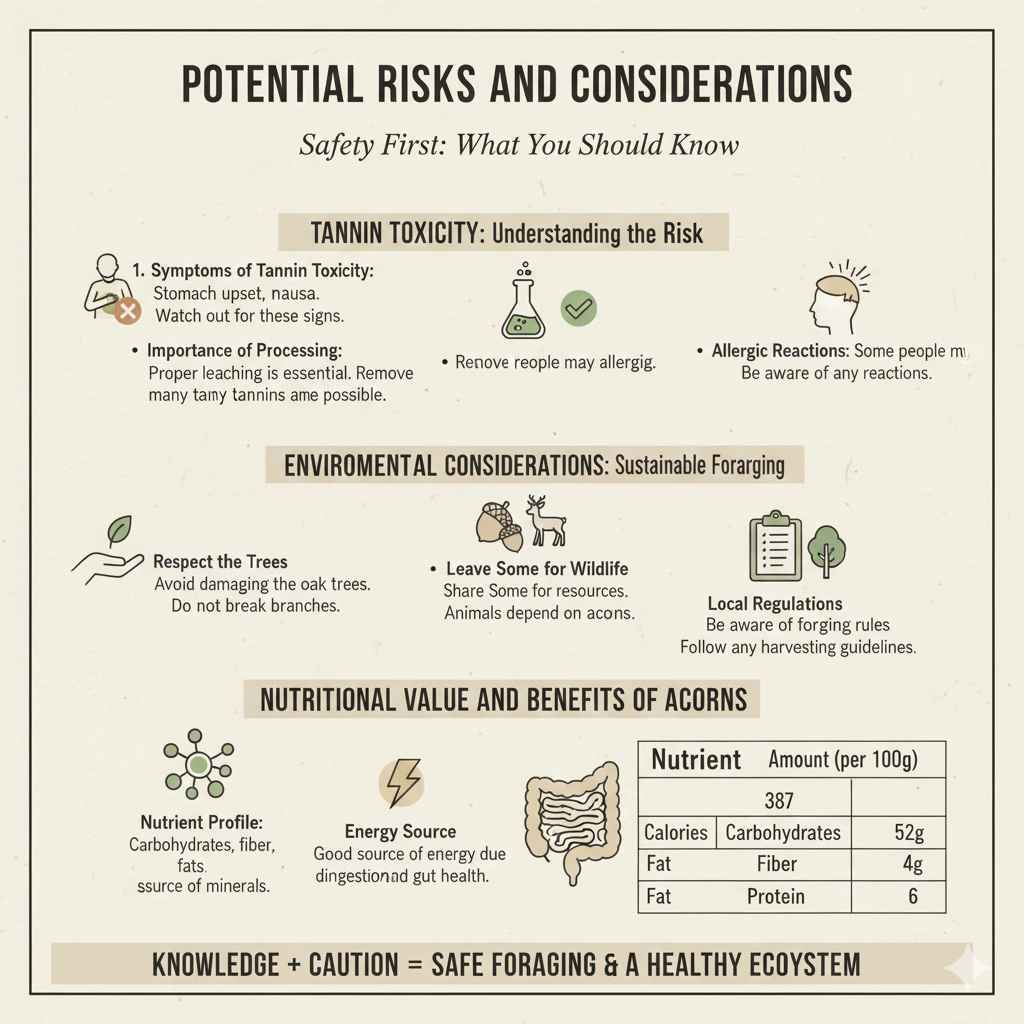
Tannin Toxicity: Understanding the Risk
The main risk when eating acorns is tannin toxicity. Tannins are bitter and can cause digestive issues if not removed. If you don’t remove them properly, they can lead to stomach aches, nausea, and other unpleasant symptoms. If you process acorns the right way, you can avoid this problem. Make sure to use leaching or boiling methods to get rid of the tannins. This is the key step to preventing any health problems.
Symptoms of Tannin Toxicity: Stomach upset, nausea.
If you consume acorns with too many tannins, you might experience symptoms. Common symptoms include stomach pain, nausea, and other digestive issues. Watch out for these signs.
Importance of Processing: Proper leaching is essential.
The solution is proper processing, which is very important. Always leach the acorns. Make sure to remove as many tannins as possible before eating them.
Allergic Reactions: Some people may be allergic.
It is important to watch out for potential allergic reactions. While rare, some individuals may have a sensitivity to acorns. Be aware of any reactions after eating them.
Environmental Considerations: Sustainable Foraging
When you’re gathering acorns, it’s good to think about the environment. Only take what you need. Think about how your actions affect the oak trees and the surrounding wildlife. Over-harvesting can harm both the trees and the animals that depend on acorns. Consider the environment as you forage. This ensures a sustainable harvest. We all have a part to play in protecting nature. Let’s review some key things.
Respect the Trees: Avoid damaging the trees.
As you gather acorns, avoid causing any damage to the oak trees. Do not break branches. Show respect for the natural environment.
Leave Some for Wildlife: Leave some acorns for animals.
Remember that acorns are food for animals. Leave some acorns on the ground for wildlife. Make sure to share the resources.
Local Regulations: Be aware of foraging rules.
Familiarize yourself with local regulations and laws regarding foraging. Some areas may have restrictions on gathering acorns. Follow any rules about harvesting.
Nutritional Value and Benefits of Acorns
Acorns are a good food source and are more than just a snack. They provide some important nutrients! They have carbohydrates, fiber, and some healthy fats. Acorns can be a valuable addition to your diet. They are a good source of energy. Let’s explore their nutritional value in detail. You might be surprised!
Nutrient Profile: Carbohydrates, fiber, and fats.
Acorns provide nutrients. They contain carbohydrates, fiber, and a small amount of healthy fats. They are also sources of minerals.
Energy Source: A good source of energy.
Acorns offer energy because of their carbohydrates. They can be a valuable part of your diet.
Fiber Content: Fiber for digestive health.
Acorns contain fiber. Fiber helps support good digestion. It can contribute to overall gut health.
| Nutrient | Amount (per 100g) |
|---|---|
| Calories | 387 |
| Carbohydrates | 52g |
| Fiber | 4g |
| Fat | 21g |
| Protein | 6g |
Frequently Asked Questions
Question: Are all acorns safe to eat?
Answer: No, not all acorns are safe to eat directly from the tree. Acorns contain tannins, which can cause digestive issues. They need to be processed (leached or boiled) to remove the tannins before consumption.
Question: How can I tell if an acorn has been properly leached?
Answer: You can taste a small piece of the acorn. If it is no longer bitter, it is ready. You can also check the water during soaking or boiling. If the water runs clear, most of the tannins have been removed.
Question: Can I eat acorns raw?
Answer: No, raw acorns are not safe to eat due to the high tannin content. Processing through leaching or boiling is necessary to make them safe for consumption.
Question: Are there any health benefits to eating acorns?
Answer: Yes, acorns provide carbohydrates, fiber, and healthy fats. They are a good source of energy. Acorns also provide vitamins and minerals.
Question: How do I store acorns after I have processed them?
Answer: After processing, store acorns in a cool, dry place. You can roast and then store them in an airtight container in the fridge or freezer. For acorn flour, keep it in an airtight container in a cool, dark location.
Final Thoughts
So, Can You Eat Acorns From Oak Trees? Safe Facts—yes, you can, but you must know how to prepare them! You learned about identifying the right oak trees and the steps to remove the bitter tannins. From leaching to boiling, you now have the tools to make acorns safe and tasty. You also learned how to roast them and make them into flour for cooking.
Remember the risks and be careful with your foraging. Gather acorns from the trees safely. Start by gathering your own acorns and giving these tips a try. You’ll soon discover the great taste of properly prepared acorns!