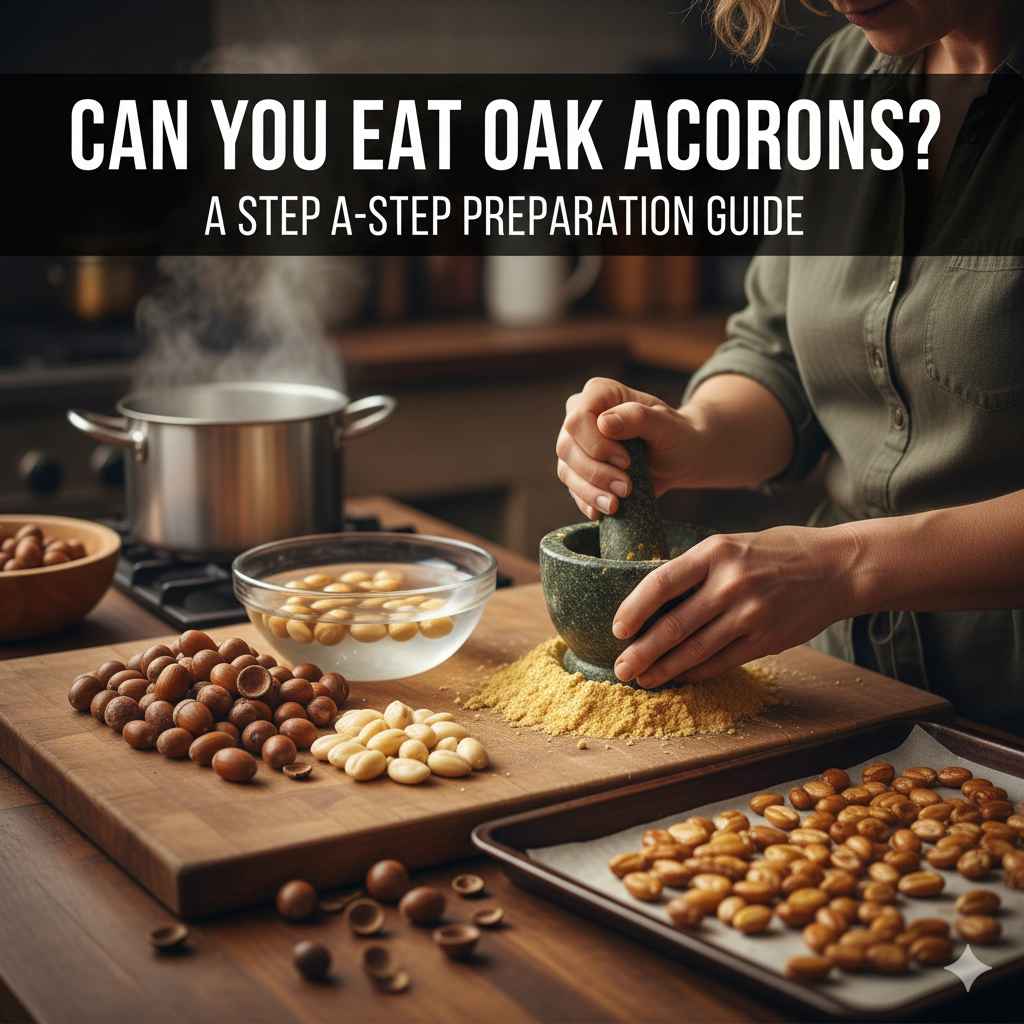
Can You Eat Oak Acorns? A Step-by-Step Preparation Guide
Figuring out Can You Eat Oak Acorns? Preparation Guide can be a tricky start for many. You might think, “Are acorns even edible?” or “How do I make them safe to eat?” Don’t worry, it’s totally achievable! This guide will show you how to prepare acorns, making them a delicious and safe food source. Get ready, because what comes next is a simple, step-by-step process that demystifies acorn preparation!
Edible Acorns: What You Should Know
Acorns, the fruit of oak trees, might seem like an unusual food choice, but they have a rich history. People across the globe have used them as a food source for centuries. The key thing is that raw acorns contain tannins, which make them taste bitter and can cause stomach upset. This bitterness makes the preparation step very important! Different types of oak trees have different levels of tannins in their acorns. This means some acorns need more preparation than others.
Selecting the Right Acorns
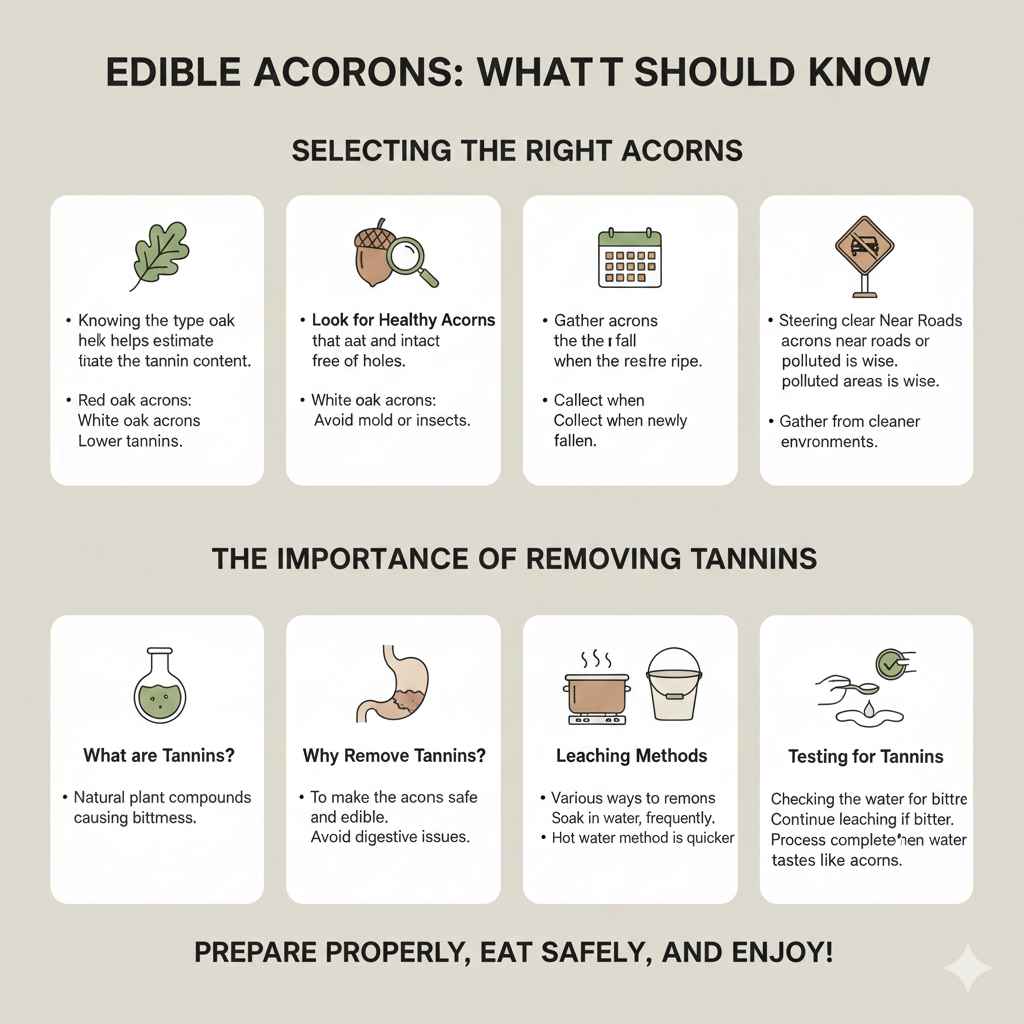
Choosing the correct acorns is the first step in the process. It’s important to know the type of oak tree the acorns come from. Red oak acorns have high tannin levels, so they require extended leaching. White oak acorns have lower tannin levels and are easier to prepare. It is also important to gather acorns that are free from holes, cracks, or signs of insect damage. When selecting, check for a shiny appearance, which often indicates freshness.
Identify the Oak Tree: Knowing the type of oak helps estimate the tannin content.
Different types of oak trees produce acorns with varying amounts of tannins. Red oak acorns are typically higher in tannins than white oak acorns. This directly influences the preparation time.
Look for Healthy Acorns: Choose acorns that are intact and free of holes.
Healthy acorns are crucial because they will provide the best flavor once prepared. Damaged acorns may harbor mold or insects, impacting taste and safety. Look for firm, shiny acorns that have not been cracked open.
Collect During the Season: Gather acorns in the fall when they are ripe.
Acorns are usually ready for harvesting in the fall. During this time, they will have fallen from the trees. Collecting them when they are newly fallen will provide the freshest quality.
Avoid Acorns Near Roads: Steering clear of acorns near roads or polluted areas is wise.
Acorns located near roads might be contaminated with exhaust fumes and other pollutants. To make sure you get clean acorns, it’s best to gather them from cleaner environments.
The Importance of Removing Tannins
The bitter taste of acorns comes from tannins. Tannins are natural compounds that protect the acorns from insects and other pests. But, tannins can also cause stomach upset in humans. The process of removing tannins, also known as leaching, is the most important step in preparing acorns for consumption. Without proper leaching, the acorns will remain bitter and unpleasant to eat. Leaching involves soaking the acorns in water until the tannins dissolve.
What are Tannins? Natural plant compounds causing bitterness.
Tannins are astringent compounds found in many plants, including acorns. They protect the seeds from predators and can also make them inedible. Leaching removes these compounds.
Why Remove Tannins? To make the acorns safe and edible.
Removing tannins ensures the acorns are safe for consumption. Consuming high levels of tannins can cause digestive issues. Removing them transforms the bitter acorns into a palatable food source.
Leaching Methods: Various ways to remove tannins.
Leaching methods vary from cold water to hot water, with the hot water method often being quicker. Acorns must be soaked in water, which is then changed frequently. This helps to leach out the tannins.
Testing for Tannins: Checking the water for bitterness.
Testing the water is how you know when the leaching process is complete. If the water tastes bitter, then you need to continue leaching. Once the water tastes like the acorns, then the process is finished.
Preparing Acorns for Cooking
Preparing acorns involves several key steps: collecting, cleaning, and preparing them. Gathering them fresh from the ground ensures you start with the best quality. Cleaning them removes any dirt, debris, or insects, making sure that the final product is safe to eat. Then, removing the tannins is a critical step, which involves leaching. Once the tannins are removed, the acorns can be used in numerous recipes, making them a versatile food ingredient.
Cleaning and Shelling the Acorns
After you gather the acorns, the cleaning process is important for removing dirt and debris. This part guarantees a cleaner final product. Shelling the acorns is next, which involves removing the hard outer shell to access the edible nutmeat. Doing this is easier after the acorns have dried a bit. You can use tools like a nutcracker or a hammer.
Rinse and Sort: Remove dirt and bad acorns.
The first step is rinsing the acorns under cold water. This removes any dirt or debris that may have gathered on the acorns. Sort through them, removing any that have holes, cracks, or signs of insects.
Drying the Acorns: Dry before shelling.
Allow the acorns to dry. Doing this helps with shelling. Lay the acorns out on a tray or in a well-ventilated area until they are completely dry.
Shelling Methods: Use a nutcracker or hammer.
Use a nutcracker, hammer, or even a rock to break open the shells. There are various tools available, but any method that works is perfect. Be careful not to crush the nutmeat.
Separate the Nutmeat: Remove the shells.
Once you’ve cracked the shells, remove the nutmeat. Remove any remaining shell pieces or debris. Then, you’re one step closer to making delicious recipes!
Leaching Techniques
Leaching is the method used to remove tannins from acorns. Tannins give acorns a bitter taste and can cause digestive issues. There are two primary techniques used for leaching: the cold water method and the hot water method. The cold water method involves soaking the acorns in cold water for several days, changing the water frequently.
The hot water method involves boiling the acorns, which accelerates the leaching process. The hot water method typically takes less time than cold water. The choice of which method depends on your time and preference.
Cold Water Leaching: Soak in cold water, change daily.
The cold water method requires soaking the shelled acorns in cold water. Change the water once or twice daily. The leaching process may take several days to weeks, depending on the type of acorn. This method is slower but can be a less energy-intensive option.
Hot Water Leaching: Boil, then change water.
The hot water method is faster. Boil the acorns in water for about 30 minutes, then drain and repeat until the water is no longer bitter. This usually takes a few repetitions. The hot water method speeds up the process because heat speeds the tannin release.
Testing for Bitterness: Taste test the water.
Always test the water for bitterness after each water change. The absence of bitterness indicates that most of the tannins have been removed. Taste the water to see if all the tannins are gone. If it’s still bitter, keep leaching.
Evaluating Readiness: When the water tastes neutral.
When the water stops tasting bitter, the leaching process is finished. The acorns are now safe for consumption. The acorns should taste like acorns and be ready to use in recipes.
Cooking with Acorns: Recipes and Ideas
After the leaching process, the acorns are ready to be used in various recipes. The flavor of the acorns is mild, with a slightly nutty taste, making them versatile for different dishes. You can roast, grind, or boil them, depending on the recipe. They can be used as a substitute for nuts in many recipes. Experiment with different recipes to explore the different flavors that the acorns can provide. Here are some recipe ideas and cooking tips.
Roasting and Grinding Acorns
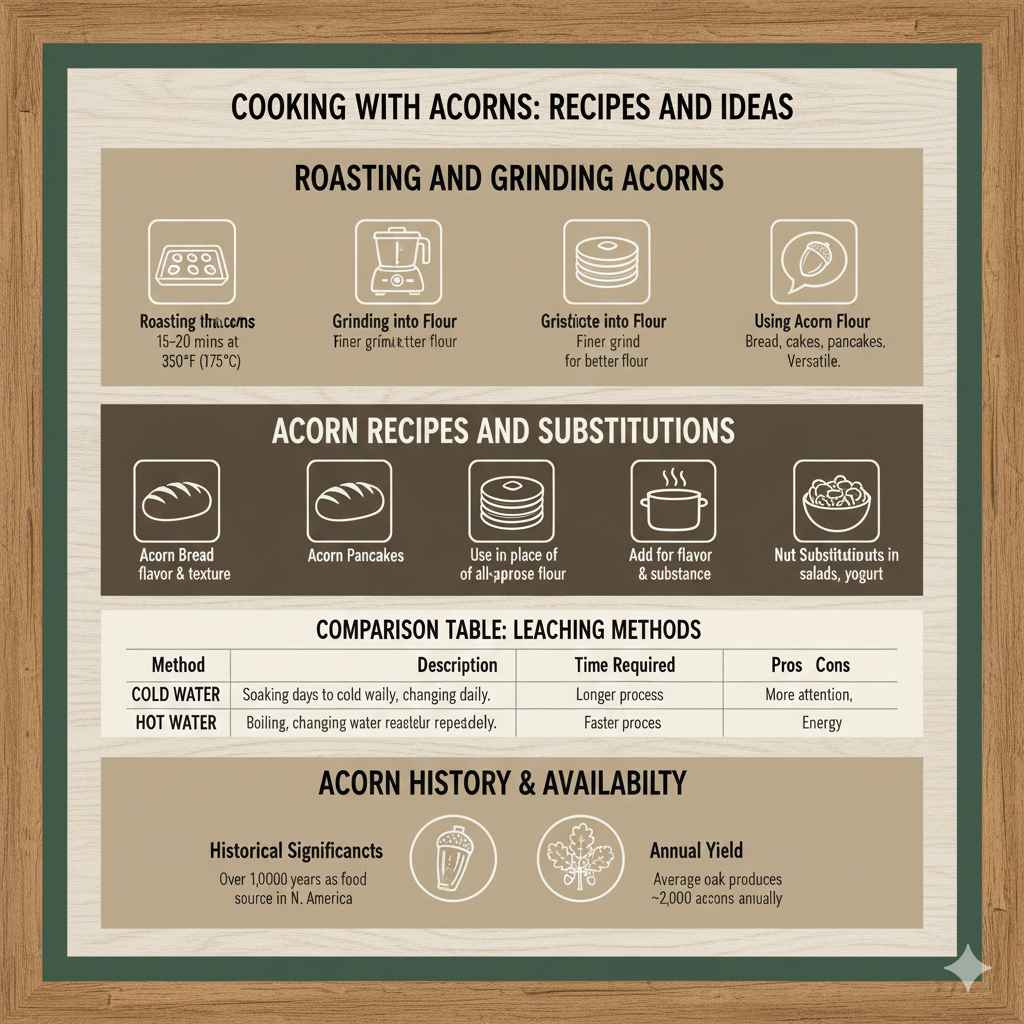
Roasting is a common method for preparing acorns. Roasting brings out their flavor. After leaching, roasting enhances the nutty flavor, making them ready to eat as a snack. Roasting involves spreading the acorns in a single layer on a baking sheet and baking them at a moderate temperature. You can then grind the roasted acorns into a flour, which can be used as a substitute for wheat flour in many recipes. This flour can be used for baking bread, pancakes, and other baked goods. It provides a unique flavor and texture to these dishes.
Roasting the Acorns: Enhance flavor.
Spread the leached acorns on a baking sheet. Roast them in a preheated oven at 350°F (175°C) for about 15-20 minutes, or until golden brown and fragrant. This will enhance the nutty flavor.
Grinding into Flour: Use a food processor.
Once roasted, grind the acorns into a flour using a food processor, a blender, or a dedicated grain mill. The finer the grind, the better the flour will work in recipes. Acorn flour can then be used in many recipes.
Using Acorn Flour: Substitute in recipes.
Acorn flour can be used in a variety of ways. Use it to substitute for wheat flour in bread, cakes, and pancakes. Try experimenting with different ratios to find the perfect taste and texture.
Flavor Profile: The result is a slightly nutty flavor.
Roasting and grinding the acorns will result in a slightly nutty, earthy flavor. The taste is unique and complements many other ingredients. This allows for diverse culinary applications.
Acorn Recipes and Substitutions
Acorns are versatile ingredients that can be used in many different recipes. They can be used as a substitute for nuts or grains in various dishes. Acorn flour can be used in baking. Roasted acorns can be eaten as a snack. The possibilities are many! They can enhance the flavor and nutritional value of your meals.
- Acorn Bread:Acorn flour can be used to make bread. The resulting bread will have a unique flavor and texture.
- Acorn Pancakes: Use acorn flour for pancakes.
- Acorn flour can be used to make pancakes. Use it in place of some or all of the all-purpose flour in your favorite pancake recipe. Top with your favorite syrups and fruits, or eat them plain.
- Acorn Stew: Add acorns to stew.
- Add boiled or roasted acorns to stews for extra flavor and substance. Acorns add a depth of flavor that complements many other vegetables, meats, and spices. It’s an excellent way to use your acorns.
- Nut Substitutions: Replace nuts in recipes.
- Acorns can replace nuts in various recipes. Use chopped acorns in salads, or as a topping for yogurt and other dishes. Roasted acorns have a similar texture to nuts.
Consider this comparison table to visualize the leaching differences:
| Leaching Method | Description | Time Required | Pros | Cons |
|---|---|---|---|---|
| Cold Water Leaching | Soaking acorns in cold water, changing water daily. | Several days to weeks | Energy-efficient, simple. | Longer process, requires consistent monitoring. |
| Hot Water Leaching | Boiling acorns, changing water repeatedly. | Few hours | Faster process. | Requires more attention and energy. |
Statistics showcase the historical significance of acorns. According to archaeological findings, acorns have been a food source for over 10,000 years in North America. This shows the long-standing importance of acorns for sustenance. In contrast, the US Forest Service estimates that an average oak tree can produce around 2,000 acorns annually. This showcases how available the resource of acorns can be.
Frequently Asked Questions
Question: Are all acorns edible?
Answer: No, not all acorns are equally edible. Different oak species have varying levels of tannins, with some being much more bitter and requiring more extensive preparation.
Question: How can I tell if an acorn has been properly leached?
Answer: The best way to tell is by tasting the water. If the water tastes bitter, then more leaching is needed. When the water has no bitterness, then the leaching is complete.
Question: What is the best way to shell acorns?
Answer: The best method is whatever works best for you! You can use a nutcracker, a hammer, or even a rock. Be careful not to crush the nutmeat.
Question: Can I eat acorns without leaching?
Answer: No, raw acorns are very bitter and contain tannins that can cause digestive problems. You must remove the tannins through leaching.
Question: What can I do with acorn flour?
Answer: Acorn flour is very versatile! You can use it in bread, pancakes, stews, or as a substitute for regular flour in many other baked goods and recipes.
Final Thoughts
This guide has explored Can You Eat Oak Acorns? Preparation Guide, which covers the process from gathering to the table. We explored the process of preparing acorns. Selecting healthy acorns, removing tannins through leaching, and exploring various ways to cook them are key. Removing the tannins is the most critical step, because this guarantees a pleasant eating experience. Acorns can be turned into acorn flour, providing a unique flavor for bread or pancakes.
The acorns can also be added to stews or used as a snack. There are numerous applications for this natural food source. So, next time you see acorns, consider giving them a try! With a little effort, acorns can become a delicious and sustainable food source. This allows you to connect with nature’s bounty.