Can You Glue Treated Lumber? Yes, If It’s Dry Enough
Yes, you can glue treated lumber, but two things matter more than the glue brand: how wet the lumber still is, and whether the specific glue is actually rated waterproof/exterior. Freshly treated “wet” lumber straight off the home-center rack often sits well above 20% moisture content, and no adhesive bonds reliably to wood that wet — letting it dry first matters more than which glue you pick. Once it’s dry, both waterproof PVA (wood) glues and polyurethane glues can work; the common claim that “regular wood glue never works on treated lumber” isn’t quite right, it depends on whether that wood glue is rated Type I exterior/waterproof or just interior-grade.
Why Treated Lumber Is Harder to Glue
Two separate factors work against a good bond, and it helps to know which one you’re actually dealing with. First, moisture: pressure treatment forces a water-based preservative solution into the wood, and lumber sold as “wet” or “green” treated (the common stuff at home centers) can carry 30% or more moisture content right off the shelf. Glue needs the wood reasonably dry to penetrate and cure properly; bonding to soaking-wet lumber is unreliable regardless of adhesive type.
Second, the preservative chemicals themselves (modern treatments are mostly copper-based, like ACQ or MCA) leave a surface residue that can interfere with some adhesives’ ability to wet out and grip the wood fibers. This effect is smaller than the moisture problem but still real, which is why surface prep matters even on lumber that’s already dry.
A Waterproof Glue That Actually Works Here
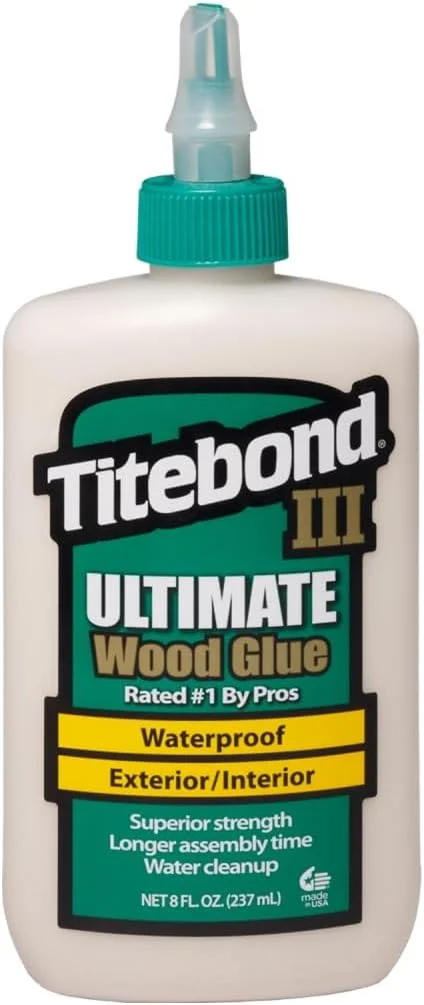 |
Titebond III Ultimate Wood Glue, 8 oz – $6.75 A Type I waterproof PVA rated for exterior use — contrary to the myth that no wood glue works on treated lumber.
|
Checking If Your Lumber Is Dry Enough
A moisture meter is the reliable way to check — aim for 19% or lower before gluing, which matches the same threshold used for painting or staining treated lumber. Without a meter, a rough visual cue works: wet treated lumber looks and feels damp, often with visible surface moisture or a greenish cast that fades as it dries. Kiln-dried-after-treatment (KDAT) lumber, sometimes labeled as such at the store, is already at an acceptable moisture level and can be glued without a waiting period; ordinary wet-treated lumber typically needs several weeks to a couple of months of air-drying in a covered, ventilated space depending on climate and board thickness.
Choosing the Right Adhesive
Three adhesive types reliably work on dry, prepped treated lumber:
- Type I waterproof PVA (wood glue): Products like Titebond III are rated for full exterior exposure and bond well to dry treated lumber — despite the common assumption that “wood glue” always means interior-only.
- Polyurethane glue: Expands slightly as it cures and tolerates a bit more residual moisture than PVA, making it a reasonable choice if you can’t fully verify the wood is bone-dry. It foams and expands out of the joint, which needs to be scraped off once cured.
- Construction adhesive (polyurethane- or MS polymer-based): Good for larger structural bonds like deck ledger boards, less suited to fine joinery.
Skip standard interior-only PVA glue (often just labeled “wood glue” with no waterproof rating) — it isn’t formulated to hold up to the moisture cycling treated lumber sees outdoors, regardless of how well it bonds when first applied.
Preparation Steps
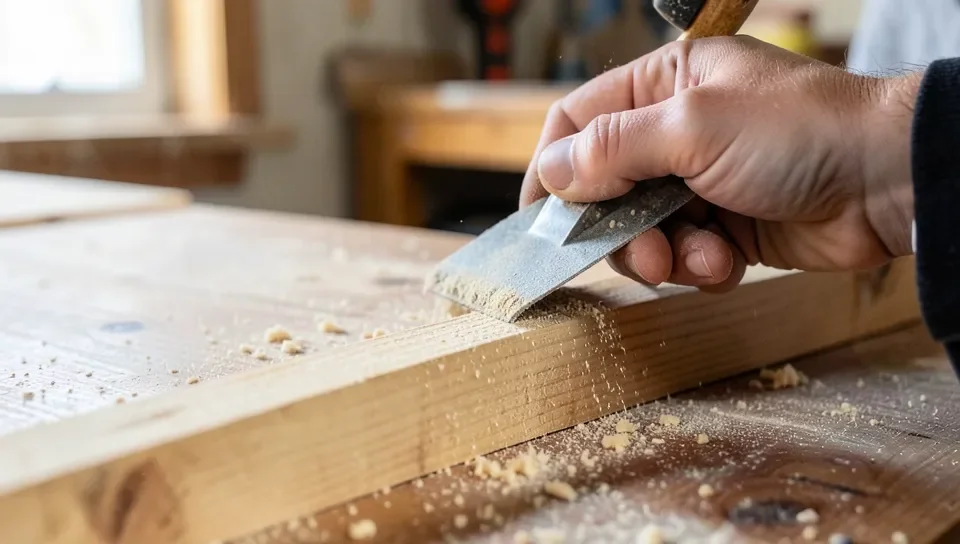
Scrub the surface with a stiff brush and mild soap and water to remove surface dirt and any loose preservative residue, then rinse thoroughly and let it dry completely — this can take a day or more even on lumber that was already reasonably dry, since the surface absorbs some of the rinse water. Once dry, a light sanding pass (120-150 grit) opens the surface grain slightly and removes any glaze left from the treatment process, giving the glue a better mechanical grip. Wipe away sanding dust with a dry cloth immediately before applying glue.
Gluing Technique
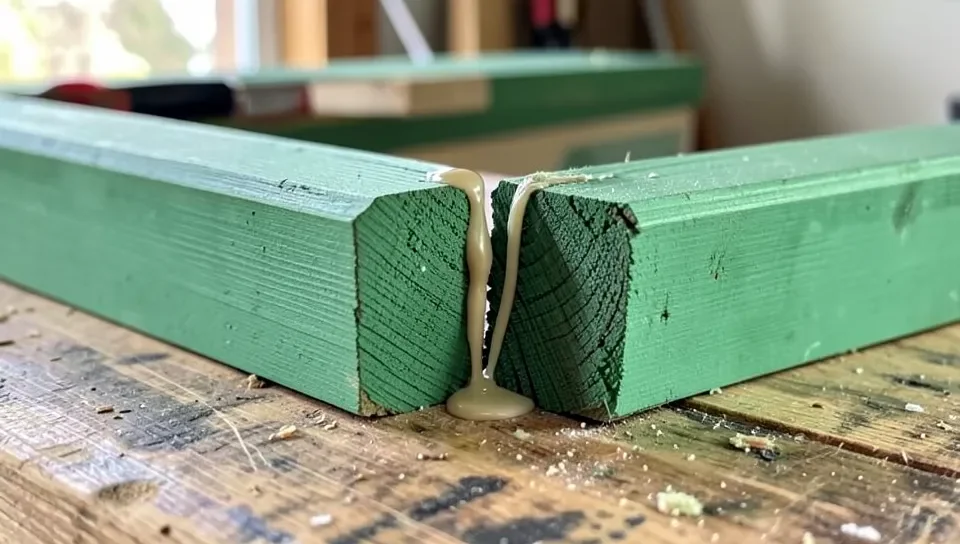
Apply glue to both mating surfaces for the strongest bond, spreading it evenly rather than leaving thick pools in some spots and none in others. Clamp promptly and evenly — uneven clamping pressure creates weak spots even with a good adhesive. Follow the specific product’s clamp and cure times rather than guessing; Type I PVA glues typically need about an hour of clamp time but longer to fully cure, while polyurethane glues often need a couple of hours clamped due to their slower initial tack.
Keep the joint dry and undisturbed for the full cure time listed on the product, not just the clamp time — moving a joint before it’s fully cured, even if it feels solid, can create a weak bond that fails later under load.
Common Mistakes to Avoid
- Gluing wet lumber: the single biggest cause of failed bonds on treated wood — check moisture content, don’t assume
- Using interior-only wood glue: it may hold initially but fails faster outdoors than a rated exterior/waterproof adhesive
- Skipping surface prep: dirt, mill glaze, and preservative residue all reduce how well glue grips the wood fibers
- Relying on glue alone for structural joints: outdoor structural connections (deck framing, load-bearing joints) should use mechanical fasteners rated for treated lumber as the primary connection, with glue as a supplement, not a replacement
Why Glue Isn’t a Substitute for the Right Fasteners
Modern treated lumber uses copper-based preservatives (ACQ and MCA are the most common today), and that copper corrodes standard electro-galvanized or plain steel fasteners far faster than it would with untreated wood. Any screw, nail, or bracket in direct contact with treated lumber — whether or not the joint is also glued — needs to be rated for treated wood contact: hot-dip galvanized (G185 coating class) or stainless steel. A glued joint that’s also fastened with the wrong hardware will still fail as the fasteners corrode, regardless of how good the glue bond is.
This is also why glue should never be the only thing holding a structural connection together outdoors: adhesive bonds can degrade with repeated wet/dry and freeze/thaw cycling in ways that a properly fastened mechanical joint resists better. Treat glue as reinforcement for structural work, and as the primary connection only for non-structural joints like trim, edge banding, or small assemblies that aren’t bearing significant load.
Frequently Asked Questions
Can You Glue Treated Lumber?
Yes, once the lumber is dry (19% moisture content or lower) and the surface is clean. Use a glue rated waterproof/exterior, such as Type I PVA wood glue or a polyurethane adhesive — standard interior-only wood glue is not a good fit for outdoor treated lumber.
What Glue Works on Treated Wood?
Type I waterproof PVA glues (like Titebond III) and polyurethane glues both work well on dry, prepped treated lumber. Construction adhesive is a good option for larger structural bonds. Avoid regular interior-grade wood glue, which isn’t rated for outdoor moisture exposure.
Is Treated Wood Hard to Glue?
It’s harder than untreated wood mainly because it’s often still wet when purchased, and no glue bonds reliably to wet wood. Once it’s dried to an acceptable moisture level and the surface is cleaned and lightly sanded, gluing treated lumber with the right adhesive is straightforward.
How Do You Prepare Treated Lumber for Gluing?
Let it dry to 19% moisture content or lower (kiln-dried-after-treatment lumber is already there; wet-treated lumber can take weeks to months), then scrub, rinse, and dry the surface, and lightly sand it before applying a waterproof-rated adhesive.
Conclusion
Treated lumber is glueable, but success depends more on moisture content than on any specific glue brand. Let the wood dry to around 19% moisture or lower, prep the surface, and use a glue actually rated waterproof or exterior — either a Type I PVA wood glue or a polyurethane adhesive. For anything structural, back the glue joint up with mechanical fasteners rated for treated lumber rather than relying on adhesive alone.
Sponsored / affiliate links. As an Amazon Associate I earn from qualifying purchases. I may earn additional commission from eligible campaigns.