How to Remove Sticky Tile Glue from a Bathroom Floor
Sticky tile glue comes off a bathroom floor fastest with a combination of heat (or a citrus-based adhesive remover) to soften it, followed by scraping with a flat-edge scraper — trying to dissolve it with vinegar or baking soda alone works, but far more slowly on modern tile mastics than on the water-soluble adhesives those home remedies were built for.
Below is the actual removal process by glue type, plus which tools genuinely speed it up versus which ones just add a step.

Tools You Actually Need
Best Adhesive Remover for Tile Glue Residue
 |
Goo Gone Pro-Power Adhesive Remover, 32 oz – $17.20 Amazon lists this specifically under flooring adhesive removers — it’s built for exactly this job, not a general-purpose cleaner pressed into service.
|
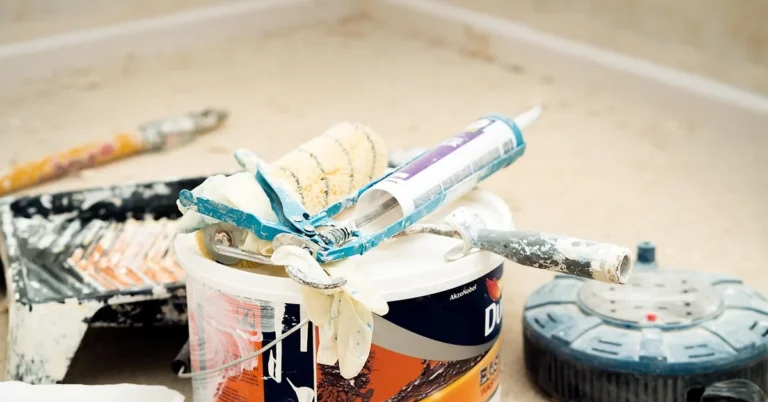
A stiff plastic or metal floor scraper does most of the physical work; a smaller putty knife handles corners and edges the floor scraper can’t reach. Beyond that: a bucket of warm water, a sponge or rag, rubber gloves, and safety goggles (dried glue chips fly when scraped). A heat gun or hairdryer speeds up softening dramatically over solvents alone, and a citrus-based adhesive remover handles the residue a scraper leaves behind. Skip the razor blade scraper on anything but hard ceramic tile that’s staying in place — it’s the fastest way to gouge vinyl, LVT, or a finished subfloor underneath.
Safety Precautions
Wear safety goggles (chips of dried glue and scraped debris fly more than you’d expect) and rubber gloves, since both solvent-based removers and the vinegar/baking-soda alternatives can irritate skin with repeated contact. Open a window or run a fan — adhesive removers and some commercial mastic removers release fumes in an enclosed bathroom faster than in a larger room. Keep kids and pets out of the room while you work, and read the product label before use: some older tile adhesives (pre-1980s installations especially) may contain asbestos, and sanding or aggressively scraping a suspect adhesive without testing it first is a real health risk, not just a precaution for precaution’s sake.
Identify the Glue Type First
Scrape a small test spot and look at what comes up. A hard, brittle residue that chips off in flakes is usually an older epoxy or thin-set mortar-based adhesive — these don’t respond well to water or vinegar and need mechanical scraping plus heat. A soft, gummy residue that smears rather than chips is more likely a mastic or latex-modified adhesive, which does respond to solvents and citrus-based removers. Testing with a damp cloth first tells you which category you’re in before you commit to a removal method that won’t work.
Removal Method by Glue Type
Soft, Gummy Mastic (Solvent-Responsive)
A citrus-based adhesive remover is the most effective household-safe option here — it’s formulated specifically to break down the resins in mastic-type adhesives, which plain vinegar only partially does. Apply, let it sit per the product’s dwell time (usually 3-5 minutes), then scrape while it’s still wet; letting it dry defeats the purpose. Vinegar (equal parts vinegar and water) and a baking soda paste (3:1 baking soda to water) are the free alternatives — they work, just more slowly and often need two or three applications where a dedicated remover needs one.
Hard, Brittle Adhesive or Thin-Set
Heat is the more effective tool here, not solvent. Warm a small section with a heat gun on low or a hairdryer on high until the adhesive softens slightly (you’ll feel it give under the scraper), then work the scraper under the edge in short strokes. Keep the heat moving — holding it in one spot too long can scorch vinyl or damage the subfloor underneath. Work in small sections rather than trying to heat the whole floor at once.

Cleaning Up the Residue
Once the bulk of the glue is scraped off, wash the area with warm water and a sponge, adding a splash of vinegar for any remaining tacky spots. Rinse with clean water afterward — leftover adhesive remover or vinegar residue can leave the floor feeling slightly tacky again once it dries if it isn’t rinsed. Dry thoroughly with a towel or let it air-dry with a fan running; a bathroom floor that stays damp after this kind of work is both a slip risk and, on porous subfloor, a moisture risk.
Preventing It Next Time
If you’re installing new tile over this floor, use the adhesive the tile manufacturer actually specifies rather than whatever’s cheapest at the hardware store — mismatched adhesive/substrate combinations are a common reason glue bonds too aggressively or fails early. Keep humidity in the bathroom in check with a working exhaust fan; excess moisture is a factor in both adhesive failure and the mold growth that often accompanies old, failing tile glue.
When to Call a Professional
If the floor was installed before the 1980s and you’re not certain what the adhesive contains, stop and get it tested before scraping or sanding it — asbestos-containing mastic is a real possibility in older installations, and disturbing it is the actual hazard, not just handling it. For a large area or a floor you need done quickly and don’t want to risk gouging, a flooring professional with proper mastic removers and tools will usually finish faster and with less risk to the subfloor than an extended DIY attempt.
Frequently Asked Questions
What Solvent Removes Floor Tile Glue?
Citrus-based adhesive removers handle most modern mastic-type tile glues effectively and with less fume exposure than acetone or mineral spirits. Acetone and mineral spirits do work on tougher residues but need good ventilation and should be tested on a small area first, since they can affect some flooring finishes.
Does WD-40 Remove Tile Adhesive?
It can help loosen some adhesives but isn’t a dedicated remover and works inconsistently across glue types. A citrus-based adhesive remover or the heat-gun method above will be more reliable for most tile mastics.
What Dissolves Sticky Adhesive?
Rubbing alcohol and citrus-based removers work on most soft, gummy adhesives. Vinegar and warm soapy water are gentler, slower alternatives that work best on lighter residue rather than a thick, dried layer.
How Do You Get Strong Adhesive Off Bathroom Tile?
Use a plastic scraper first to avoid scratching the tile glaze, then apply a citrus-based remover or acetone for stubborn spots that the scraper alone won’t lift. Test any product on a small, inconspicuous tile first, and rinse thoroughly once the glue is gone.
Conclusion
Matching the removal method to the actual glue type — heat and scraping for hard, brittle adhesive; a citrus-based remover or vinegar for soft, gummy mastic — gets a bathroom floor clean faster than defaulting to one method for everything. If the floor predates the 1980s and you’re unsure what’s under it, get it tested before you start scraping.
Sponsored / affiliate links. As an Amazon Associate I earn from qualifying purchases. I may earn additional commission from eligible campaigns.