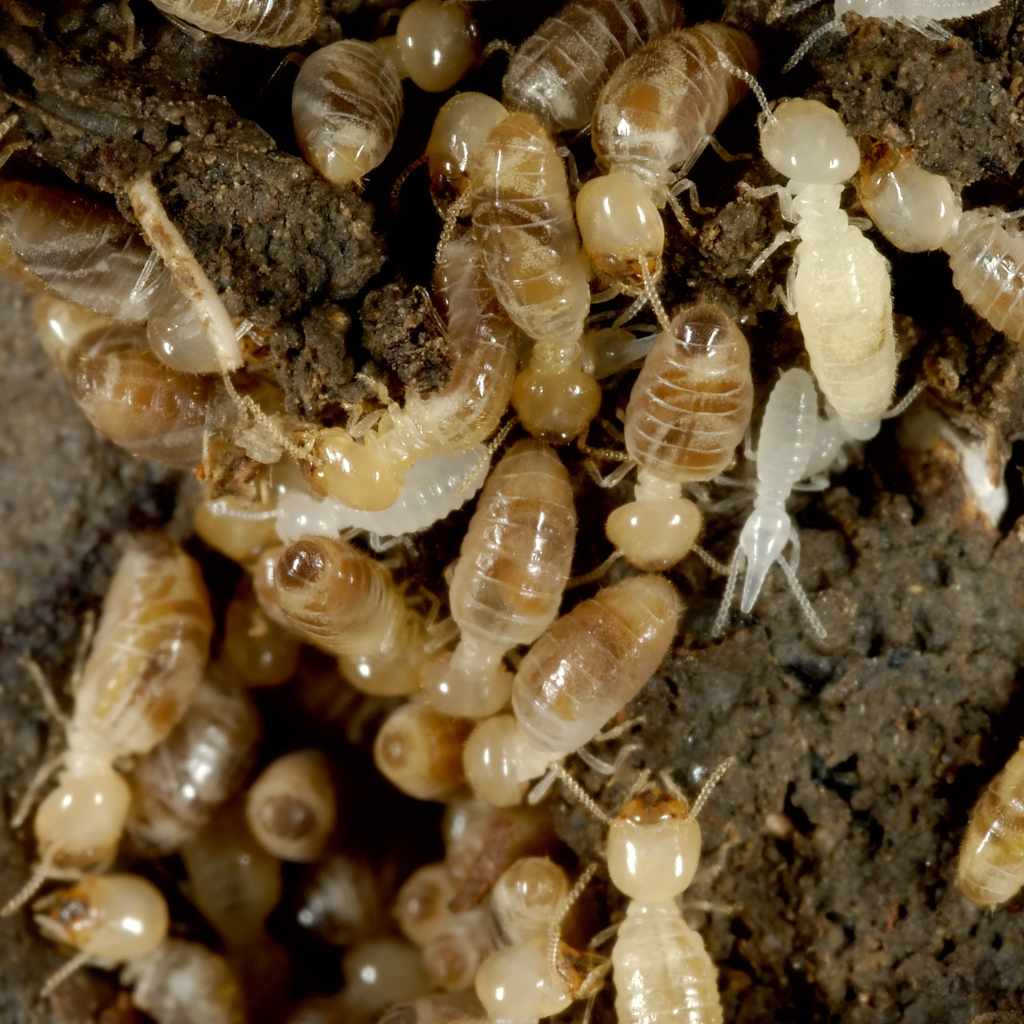
Can You Hear Termites Eating Wood? Warning Signs
It’s pretty common for folks to wonder, Can You Hear Termites Eating Wood? Warning Signs can sometimes be sneaky, and for those new to spotting them, it might feel a little tricky. You might be thinking, “Are those little noises just my house settling, or is something more serious going on?” It’s totally understandable to feel a bit unsure.
But don’t worry, we’re going to break it all down in a really simple way. We’ll go step-by-step so you can feel confident identifying what’s what. Stick around, and we’ll get you feeling much more informed about those signs.
Understanding Termite Noises and Other Clues
Many homeowners understandably ask, Can You Hear Termites Eating Wood? Warning Signs are often subtle, and for beginners, distinguishing these sounds from normal house noises can be a challenge. This section aims to clarify what sounds, if any, termites make and what other visual and physical indicators are more reliable for detection.
Termites don’t typically make loud, obvious chewing noises that you’d hear across a room like you might imagine. Their feeding is often very quiet, especially in large colonies. However, under specific conditions, certain sounds can become audible.
We will explore these, but also emphasize the more common and easier-to-spot warning signs that are crucial for early detection and prevention.
The Science Behind Termite Sounds
Termites communicate and work in colonies, and some of these activities can produce faint sounds. While you’re unlikely to hear individual termites munching away, the collective activity of a large colony, especially when they are disturbed or moving in unison, can create subtle noises. This is a fascinating aspect of termite behavior that often gets misunderstood, leading people to either over-listen for sounds that aren’t there or miss the actual, albeit quiet, auditory cues.
Understanding the biology behind these sounds helps in better identifying potential infestations.
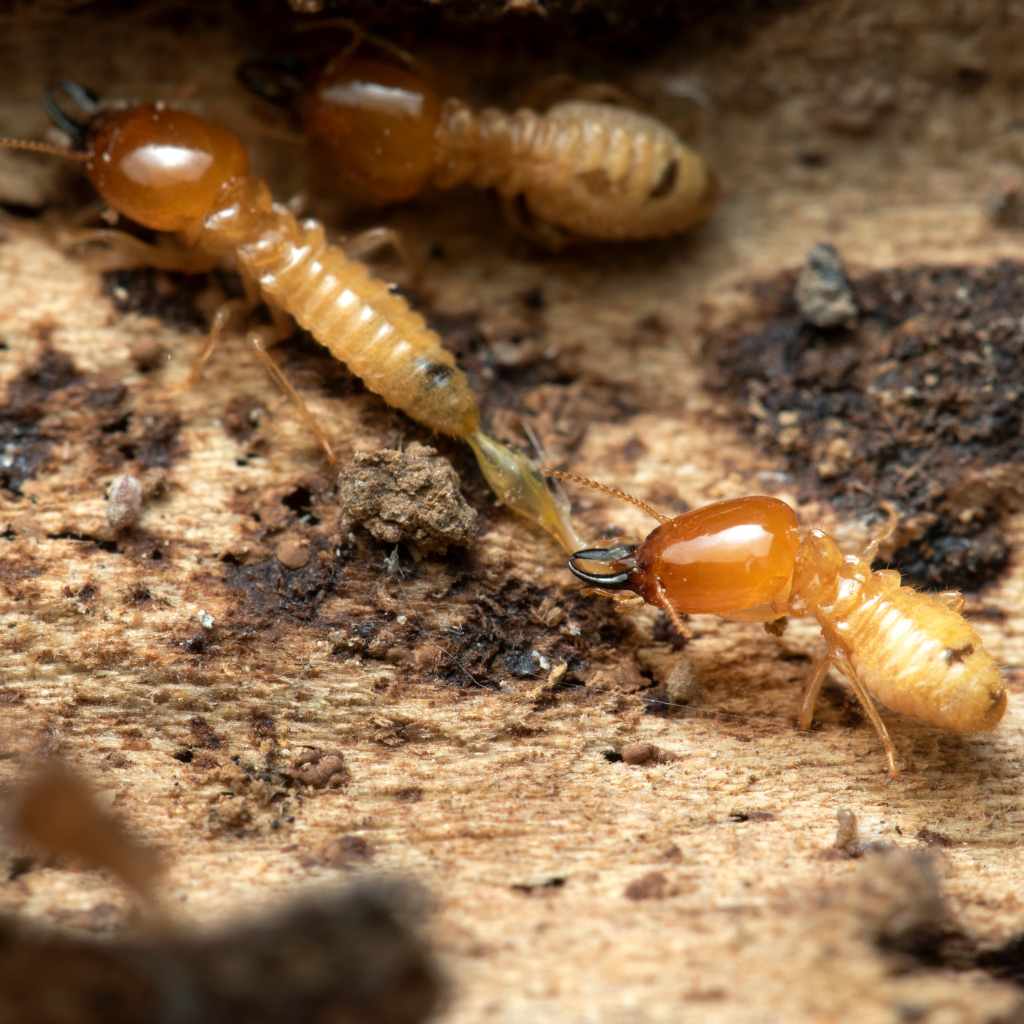
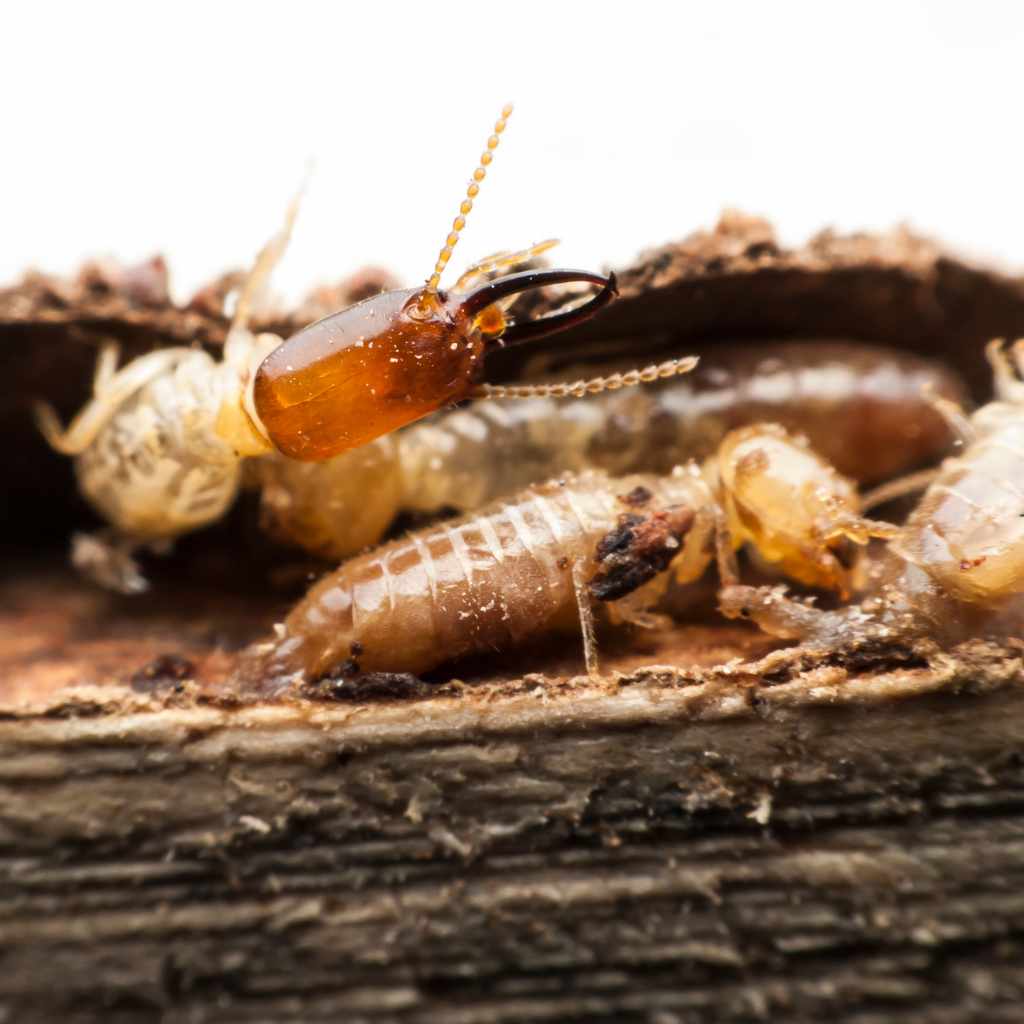
Head-banging is one of the primary ways termites produce sound. Soldiers in some termite species will bang their heads against the walls of their tunnels or the wood they inhabit. This action serves as a warning to other termites in the colony when danger is detected.
When many soldiers do this simultaneously, especially in a quiet environment, it can create a faint clicking or rustling sound. This is more of a defensive alarm than a feeding sound, but it’s one of the few ways termites can be heard.
Another sound-producing behavior is called “stridulation.” This involves rubbing parts of their bodies together, like their legs or jaws, to create a scratching or chirping noise. This can be used for communication within the colony, signaling the location of food sources or alerting others to threats. While still very faint, collective stridulation from a thriving colony inside a wooden structure might be perceivable if you put your ear very close to the wood in a very quiet room.
Termites also make noise as they bore through wood. As they consume the cellulose in wood, they are essentially excavating tunnels. The movement of their mandibles and bodies through the wood creates a very low-frequency vibration and subtle gnawing sounds.
This is usually masked by ambient noise and the natural creaks and groans of a building. However, in extremely quiet conditions, especially at night when houses are still, some sensitive individuals might pick up on a faint, almost imperceptible rustling or gnawing sound emanating from infested areas.
Some species of termites, like subterranean termites, build mud tubes to travel between their underground colonies and wooden structures. The construction of these tubes involves the movement of soil particles and saliva, which can create a very soft, gritty, or rustling sound. Again, this is exceptionally faint and unlikely to be heard without specialized equipment or an incredibly silent environment.
The key takeaway is that while listening for termites is a possible detection method, it’s not the most reliable for the average homeowner.
The sounds termites make are generally very quiet, and often masked by everyday household noises. Relying solely on sound to detect termites can lead to a missed infestation. Therefore, it is crucial to supplement listening with other, more reliable warning signs.
This shift in focus from just sound to a broader array of detection methods is vital for effective termite management.
Common Termite Warning Signs You Can See
While hearing termites is rare, seeing their evidence is far more common and much more reliable for detection. These signs are the true bread and butter of early termite detection for homeowners. They are the physical manifestations of termite activity that, when spotted, provide clear indications that an infestation is present or has been present.
Recognizing these visual cues is your first line of defense against costly damage.
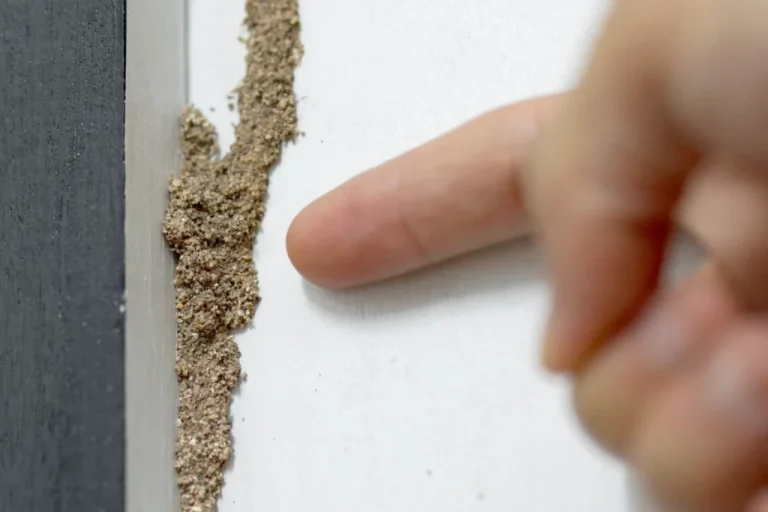
One of the most noticeable signs is the presence of mud tubes. Termites, particularly subterranean termites, construct these pencil-sized tunnels made of soil, wood particles, and their saliva. They use these tubes to travel from their underground colonies to wooden structures, protecting themselves from predators and maintaining a humid environment.
You’ll often find them along foundation walls, on the exterior of buildings, or even in crawl spaces and basements. The tubes are a clear indicator that termites are actively accessing and feeding on your home’s wooden components.
Another significant visual cue is the presence of discarded wings. After swarming, termites shed their wings. If you see piles of small, translucent wings, especially near windowsills or light sources where they might have been attracted, it can strongly suggest a termite swarm has occurred, indicating an established colony nearby.
These wings are brittle and easily broken, so you might find them in small clusters rather than large piles.
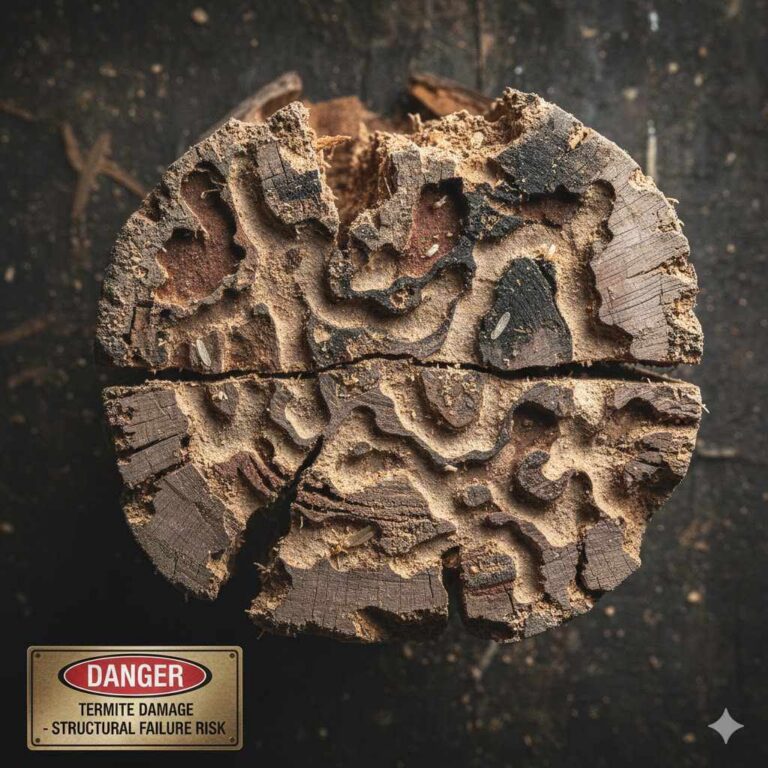
Damaged wood is, of course, a prime indicator. Termites eat wood from the inside out, so the exterior may look intact while the interior is hollowed out. You might notice blistering or warping of wooden surfaces, or even the wood might sound hollow when tapped.
When you find damaged wood, look closely for the characteristic “galleries” or tunnels that termites create. These tunnels often have a maze-like pattern and may be packed with mud or fecal pellets, depending on the termite species.
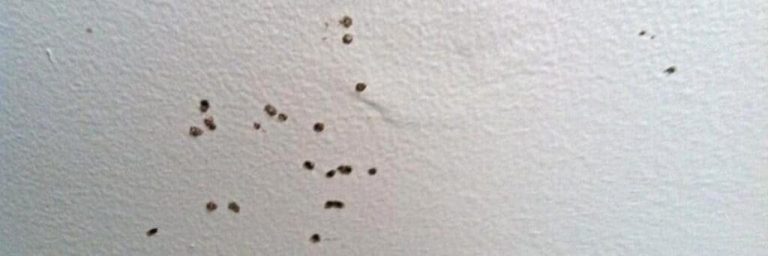
Termite droppings, also known as frass, are another telltale sign, especially from drywood termites. Drywood termites expel their fecal pellets through small holes in the wood, and these pellets accumulate below. Frass can look like small, granular piles of sawdust or tiny seeds.
The color and shape of the frass can vary depending on the type of wood the termites are consuming, providing clues to the specific species involved.
Swarms are a dramatic sign. Termite swarms occur when reproductive termites leave an existing colony to establish new ones. This usually happens in warmer months and can involve thousands of winged termites.
While a swarm itself is a sign of an infestation, the aftermath, such as shed wings and the potential for new colonies to form, are what homeowners often notice.
Identifying these visual signs is much more straightforward than trying to detect faint sounds. By being aware of what to look for, you can catch infestations early before significant structural damage occurs. This proactive approach saves both time and money.
The Termite Lifecycle and Why Early Detection Matters
Understanding the termite lifecycle is key to grasping why catching them early, using signs like “Can You Hear Termites Eating Wood? Warning Signs” and visual cues, is so important. Termites reproduce quickly, and a small infestation can grow into a massive problem before you know it.
This rapid growth means the damage they cause escalates just as fast. Early detection allows for swift intervention, minimizing the structural and financial impact on your home.
Termite Colony Structure and Growth
A termite colony is a highly organized society with different castes of termites, each with specific roles. The colony is typically headed by a king and queen, whose primary function is reproduction. The queen can lay thousands of eggs per day, leading to rapid population growth.
As the colony expands, it produces more workers and soldiers. Workers are responsible for foraging for food (wood), excavating tunnels, and caring for the young. Soldiers defend the colony from predators like ants.
The worker caste is the one that causes most of the damage to your home. They consume wood cellulose, which is their primary food source. They are constantly seeking new food sources and expanding their tunneling networks within and around your property.
A small group of workers can quickly tunnel through accessible wood, and as the colony grows, so does the number of workers and the extent of their foraging.
Reproductive termites, also known as alates or swarmers, are produced periodically when conditions are favorable. These are the winged termites you might see swarming. Their purpose is to leave the parent colony, find a mate, and establish a new colony elsewhere.
This swarming behavior is how termites spread to new areas, including other parts of your home or neighboring properties. Each successful swarm can lead to a new infestation.
The speed at which a colony grows is alarming. A single termite colony can consist of millions of individuals. Within just a few years, a fledgling colony can mature and begin swarming.
The damage they inflict is cumulative; the longer they are present, the more wood they consume, weakening the structural integrity of your home. A colony that has been established for five to ten years can cause extensive and costly damage.
This continuous growth and reproduction underscore the critical need for early detection. If you can spot the signs of termites—whether it’s a faint sound, mud tubes, or shed wings—before the colony reaches its peak size, you can intervene with much less effort and expense. Waiting until the damage is significant not only leads to higher repair costs but also can compromise the safety of your home.
For instance, a recent study indicated that termites cause over $5 billion in property damage annually in the United States alone. Much of this damage is preventable if infestations are detected and treated promptly. The cost of treating a small, localized infestation is considerably less than dealing with a widespread, long-term infestation that has compromised the structural elements of a house.
Why You Can’t Always Hear Termites
The question, “Can You Hear Termites Eating Wood? Warning Signs,” is common because we often associate pests with audible signs of their presence. However, the nature of termite feeding and communication makes them largely silent invaders.
Their mandibles are relatively small and their chewing, when it occurs, is slow and methodical. They are not like rodents gnawing through wires or insects making loud buzzing noises.
The wood itself acts as an insulator, muffling any sounds. Moreover, termite colonies are often hidden deep within walls, attics, or underground, making it difficult to pinpoint any subtle noises they might produce. The ambient sounds of a household—refrigerators humming, HVAC systems running, traffic outside, or even just the creaks and groans of a building settling—are more than enough to drown out the faint rustling or clicking sounds termites might make.
Termites are also naturally cautious creatures. They tend to operate in quiet, undisturbed environments. When they sense vibrations or loud noises, they often cease activity, making it even harder to detect them by sound.
Their primary mode of interaction is through chemical signals (pheromones) and physical touch within the darkness of their tunnels.
While some specific sounds, like the head-banging of soldiers, can occur, these are typically defensive responses and not constant feeding noises. Even these defensive sounds are often too faint for the human ear to detect without the aid of specialized audio equipment. The assumption that you can easily hear termites is a misconception that can unfortunately lead to delayed detection, allowing infestations to worsen.
Therefore, while it’s good to be aware of potential faint sounds, it is far more practical and effective to focus on the visual and physical signs of termite activity. These are the indicators that are consistently present and far more indicative of an infestation than relying on your ears alone.
Detecting Termites Beyond Sound
Since relying solely on hearing termites is unreliable, we need to focus on other, more practical methods of detection. This section delves into the tangible signs and physical evidence that termites leave behind, which are far more accessible and indicative of an infestation. By learning to identify these clues, homeowners can significantly improve their ability to spot termite problems early.
The Importance of Mud Tubes
Mud tubes are one of the most definitive signs of subterranean termites. These structures are essentially highways for termites, allowing them to travel from their underground nests to food sources (your wooden house) while staying protected from the elements and predators. The tubes are made from a mixture of soil, wood particles, and termite saliva and feces.
These tubes are typically about the width of a pencil and can be found in various locations. Common places to look include the foundation walls of your home (both inside and outside), in crawl spaces, basements, and even on the exterior walls of your house if there’s moisture or a damp environment. Termites will build these tubes over surfaces they cannot eat, like concrete or metal, to reach the wood.
When inspecting for mud tubes, try to gently break one open. If it’s an active tube, you’ll likely see termites inside. If the tube is dry, crumbly, and contains no termites, it may be old and abandoned, but the presence of old tubes can still indicate a past infestation or a continuing risk.
It’s the active tubes that confirm current termite activity.
Their construction is a tell-tale sign of subterranean termites, which are the most common and destructive type in many regions. Drywood termites do not build mud tubes. Therefore, finding mud tubes is a strong indicator that you are dealing with subterranean termites and need to take immediate action.
It is important to note that the appearance of mud tubes can vary. They might be thin and delicate or thicker and more robust, depending on the species of termite and the environment. Regardless of their appearance, their presence is a serious warning sign that requires professional evaluation.
Consider this example: A homeowner in Florida noticed small, muddy trails on the exterior of their foundation after heavy rains. Upon closer inspection, they found what appeared to be pencil-sized tunnels leading from the soil up to the wooden siding of their house. Breaking one open revealed tiny, pale insects scurrying inside.
A pest control professional confirmed it was an active subterranean termite infestation, and prompt treatment prevented significant damage to the home’s substructure.
Discarded Wings and Termite Frass
Discarded wings and termite frass (pellets) are two other important visual indicators of termite activity. These signs are particularly helpful in identifying drywood termites, which, unlike subterranean termites, do not rely on moisture and build their colonies directly within wooden structures.
Termites swarm to reproduce and establish new colonies. During swarming events, reproductive termites shed their wings. These wings are approximately half an inch long, translucent, and look similar to tiny insect scales.
You might find them in small piles near windowsills, light sources, or on surfaces close to where termites have emerged from their nest. Seeing a cluster of these shed wings is a strong sign that a termite swarm has recently occurred, indicating the presence of a mature colony nearby.
Termite frass is essentially termite excrement. Drywood termites expel this material from their galleries through small “kick-out” holes. The frass is typically dry, granular, and may resemble tiny wood shavings or even small seeds.
The color of the frass can vary depending on the type of wood being consumed, ranging from light brown to dark brown or black. These small piles of frass, often found beneath infested wood, are a key indicator of drywood termites.
For instance, a homeowner in Arizona noticed small piles of what looked like dark sawdust accumulating on their office desk. Upon closer examination, they realized the material was coming from small holes in the wooden desk legs. This led to the discovery of a drywood termite infestation within the furniture itself.
The frass was the primary clue that pointed to the problem, as the termites themselves were hidden deep within the wood.
Another scenario involved a homeowner in Texas who found several piles of tiny, seed-like pellets on their windowsill. These pellets were dry and easily crumbled. They also noticed a few small, discarded wings on the same windowsill.
These signs collectively pointed towards a drywood termite infestation originating from nearby wooden structures or furniture, prompting them to call a pest control service for inspection and treatment.
These visual cues are often easier to spot and interpret than faint sounds. They provide direct evidence of termite presence and activity, making them invaluable for homeowners trying to detect infestations.
Structural Damage and Wood Condition
The most alarming sign of termites is the actual damage they inflict on wooden structures. Termites feed on cellulose, the main component of wood, and can consume it at an alarming rate, weakening the structural integrity of your home. Recognizing the signs of this damage is crucial for preventing serious consequences.
Termites often eat wood from the inside out. This means that the outer surface of the wood might appear perfectly normal, while the interior is riddled with tunnels and galleries. This makes it difficult to detect damage by simply looking at the surface.
However, there are certain indicators to watch for.
One of the most common signs of internal damage is when wooden surfaces develop blisters or show signs of warping. This can occur because the termites have hollowed out sections of the wood, weakening its structure and causing it to sag or buckle. In some cases, the wood might look fine on the outside but will feel soft or spongy when pressed.
Tapping on suspect wood can also reveal damage. If the wood sounds hollow when tapped, it suggests that the interior has been eaten away. This is a classic sign that termites have been active.
You might also hear a faint cracking or rustling sound if you tap on an infested area, though as discussed, this is not a reliable detection method on its own.
Look for mazes of tunnels or galleries within the wood. If you find any damaged wood, try to get a closer look. Termite tunnels, known as galleries, are typically smooth and may be packed with mud or fecal matter, depending on the termite species.
Drywood termite galleries are usually clean and free of mud. Carpenter ant galleries, another common pest, often contain sawdust-like debris.
Another indicator is the presence of “tunnels” that might break through the surface of the wood, revealing the internal damage. These tunnels are the pathways termites use to move and consume wood. They can be a clear sign of an infestation, especially if they are still active.
A real-world example involves a homeowner in California who noticed that the baseboards in their living room seemed to be peeling away from the wall in places. When they investigated further, they found that the wood behind the paint was soft and crumbly. Upon breaking off a piece, they discovered intricate tunnels within the wood, confirming a drywood termite infestation.
The damage had progressed significantly before being noticed due to the paint covering the exterior.
The sheer extent of damage caused by termites can be staggering. Statistics show that untreated termite infestations can cause structural damage equivalent to a small earthquake, leading to costly repairs and potential safety hazards. Therefore, regular inspections and prompt attention to any signs of damage are essential for protecting your property.
| Sign | Description | Type of Termite Most Associated With | Reliability for Detection |
|---|---|---|---|
| Mud Tubes | Tunnels made of soil, wood, and saliva | Subterranean Termites | Very High |
| Discarded Wings | Small, translucent wings shed after swarming | Both Subterranean and Drywood Termites | High |
| Termite Frass (Pellets) | Dry, granular fecal matter | Drywood Termites | High |
| Damaged Wood (Hollowed, Blistered) | Wood that sounds hollow, warps, or blisters | Both Subterranean and Drywood Termites | High |
| Faint Sounds | Subtle clicking, rustling, or gnawing | Both Subterranean and Drywood Termites | Low |
Professional Termite Inspection and Treatment
Even with the best DIY efforts, sometimes the most effective way to deal with termites is to call in the professionals. This section will cover why professional inspections are important and what treatment options are available. They have the expertise, tools, and knowledge to accurately identify termite species, assess the extent of the infestation, and recommend the most effective treatment plan.
The Role of Professional Inspections
Professional termite inspections are designed to be thorough and systematic. Trained inspectors have the experience to recognize subtle signs of infestation that a homeowner might miss. They use specialized tools and knowledge to identify different termite species, determine the extent of the damage, and pinpoint the location of termite colonies.
This comprehensive approach ensures that no area of your home is overlooked.
Inspectors typically examine both the interior and exterior of your home. They will check for mud tubes, damaged wood, discarded wings, frass, and other indicators of termite activity. They are also trained to look for conditions that might attract termites, such as moisture problems, wood-to-ground contact, and inadequate ventilation.
A professional inspection is more than just a quick look around. It involves a detailed report outlining any findings, including the type of termites present, the areas affected, and the severity of the infestation. This report is crucial for understanding the scope of the problem and deciding on the best course of action.
Some inspections are visual, while others may involve more advanced tools like thermal cameras or moisture meters to detect hidden infestations.
For example, a pest control company might use a boroscope, a small camera inserted into tiny holes in the wood, to examine the internal structure and confirm the presence of termite galleries and live termites. This level of investigation is often beyond the capabilities of a homeowner.
The findings from a professional inspection are vital because termites can cause extensive structural damage before obvious signs appear. Early detection through regular professional inspections, even if you don’t see obvious warning signs like “Can You Hear Termites Eating Wood? Warning Signs,” can save you thousands of dollars in repair costs and protect the long-term value of your home.
Many real estate transactions require a professional termite inspection to ensure the property is free from infestations. This practice highlights the importance that professionals place on thorough termite detection and the peace of mind it offers to homeowners and buyers alike.
Termite Treatment Options Explained
Once an infestation is confirmed, pest control professionals offer various treatment options. The best approach depends on the type of termite, the extent of the infestation, and the specific structure of your home. Understanding these options can help you make informed decisions.
One common method is liquid barrier treatment. This involves applying liquid termiticides to the soil around the perimeter of your home. This creates a chemical barrier that either kills termites as they come into contact with it or deters them from entering the treated area.
Some termiticides are designed to be transferred by foraging termites back to their colony, effectively eliminating it.
Another effective method is termite baiting systems. These systems involve placing bait stations in the ground around your home. The stations contain a slow-acting poison mixed with cellulose material that attracts termites.
Termites consume the bait and carry it back to the colony, where it is shared among other termites, including the queen. This method can take longer to work but is often very effective at eliminating entire colonies.
For drywood termites, localized treatments or tenting and fumigation are often used. Localized treatments involve applying termiticides directly to infested areas or injecting them into galleries within the wood. Tenting involves covering the entire house with a large tarp and releasing a fumigant gas that penetrates all wood structures, killing termites within.
This is typically used for severe drywood termite infestations.
Wood treatment is another option, where infested wood can be treated directly with specialized chemicals, either applied topically or injected. In cases of severe structural damage, it may be necessary to replace the damaged wood entirely.
A case study from Texas involved a homeowner with a persistent subterranean termite problem. After trying DIY methods with limited success, they opted for a professional baiting system. Over several months, the bait stations effectively reduced and eventually eliminated the termite population around their home, preventing further damage.
The success was attributed to the professional placement and monitoring of the bait stations, ensuring optimal effectiveness.
It’s important to work with a reputable pest control company that can explain the risks and benefits of each treatment option and offer a warranty on their services. This ensures that the problem is dealt with thoroughly and offers peace of mind regarding future protection.
Frequently Asked Questions
Question: Can I hear termites chewing through wood?
Answer: It is very unlikely that you can hear individual termites chewing through wood. While a large colony’s activity can create faint rustling or clicking sounds in extremely quiet conditions, these sounds are usually masked by ambient household noise and are not a reliable way to detect termites.
Question: What are the most common signs of termites?
Answer: The most common signs of termites include mud tubes (for subterranean termites), discarded wings, damaged wood that sounds hollow or is blistered, and piles of fecal pellets (frass) left by drywood termites.
Question: How quickly do termites cause damage?
Answer: Termites can cause significant damage relatively quickly. A large colony can consume a surprising amount of wood in a short period, and the damage is cumulative, meaning it worsens over time if left untreated.
Question: If I see shed wings, does that mean I have termites?
Answer: Seeing shed wings is a strong indicator that a termite swarm has occurred, which means there is a mature termite colony nearby or established. It is a clear sign that you should investigate further or call a professional.
Question: Should I try to treat termites myself?
Answer: While some minor DIY treatments might be attempted, it is generally recommended to seek professional pest control services for termite infestations. Professionals have the expertise, specialized equipment, and effective treatments to properly identify the species, assess the damage, and eliminate the colony without causing harm to your home or family.
Final Thoughts
It’s natural to wonder, Can You Hear Termites Eating Wood? Warning Signs can be quiet invaders, and relying solely on sound isn’t the best approach. Instead, focus on what you can see and feel.
Mud tubes are a big giveaway for subterranean termites, and those tiny piles of wood-like pellets are a clear signal of drywood termites. Also, keep an eye out for damaged wood that might look fine on the surface but feels soft or sounds hollow when tapped. Shed wings are another important clue that a swarm has happened, meaning a colony is nearby.
Termite colonies grow quickly, and the damage they cause builds up over time. That’s why spotting these signs early is so crucial. Don’t hesitate to call in pest control professionals.
They have the tools and knowledge to find termites you can’t, assess the extent of the problem, and get rid of them effectively. Regular inspections by professionals are a smart way to protect your home from these persistent pests before they cause major issues.