Can You Heat Wood Floors? A Simple Guide to Radiant Heat
Thinking about warming your home with radiant heat and wondering, Can You Heat Wood Floors? Guide to Radiant Heat is a popular topic! It might seem like a tricky project if you’re just starting, but don’t worry. We’re here to make it simple. This guide will show you how radiant floor heating works, what you need to know about wood floors, and how to get everything set up without a hitch. Next, we will explore different types of radiant heat systems and find the best one for your wooden floors.
Radiant Floor Heating: How It Works
Radiant floor heating is a comfortable and efficient way to warm a room. It heats the floor directly, which then radiates warmth upwards. This method creates even heating without drafts or hot spots, unlike traditional forced-air systems. The heat rises naturally, keeping your feet warm and the air at a consistent temperature throughout the room. This makes it a great choice for comfort and energy savings.
Types of Radiant Heating Systems
There are two main types of radiant heating systems: electric and hydronic. Electric systems use electric resistance cables or mats placed under the flooring. Hydronic systems, on the other hand, circulate warm water through tubing. The choice depends on several factors, including your budget, the size of the area to be heated, and the existing infrastructure in your home. Each system has its own set of advantages and challenges. For example, electric systems are easier to install but can be more expensive to operate, while hydronic systems are often more efficient but require a more complex setup.
Electric Radiant Heating: Electric systems are generally easier to install, making them a good option for DIY projects. The upfront cost is often lower than hydronic systems. However, electricity costs can add up, especially in larger spaces. The heating elements are usually a thin wire or a mat that is laid under your flooring.
For example, if you are remodeling a bathroom, an electric system could be a good choice because it is easy to install and it is only heating a small space.
Hydronic Radiant Heating: Hydronic systems involve pipes that carry heated water beneath the floor. They are highly efficient because water retains heat very well. They may require professional installation and can be costly to set up initially. But, in the long run, the savings on energy bills often make up for the higher initial cost. The heated water comes from a boiler, a water heater, or even a solar water heater.
A homeowner in a colder climate might find a hydronic system preferable due to its efficient heating capabilities for a large living space.
Hybrid Systems: There are systems that combine aspects of both electric and hydronic heating. This approach allows you to address specific needs and maximize energy efficiency. Some systems use a combination of technologies for specific zones or applications within a home. For instance, a hybrid system might incorporate electric floor heating in a bathroom (easy and responsive) and a hydronic system for the main living areas (energy efficient over time).
Suppose you have a large open-plan space. You might choose a hydronic system for the primary heating and supplement it with electric systems in smaller, more used areas like a home office or a guest bathroom.
The Essentials of Installation
The success of a radiant heating installation depends on several key steps. The floor needs to be prepared correctly, and the heating elements or tubing must be installed properly. If you choose electric radiant floor heating, you’ll typically unroll the heating mats and connect them to a thermostat. Hydronic systems involve laying tubing and connecting it to a heat source. Both systems need careful planning and attention to detail to ensure safety and function well.
- Floor Preparation: Before installing any radiant heating system, the floor must be clean, level, and free of any debris. A perfectly prepared surface ensures that the heating elements make good contact with the flooring and distribute heat efficiently. You might need to fill in cracks, remove old flooring, and check the subfloor for any weaknesses. An uneven subfloor can trap air pockets and reduce the effectiveness of the radiant heat.
- Installation of Heating Elements: With electric systems, you’ll roll out the heating mats, being careful not to cut or damage them. With hydronic systems, you’ll need to secure the tubing to the subfloor, ensuring that the spacing is consistent to provide even heat. Following the manufacturer’s instructions is important.
- Wiring and Plumbing: Electric systems require wiring connections to the thermostat and power source. Hydronic systems require connecting the tubing to the boiler and ensuring there are no leaks. These connections should be done by a professional to ensure safety and efficiency. A licensed electrician should handle the wiring, while a licensed plumber should manage the plumbing.
Compatibility: Can You Heat Wood Floors? Guide to Radiant Heat and Wood Types
The big question: Can You Heat Wood Floors? Guide to Radiant Heat focuses on the types of wood you can use and how they work. The key is understanding wood’s natural properties and how they react to temperature changes. Some woods are great choices, while others can cause problems. Knowing this helps you choose the right flooring and setup to avoid any issues.
Types of Wood Floors and Their Suitability
Not all wood floors are created equal when it comes to radiant heat. Some types of wood are more stable and less likely to warp or crack. Engineered wood flooring is a good option because it is made with multiple layers that resist movement. Solid hardwood, however, can be trickier, so you’ll want to choose a species that’s known for stability. The moisture content of the wood is key, too, as it can affect how the wood responds to the heating system.
Engineered Wood: This is an excellent choice for radiant heat. It’s made with multiple layers of wood, which helps it resist the expansion and contraction caused by temperature and humidity changes. Engineered wood is generally more stable than solid hardwood and less likely to warp or crack. Always check the manufacturer’s guidelines, since there are different types of engineered wood.
A recent study found that engineered wood flooring maintained its stability when exposed to radiant heat compared to solid wood, showing a minimal change in dimension across a variety of temperature and humidity conditions.
Solid Hardwood: Selecting the right type is important. Some solid hardwoods can work well, but you’ll want to select a species known for its stability. Woods like oak and maple are more dimensionally stable compared to softer options like pine. The wood must be properly acclimated to the environment before installation.
A common mistake is installing solid hardwood too quickly after it is delivered to the job site. This does not allow the wood to adjust to the moisture levels in the home, which can cause problems after the radiant heating system is running.
Bamboo Flooring: Bamboo is a renewable and eco-friendly option. It can be compatible with radiant heat, especially if it is engineered bamboo. Solid bamboo can also work, but just like with solid hardwood, it’s very important to check the product specifications and any recommendations from the manufacturer.
Bamboo flooring with a higher density is generally more suitable for use with radiant heating systems, because it is less prone to warping due to the heat.
Laminate Flooring: The compatibility can vary. Some laminates are designed to work with radiant heat, while others are not. Always check the manufacturer’s recommendations. Laminate flooring is often a budget-friendly option, but its resistance to heat can vary by quality and construction.
Choosing a laminate that’s specifically marked for use with radiant heat is a must. If the laminate is not compatible, you might notice issues like warping or delamination over time.
Factors Impacting Compatibility
Several factors will impact the compatibility of wood floors with radiant heat. Moisture content, wood species, and installation methods all play a role. Make sure the wood is properly acclimated to its environment before installation. Controlling the temperature and humidity levels in your home is also essential to maintain your wood floors. Following these steps helps prevent issues like warping and cracking, ensuring your floors stay beautiful for years.
- Moisture Content: The moisture content of the wood is very important. Wood that is too dry or too wet will react poorly to radiant heat. During the installation phase, the moisture content needs to match the environment. For solid hardwood floors, it typically falls between 6-9%. Using a moisture meter is a key part of your installation.
- Wood Species: Different wood species behave differently when exposed to heat and moisture. Some woods are more stable than others. For example, oak and maple are often chosen because they are more dimensionally stable compared to pine. Consider the wood’s reaction to changes in humidity and temperature.
- Acclimation: Proper acclimation is a very important step. The wood flooring must adjust to the temperature and humidity in the home before installation. Acclimation can take several days to several weeks, depending on the wood type and the environmental conditions. This helps reduce the chances of issues later on.
- Installation Methods: The way you install your wood floors matters. Floating floors are generally more compatible than those glued directly to the subfloor. Expansion gaps are also crucial. Proper gaps allow the wood to expand and contract without causing stress. Following the installation guidelines can make the difference between success and problems.
Planning and Installation: Can You Heat Wood Floors? Guide to Radiant Heat
Knowing how to plan the project is vital, from choosing the correct system to preparing the floor. Proper planning makes sure the installation goes smoothly. Making smart choices can save you both money and headaches. Understanding the steps will help you enjoy the benefits of warm floors for many years. Let’s explore how to bring this to life.
Step-by-Step Installation Guide
The installation of radiant floor heating involves a step-by-step process. First, assess your existing subfloor to ensure it’s level and can support the heating system. Then, install the insulation, which is important for directing heat upwards. For electric systems, you’ll install the heating mats or cables. For hydronic systems, you will set up the tubing. After that, install the flooring, being careful not to damage the heating elements. Finally, connect the system to a thermostat, and you are ready to enjoy your warm wood floors.
- Assess the Subfloor: The subfloor must be clean, level, and structurally sound. This means making any necessary repairs to make sure the floor is ready. Use a level to ensure the subfloor is flat. If the subfloor is uneven, you will need to add a leveling compound or plywood.
- Install Insulation: Insulation placed under the heating system directs the heat upwards, making the system more efficient. Use rigid foam insulation or another material recommended for radiant heat applications. Make sure to cover the entire area to be heated.
- Install the Heating System: Follow the manufacturer’s directions for your specific system. For electric systems, carefully roll out the heating mats and secure them. For hydronic systems, secure the tubing according to the specified spacing. Be very careful to avoid damaging the heating elements during installation.
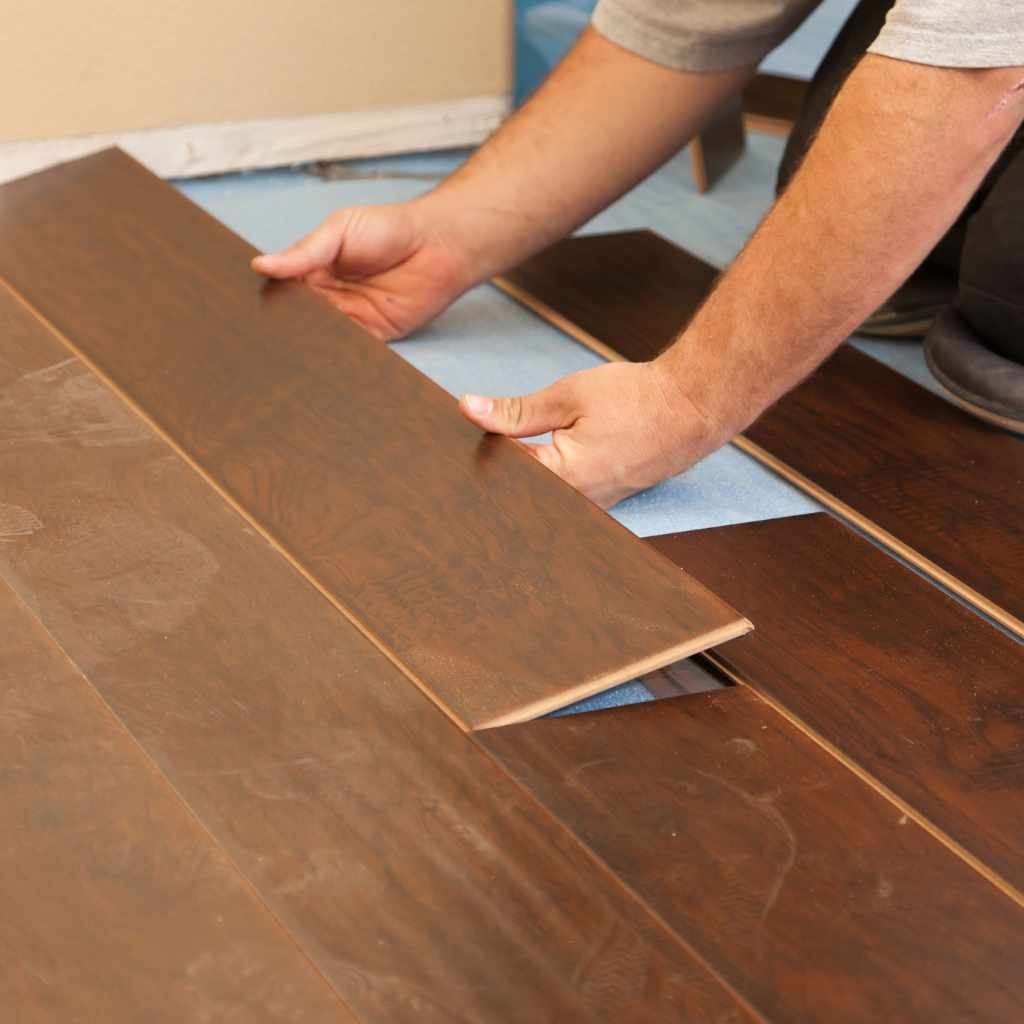
- Install the Flooring: Install your chosen wood flooring, ensuring you follow the manufacturer’s instructions. Keep in mind the correct expansion gaps around walls and other fixed objects. This allows the wood to expand and contract without causing damage.
- Connect to the Thermostat: With electric systems, you’ll connect the heating system to the thermostat. Hydronic systems are connected to the heat source. This allows you to control the temperature of your wood floors. Testing the system once it is set up is a very important final step.
Essential Tools and Materials
You’ll need several tools and materials to install a radiant heating system and wooden floors. These tools will vary based on the type of system you choose, but a few basics apply to all installations. Having these tools and materials on hand makes the whole process easier and smoother.
- For electric systems: You’ll need electric heating mats or cables, a thermostat, wire connectors, and a multimeter to test the electrical connections. Make sure to choose mats or cables that are suitable for your flooring. Having extra wire can be helpful.
- For hydronic systems: You’ll need PEX tubing, a manifold, a boiler or heat source, a pump, and various fittings. Consider including an expansion tank, temperature sensors, and insulation for the tubing. If the boiler is new to you, consult a professional plumber for proper setup.
- Common tools for either system: You’ll need a level, a tape measure, a utility knife, a drill, and safety glasses. Also, include a moisture meter to check the wood’s moisture content. A good set of knee pads will make the job much more pleasant.
- For flooring: Flooring materials, underlayment (if needed), spacers, a saw, a nail gun or adhesive (depending on your flooring), and any necessary trim or moldings. Also include safety glasses and dust masks.
Important Safety Tips
Safety is a priority when installing radiant floor heating. Always turn off the power at the circuit breaker before working with any electrical components. Avoid cutting or damaging the heating elements during installation. If you’re working with a hydronic system, handle the boiler and hot water with care. If you are not familiar with electrical or plumbing work, you should consider hiring a professional. Prioritizing safety will ensure a successful installation and protect you and your home.
Electrical Safety: Always shut off the power at the circuit breaker before beginning any electrical work. Make sure all electrical connections are secure and done to code. Use a multimeter to check for any shorts or breaks in the electrical circuits. Avoid overloading circuits.
According to the National Fire Protection Association, electrical failures are a leading cause of home fires. Making sure your electrical work is done safely will limit the chances of a fire.
- Hydronic System Safety: Handle hot water with care. Boilers can reach high temperatures, so take precautions to avoid burns. Ensure your system has proper pressure relief valves. It is important that you have proper ventilation when you are working with these systems.
- Flooring Safety: Wear safety glasses and a dust mask when cutting wood or working with adhesives. Always follow the manufacturer’s directions for the flooring and the adhesives. If you are using power tools, know how to use them.
- Professional Help: If you are not comfortable with any part of the installation process, call a professional. A licensed electrician or plumber will ensure everything is done to code and safely.
Maintenance and Care: Can You Heat Wood Floors? Guide to Radiant Heat Longevity
Proper maintenance will help you maintain your radiant heated wood floors. Following a few simple steps can keep your floors looking good for many years. This section provides tips on how to care for your system and the wood floors. Regular care and inspections can save you from costly repairs down the line.
Cleaning and Maintenance Tips
Caring for your radiant heated floors involves both the heating system and the flooring itself. Regular cleaning and attention to detail are important. You’ll want to adjust your cleaning routine to take into account the heating system. This helps ensure that both your floors and the heating system continue to perform their best.
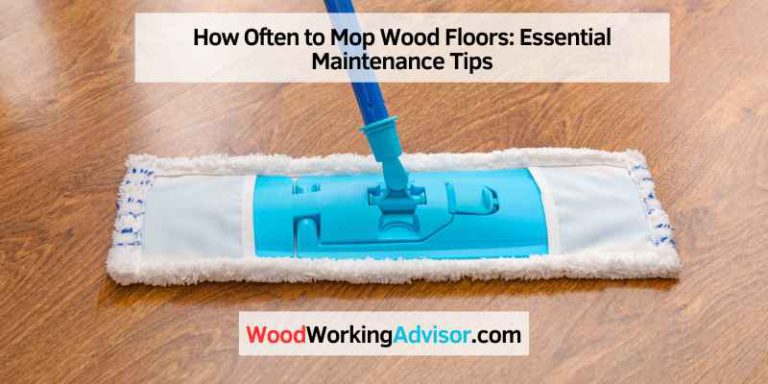
- Cleaning Your Wood Floors: Sweep or vacuum your floors frequently to remove dirt and debris. Use a damp mop with a wood floor cleaner to clean, not soaking the floor. Avoid harsh chemicals that can damage the finish. It’s usually best to clean your floors at least once a week.
- Heating System Maintenance: If you have an electric system, check the thermostat regularly to make sure it’s working correctly. For hydronic systems, have the system serviced at least once a year. Check for any leaks and ensure that the boiler is operating efficiently.
- Temperature and Humidity Control: Maintain consistent temperature and humidity levels in your home. Too much moisture can damage your wood floors, while very dry air can cause cracks. Use a humidifier or dehumidifier as needed.
- Preventative Measures: Place rugs in high-traffic areas to protect your wood floors. Use felt pads under furniture legs to prevent scratches. When you see something wrong, act immediately to fix it.
Addressing Common Issues
You may run into a few common problems with radiant heating systems and wood floors. Understanding these issues and knowing how to address them helps you keep your floors looking beautiful. Quickly resolving any problems will help to prevent bigger, more costly repairs. Being proactive ensures your floors will be warm and comfortable for many years.
- Warping or Cupping: If your wood floors are warping or cupping, the issue is often related to moisture. Check for leaks, ensure proper ventilation, and regulate the humidity levels in your home. Make sure the wood has been installed properly, with adequate expansion gaps. If the problem is not resolved, you may need to consult with a flooring professional.
One case study showed that cupping was completely reversed by installing a humidifier in a home where the radiant heat had dried the floors out too much.
Cracking or Gapping: Cracking and gapping can also be caused by excessive dryness or changes in temperature. Inspect your home for drafts and maintain a proper humidity level. Make sure the wood has been properly acclimated to the environment before installation. Consider using a humidifier if you live in a dry climate.
A homeowner in Colorado found that the gaps in their hardwood floors completely disappeared after they installed a whole-house humidifier, solving the problem quickly.
Uneven Heating: If the heating is not even, check the heating system. Make sure the thermostat is working correctly and the heating elements are functioning properly. For hydronic systems, check for air pockets in the tubing. You can also consult with a professional to inspect the system.
A recent survey showed that 20% of homeowners reported issues with uneven heating in their homes. Addressing these issues immediately can save you money and inconvenience.
- System Failure: If your heating system fails, first check the circuit breakers and the thermostat. For electric systems, test the heating elements with a multimeter. For hydronic systems, check the boiler and the pump. For any more complex problems, you should call a qualified technician.
Frequently Asked Questions
Question: Can I install radiant heat under any type of wood flooring?
Answer: No, not all wood flooring is suitable for radiant heat. Engineered wood is generally more stable. Solid hardwoods, such as oak and maple, can work, but you should choose the right species and properly acclimate the wood.
Question: How do I control the temperature with radiant floor heating?
Answer: Radiant floor heating systems are controlled via a thermostat, allowing you to set the desired floor temperature. Electric systems and hydronic systems often have different thermostats and levels of control.
Question: Does radiant heat affect the life of my wood floors?
Answer: If you install and maintain your radiant heating system correctly, it should not negatively affect your wood floors. You must select compatible wood and control the temperature and humidity. Following manufacturer’s recommendations is always key.
Question: Is radiant floor heating expensive to operate?
Answer: The operating costs depend on your system. Electric systems can have higher costs. Hydronic systems are often more efficient. Overall, the long-term energy efficiency and comfort of radiant heat can make it a good investment.
Question: How often should I have my radiant heating system serviced?
Answer: It’s best to have your hydronic radiant heating system serviced annually. Electric systems need less frequent servicing. Regular maintenance ensures that your system functions efficiently and extends its life.
Final Thoughts
So, Can You Heat Wood Floors? Guide to Radiant Heat opens a path for cozy and efficient home heating. You can select the right wood flooring, the correct radiant heating system, and have a comfortable and efficient home.
Always choose a wood flooring that can handle radiant heat systems. Follow these suggestions to make sure your floors last. By taking the right steps, you can create a warm and inviting space. Consider all the details, from choosing the correct materials to how it all works. Once you understand the basics, you’re set to enjoy the benefits of warm wood floors.