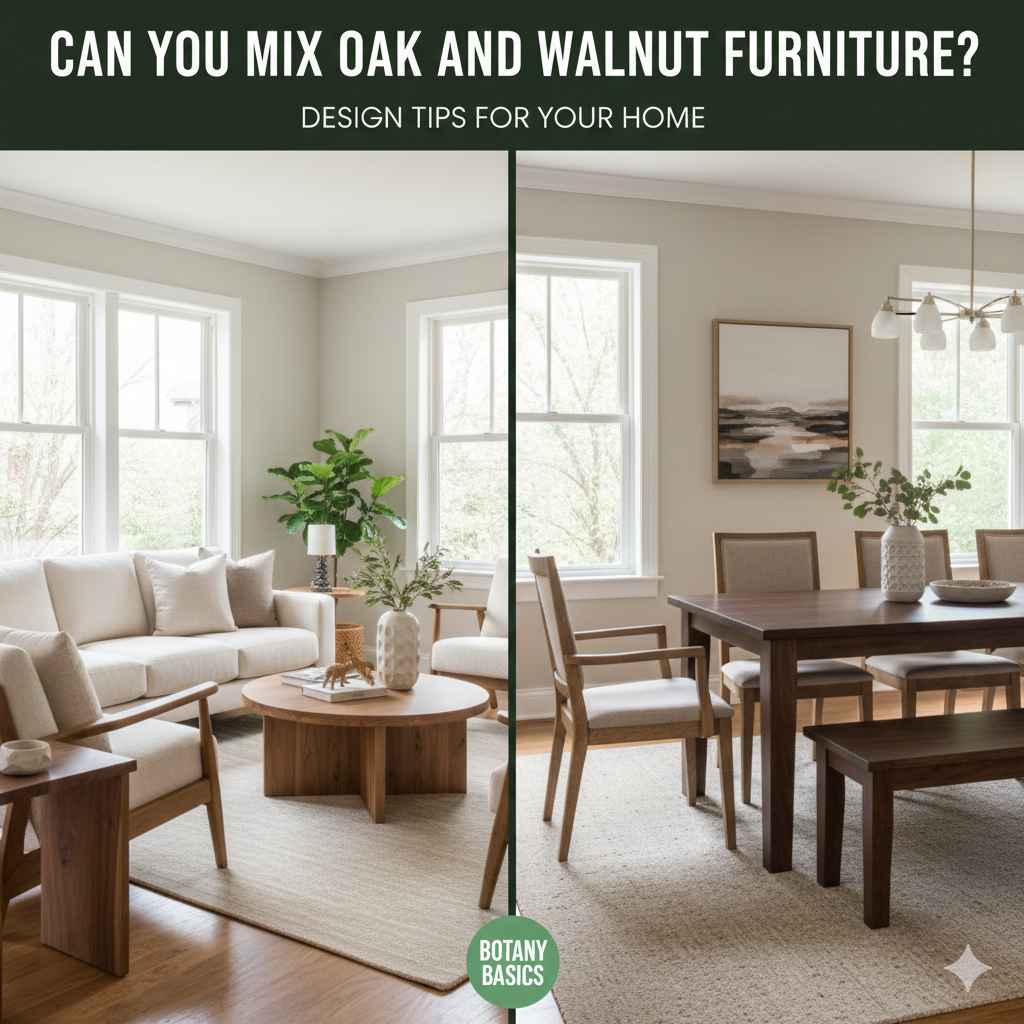
Can You Mix Oak and Walnut Furniture? Design Tips for Your Home
Thinking about mixing oak and walnut furniture? It’s a common question for anyone starting to decorate! Sometimes, it feels like a decorating puzzle that’s tricky to solve at first. Don’t worry, though; this guide is here to help you get the look you want. We’ll show you how to pull off mixing different wood tones and provide some great tips. So, let’s explore Can You Mix Oak and Walnut Furniture? Design Tips and make your space shine!
Choosing Oak and Walnut Furniture for Your Space
When selecting furniture for your home, the choice between oak and walnut often surfaces. Both are beautiful hardwoods with distinct characteristics. Oak is a classic, often seen in a lighter tone with prominent grain patterns, while walnut typically boasts a richer, darker hue with smoother textures. The decision frequently comes down to personal preference, the overall style you are aiming for, and the existing elements within your space. But what about combining them? This section explores the advantages of each wood type and provides guidance on how to integrate them in a visually pleasing manner.
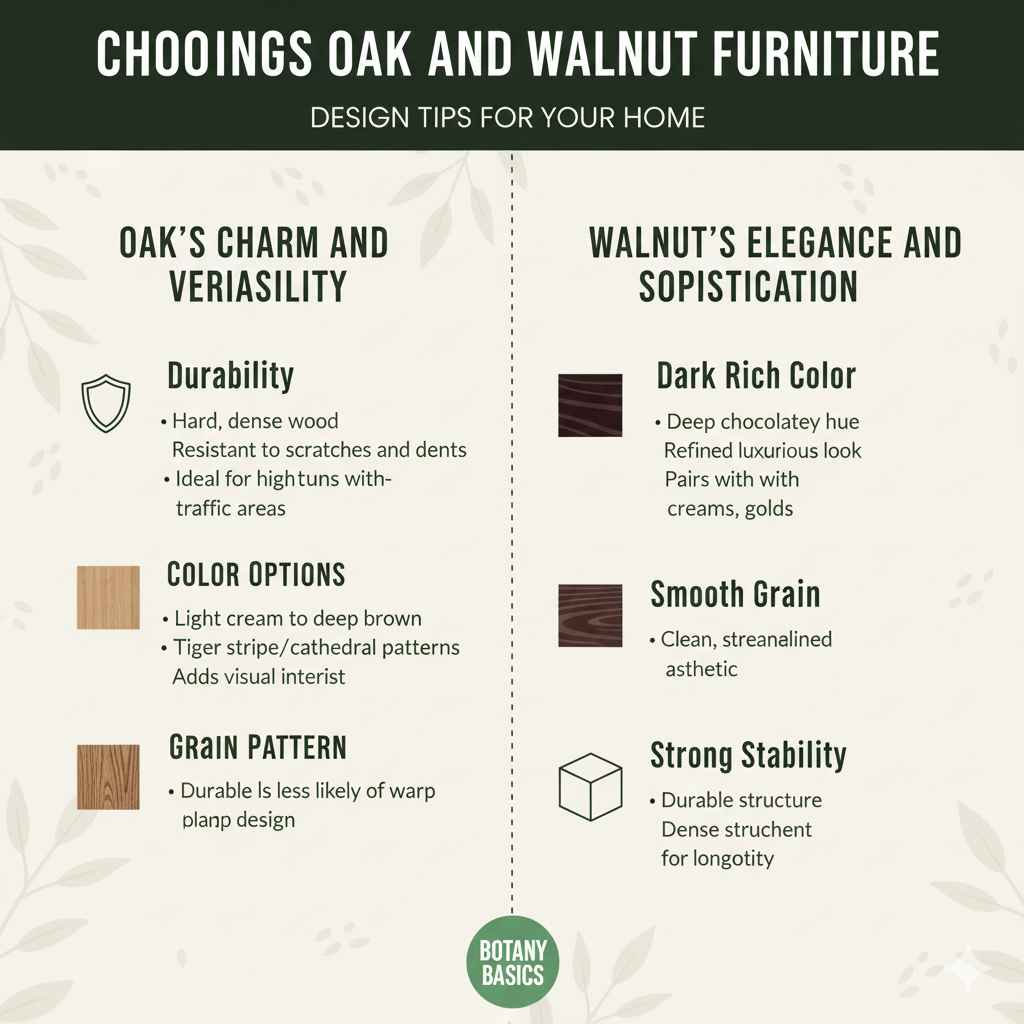
Oak’s Charm and Versatility
Oak furniture provides a warm, inviting feel to any room. Its lighter color palette, ranging from pale yellows to reddish-browns, easily brightens spaces. Oak’s prominent grain adds texture and visual interest, making it a favorite for farmhouse, coastal, and traditional styles. It’s strong, durable, and resists wear and tear, making it a practical option for high-traffic areas like living rooms and dining rooms. The versatility of oak allows it to blend seamlessly with various color schemes and decor styles. From dining tables to entertainment centers, oak can provide a solid foundation for your home’s aesthetic.
Durability: Oak is a hard, dense wood that is naturally resistant to scratches and dents, perfect for furniture that will see daily use.
Oak’s hardness makes it incredibly durable. This density means it stands up well against the bumps and bruises of everyday life. The resistance to wear and tear is why it is often chosen for pieces like dining tables and chairs, which can endure constant use. It is a smart choice for families with kids or pets, because it is less likely to show signs of damage. It allows your furniture to last longer and maintain its beauty for years.
Color Options: Oak comes in various colors, from light cream to deep brown, allowing you to match your room’s existing palette.
One of oak’s greatest strengths is its range of colors, which makes it flexible in a design scheme. You can find oak furniture that ranges from a bright, almost white finish to darker, more reddish tones. This variety means you can easily find oak pieces to fit in with your current color choices. It is a fantastic choice for those who want to keep their options open when it comes to decorating, and lets you change your mind later if your tastes evolve.
Grain Pattern: The unique grain patterns of oak provide visual interest and character to each piece of furniture.
The distinctive grain is a key element of oak’s appeal. It has beautiful patterns like “tiger stripe” or “cathedral” patterns, which are formed by the way the wood grows. These patterns make each item unique, giving it more personality. This natural look adds texture and visual appeal to a space, making your furniture more interesting. It’s a key reason why oak is such a popular choice, because it doesn’t just offer a solid structure, but it also provides a distinctive aesthetic.
Walnut’s Elegance and Sophistication
Walnut presents a luxurious option, often associated with sophistication and refinement. Its dark, rich tones, ranging from chocolate brown to purplish-black, create a sense of warmth and elegance. The wood’s smooth grain and subtle patterns lend themselves to contemporary and mid-century modern designs. Walnut is a strong, stable wood, resistant to warping, making it ideal for crafting pieces of furniture that will last. While it may require a bit more careful handling, its beauty and premium feel make it a desirable choice. Walnut can transform a simple room into a stylish haven.
Dark Rich Color: Walnut’s deep, chocolatey hue gives a refined, luxurious look to any space.
Walnut’s color is one of its most defining features. The dark, rich tones offer a sense of sophistication and warmth. These colors can make a space feel more comfortable and elegant. The depth of the color also pairs well with many other colors, like creams, golds, or even bold accent colors. When you want to create a room with a touch of elegance, walnut can be a powerful design choice.
Smooth Grain: The subtle grain of walnut offers a clean, streamlined aesthetic, perfect for minimalist designs.
Unlike oak’s bold grain patterns, walnut generally has a more subtle, flowing grain. This smoother appearance makes it ideal for more sleek designs. The absence of heavy patterns creates a sophisticated look that is both timeless and modern. The sleekness of walnut offers a great backdrop for other design elements to shine, like artwork or decorative accessories. If you prefer a simpler, less cluttered design, walnut is the perfect choice.
Strong Stability: Walnut’s stability makes it resistant to warping and cracking, ensuring its longevity in furniture pieces.
Walnut is a solid wood that is durable and less likely to warp or crack over time. This stability comes from its dense structure and the way the wood fibers are arranged. Because of its resistance to warping, it is a great choice for furniture that needs to stay in great shape. You can trust that walnut furniture will remain structurally sound and beautiful for years to come. This makes it a great investment, especially for pieces that get a lot of use.
Ways to Blend Oak and Walnut Furniture
Successfully blending oak and walnut furniture is about creating a cohesive and inviting space. The key is to find a balance between the two wood tones. Overdoing it can create a disjointed atmosphere, while a thoughtful approach can enhance the overall aesthetic of your home. This section offers practical strategies and design principles to help you seamlessly integrate oak and walnut pieces. From understanding color theory to applying the 60-30-10 rule, you’ll gain the essential skills to master the art of mixing wood tones.
Understanding Wood Tones and Undertones
Before you begin mixing oak and walnut, consider the tones and undertones of each wood. These are often the subtle color variations that influence how the woods interact with each other. Oak typically presents warmer undertones, leaning towards yellow or red, while walnut tends to showcase cooler undertones, such as brown or gray. Paying close attention to these undertones can make or break the visual harmony of your room. Understanding them allows you to create a harmonious blend that looks intentional and appealing. This is important to ensure your space looks unified and not chaotic.
Warm vs. Cool Undertones: Match warm and cool tones, or use them to create contrast.
Warm undertones, often seen in oak, include hints of yellow, red, and orange, which create a cozy feel. Cool undertones, frequently seen in walnut, include gray and brown. To achieve a balanced look, either match warm with warm and cool with cool, or contrast them for visual interest. For instance, pairing a warm oak table with a walnut cabinet can add depth and complexity to a room. Being aware of the undertones lets you make smart design choices.
Light vs. Dark: Balance light and dark woods to prevent the space from feeling unbalanced.
The contrast between light oak and dark walnut helps create visual depth and prevents the space from looking flat. For example, using a light oak dining table with walnut chairs can create a dynamic combination. If most of your furniture is dark, include lighter elements to create a more spacious feel. Conversely, in a room with a lot of light-colored furniture, the addition of a few darker walnut pieces can ground the space, adding some visual weight and sophistication.
Wood Grain and Texture: Consider the grain patterns and textures when mixing oak and walnut.
Oak often has a more pronounced grain, offering texture and character, while walnut has a smoother, more refined grain. Mixing these textures adds visual interest. Place a piece of oak furniture with bold grain next to a walnut piece with a fine grain. This variation prevents the room from feeling monotonous. Make sure that the variety of textures complements each other. By paying attention to these details, you can add depth and interest to your space.
Applying the 60-30-10 Rule
The 60-30-10 rule is a helpful guideline for achieving visual balance in interior design. This rule says that 60% of your space should be dominated by one color, 30% by another, and 10% by an accent color. When using oak and walnut, you can apply this to wood tones. Let’s say you want to use oak and walnut in your living room. You might choose oak for the majority of your furniture (60%), like your coffee table and bookshelves. The walnut could then be used for 30% of the pieces, such as a media console or a side table. The remaining 10% can be filled with accent pieces, like throw pillows or artwork, to add a pop of contrast. This approach creates a balanced design that feels both cohesive and visually engaging.
60% Dominant Wood: Choose one wood for the majority of the furniture pieces.
The wood you choose for 60% of your furniture should serve as the foundation of your design. For example, if you love the warmth of oak, you might use it for your dining table, chairs, and perhaps a buffet. This dominant color helps set the room’s mood and establish a sense of unity. It keeps the room from feeling cluttered or random. This is the main wood tone that anchors the space, making it visually cohesive and giving you a good starting point for your design.
30% Secondary Wood: Introduce the second wood to balance the dominant tone.
The 30% element provides contrast and interest. If you’ve chosen oak as your primary wood, walnut can be introduced through a media console or accent tables. The secondary wood should complement the primary choice. This balance prevents the room from feeling one-note. It also allows you to highlight the beauty of each wood type. Using the 30% rule provides a layer of visual interest.
10% Accent Pieces: Use smaller pieces and décor to add visual interest and contrast.
The 10% represents the chance to add accent pieces and decor. This can involve things like a small side table or even picture frames. These small items introduce a third element, possibly metal, glass, or a contrasting wood. They are useful for adding personality, and they provide a way to tie the entire design together. This is where you can bring in some fun and add some small decorative touches that really pull the room together. Small accent pieces can make a big difference in creating a polished space.
Using Color and Accessories to Tie It Together
While the wood tones are essential, color and accessories are your allies in creating a cohesive space. Colors can bridge the gap between oak and walnut by creating a cohesive palette. Accessories, such as pillows, rugs, and artwork, can add layers of texture and create visual interest. Properly used, these elements can enhance the overall aesthetic. By using color strategically and incorporating accessories, you’ll weave a design narrative that tells a story and makes your space feel complete.
Color Palette: Use a consistent color palette that complements both oak and walnut.
Using colors that tie oak and walnut together is a great approach. If you have warm-toned oak, use colors that complement those tones, like creams, beiges, or even olive greens. If you have cool-toned walnut, consider blues, grays, or even a soft purple. The key is to select colors that exist in both the oak and walnut tones. This helps the different woods work together seamlessly. Your color choices can greatly impact the overall look and feel of your space.
Textiles and Fabrics: Incorporate fabrics and textiles that connect the wood tones.
The textiles you use—such as rugs, curtains, and throw pillows—can act as a bridge between the different wood tones. If your oak furniture has warm undertones, choose fabrics with similar colors or patterns that contain those colors. A rug can visually tie the room together. This helps create a sense of harmony. The goal is to make a space feel balanced and cohesive, and fabric plays a very crucial role in creating that feeling.
Artwork and Decor: Use artwork and decor to enhance the connection between oak and walnut.
Your choice of artwork and decorative items can complete the connection between your oak and walnut furniture. Select artwork that includes both the tones of oak and walnut to make the connection more obvious. Picture frames, vases, and sculptures also provide an opportunity to bring together both types of wood in the space. These details create a more deliberate and polished aesthetic, making the room feel more intentional. This also lets you infuse some personality into your space.
Common Design Challenges and Solutions
When mixing oak and walnut, a few common design mistakes can disrupt the harmony of your space. These mistakes often stem from a lack of consideration for undertones, proportions, and the overall style of your room. Being aware of these challenges can help you avoid them and create a more polished look. This section will guide you through common design pitfalls and show you how to resolve them with practical, easy-to-implement solutions. You’ll learn to anticipate potential challenges and make informed choices.
Avoiding Clashing Wood Tones
One of the biggest concerns when mixing wood tones is preventing clashing. This often occurs when different woods have wildly different colors or undertones, resulting in a disjointed and visually unpleasant look. Ensuring harmony requires an awareness of the underlying colors and how they interact. This section will guide you through the process of recognizing and correcting clashing wood tones. By focusing on contrasts, color palettes, and overall balance, you can create a look that feels put-together.
Understanding Undertones: Identify and match or contrast undertones appropriately.
The key to avoiding clashing is to understand and manage undertones. As described before, warm undertones include yellows and reds, while cool undertones contain grays and blues. If your oak has warm undertones, try to pair it with walnut that also has warm undertones, or vice versa. If you want to use contrasting undertones, make sure the other colors in the room help to unify the contrasting elements. Taking the time to observe these hidden colors can prevent the clash and bring a feeling of cohesiveness to your space.
Creating Contrast and Balance: Use dark and light woods thoughtfully to balance the space.
Another approach is to create a well-balanced contrast between the darker walnut and the lighter oak. If you have mostly dark furniture, introduce some lighter pieces. Consider using a light oak dining table with walnut chairs. The contrast can make the room more interesting and make each piece stand out. If the room is already full of lighter tones, incorporate darker walnut pieces to ground the space and add some weight. This balance between light and dark wood will keep the space from feeling unbalanced.
Using a Unified Color Scheme: Incorporate a consistent color palette throughout the room.
Using a consistent color palette can tie the diverse wood tones together. Choose colors that complement both oak and walnut. For instance, you could use a neutral backdrop, like gray or beige, which allows both wood tones to shine without clashing. Incorporate these colors in your textiles, artwork, and accessories. This creates a cohesive look that blends different elements seamlessly. This consistency ensures the room looks well-coordinated and intentionally designed.
Proportion and Balance in Furniture Placement
The way you arrange your furniture plays a crucial role in the overall aesthetics of your space. Poorly placed furniture can disrupt the visual harmony and make the room feel cluttered or unbalanced. This section offers guidance on the art of furniture placement, offering practical tips to ensure your oak and walnut pieces complement each other. By understanding how to balance scale, create focal points, and ensure good flow, you can transform any room into a stylish and functional living area. The way you arrange the furniture should enhance the aesthetic appeal of the space.
Scale and Size: Consider the size and scale of each furniture piece.
One common mistake is to overlook the scale and size of each piece of furniture. For example, a large walnut sofa may overpower a small oak coffee table. Balance is critical. If your walnut furniture is large, use smaller oak pieces to avoid an imbalance. Pay attention to how each piece interacts with the others and the overall dimensions of the room. This balance ensures that the space feels proportional and well-designed, making your furniture pieces work together harmoniously.
Focal Points: Create a focal point and arrange furniture to draw attention.
Identifying a focal point, like a fi
Flow and Functionality: Ensure the furniture layout supports the flow of movement.
Consider the room’s function and how people will move through it. Make sure that your furniture layout does not obstruct walkways or make the space feel cramped. Arrange your oak and walnut furniture to allow for easy movement. This is especially important in living rooms and dining areas. For example, keep enough space between your dining table and the wall to allow for comfortable seating and movement. A room that has good flow is one that’s both beautiful and practical.
Addressing Style Clashes
Different styles of furniture, like modern or traditional, can sometimes clash. The key is to recognize the differences in the styles and make smart choices to bridge the gap. In this section, you’ll learn how to find areas of common ground between different styles. You’ll be able to create a unique space that reflects your personality and tastes, regardless of different style inspirations. Whether you’re a minimalist or a maximalist, these techniques will help you achieve a well-coordinated and visually appealing design.
Choosing Complementary Styles: Look for similarities and common design elements.
When mixing oak and walnut furniture with different styles, the first step is to recognize the overlaps. Modern and mid-century styles often complement each other, as do traditional and farmhouse. Look for design elements that are shared among the different pieces. If your oak furniture leans toward farmhouse, a walnut piece with clean lines can still fit in well. Think about matching details like the legs, hardware, or finishes. The shared details will help to create a unified design.
Using Transitional Pieces: Incorporate furniture that blends multiple styles.
Transitional pieces are versatile options that blend elements from different styles. These pieces can easily bridge the gap between oak and walnut furniture with varied styles. Look for a coffee table with a walnut frame and an oak top or vice versa. Pieces with a combination of materials, such as metal accents or glass tops, can also seamlessly tie together the different styles. The transitional elements will ensure that the different styles look like they belong together, adding a sense of cohesiveness to your space.
Accessorizing Thoughtfully: Use accessories to unify the overall style.
Accessories play a huge role in creating a cohesive style. Choose accessories that share similar design elements with both your oak and walnut furniture. You can use textiles, like throw pillows or blankets, to connect your space. Look for artwork, decor, and lighting fixtures that also follow the same design. This will keep everything looking consistent. The accessories act as a key factor in bringing together different styles and creating a space that feels visually harmonious.
Real-Life Examples and Case Studies
To further illustrate the practical application of mixing oak and walnut, we will present real-world examples that demonstrate how to achieve visual harmony and practical functionality. These examples will give you clear insights and inspiration. The cases include everything from small apartments to spacious homes. These instances also include specific design decisions, like color palettes, furniture arrangements, and the use of accessories. You’ll also find out how these techniques can be adapted to various spaces and tastes. By learning from these examples, you can create a successful design of your own.
Small Apartment: A small studio apartment combines a light oak dining table with walnut chairs. The warmth of the oak brightens the space, while the walnut chairs add a touch of elegance. A neutral rug ties the area together, and minimalist décor keeps the space from feeling cluttered.
The small apartment shows how a thoughtful combination of oak and walnut furniture can maximize the utility and aesthetics of a compact living space. The designer used light oak for the dining table to make the space feel more open and bright. The walnut chairs offered a sophisticated contrast. The use of a neutral rug further unifies the space, and the use of minimalist decorations maintains an uncluttered, comfortable atmosphere. The result is a space that feels both stylish and functional, showing that even small areas can accommodate multiple types of wood harmoniously.
Family Living Room: In this family living room, a large oak bookshelf serves as a backdrop, and a walnut media console acts as the focal point. Soft, gray sofas and a colorful rug connect the oak and walnut. Family photos and carefully chosen accessories add some personality.
In this family living room, the design plan centers on integrating functionality with style. The designers chose a large oak bookshelf for its storage capacity and warmth. The focal point of the space is a walnut media console, which draws the eye. The addition of soft, gray sofas and a colorful rug helps to tie the room together. The use of family photos and accessories adds a personal touch. The mix of oak and walnut, along with other elements, creates a welcoming and organized space.
Mid-Century Modern Dining Room: This dining room uses a walnut dining table as the main focus. The chairs are light oak, and the walls are painted in a soft, neutral color. A simple chandelier and artwork emphasize the clean lines of the furniture.
This mid-century dining room shows how simplicity and the clever combination of materials can create a space that is both stylish and functional. The designers chose a walnut dining table to serve as the focal point. The dining chairs are made of light oak, creating a balance of light and dark tones. The soft, neutral walls enhance the clean lines of the furniture. The simple chandelier and artwork add interest without overwhelming the space. The result is a dining room that’s both stylish and practical.
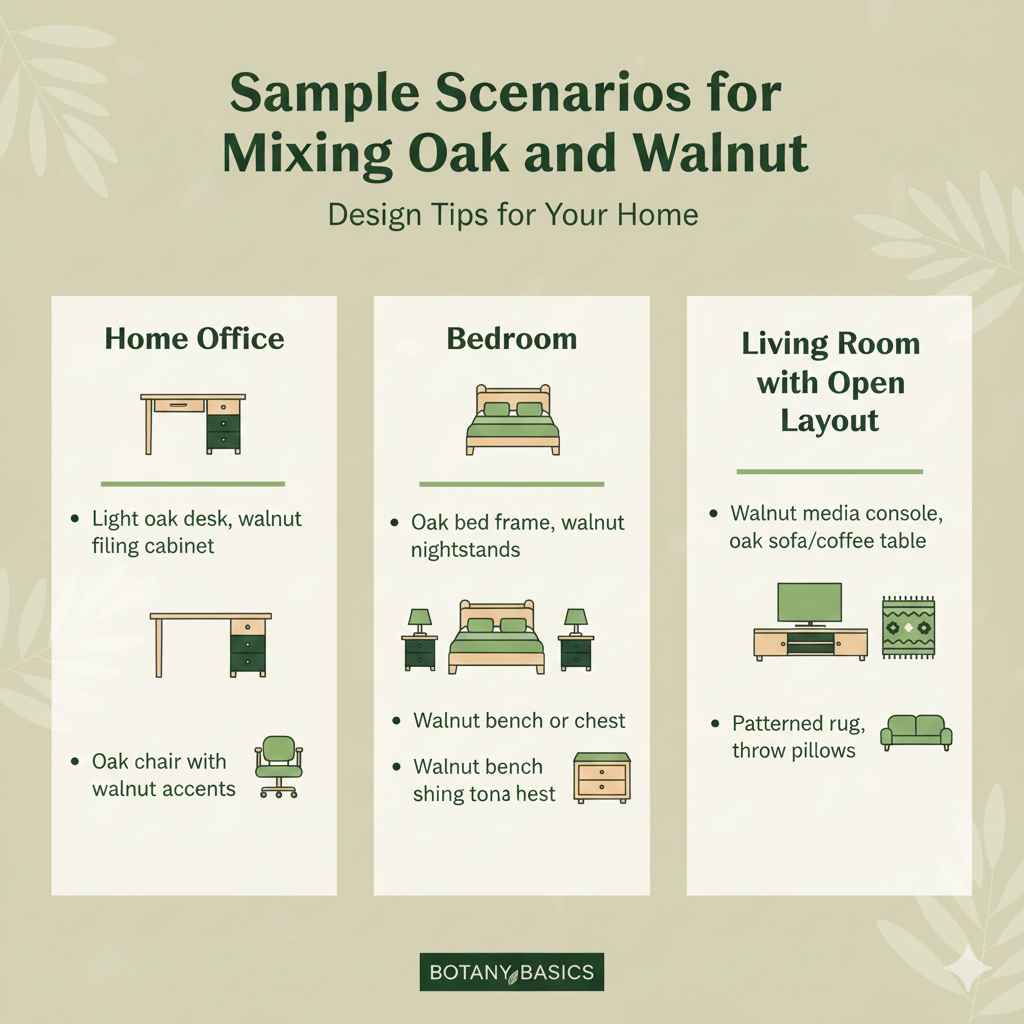
Sample Scenarios for Mixing Oak and Walnut
Consider the following scenarios to gain more insights into how to integrate oak and walnut in various settings. These practical applications will help you envision and implement the tips. From a home office to a dining area, these scenarios offer tailored recommendations to fit a range of tastes. The goal is to provide a guide that’s not only informative, but also inspirational, equipping you with the know-how to design a living space that truly reflects your personal style.
Home Office: Combine a light oak desk with a walnut filing cabinet. Add an oak chair with a walnut accent or vice versa. The light oak brings brightness to the workspace, while the walnut adds sophistication. Use a rug and accessories to coordinate the look.
This home office scenario focuses on creating a workspace that is both productive and appealing. The combination of a light oak desk and a walnut filing cabinet offers a balance of brightness and sophistication. This blend of woods promotes visual interest. Using an oak chair with walnut accents further unifies the space. A rug and accessories help bring everything together, making the office a place you want to spend time in.
Bedroom: Use an oak bed frame with walnut nightstands. Include a bench at the foot of the bed or a chest of drawers made from walnut. The oak provides a warm, inviting foundation, while the walnut brings in richness and elegance. Incorporate bedding and other items to tie the look together.
This bedroom arrangement combines the warmth of oak and the sophistication of walnut to create a relaxing retreat. An oak bed frame is the foundation, giving the room a comfortable feel. Walnut nightstands give an elegant contrast. The addition of a bench at the foot of the bed or a chest of drawers adds more character. Coordinated bedding and decor create a cohesive look, ensuring the space is both stylish and relaxing.
Living Room with Open Layout: In an open floor plan, place a walnut media console across from an oak sofa and coffee table. Use a patterned rug that incorporates both wood tones. Add throw pillows and decorative items that tie the elements together.
This open layout scenario brings oak and walnut furniture into a harmonious, well-coordinated living space. A walnut media console creates a focal point, balanced by an oak sofa and coffee table. A patterned rug uses both wood tones and unifies the overall scheme. Throw pillows and accessories can tie these elements together. The result is a living room that blends different elements into a visually appealing and comfortable space.
Frequently Asked Questions
Question: Can I use both oak and walnut in a small room?
Answer: Absolutely! The key is to balance the wood tones. Try using oak as the dominant wood, and then include smaller walnut pieces to add depth and interest. Careful use of a consistent color palette and complementary accessories will help tie the space together.
Question: What if my oak furniture has a warm tone, and my walnut furniture has a cool tone?
Answer: It’s totally fine! To soften the contrast, choose accessories like throw pillows or rugs that include both warm and cool colors. This will create a bridge between the two wood tones, resulting in a more unified space.
Question: Should all the hardware on my oak and walnut furniture match?
Answer: Not necessarily. If the styles are different, having different hardware can highlight the unique elements. However, if the styles are similar, you might consider matching the hardware for a cohesive feel.
Question: What is the best way to determine the undertones of my existing wood furniture?
Answer: Look at the furniture in natural light. Do you see hints of yellow, red, or orange (warm undertones)? Or do you see hints of gray or blue (cool undertones)? This helps in deciding what to pair the existing wood with.
Question: How do I choose the best accent colors for a room with oak and walnut furniture?
Answer: Pick accent colors that are in the wood tones. Consider bringing in neutral colors, such as cream, beige, or soft gray. These colors will complement both oak and walnut. Also, you can use accent colors to highlight specific design elements.
Final Thoughts
Blending oak and walnut furniture is certainly achievable when you’re equipped with the right guidance. By understanding the distinct qualities of each wood, focusing on their undertones, and employing a good mix of color palettes, you can create a beautiful space. Applying the 60-30-10 rule and making sure you get the right balance can lead to excellent outcomes.
Using color and accessories is key to creating harmony between your oak and walnut pieces. Remember that the goal is not perfection, but a space that reflects your personality. So, explore different ideas, take your time, and enjoy the decorating process. With these tips, you can create a home that is both beautiful and uniquely yours.