Can You Put Matte Polyurethane Over Gloss? Yes, If You Scuff-Sand First
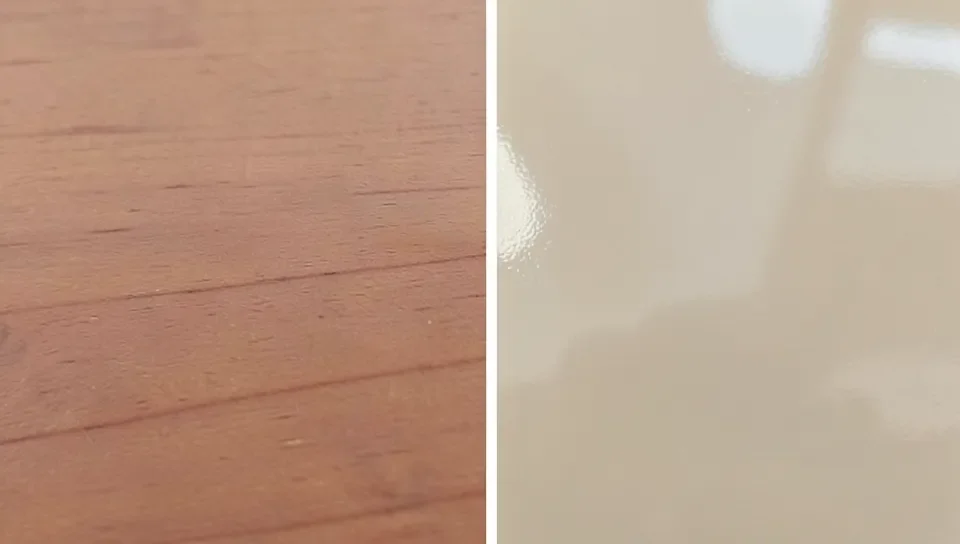
Yes, you can put matte polyurethane over gloss polyurethane — but only after scuff-sanding the gloss surface first. Polyurethane bonds mechanically, not chemically, so a smooth gloss film needs to be scratched up before a new coat has anything to grip; skip that step and the matte coat can peel or fisheye within weeks no matter how many coats you apply.
Why Scuff-Sanding Is Non-Negotiable
A Real Matte Topcoat
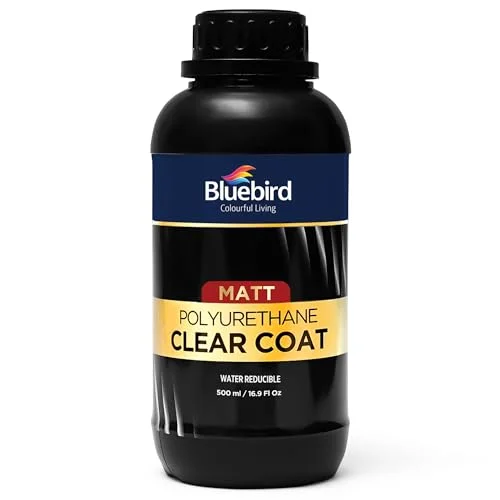 |
Bluebird Polyurethane Clear Coat, Matte, 16.9 oz – $14.99 Water-based matte topcoat, applies fine over a properly scuff-sanded gloss surface.
|
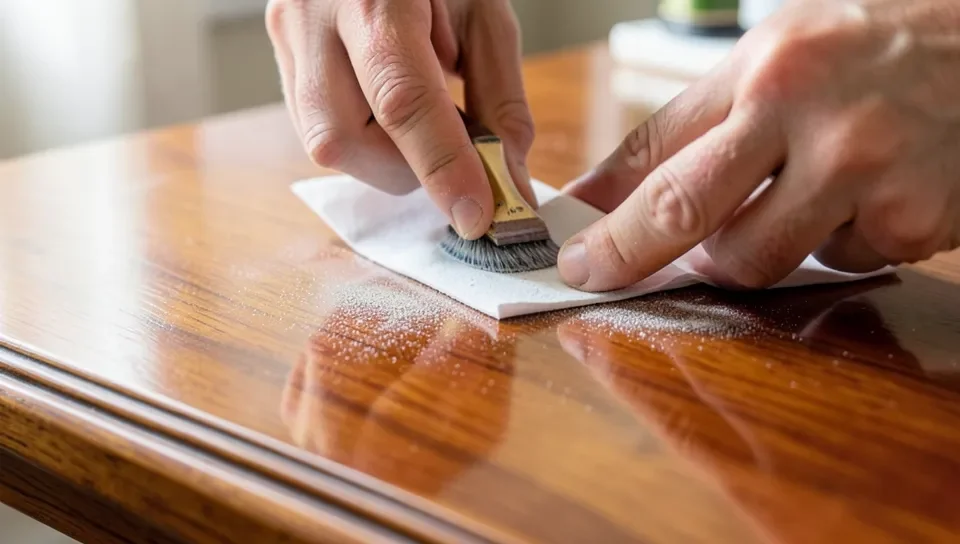
Cured polyurethane, especially gloss, forms a hard, smooth film that a new coat of anything — matte poly included — has almost nothing to mechanically key into. Sand the gloss surface with 220-320 grit sandpaper until the sheen turns uniformly dull (not shiny in any spot), then wipe away all dust with a tack cloth before applying the matte coat. This is standard practice for any poly-over-poly recoat regardless of sheen, but it matters more here because a missed glossy patch will show through as an uneven sheen once the matte coat cures — a cosmetic problem that’s much easier to prevent than fix afterward.
Oil-Based vs. Water-Based: Check Before You Recoat
Matte over gloss works fine when both are the same base type (oil-based over oil-based, or water-based over water-based). Applying a water-based matte poly directly over an oil-based gloss poly, or vice versa, is where adhesion problems actually originate more often than the sheen change itself — oil and water-based films don’t bond to each other reliably even with sanding. If you’re not sure which type the existing finish is, a dewaxed shellac barrier coat (like SealCoat) sands easily, bonds to almost anything underneath, and gives the new poly a reliable surface regardless of what’s actually underneath.
Why the Reverse (Gloss Over Matte) Is a Worse Idea
Matte polyurethane gets its flat sheen from flattening agents (silica particles) mixed into the finish, which settle and can create a slightly cloudy or uneven look under a fresh gloss topcoat since the gloss layer sits directly on top of that texture rather than a smooth film. Going matte-to-gloss isn’t impossible, but it’s more prone to a hazy or blotchy result than the gloss-to-matte direction covered here, which is one more reason to decide on your final sheen before starting rather than switching direction mid-project.
How Many Coats and How Long Between Them
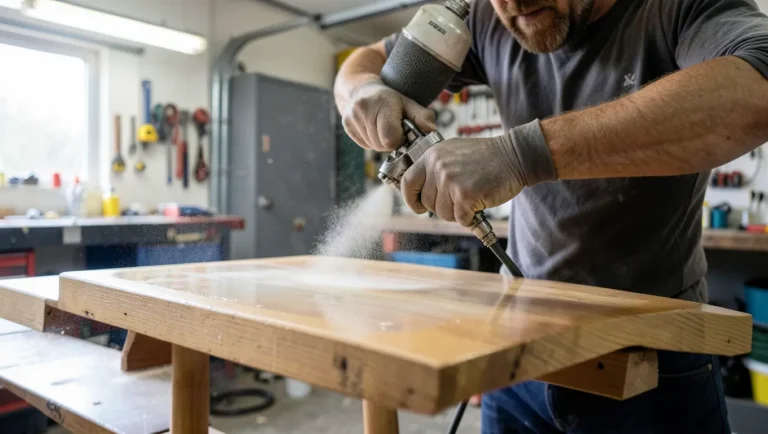
One coat of matte poly over a properly sanded gloss surface is often enough for a sheen change alone, but two thin coats give a more even, streak-free result and extra durability. Water-based polyurethane typically recoats in 2-4 hours; oil-based needs a full 24 hours between coats. Lightly scuff-sand (320 grit or higher) between coats regardless of type — this is about adhesion between the new layers, not correcting a mistake, and skipping it is a common reason a second coat looks patchier than the first. Stir matte polyurethane gently rather than shaking it before each coat, since the flattening agents that create the matte sheen settle to the bottom of the can and shaking introduces air bubbles that show up as tiny craters once the finish levels out.
Steel Wool Instead of Sandpaper: When It’s the Better Choice
On curved or detailed surfaces (turned legs, carved trim, molded edges) where sandpaper can’t reach evenly, 0000-grade steel wool with a liquid deglosser or mineral spirits does the same scuffing job sandpaper does on flat surfaces, and conforms to the shape instead of flattening high points unevenly. The tradeoff is that steel wool leaves tiny metal fibers behind that can cause rust specks under a water-based finish specifically — vacuum and wipe the surface down thoroughly, or use a synthetic (non-metal) abrasive pad instead if the topcoat is water-based. For flat panel surfaces like a tabletop or cabinet door, sandpaper is still the more even and controllable option.
Testing an Inconspicuous Spot First
Before recoating an entire piece, test the sand-and-recoat process on a hidden area — the underside of a tabletop, the back of a leg, inside a cabinet door — and let it cure fully before judging the result. This catches two real problems before they show up on the visible surface: an unexpected reaction if the old finish’s base type was guessed wrong (bubbling, wrinkling, or the new coat not curing hard), and a sheen mismatch if the ambient temperature or humidity during application is outside the product’s ideal range, since matte finishes are more sensitive to application conditions than gloss because uneven flattening-agent distribution shows up more visibly.
How to Tell If the Existing Finish Is Actually Polyurethane
Not every glossy wood finish is polyurethane — lacquer and shellac are common on older furniture and behave differently when recoated. A quick solvent test in an inconspicuous spot tells you which you’re dealing with: dab a cotton swab with denatured alcohol on the surface; if the finish softens or goes tacky, it’s shellac. If it stays firm under alcohol, try a small dab of lacquer thinner instead; a finish that softens under lacquer thinner but not alcohol is likely lacquer. Polyurethane resists both solvents and won’t soften under either test (the same test applies if you’re instead checking compatibility for putting epoxy over a urethane finish). This matters directly for the scuff-sand-and-recoat process described above, since shellac and lacquer take a fresh coat of the same material readily without heavy sanding, but polyurethane over either of them needs its own separate compatibility check — a dewaxed shellac barrier coat is the safer bridge in that specific case too.
Ventilation and Cure Time Before Use
Oil-based polyurethane in particular needs real ventilation while curing, not just while wet — off-gassing continues for days after the surface feels dry to the touch. Water-based products have noticeably less odor but still benefit from airflow during cure. “Dry to the touch” and “fully cured” are different milestones: a water-based matte coat is usually safe to handle lightly within a day, but the full hardness that resists scratching and everyday wear typically takes 1-2 weeks (longer for oil-based), which is why furniture that gets used hard right after refinishing sometimes shows soft dents or witness marks that weren’t visible during application.
Frequently Asked Questions
Do I need to sand between matte and gloss polyurethane coats?
Yes. Scuff-sand the gloss surface with 220-320 grit sandpaper until the sheen is uniformly dull, then wipe away dust before applying the matte coat. This gives the new finish something to mechanically grip.
Can you mix oil-based and water-based polyurethane?
Not directly on top of each other reliably. If you’re unsure which type the existing finish is, apply a dewaxed shellac barrier coat first, which bonds well to both types.
Is it better to go matte over gloss, or gloss over matte?
Matte over gloss is the more reliable direction. Gloss over matte can look hazy or blotchy since the flattening agents in matte finish create a texture the gloss layer sits directly on top of.
How do I know if my existing finish is polyurethane and not lacquer or shellac?
Test with a cotton swab in a hidden spot: shellac softens under denatured alcohol, lacquer softens under lacquer thinner, and polyurethane resists both. Use this to confirm what you’re recoating before assuming a standard poly-over-poly process applies.
Conclusion
Matte over gloss polyurethane is a straightforward sheen change, not a risky combination, as long as the gloss surface gets scuff-sanded first and both finishes share the same base type (or a shellac barrier bridges them). Skip the sanding step and adhesion problems are the most likely outcome regardless of how many coats go on afterward.
Sponsored / affiliate links. As an Amazon Associate I earn from qualifying purchases. I may earn additional commission from eligible campaigns.