Will Wood Glue Stick to Polyurethane? No, Here’s Why
No, standard wood glue does not reliably bond to a cured polyurethane finish. PVA (yellow) wood glue needs to soak into open wood fiber to cure and grip — polyurethane is a hard, non-porous plastic film that seals the wood off, so the glue just sits on top of it and never really locks in.
If you’ve read that wood glue “sticks fine” to polyurethane, that’s a common misconception, and it’s an easy way to end up with a joint that looks solid on day one and pops apart a week later. Here’s what’s actually happening at the surface, which adhesives genuinely work on a finished piece, and how to fix or avoid the problem depending on whether the project is already finished or not.
Why Wood Glue Doesn’t Bond to Cured Polyurethane
Best for Bonding to a Finished Surface
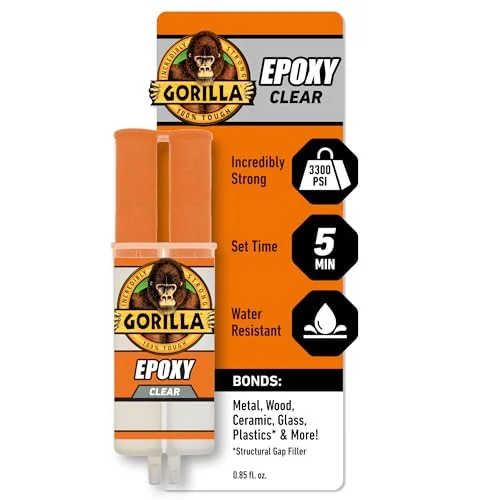 |
Gorilla 2 Part Epoxy, 5-Minute Set – $5.97 Unlike PVA wood glue, this epoxy doesn’t need to soak into open wood grain to grip — it mechanically locks onto a smooth, non-porous polyurethane surface instead, which is exactly the problem this article covers.
|
Wood glue is a water-based adhesive, and it doesn’t work the way a lot of people assume. It doesn’t just “stick” to a surface the way tape does — it needs to migrate into the open cell structure of raw wood, where the water in the glue evaporates and the polymer chains cross-link inside the fibers themselves. That’s what makes a properly glued wood-to-wood joint often stronger than the wood around it.
A cured polyurethane finish removes that option entirely. Oil-based and water-based polyurethanes both cure into a continuous plastic film specifically designed to keep moisture, dust, and everything else out of the wood underneath — that’s its entire job as a protective topcoat. With no open grain to grab onto, PVA wood glue is left trying to bond to a smooth, sealed plastic surface, which is a fundamentally different (and much weaker) kind of adhesion called mechanical bonding instead of the fiber-penetration bonding it’s designed for.
What Actually Happens When You Try It Anyway
Glue a joint straight onto a polyurethaned surface without any prep and the glue will usually skin over and look dry within the normal window. The problem shows up later: because the bond is only sitting on the surface of the finish rather than locked into the wood, it tends to fail under load, vibration, or a temperature swing — sometimes immediately when you unclamp it, sometimes weeks down the line when someone leans on the repaired chair leg or shelf bracket. A joint that fails this way usually pulls the glue film cleanly off the polyurethane rather than tearing any wood fiber, which is the giveaway that the glue never actually penetrated anything.
This is also why repair joints on finished antiques and furniture fail more often than joints on raw lumber — the original finish is still intact right where the new glue needs to grip.
Better Adhesives for a Polyurethane-Finished Surface
If sanding the finish off isn’t an option (see below for when it is), a few adhesives handle a sealed, non-porous surface far better than standard PVA wood glue:
- Two-part epoxy — the most reliable option. Epoxy cures through a chemical reaction between resin and hardener, not by soaking into wood, so it bonds mechanically to smooth surfaces including cured polyurethane, painted wood, metal, and glass. A 5-minute epoxy sets fast enough for small repairs; slower-curing epoxies (30-minute or longer working time) generally end up stronger for structural joints.
- Cyanoacrylate (CA/super glue) — works for small, tight-fitting repairs on a finished surface and sets in seconds, but it’s brittle and a poor choice for anything that flexes or takes ongoing stress. See our wood glue vs. CA glue comparison for when each makes sense.
- Polyurethane glue (e.g., Gorilla Glue) — despite the name, this is a different product from a polyurethane finish. It cures with moisture and foams as it expands, which lets it grip into surface texture and small gaps better than PVA, though it still bonds best when at least one surface is porous. Our PVA vs. polyurethane glue guide covers that comparison if you’re deciding between the two for a different project.
Standard PVA wood glue (Titebond, Elmer’s, and similar) still belongs in almost every other woodworking joint — it’s just the wrong tool once a finish is already on the wood.
How to Prep a Finished Surface If You Must Use Wood Glue
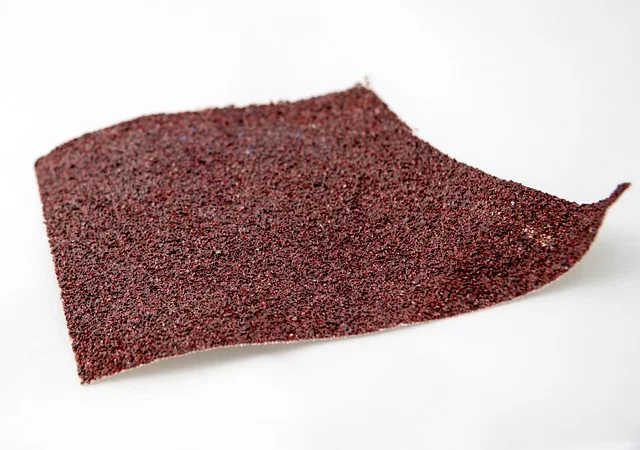
If you’d rather stick with PVA wood glue than switch adhesives, the fix is to remove the reason it’s failing: get back down to bare, open wood fiber right where the glue line will sit.
- Sand the glue-joint area with 80 to 100 grit sandpaper first to cut through the polyurethane film, then move to 150 grit to smooth it out. You’re not trying to make the whole surface look refinished — just the strip that will actually touch the glue.
- Check for a dull, matte, slightly fuzzy surface with no shiny patches left. Any remaining gloss means finish is still there and the glue will still be bonding to plastic in that spot.
- Wipe away all sanding dust with a dry cloth, then a barely damp one — dust trapped under the glue line weakens the joint almost as much as leftover finish does.
- Clamp and glue as you normally would with PVA wood glue, and give it the full 24-hour cure before putting any load on the joint.
Even done well, a joint glued this way after sanding through a finish usually won’t be quite as strong as gluing two pieces of bare wood together, because you’re only working with a thin sanded strip rather than full-depth open grain. For anything structural, epoxy is still the safer call.
The Smarter Fix: Glue the Joint Before You Finish
None of this is a problem if you plan the build order correctly. Glue every structural joint first, while the wood is still bare, and only apply polyurethane once assembly is finished and the glue has fully cured. This gets you the strongest possible glue bond and a clean, even finish with no risk of the topcoat interfering with the joint.
If part of the piece needs to stay glue-free until later — a drawer front that gets added after finishing, for example — mask off that joint area with painter’s tape before you apply the polyurethane, then peel the tape and glue onto exposed bare wood once the finish has cured. It takes an extra five minutes and avoids the entire issue.
Step-by-Step: Repairing a Loose Joint on a Finished Piece
For a wobbly chair rung, a loose drawer joint, or any repair on furniture that’s already finished (see our guide to what a professional reglue job typically costs if you’re weighing DIY against paying someone):
- Take the joint apart as far as it will safely go and inspect both surfaces. If both are bare wood (old glue failed but the finish never reached inside the joint), regular PVA wood glue works fine — clean off the old dried glue first with a chisel or sandpaper.
- If either surface still has finish on it, decide between sanding it back to wood (see the steps above) or switching to a two-part epoxy that doesn’t need bare wood to work.
- Dry-fit the joint before adding any adhesive to confirm it still closes up tight. A joint that’s worn loose from years of use may need a shim or shaved insert regardless of which glue you use.
- Apply glue to both mating surfaces, clamp evenly, and wipe away squeeze-out immediately with a damp cloth before it skins over.
- Leave the clamps on for at least the glue manufacturer’s minimum time (roughly 30 to 60 minutes for PVA, or check the epoxy’s own set time) and don’t put weight on the repair for 24 hours.
Frequently Asked Questions
Will wood glue bond with polyurethane?
Not reliably. Cured polyurethane is a non-porous plastic film, and standard PVA wood glue is designed to soak into open wood fiber to cure and grip. Without bare wood to bond into, the glue only sits on the surface and the joint is prone to failing under load. Epoxy or CA glue bond to a finished surface far more reliably than wood glue does.
Can you use wood glue instead of polyurethane?
No, they do two completely different jobs. Wood glue is an adhesive that bonds wood pieces together; polyurethane is a protective topcoat that seals and protects a finished wood surface from moisture, scratches, and UV damage. Neither one is a substitute for the other.
How long does wood glue take to dry on polyurethane?
It may feel dry to the touch within an hour or two, the same as it would on bare wood, but “dry” isn’t the same as “bonded.” Because the glue never penetrates the sealed surface, the joint can feel set while still being far weaker than a normal wood-to-wood glue joint, regardless of how long you let it sit.
Is it necessary to sand polyurethane before applying wood glue?
Yes, if you’re set on using PVA wood glue on a finished surface. Sand through to bare, dull wood (80-100 grit, then 150 grit) right where the glue line will sit — any remaining shiny finish means the glue is still bonding to plastic instead of wood. If you’d rather skip sanding, use a two-part epoxy instead, since it doesn’t need bare wood to form a strong bond.
Conclusion
Wood glue and polyurethane serve entirely different purposes, and that mismatch is exactly why wood glue struggles to bond to a cured polyurethane surface — there’s no open wood fiber left for it to grip. If you’re gluing before finishing, standard PVA wood glue is still the right call. If you’re repairing or joining something that’s already finished, sand through to bare wood first or switch to a two-part epoxy built to bond to smooth, sealed surfaces.
Sponsored / affiliate links. As an Amazon Associate I earn from qualifying purchases. I may earn additional commission from eligible campaigns.