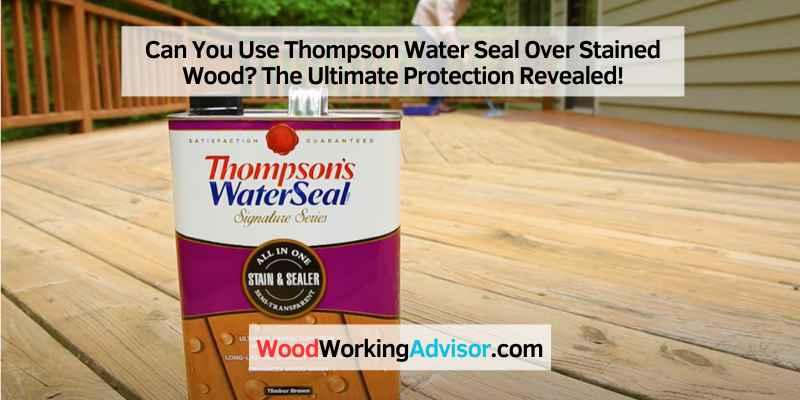
Can You Put Thompson Water Seal Over Stained Wood: Expert Tips
Are you wondering if you can apply Thompson Water Seal over your beautifully stained wood? You’re not alone.
This question pops up often for homeowners and DIY enthusiasts who want to protect their wood projects while maintaining that rich, stained finish. It’s an important query because your wood’s longevity and appearance depend on making the right choice. We’ll dive into the details, providing you with clear and straightforward answers.
You’ll discover the benefits, potential pitfalls, and expert tips to ensure your wood remains stunning and well-protected. Stick around to learn how to make the most of your stained wood with Thompson Water Seal. You won’t want to miss this essential guide!

Credit: www.deckstainhelp.com
Thompson Water Seal Basics
Thompson Water Seal is a protective coat for wood. It helps keep water away. This seal stops wood from getting wet and damaged. Many people use it for wood outside their homes. Like decks and fences. It keeps the wood looking nice and new. The seal comes in a liquid form. You paint it on with a brush or spray it on. It’s easy to use and works well. It helps the wood last longer.
There are different types of Thompson Water Seal products. Some are clear. They show the wood’s natural color. Others have a tint. They can make the wood look a little different. Like adding a shade of brown or red. Some seals have extra protection. They keep wood safe from the sun’s rays. This helps the wood not to fade. It’s important to pick the right one for your wood.
Understanding Wood Stains
Wood stains come in many types. Some are oil-based, while others are water-based. Oil-based stains give rich color. They are durable. Water-based stains dry quickly. They are easy to clean. Gel stains are thick. They don’t drip. They are great for vertical surfaces. Pigment stains contain tiny particles. They stick to the wood’s surface. Dye stains soak deep into the wood. They change the wood’s color.
Stains can change wood’s look and feel. Oil-based stainsmake wood shiny. They protect the surface well. Water-based stains keep the wood’s texture. They are good for indoor use. Stains can hide wood grain. They can also highlight it. Some stains make wood darker. Others make wood lighter. Proper application is key. It ensures a smooth finish. Too much stain can spoil the wood. Always test stains first. Apply on a small area.
Compatibility Of Water Seal And Stained Wood
Thompson Water Seal can mix with stained wood. But it’s important to be careful. Different stains have different chemicals. These chemicals might react with the water seal. Some stains have oil. Others are water-based. Oil and water don’t mix well. This can cause problems. The water seal might not work properly. It could even peel off the wood. Testing a small area first is smart. This helps avoid surprises. Always check the product labels.
Using water seal on stained wood changes the look. The wood might get darker. The shine can also change. Some people like this new look. Others prefer the original stain color. The water seal protects the wood. It keeps water away. This is good for long-lasting beauty. But it might hide the stain’s real color. Deciding to use it depends on your taste. Everyone has different preferences.

Credit: www.deckstainhelp.com
Preparation Before Application
Start by removing all dirt and dust from the wood. Use a soft brush or cloth. Ensure the wood is completely clean. Stains and grime can cause problems. They block the seal from sticking well. Clean wood helps the seal last longer. Use a gentle soap if needed. Avoid harsh chemicals. Rinse the wood after cleaning. Let it dry fully.
The wood must be completely dry before sealing. Any moisture can cause issues. It prevents the seal from adhering properly. Let the wood sit in the sun. Air dry it for a few hours. This ensures better sealing. Check the weather forecast. Rain can delay the drying process. Be patient for best results.
Application Process
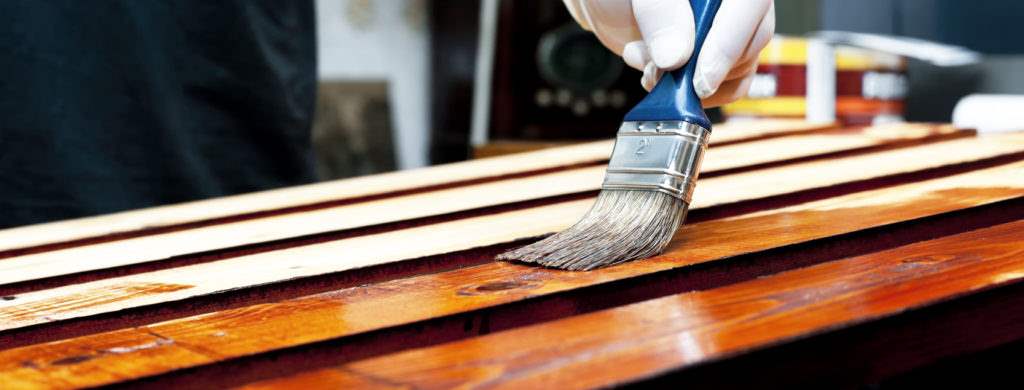
First, gather all the necessary tools and materialsfor the job. You will need a paintbrushor roller, a clean cloth, and a bucket. Also, have some sandpaperready to smooth the wood. Don’t forget the Thompson Water Seal. All these items help you do a good job.
Begin by cleaning the wood surface. Use the cloth to wipe away dust. Next, sand the wood until it feels smooth. Pour the water seal into the bucket. Dip the brush or roller into the seal. Apply the seal evenly on the wood. Make sure to cover all areas well. Let the first coat dry fully. Apply a second coat if needed. Wait for it to dry before using the wood.
Common Mistakes To Avoid
Applying Thompson Water Seal directly over stained wood can cause issues. The sealant may not adhere properly, leading to uneven protection. Always test a small area first to ensure compatibility and effectiveness.
Incorrect Timing
Applying Thompson Water Sealtoo soon can cause issues. The wood must be dry. Stained wood takes time to dry completely. If the seal is applied early, it may not stick well. This can lead to peeling or uneven surfaces. Always check the dryness of the wood before sealing.
Overapplication Issues
Using too much seal can be harmful. The seal should be applied in thin layers. Thick coats can lead to a sticky finish. It may also cause the wood to look dull. Excess seal can trap moisture, leading to damage. Less is often better for a smooth finish.
Expert Tips For Best Results
Choose a sealant that works well with wood stains. Some sealants can change the color of the stain. Ensure the sealant is compatible with your stain type. Always test the sealant on a small area first. Water-based sealants are usually safe for stained wood. Oil-based sealants might be better for outdoor wood. Read the product label carefully before buying. Proper selection avoids problems later.
Regular care keeps wood looking great. Check for damage every few months. Clean the wood gently to avoid scratching. Use a soft cloth or brush. Reapply sealant if needed. It protects the wood from water and sun. Sealant helps prevent cracks and fading. Store extra sealant for future use. Follow the instructions for best results. Proper maintenance extends wood life.
Benefits Of Sealing Stained Wood
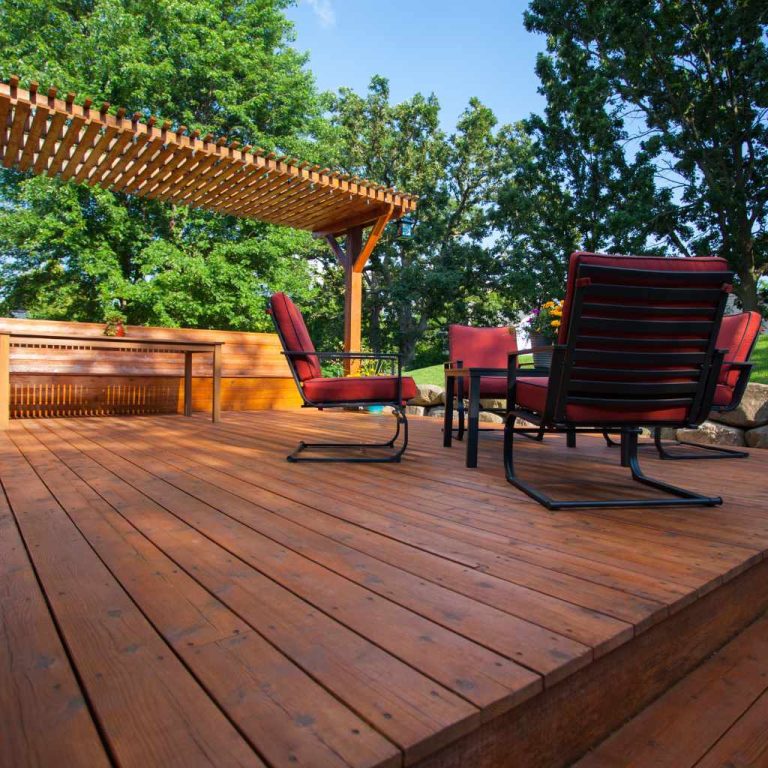
Sealing stained wood makes it last longer. The sealant acts as a shield. It protects the wood from water and sun damage. Without a seal, wood can crack or warp. A good seal keeps wood strong and safe. This means fewer repairs and replacements. Save time and money.
A sealant can make wood look better. It gives wood a shiny finish. This shine makes colors brighter and richer. Even old wood can look new again. Sealing also stops stains from fading. This keeps the wood looking fresh and clean.
Credit: www.targetcoatings.com
Frequently Asked Questions
Can You Use Thompson’s Water Seal Over Stains?
Thompson’s Water Seal can be applied over stains, but it’s best to test a small area first. Ensure the stain is completely dry before sealing. Compatibility with different stains varies, so checking the manufacturer’s guidelines is recommended for optimal results.
Always follow product instructions for safe application.
What Do You Use To Seal Wood After You Stain It?
Use polyurethane or varnish to seal wood after staining. These products protect and enhance the wood’s finish. Apply with a brush or cloth for best results. Ensure the stain is dry before sealing for optimal adhesion. Choose water-based or oil-based sealers based on your project needs.
Can Ready Seal Be Applied Over Stains?
Ready Seal cannot be applied over existing stains. It needs a clean, bare surface for proper adhesion. Remove old stains before application to ensure optimal results. Ready Seal works best on wood free from previous coatings or treatments.
How Long Does A Thompson Water Seal Last?
Thompson’s Water Seal typically lasts 1 to 3 years. Durability depends on weather conditions and application. Regular maintenance can extend its lifespan. Always check the surface for signs of wear and reapply as needed. For optimal results, follow the manufacturer’s instructions.
Conclusion
Choosing to seal stained wood with Thompson Water Seal can be effective. Ensure the stain is fully dry first. This helps the seal adhere properly. Test a small area before applying to all. This prevents any unexpected reactions. Properly sealed wood lasts longer and looks better.
Regular maintenance keeps your wood protected. Enjoy your beautifully sealed and stained wood!