How Long Does Texture Take to Dry Before Painting? (By Type)
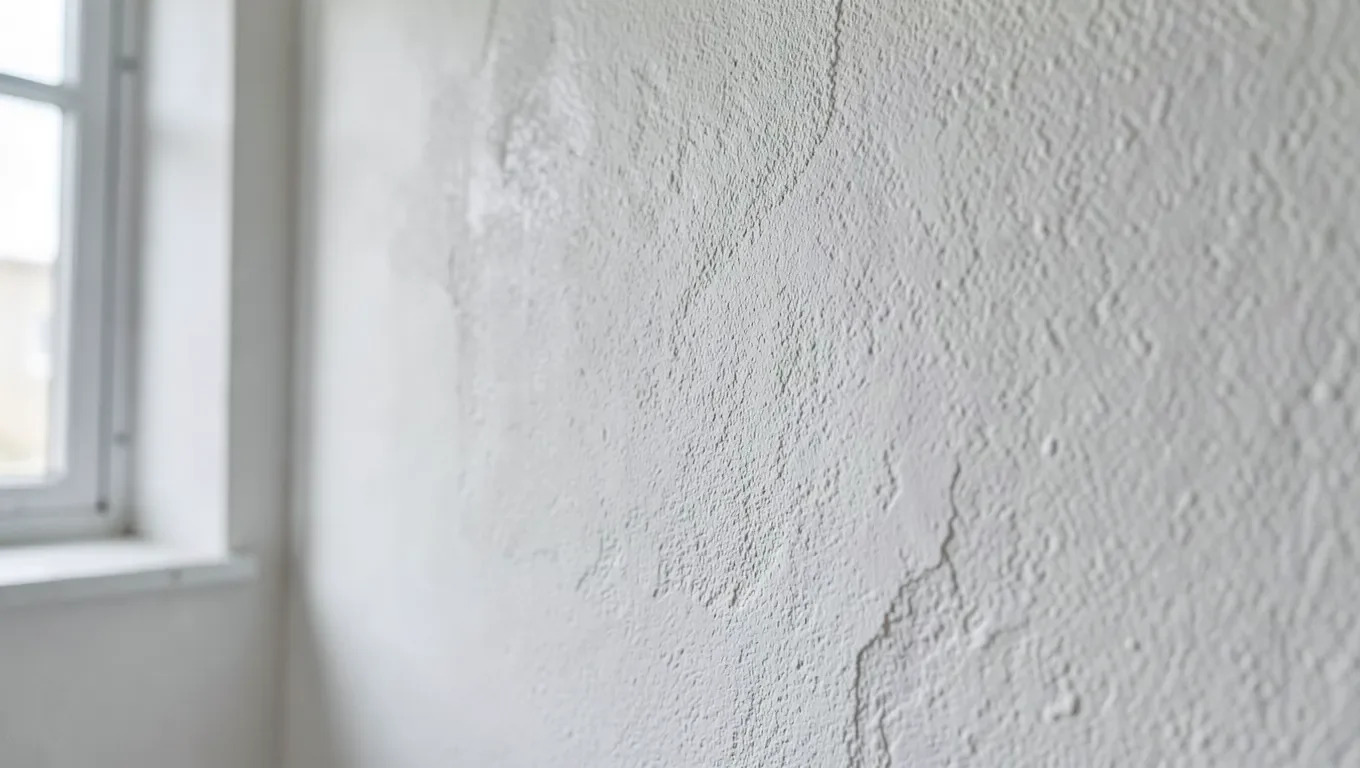
Texture doesn’t dry on a fixed schedule. A thin coat of drywall mud in a dry, well-ventilated room can be ready to prime in as little as 16-18 hours, while a thick knockdown texture in a humid bathroom can still be damp underneath after 48-72 hours. Painting before it’s actually dry – not just dry to the touch – is one of the most common causes of peeling, bubbling paint, and even mold growing behind the paint film weeks later. Here’s what really controls dry time, and how to check a wall is ready before you pick up a roller.
Texture Drying Times by Type
Best Way To Check If Texture Is Actually Dry
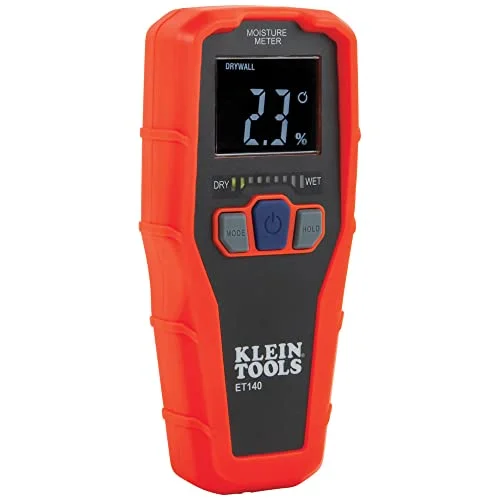 |
Klein Tools ET140 Pinless Moisture Meter – $49.97 Gives you a real reading instead of a guess before priming over fresh texture.
|
Every texture material dries at its own pace, and the “24 hours” number printed on most packaging is a starting point, not a guarantee. Here’s what’s typical for each type under moderate conditions – roughly 70°F, average humidity, and some airflow in the room:
- Joint compound / drywall mud: 16-24 hours for a thin, feathered coat. A heavier hand-applied texture or a second coat can push that to 48 hours or more before it’s safe to prime. See our guide on priming over joint compound for why skipping primer here causes its own problems.
- Spray texture (orange peel, splatter): Surface-dry within a few hours, but fully cured all the way through – which is what actually matters for paint adhesion – usually takes 24-48 hours.
- Knockdown texture: Applied thicker and then flattened, so plan on 24-48 hours minimum, longer in humid climates.
- Plaster (traditional or veneer): The slowest of the group. 48-72 hours is typical, and some plaster products want a full week before their first coat of paint.
- Pre-mixed texture paint: The fastest option, often 2-6 hours to dry to the touch, though it should still cure a full 24 hours before a second coat or topcoat goes on.
Those numbers assume a single, moderate-thickness coat. Add time for anything applied heavier than the manufacturer’s stated coverage rate, and add more again if the room runs humid.
The Three Factors That Actually Change Drying Time
Manufacturer drying charts are written for a lab-controlled room at roughly 70°F and 50% humidity with some air movement. Real jobsites rarely match that exactly, and three variables account for almost all the difference between the chart number and your actual dry time.
Humidity
Above roughly 60% relative humidity, water evaporates dramatically slower out of a wet compound. A texture that would dry in 24 hours at 40% humidity can easily take 48-60+ hours at 70-80% humidity. Bathrooms, basements, and any room run without HVAC during the job are the usual culprits.
Thickness
Drying happens from the surface inward. A coat can look and feel dry within hours while still holding moisture at its base if it was applied heavier than the can recommends. This is the single most common reason texture looks dry but isn’t: the surface crust forms first and can trap moisture underneath it, invisible until you cut into it or seal it with paint.
Ventilation And Airflow
Moving air continuously replaces the humid layer sitting right against the wall with drier room air, which is why a box fan pointed at a freshly textured wall can meaningfully cut drying time. A closed room with no airflow is the slowest of the three scenarios, even when the ambient humidity reading itself isn’t especially high.
Why Painting Too Soon Causes More Than A Bad Finish
A flat “wait 24 hours” rule skips the real risk. Sealing paint over texture that’s still holding moisture doesn’t just risk a rougher-looking finish – it traps that moisture between two skins: the texture underneath and the paint film on top. With nowhere to go, that trapped moisture can show up over the following weeks as peeling or bubbling paint, a soft or discolored patch, or, in worse cases, mold growing behind the paint that you won’t notice until it’s already spread. This is especially common in rooms with limited airflow – bathrooms, closets, below-grade rooms – where texture applied thicker than usual dries slower than the surrounding wall while looking visually identical.
How To Tell Texture Is Actually Dry (Not Just 24 Hours Old)
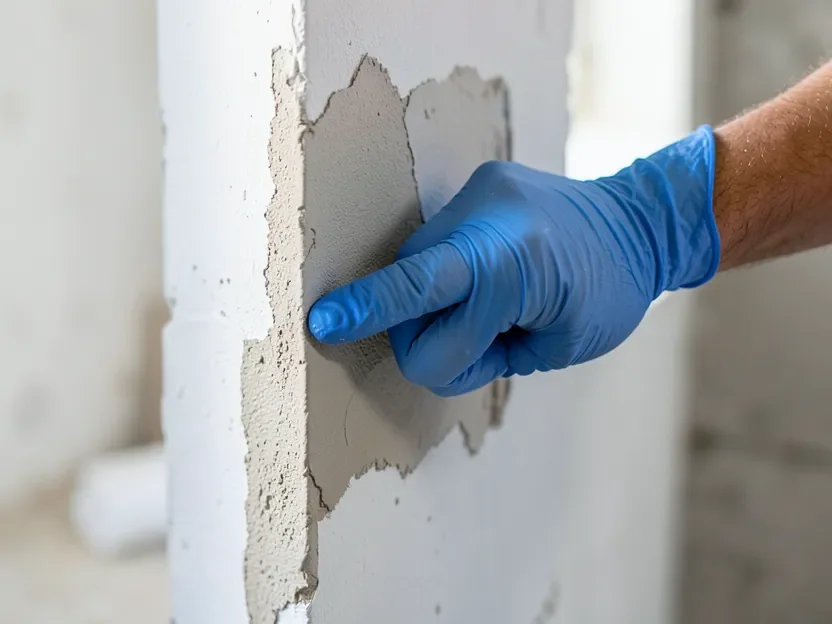
The clock is a guideline, not a verdict. Before priming, check the wall itself with three tests:
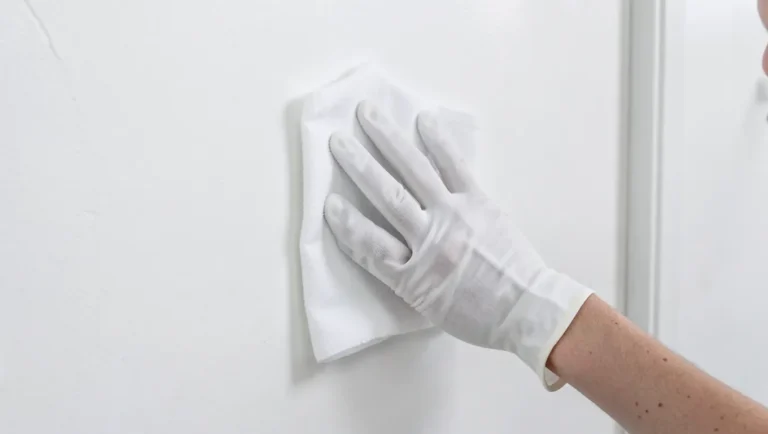
- Color test: Dry texture is a uniform light, pale color across the entire surface. Any patch that looks darker, slightly shiny, or damp-toned compared to the rest of the wall is still holding moisture, even if the surrounding texture feels bone dry. This is the fastest visual check, and the one most guides skip in favor of a flat time estimate.
- Touch test: Press a bare finger gently into an inconspicuous area. Dry texture feels hard and slightly cool with zero give. If your finger leaves an impression, the surface feels tacky, or it feels soft or spongy, it needs more time – don’t paint yet.
- Moisture meter reading: For a number instead of a guess, a pinless moisture meter held against the wall gives a direct reading without damaging the texture. Most drywall compounds should read close to the meter’s dry baseline before you prime; a meaningfully wet reading means waiting longer, even if the calendar says 24-plus hours have already passed.
How To Speed Up Drying Without Cutting Corners
If you’re on a schedule, you can shorten dry time safely – but only by improving the three factors above, not by rushing the paint step itself.
- Run a dehumidifier in the room, especially in humid climates or in bathrooms and basements.
- Point one or two fans across the wall to keep air moving over the surface – avoid blasting a fan directly on texture immediately after application, which can cause it to dry unevenly.
- Raise the room temperature modestly, since a warmer room speeds evaporation. Avoid space heaters aimed directly at the wall – that dries the surface faster than the moisture underneath can escape and can cause surface cracking.
- Crack a window or run an exhaust fan if the space allows, to keep humid air from building up in the room while the texture dries.
Common Mistakes To Avoid
- Trusting the 24-hour number without checking thickness or humidity – it’s an average, not a guarantee for your specific room.
- Painting because the texture “feels dry” at the thinnest spot without checking a thicker, less-visible area of the wall – drying is uneven, and the thinnest spot always feels done first.
- Skipping primer – unprimed texture, especially joint compound, absorbs paint unevenly, which can look like a dryness problem even on a wall that’s fully cured.
- Running a space heater directly on the wall to rush drying – this dries the surface layer fast while trapping moisture beneath it, which is the opposite of what you want.
Frequently Asked Questions
How Long Should I Wait To Paint After Texture?
For a typical thin-to-medium coat of joint compound or spray texture in a moderately dry, ventilated room, 24 hours is a reasonable minimum. Check the texture with a touch test and, ideally, a moisture meter rather than trusting the clock alone, especially if the coat was applied thick or the room runs humid.
How Can You Tell If Wall Texture Is Dry?
Dry texture is a uniform light, pale color with no darker or shiny patches, feels hard and slightly cool with zero give when pressed, and reads near the dry baseline on a pinless moisture meter. If any of those three checks fails, wait longer before priming.
What Happens If You Paint Over Texture Too Soon?
Paint applied over texture that’s still damp traps moisture between the texture and the paint film. That trapped moisture commonly causes peeling or bubbling paint within weeks, and in poorly ventilated rooms it can lead to mold growing behind the paint that isn’t visible until it has already spread.
Does Humidity Really Change Texture Drying Time That Much?
Yes. Above roughly 60% relative humidity, a texture coat that would dry in 24 hours at lower humidity can take 48 hours or more, because water evaporates far more slowly from a wet compound in humid air. Running a dehumidifier or a fan in the room is the fastest legitimate way to close that gap.
Conclusion
Texture drying time isn’t a single number – it’s a range shaped by how thick it was applied, how humid the room is, and how much air is moving across the wall. Use the type-by-type estimates above as a starting point, but confirm the wall is actually ready with a color check, a touch test, and ideally a moisture meter reading before you prime. The extra few minutes of checking is far cheaper than repainting a wall that bubbled because it went on too soon.
Sponsored / affiliate links. As an Amazon Associate I earn from qualifying purchases. I may earn additional commission from eligible campaigns.