Can You Smoke With Cedar Wood Safely?
No – burning cedar wood in a smoker or on hot coals is not considered safe for smoking food. Cedar’s high resin content produces thick, bitter smoke and unburnt pitch residue that coats food with a harsh, chemical taste, and some cedar species contain compounds that are a concern when inhaled in quantity. There’s one popular exception: cooking on a soaked cedar plank, where the wood smolders gently under the food instead of being burned directly – that’s where the confusion between “smoking with cedar” and “cedar plank grilling” usually comes from, and this guide covers both.
Why Cedar Isn’t Recommended For Smoking
A Safe Hardwood For Real Smoke Flavor
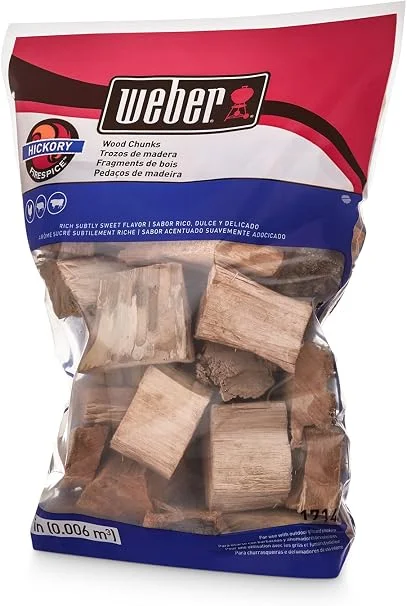 |
Weber Hickory Wood Chunks, 4 lb A low-resin hardwood that gives real smoke flavor without cedar’s bitterness or resin-smoke risk.
|
Cedar is a softwood with a much higher resin and oil content than hardwoods like hickory or oak. When resinous wood burns, it doesn’t combust as completely – a portion turns into unburnt carbon and sticky pitch that rides along in the smoke and settles onto whatever is cooking. That residue is what gives cedar-smoked food its reported bitter, almost chemical aftertaste, the same reason chimney sweeps warn about creosote buildup from burning resinous wood indoors.
Some cedar species add a second concern on top of the resin issue: Eastern Red Cedar, for example, contains a compound called thujone, which is a concern in concentrated amounts. Combined with the acrid smoke, this is why BBQ guides and smoking forums consistently list cedar alongside pine, spruce, and other softwoods as woods to avoid in a smoker, sticking instead to hardwoods that burn cleaner.
Cedar Planks: The Safe Way To Cook With Cedar
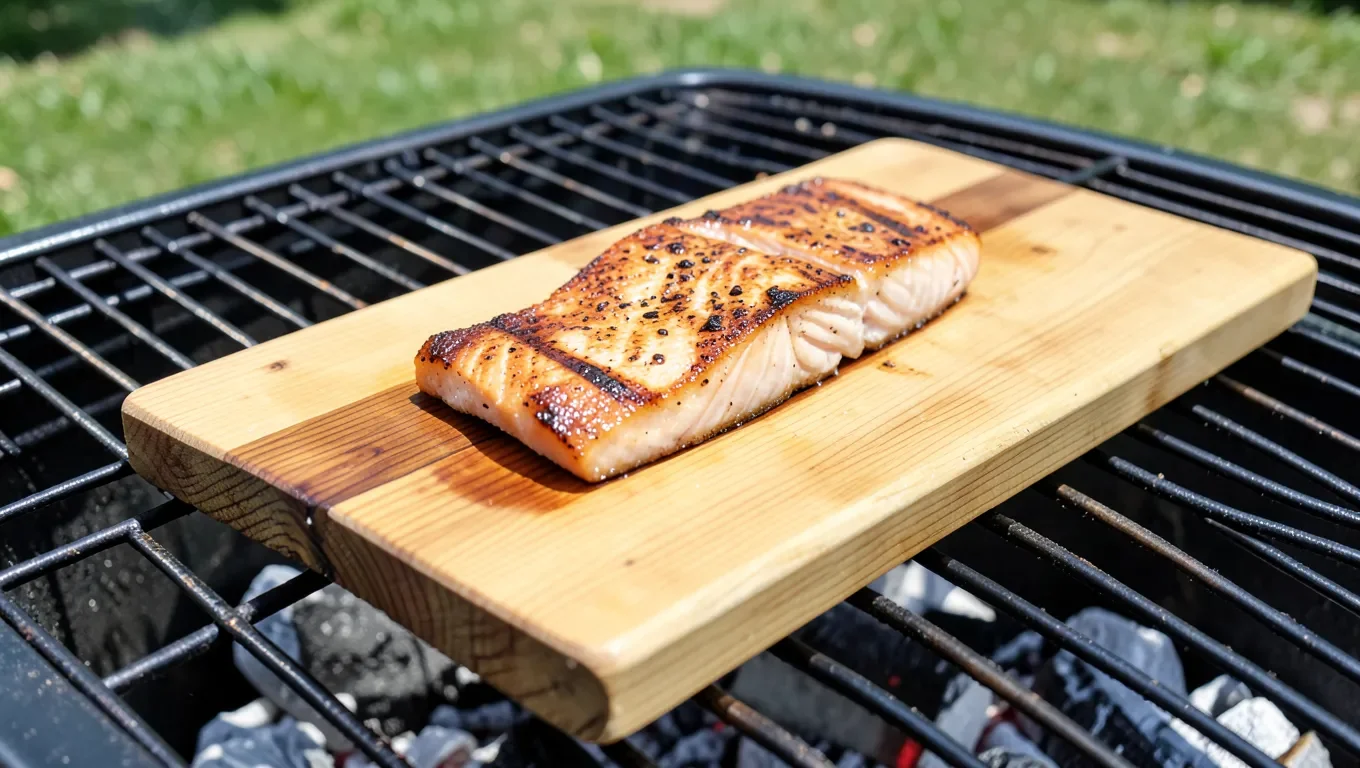
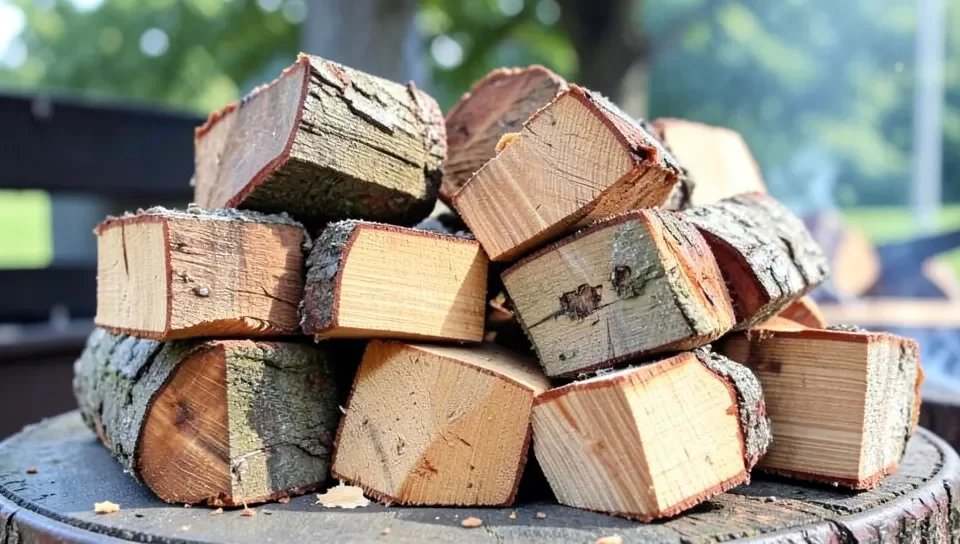
The technique most people actually mean when they ask about cooking with cedar is plank grilling, not smoking. A cedar plank is soaked in water for at least an hour, then placed directly on a hot grill grate. The food – salmon is the classic choice, but chicken and vegetables work too – sits on top of the plank rather than over open flame or in a smoker’s firebox. The wet wood smolders gently underneath, releasing a mild cedar aroma into the food through steam and light smoke rather than the direct, heavy combustion that happens when cedar chunks are burned as fuel.
Because the plank is soaked and never fully combusts, it doesn’t produce the same resin-heavy smoke or bitter residue that burning dry cedar chips does. This is why cedar planks are widely sold and used at grocery stores and hardware stores specifically for grilling, while cedar chunks are not marketed as a smoking wood the way hickory or oak chunks are.
Safe Hardwood Alternatives For Actual Smoking
If you want real smoke flavor rather than the plank-grilling method, reach for a hardwood instead of cedar. Each has a distinct flavor profile, so the right choice depends on what you’re cooking:
| Wood | Flavor | Best For |
|---|---|---|
| Hickory | Strong, bacon-like | Ribs, pork shoulder |
| Oak | Medium-strength, smoky | Brisket, beef |
| Apple | Sweet, mild, fruity | Pork, poultry |
| Cherry | Sweet, slightly fruity | Pork, poultry |
| Mesquite | Strong, earthy, burns hot | Beef, quick grilling |
Mixing woods is common practice – a strong wood like hickory paired with a milder one like apple gives a more balanced flavor than using either alone. Start with a small amount of any new wood, since it’s easy to add more smoke but impossible to take it back out once the food has absorbed it.
How Much Wood To Use In A Smoke
More wood doesn’t mean more flavor once you pass a certain point – it just means a heavier, more acrid smoke that can turn food bitter regardless of which hardwood you’re using. For a typical charcoal or electric smoker session running several hours, 3 to 4 fist-sized chunks spread across the cook is a reasonable starting point for a stronger wood like hickory or oak, and you can go slightly heavier, 4 to 6 chunks, with a milder wood like apple or cherry since it imparts less flavor per chunk.
Most of the smoke flavor a piece of meat will absorb happens in the first hour or two, while the surface is still cool and the meat’s own moisture is drawing smoke particles in – adding wood steadily for the entire cook wastes wood without meaningfully increasing flavor. Add fresh chunks every 45 minutes to an hour for the first half of the cook, then let the fire burn clean for the remainder so the meat finishes with heat rather than more smoke.
Buying And Storing Smoking Wood Safely
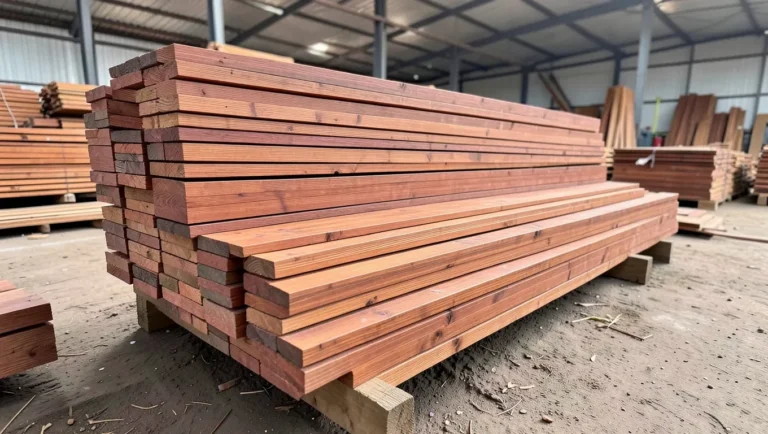
Whichever hardwood you choose, buy it labeled specifically for smoking or grilling rather than construction offcuts. Wood sold for building projects is sometimes treated, stained, or painted, and burning any of that releases chemicals that have no place near food. Properly seasoned (dried) wood also burns cleaner and produces less of the thick, acrid smoke associated with green or wet wood, regardless of species.
You can check whether wood is properly seasoned without any special tools. Seasoned chunks are noticeably lighter than green wood of the same size, since most of the internal moisture has evaporated. The ends typically show small radial cracks called checking, the bark separates easily or has already fallen off, and two pieces knocked together produce a sharp, hollow crack rather than a dull thud. Green wood feels heavy for its size, the bark clings tightly, and it hisses or sizzles on the fire instead of burning cleanly – that hissing is escaping moisture, and it’s a sign the wood needs more drying time before it belongs anywhere near food.
Store smoking wood off the ground, under cover, and with some airflow around it – a stack against a garage wall with a tarp over just the top works better than a sealed plastic bin, which traps residual moisture and encourages mold. Wood that develops a musty smell or visible mold should be discarded rather than used, since burning moldy wood can introduce its own off-flavors and airborne spores into the cooking area.
Frequently Asked Questions
Is Cedar Wood Safe To Burn For Smoking Meat?
No. Burning cedar as a smoking wood is not recommended by BBQ and food-safety sources – its high resin content creates thick, acrid smoke that leaves behind unburnt pitch and carbon on the food, giving it a bitter, chemical taste. Some cedar species, including Eastern Red Cedar, also contain thujone, a compound that’s a concern when inhaled or ingested in quantity. Stick to hardwoods like hickory, oak, apple, or cherry for actual smoking.
Can I Use A Cedar Plank Instead?
Yes, and this is the popular, genuinely safe way to cook with cedar. A cedar plank is soaked in water, placed on a hot grill, and food (most commonly salmon) is set directly on top of the plank rather than in the smoke itself. The wood smolders gently underneath and infuses the food with a mild cedar aroma without the resinous smoke and soot that come from actually burning cedar chips or chunks in a smoker.
Why Does Burning Cedar Taste Bitter?
Cedar’s high resin and oil content doesn’t combust as cleanly as hardwood. Instead of burning fully, much of it turns into unburnt carbon and sticky pitch residue that coats the food’s surface, similar to creosote buildup in a chimney. That residue reacts with the proteins on the food’s surface and is what produces the harsh, bitter, chemical taste people report after smoking with cedar.
What Are The Best Alternatives To Cedar For Smoking?
Hickory, oak, apple, and cherry are the standard hardwood choices, each with a different flavor profile – hickory and oak for a strong, classic smoky taste on red meat and ribs, apple and cherry for a milder, sweeter flavor that suits pork and poultry. All four are low in resin compared to cedar and burn cleanly enough for direct food smoking.
Conclusion
Don’t burn cedar chips or chunks as smoking fuel – the resin content produces bitter, acrid smoke and residue that isn’t worth the risk when clean-burning hardwoods are readily available. If you want the aroma of cedar with your food, a soaked cedar plank on the grill is the established, genuinely safe way to get it. For everything else, hickory, oak, apple, and cherry cover the full range of smoke flavors safely.
Sponsored / affiliate links. As an Amazon Associate I earn from qualifying purchases. I may earn additional commission from eligible campaigns.