Can You Stain Mahogany Wood Black? Yes, Here’s the Real Method
Yes, mahogany takes a black finish better than most woods. Its tight, fine grain and natural tannins make it one of the better candidates for a deep, even black – whether you use a black gel stain, a dye stain, or true ebonizing.
Open-pore woods like oak or ash can look blotchy or streaky under a straight black pigment stain because the color pools unevenly in the large pores. Mahogany doesn’t have that problem nearly as often – its grain is close and mostly straight, so pigment and dye both lay down more consistently. That’s why ebonized mahogany shows up so often in traditional furniture and instrument work: the wood cooperates with the finish instead of fighting it.
Why Mahogany Takes Black Stain Well
Two things about mahogany matter here. First, the grain: it’s tight and usually straight (some boards have a bit of interlocking grain that produces ribbon figure, but the pores themselves are small and evenly distributed). Second, mahogany contains natural tannins – the same compounds that let true ebonizing chemistry work. Woods with little or no tannin, like maple or pine, don’t react the same way to an iron-acetate ebonizing solution and usually need a tannin pre-treatment first. Mahogany often doesn’t.
Best Black Stain For Even Coverage On Mahogany
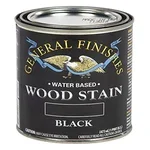 |
General Finishes Water Based Wood Stain, Black – $35.95 A true dye-based black that soaks evenly into mahogany’s tight grain instead of sitting on top, which is exactly what avoids the blotchy look a straight pigment stain can leave.
|
Gel Stain, Dye Stain, or True Ebonizing: Which One?
There are three real routes to black mahogany, and they don’t give the same look:
- Black gel stain sits more on the surface instead of soaking in, so it’s forgiving and hard to blotch. It builds color gradually, coat by coat, and stays closer to a solid black with less grain showing through.
- Black dye stain (like the water-based stain above) dissolves fully and penetrates the wood fibers evenly, regardless of grain texture. On mahogany specifically, this usually gives the most uniform, saturated black of the three.
- True ebonizing is a chemical reaction, not a coating – see the section below. It leaves the most grain visible, because it’s reacting with the tannins already in the wood rather than adding pigment on top.
A straight pigmented stain (the kind sold as an oil-based “wood stain” without gel or dye in the name) is the one to be most careful with on mahogany. It’s not that it fails outright, but on tight-grain wood, pigment particles need pores to lodge in, and mahogany doesn’t offer many. The result can look thinner or more uneven than gel or dye. If you already have a pigment stain on hand, a pre-stain conditioner and multiple thin coats will still get you a usable result – just expect gel or dye to be more forgiving.
Preparing Mahogany Before You Stain It Black
Surface prep matters more than the stain choice for how even the final color looks.
- Sand progressively through 120, 150, and 220 grit. Stop at 220 – going finer can burnish the surface and make it resist stain absorption.
- Vacuum and wipe down with a tack cloth or a rag dampened with mineral spirits to pull sanding dust out of the grain.
- If you’re using a pigment or dye stain (not ebonizing), a pre-stain wood conditioner helps, though mahogany needs it less than blotch-prone woods like pine or cherry.
- Test on an offcut or a hidden edge first. Black shows every prep flaw more than lighter colors do.
Staining Mahogany Black With Gel or Dye Stain
Once the surface is prepped, the application itself is straightforward:
- Apply the stain with a foam brush, rag, or pad applicator, working with the grain in manageable sections so you’re not fighting a stain that’s already starting to set up.
- For gel stain, wipe off the excess after a few minutes with a clean cloth, the same way you would with a regular oil stain. For dye stain, you generally leave it to dry rather than wiping it back.
- Let the coat dry fully – check the can’s recoat time, since water-based dye and gel stains dry faster than oil-based pigment stains.
- Knock back any raised grain with a light pass of 320-grit sandpaper before the next coat. Water-based stains raise the grain slightly; this step is what keeps the surface from feeling rough once it’s finished.
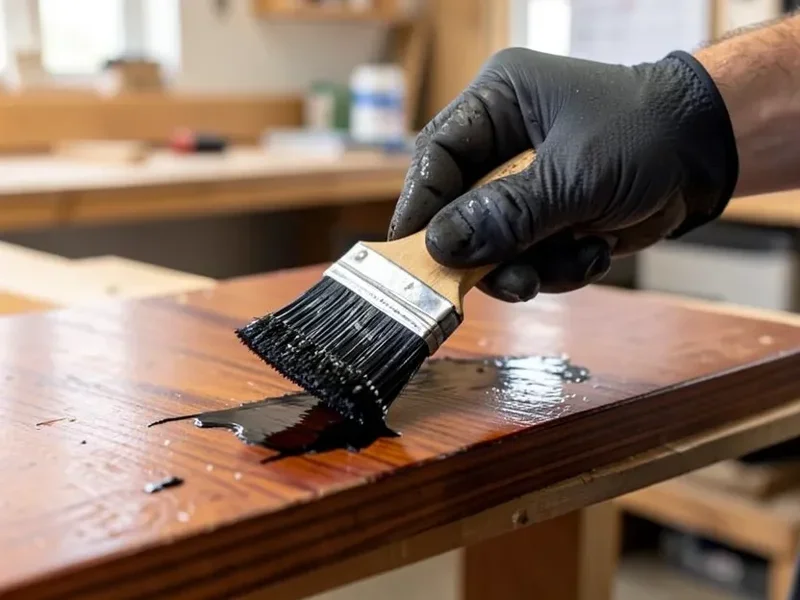
True Ebonizing: Iron Acetate and Mahogany’s Natural Tannin
Ebonizing is a genuinely different process from staining – it’s a chemical reaction, not a pigment sitting in or on the wood. The classic version:
- Drop fine (0000) steel wool into white vinegar and let it sit, loosely covered, for a few days to about two weeks. The vinegar dissolves the iron, turning into an iron acetate solution.
- Strain out any remaining steel wool fragments and wipe the solution onto bare, sanded mahogany with a rag or brush.
- The iron acetate reacts with the tannins already in the mahogany and turns the surface black or near-black within minutes, no pigment involved.
Because mahogany has decent natural tannin content, it usually reacts well on its own. If a board reacts unevenly or comes out more gray-brown than black (this happens more on sapwood or lower-tannin boards), a pre-treatment of strong black tea or a diluted tannic acid solution, wiped on and dried before the iron acetate goes on, boosts the reaction and deepens the black. This two-step approach (tannin pre-treatment, then iron acetate) is the traditional fix cabinetmakers have used for exactly this problem for a long time.
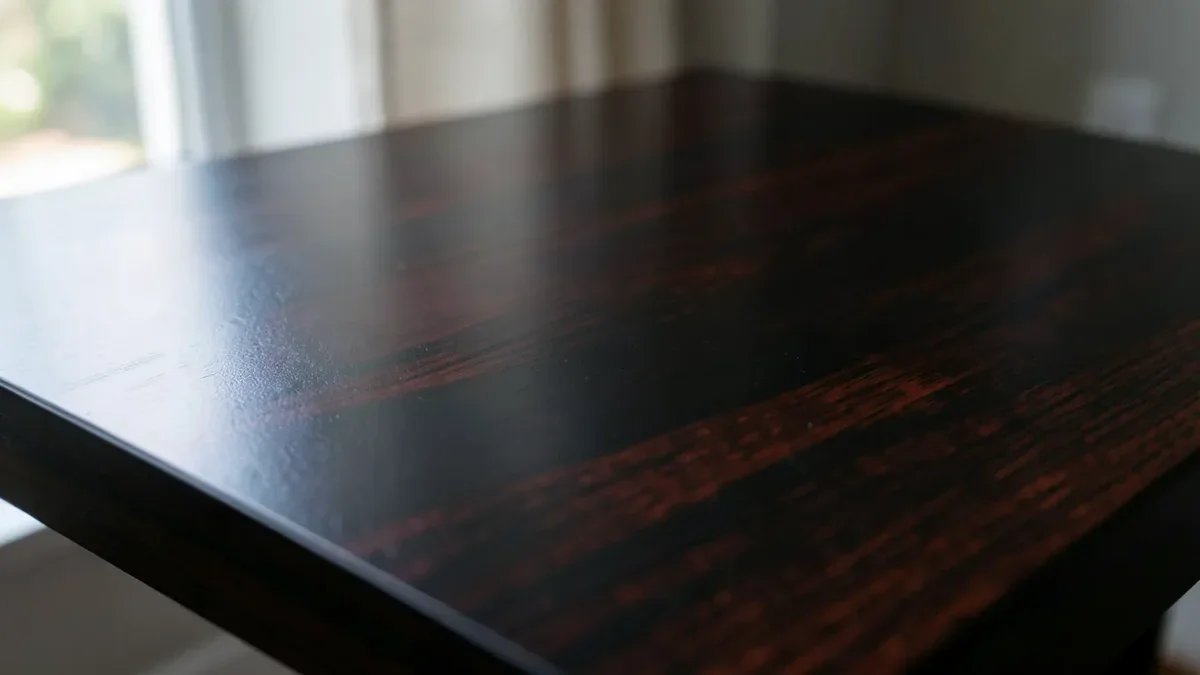
Ebonizing generally leaves more of the actual wood grain and figure visible than a solid pigment stain, since it’s darkening the wood itself rather than laying color over it. That’s part of why it’s a popular choice specifically for a premium, figured wood like mahogany instead of a plainer species – it can turn the piece black while the grain still reads through, closer to how real ebony looks.
Building Real Depth: Thin Coats Beat One Heavy Coat
Whichever method you use, one heavy application is the most common way to end up with a flat, plasticky-looking black instead of a rich one. Multiple thin coats, sanded lightly between each with 320 or 400 grit, build up color gradually and let each layer bond to the last instead of pooling on the surface. Most gel or dye stain jobs on mahogany look best after two to three coats; ebonizing can sometimes need a second application of iron acetate if the first pass came out patchy, especially on sapwood streaks with less tannin. Go slow and check the color between coats rather than guessing at how many you’ll need up front.
Protecting a Black Mahogany Finish
Stain and ebonizing solutions don’t protect the wood on their own – both need a clear topcoat once they’re fully dry. The topcoat choice will shift the final look slightly:
- Oil-based polyurethane ambers slightly as it cures, which can warm a pure black toward a softer near-black over time. It’s also the most durable option for a high-use surface.
- Water-based polyurethane stays clear, keeping the black closer to true black. It’s a common pairing with a water-based dye stain for that reason.
- Paste wax gives a low, soft sheen and is easy to renew, but it’s the least durable of the three and isn’t a good match for a tabletop or anything that sees regular wear.
Whatever you choose, apply it after the stain or ebonizing solution is completely dry – not just dry to the touch – and give it at least the recoat window on the can before handling the piece normally.
Frequently Asked Questions
Can mahogany wood be stained black?
Yes. Mahogany’s tight, mostly straight grain takes black gel stain or black dye stain more evenly than open-pore woods do, and its natural tannin content also makes it a good candidate for true iron-acetate ebonizing.
What’s the difference between black stain and ebonizing on mahogany?
Black gel or dye stain adds pigment or dissolved color to the wood. Ebonizing is a chemical reaction between an iron acetate solution and the wood’s own tannins that turns the surface black without adding any pigment, which usually leaves more of the natural grain visible.
How many coats of black stain does mahogany need?
Two to three thin coats, sanded lightly with 320 or 400 grit between each, generally give a deeper, more even black than one heavy coat. Check the color after each coat instead of committing to a set number up front.
Do I need a topcoat over black-stained or ebonized mahogany?
Yes. Both stain and ebonizing solutions are color only – they don’t protect the surface. A water-based polyurethane keeps the black true, an oil-based polyurethane adds durability but warms the tone slightly, and paste wax gives a soft sheen but wears faster.
Bottom Line
Mahogany is one of the more forgiving woods to take black, thanks to its tight grain and natural tannins. A black gel or dye stain will get you there reliably with standard staining technique; if you want the grain to read through the black the way real ebony does, true ebonizing with an iron acetate solution is worth the extra prep. Either way, build the color in thin coats and always finish with a clear topcoat to protect it.
For general mahogany staining (not just black), see how to stain mahogany wood. For the ebonizing process on other wood species, see how to ebonize wood. If black gel or dye stain isn’t giving you the tone you want, how to stain wood black covers troubleshooting for blotching and gray-out on other species.
Sponsored / affiliate links. As an Amazon Associate I earn from qualifying purchases. I may earn additional commission from eligible campaigns.