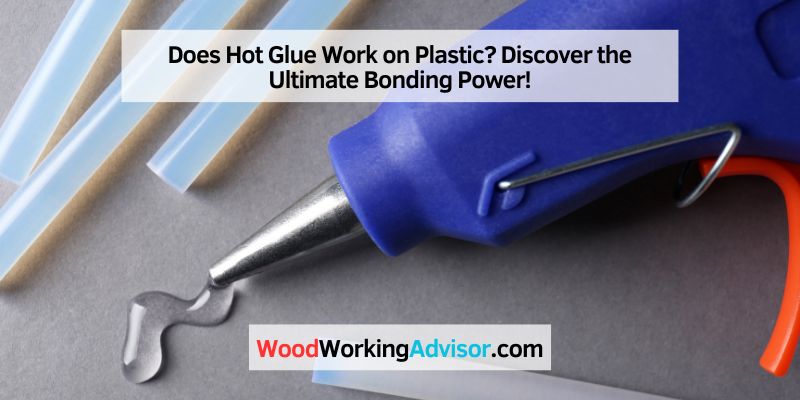
Does Hot Glue Work on Plastic? (Not on These 2 Types)
Hot glue bonds ABS, PVC, and acrylic plastic well, but slides right off polyethylene (PE) and polypropylene (PP) because of their low surface energy. Skipping surface prep or picking the wrong temperature setting is the #1 reason a “strong” hot glue joint pops loose within days. This guide covers exact glue-gun temperatures for plastic, which plastic types actually bond, and the step-by-step process for a joint that holds.
Why Hot Glue Bonds to Some Plastics and Not Others
Hot glue is a thermoplastic adhesive: it melts under heat and re-solidifies as it cools, gripping a surface through mechanical and molecular adhesion rather than chemical reaction. On plastics with a slightly textured or higher-energy surface — ABS, PVC, acrylic (PMMA), and polycarbonate — the cooling glue keys into microscopic surface irregularities and forms a genuinely strong bond.
Polyethylene and polypropylene are the exception. Both have very low surface energy, meaning liquids (including melted glue) can’t “wet” the surface enough to grip it. The glue cools into a solid film sitting on top of the plastic instead of bonding into it, so the joint peels away with light pressure — often within hours, not days.
Plastic Surface Prep That Actually Improves the Bond
- Wipe the surface with isopropyl alcohol to remove oils, dust, and mold-release residue — grease is the most common reason a “good” plastic still won’t hold glue.
- Lightly scuff glossy or molded surfaces with 220-grit sandpaper. This gives the glue physical texture to grip, which matters more on plastic than on wood.
- Let the surface dry fully before gluing — alcohol residue thins the glue’s grip on contact.
- Test on an unseen spot first if you don’t know the plastic type; some thin plastics warp under high heat before you ever get to the visible joint.
What Temperature Should Your Glue Gun Be for Plastic?
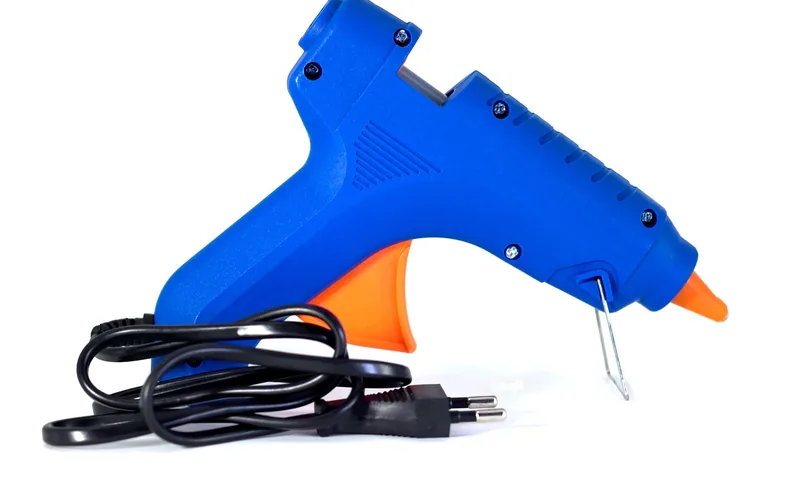
Hot glue guns run at one of two ranges, and picking the wrong one is the difference between a bond that holds and plastic that warps:
| Glue Gun Type | Temperature Range | Best For |
|---|---|---|
| Low-temperature | 170–250°F | Thin, heat-sensitive plastics (packaging clamshells, thin ABS trim, foam-backed plastic) |
| High-temperature | 350–410°F (typically ~380°F) | Thicker rigid plastics — PVC pipe fittings, acrylic sheet, polycarbonate housings |
If you’re not sure which your plastic needs, start on the low setting. A weak bond on the first try can be redone at high temp; a melted or warped part can’t be undone. See our guide to hot melt glue stick types if you’re also gluing wood in the same project, since stick formulas aren’t interchangeable across materials.
Which Plastics Hot Glue Actually Bonds Well
| Plastic Type | Hot Glue Bond | Notes |
|---|---|---|
| ABS | Strong | Common in toys, enclosures, 3D-printed parts |
| PVC | Strong | Pipe fittings, vinyl trim, PVC sheet |
| Acrylic (PMMA) | Strong | Test first — thin acrylic can craze under high heat |
| Polycarbonate | Moderate | Roughen surface first for best grip |
| Polyethylene (PE) | Poor | Milk jugs, poly bags, cutting boards — use epoxy or plastic cement instead |
| Polypropylene (PP) | Poor | Yogurt tubs, bottle caps — same low-surface-energy problem as PE |
If you don’t know what plastic you’re working with, run a fingernail scratch test: PE and PP feel waxy and scratch easily with a fingernail, while ABS and PVC feel harder and more rigid. When in doubt, a small hidden-spot test bead of glue tells you in under a minute whether it’s worth continuing.
Best Hot Glue Gun Pick for Plastic
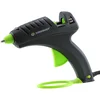
Surebonder DT-270F Dual Temperature Glue Gun
A switchable low/high temp gun means one tool handles both delicate and rigid plastics without buying two guns.
- Best for: Switching between thin/heat-sensitive and thick/rigid plastic in the same project
- Why we picked it: The dual-temp switch matches the exact 170–250°F / 350–410°F ranges covered in this guide
- Main drawback: Full-size body is bulkier than a mini gun for small crafts
Compare more plastic-bonding glue options
 Option 1 AdTech Crystal Clear Glue Sticks (170ct)
|
 Option 2 Gorilla Hot Glue Sticks (45ct, 4-Pack)
|
 Option 3 Surebonder DT-270FKIT Gun + 12 Sticks Kit
|
As an Amazon Associate we earn from qualifying purchases.
How to Glue Plastic With a Hot Glue Gun (Step by Step)
- Identify the plastic: Check for a recycling code (1–7) stamped on the part. Codes 1 (PET), 3 (PVC), 6 (PS), and 7 (ABS/other) bond well; codes 2 and 5 (PE/PP) don’t.
- Clean and dry the surface: Wipe with isopropyl alcohol and let it fully evaporate.
- Test a hidden spot: Apply a small dot on an unseen area and check for melting or warping after 60 seconds.
- Set the right temperature: Use low-temp (170–250°F) for thin or delicate parts, high-temp (350–410°F) for thicker rigid plastic.
- Apply and press immediately: Hot glue starts setting within seconds, so position the parts before applying, not after.
- Hold firmly for 60 seconds: Keep steady pressure until the glue cools and grips — movement during this window is the most common cause of a weak bond.
- Let it fully cure before use: Hot glue reaches working strength almost immediately but keeps hardening for a few hours — wait before stress-testing the joint.
This is the same process that works for a quick repair like fixing a hot-glued cardboard box or reattaching a broken plastic toy part — the low-temperature setting is what keeps thin ABS from melting through during a fast repair.
Hot Glue vs. Epoxy vs. Super Glue for Plastic
| Adhesive | Bond Strength on Plastic | Best For |
|---|---|---|
| Hot Glue | Moderate, fast-setting | Quick repairs, crafts, temporary or low-stress joints |
| Epoxy | Very strong, permanent | Load-bearing or outdoor plastic repairs |
| Super Glue (CA) | Strong, brittle | Small precise joints, thin plastic, minimal gap-filling |
Hot glue wins on speed — you get a working bond in under a minute instead of waiting on a cure. But for anything load-bearing or exposed outdoors, cyanoacrylate super glue formulated for plastic or a two-part epoxy will outlast it. If your project also needs to bond dissimilar plastic and metal parts, check the adhesive’s rated flex tolerance first — hot glue’s flexibility is an advantage there since it won’t crack under vibration the way epoxy can.
Curious about the underlying chemistry? Our breakdown of how hot glue works covers the polymer science in more depth, and our guide to hot glue types compares formulas beyond just temperature rating.
“Gorilla Hot Glue bonds most plastics, but may not work well on certain difficult to bond plastics, such as polyethylene (PE) and polypropylene (PP)… Cure time will depend on the glue gun temperature and the size of the bond, as hot glue cures by cooling. Regardless, cure is typically very quick — within minutes.” — Gorilla Glue, official product FAQ
FAQ
What temperature should I use to glue plastic with a hot glue gun?
Use a low-temperature gun (170–250°F) for thin or heat-sensitive plastic, and a high-temperature gun (350–410°F, typically around 380°F) for thicker rigid plastics like PVC or acrylic. When unsure, start low — you can always reheat and rebond, but a melted part can’t be fixed.
Why doesn’t hot glue stick to some plastics?
Polyethylene and polypropylene have low surface energy, so melted glue can’t “wet” the surface enough to grip it molecularly. The glue cools into a film sitting on top of the plastic rather than bonding into it, which is why the joint peels away easily.
What is the best glue for plastic if hot glue doesn’t work?
For polyethylene, polypropylene, or any load-bearing plastic joint, a two-part epoxy or a plastic-specific cyanoacrylate (super glue) bonds more reliably than hot glue. Roughening the surface with sandpaper first improves adhesion for all three adhesive types.
Will hot glue peel off plastic over time?
On compatible plastics like ABS or PVC, a properly prepped hot glue joint holds well under normal handling but isn’t rated for continuous stress, heat, or moisture exposure. For a permanent or outdoor bond, switch to epoxy.
Can you fix a broken plastic toy with a hot glue gun?
Yes, for ABS toys (the most common toy plastic), clean the broken edges, test a low-temp dot on a hidden spot, then apply glue and hold the pieces together firmly for about 60 seconds until it cools. It’s a fast fix, though not as durable as an epoxy repair for parts that see rough play.
Hot glue is a genuinely fast, effective way to bond ABS, PVC, and acrylic plastic — as long as you match the glue gun’s temperature to the plastic and prep the surface first. Skip it for polyethylene and polypropylene, where an epoxy or plastic-specific super glue will actually hold.