Can You Use a Wood Lathe to Turn Metal? Expert Tips & Tricks
A wood lathe is not suitable for turning metal. Using a wood lathe for metal can damage the machine and produce unsafe results.
Wood lathes and metal lathes serve different purposes and are designed for specific materials. A wood lathe operates at lower speeds and lacks the necessary rigidity for metalwork. Metal turning requires higher RPMs and precise tooling to achieve the desired finish.
Attempting to turn metal on a wood lathe can lead to tool breakage and unsafe conditions. For anyone interested in metalworking, investing in a quality metal lathe is essential. This ensures safety and the best results for your projects. Understanding the differences between these machines can help you choose the right tools for your craftsmanship needs.
Introduction To Wood Lathes And Metal Turning
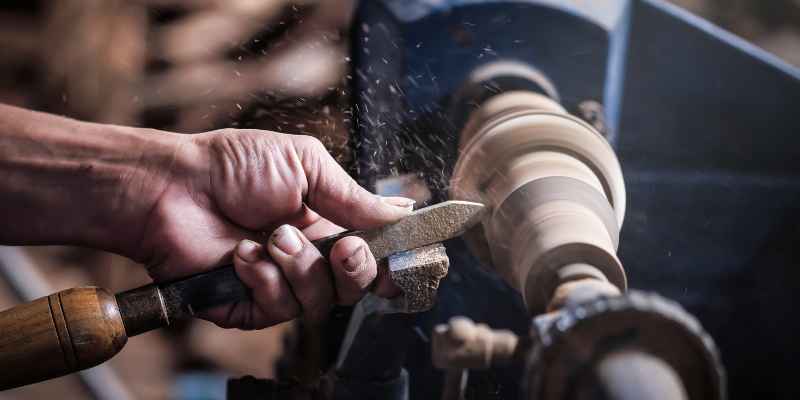
Wood lathes and metal lathes serve different purposes. Wood lathes are designed for wood, while metal lathes are made for metal. The two types have different speeds, tools, and materials.
Wood lathes operate at lower speeds, making them ideal for softer materials. Metal lathes require higher speeds and tougher tools. Metal turning also needs more precise measurements and cutting techniques.
Using a wood lathe for metalwork is possible but not recommended. Wood lathes may not handle the hardness of metal well. This can lead to tool damage and unsafe situations.
For those who want to try, start with softer metals like aluminum. Always ensure proper safety gear is worn. The right tools will give better results.
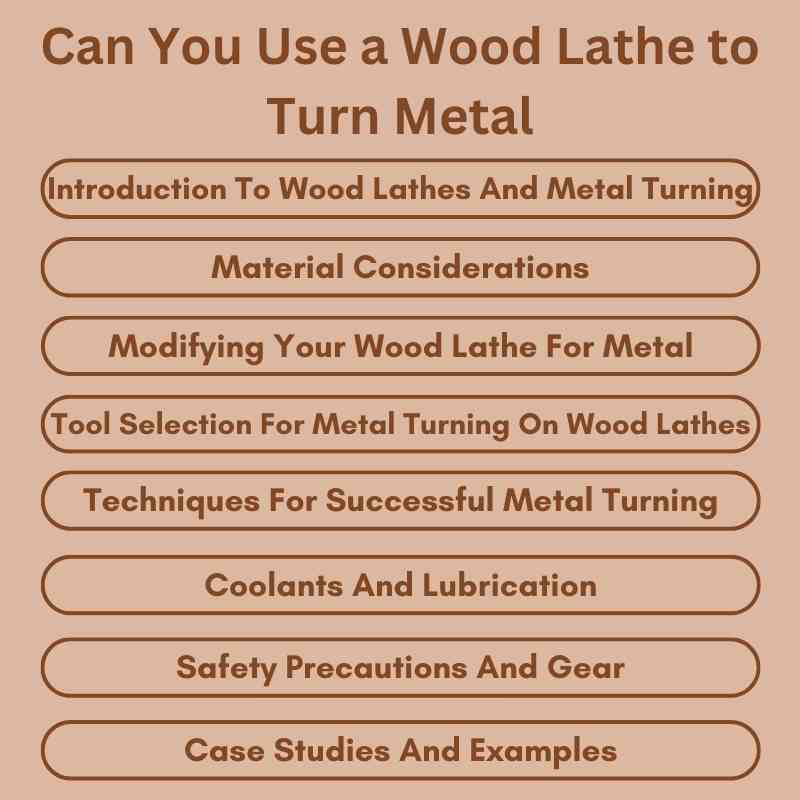
Material Considerations
The properties of wood and metal differ greatly. Wood is soft, lightweight, and easy to shape. It can be sanded and finished easily. Metal, on the other hand, is hard, dense, and requires more effort to work with. It can resist heat and wear better than wood.
Choosing the right metal for a wood lathe is crucial. Aluminum is a popular choice. It is lightweight and easy to cut. Brass can also be used for its beauty and ease of shaping. Steel is strong but may not be suitable for all wood lathes. Always check the lathe’s specifications before starting.
Modifying Your Wood Lathe For Metal
Upgrading your wood lathe for metalwork requires careful planning. Start by replacing the stock motor with a more powerful one. This change increases torque and speed, making it suitable for metal.
Next, consider installing heavy-duty bearings. These bearings help support the increased weight and stress of metal turning.
Stability is key. Use a solid base to minimize vibrations. A sturdy setup ensures precise cuts and better finishes.
Always check the tool rest. Ensure it can hold metal tools securely. Adjustments may be needed for proper alignment.
| Component | Upgrade Suggestion |
|---|---|
| Motor | Replace with a high-torque motor |
| Bearings | Install heavy-duty bearings |
| Base | Use a solid and stable base |
| Tool Rest | Check for secure tool holding |
Tool Selection For Metal Turning On Wood Lathes
Choosing the right tools is key for turning metal on wood lathes. High-Speed Steel (HSS) tools are a popular choice. They are strong and can handle tough materials. HSS tools stay sharp longer, which means less time spent sharpening.
On the other hand, Carbide-Tipped Tools offer even more durability. They resist wear better than HSS tools. These tools can cut through metal smoothly and efficiently. Many users prefer carbide-tipped tools for their performance and lifespan.
Both tool types have unique advantages. Selecting the right one depends on the project’s needs. Always ensure that the tools fit securely in the lathe to avoid accidents.
Techniques For Successful Metal Turning
To turn metal on a wood lathe, adjust speed and feed rates carefully. Start with a low speed to avoid overheating. Gradually increase speed as you gain confidence. Use a steady feed rate for smoother cuts.
For cutting depths, take shallow passes. This helps prevent damage to the tool and workpiece. Aim for a depth of about 0.020 inches for best results. Make multiple passes to reach the desired shape.
Maintaining a consistent pass is essential. It ensures an even finish and reduces tool wear. Always check your progress and make adjustments as needed.
Coolants And Lubrication
Coolants and lubrication play a crucial role in turning metal. They reduce friction and heat during the process. This helps protect both the tool and the material.
Using the right coolant can improve the surface finish and extend tool life. It also prevents chips from sticking to the cutting tool. Proper lubrication allows for smoother cuts.
| Recommended Types | Description |
|---|---|
| Water-Soluble Oil | Great for cooling and cleaning during metal turning. |
| Mineral Oil | Good for general lubrication and protection. |
| Synthetic Coolants | Provide excellent cooling without oil residue. |
Safety Precautions And Gear
Using a wood lathe for metal requires special safety precautions. Always wear protective gear to stay safe. This includes:
- Safety goggles to protect your eyes.
- Ear protection to guard against loud noises.
- Gloves to keep your hands safe.
- Dust mask to avoid inhaling particles.
Practice safe operation by following these tips:
- Keep your workspace clean and organized.
- Always check the lathe for damage before use.
- Secure metal pieces firmly before turning.
- Do not wear loose clothing or jewelry.
Case Studies And Examples
Many hobbyists have successfully used a wood lathe to turn soft metals. Aluminum is a popular choice for beginners. It cuts easily and produces great results. Some users report great success with brass as well. It offers a beautiful finish and is easy to shape.
Using a wood lathe for metal can lead to problems. The spindle speed may not be high enough. This can cause poor finishes or chatter during turning. Wood lathes also lack the necessary rigidity for harder metals.
Safety is another concern. Metal shavings can be sharp and dangerous. Proper safety gear is essential. Always wear eye protection and gloves.
Maintaining Your Lathe Post-metal Turning
Cleaning your lathe after turning metal is very important. Metal shavings can damage the machine over time. Use a soft brush and a vacuum to remove debris. This keeps your lathe in great shape.
Regular care will help extend its life. Check for any loose parts or wear. Tighten screws and bolts as needed. Lubricate moving parts with appropriate oil. This ensures smooth operation.
Inspect the belt and motor frequently. Replace worn-out parts to avoid bigger issues later. Following these steps will keep your lathe working like new.
Future Of Metal Turning On Wood Lathes
The future of metal turning on wood lathes looks promising. Recent innovations enhance their capability. New materials and technologies are entering the market.
Upgraded lathes can now handle light metals like aluminum. Specialized tools are available for better precision. Users can achieve smoother finishes with advanced techniques.
Expert predictions suggest that hybrid machines will become common. These machines combine wood and metal turning features. This trend may lead to increased versatility for hobbyists and professionals.
Investing in training will help users adapt to new technologies. Staying updated with industry trends is vital for success.
Frequently Asked Questions
Can You Turn Metal On A Wood Lathe?
Yes, it is possible to turn metal on a wood lathe. However, wood lathes are not designed for metalwork. The speed, rigidity, and tooling may not be suitable. If you choose to do this, use sharp tools and take lighter cuts to avoid damaging the lathe.
What Materials Can A Wood Lathe Handle?
A wood lathe primarily handles wood. Some soft materials like plastics can also be turned effectively. Hard metals, however, pose challenges due to the lathe’s limitations. Always consider the lathe’s specifications before attempting to turn any material other than wood.
What Are The Risks Of Using A Wood Lathe For Metal?
Using a wood lathe for metal can be risky. It may result in tool breakage, damage to the lathe, or personal injury. The lathe may not have the necessary rigidity for metal. Always prioritize safety and use the appropriate equipment for metalworking tasks.
Can I Modify A Wood Lathe For Metalwork?
Modifying a wood lathe for metalwork is possible but not recommended. Adjustments can involve significant risks and may void warranties. It’s better to invest in a metal lathe designed for that purpose. This ensures better performance, safety, and longevity of your tools.
Conclusion
Using a wood lathe for metal turning is not ideal. The differences in material properties can lead to issues. While it’s possible, the results may not meet your expectations. For best results, invest in a metal lathe. This ensures precision and durability, making your projects successful and efficient.