Can You Use Gorilla Glue on Fabric? Only in These Cases
Original Gorilla Glue works on fabric, but only for the cases where stiffness doesn’t matter — heavy canvas, denim, upholstery, or bonding fabric to a hard surface. For anything that needs to stay soft and flexible, like clothing repairs or appliqué, Gorilla’s own Fabric Glue (a different, non-expanding formula) is the better choice.
The confusion comes from the fact that “Gorilla Glue” isn’t one product. The original is a polyurethane adhesive that expands and foams as it cures, which is exactly what makes it a poor fit for thin, soft fabric — and exactly why Gorilla sells a separate Fabric Glue that doesn’t expand at all.
Why the Original Formula Struggles on Fabric
For Flexible Fabric, Use This Instead
 |
Gorilla Waterproof Fabric Glue, 2.5 oz – $11.49 A different formula than original Gorilla Glue — doesn’t expand, dries crystal clear, and stays flexible through the wash.
|
Original Gorilla Glue cures by reacting with moisture, expanding as it hardens to fill gaps in porous materials like wood. On fabric, that same expansion pushes the glue through the weave, creating a hard, brittle patch that cracks the first time the fabric bends. It also cures to an amber color, which shows on light fabrics, and once fully cured it’s difficult to remove without damaging the material underneath.
None of that makes it useless on fabric — it just narrows where it actually works well.
When Original Gorilla Glue Actually Makes Sense
- Heavy, already-stiff fabric: canvas tarps, denim, work bags, outdoor cushions, and upholstery are thick and somewhat rigid to begin with, so the glue’s stiffness isn’t a noticeable downgrade. The expansion can actually help by penetrating the thicker weave.
- Fabric bonded to a hard surface: attaching a fabric patch to metal, plastic, or wood is a different job than fabric-to-fabric bonding — the fabric doesn’t need to stay flexible in that spot, so the strength of the original formula is an advantage rather than a liability.
- Structural craft elements: a stiffened costume collar, a rigid fabric-covered display piece, or fabric flowers built over stiff interfacing all benefit from a bond that holds its shape rather than staying soft.

Using Original Gorilla Glue on Fabric, Step by Step
- Clean and flatten the fabric. Wash and dry it first — dirt or oil under the glue weakens the bond, and a wrinkled surface won’t clamp evenly.
- Work in a ventilated space. The curing reaction releases fumes; an open window or working outside is enough for a small repair.
- Lightly dampen one surface. Original Gorilla Glue needs moisture to cure — a fine mist of water on one side (not a soaking) kicks off the reaction evenly.
- Apply a thin bead to one piece only. Use a toothpick or the applicator tip. More glue means more expansion, and more expansion means more of it pushing through to the visible side.
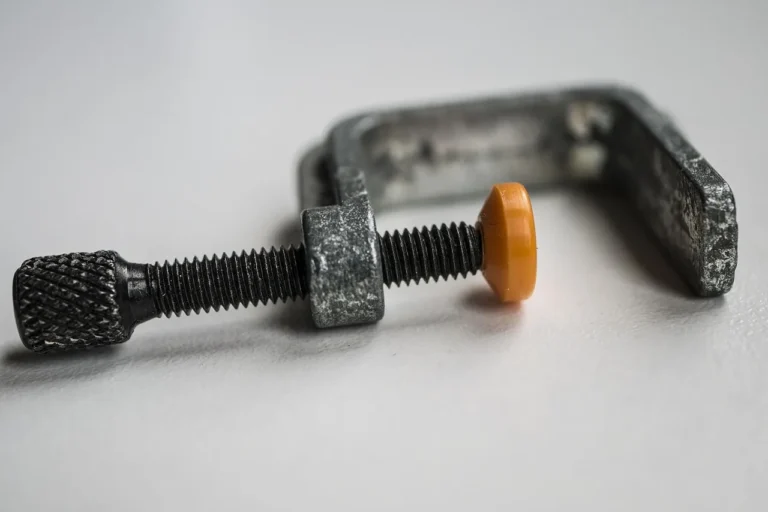
- Press the pieces together and clamp. Steady pressure for the full cure time (about 24 hours to reach full strength) keeps the expansion contained between the two layers instead of forcing it outward.
- Trim any dried excess. Once fully cured, a sharp craft knife can clean up foam that escaped the bond line — cut carefully to avoid nicking the fabric itself.
Fabric Type Matters as Much as Glue Choice
Natural fibers like cotton and linen absorb glue more readily than synthetics like polyester or nylon, which can mean the glue soaks in unevenly on a natural-fiber weave. Stretchy fabrics (spandex, knits) need a flexible adhesive that won’t crack under stretch — original Gorilla Glue is a poor match here regardless of technique. Delicate fabrics like silk or lace are easily damaged by any strong solvent-based or expanding adhesive; a specialty fabric glue or fusible web is the safer route. Always test on a scrap of the actual fabric first — how a glue behaves on cotton canvas tells you almost nothing about how it will behave on silk.
Other Fabric-Specific Alternatives
Beyond Gorilla’s own fabric glue, brands like Aleene’s, Beacon, and Fray Check make adhesives built specifically for textiles, with differences in flexibility, water resistance, and dry time. Fusible webbing or fabric tape, activated by an iron, is a no-liquid alternative that works well for hemming without any glue at all. Match the product to the job: a waterproof fabric glue for outdoor gear, a lightweight clear-drying glue for delicate garments, and a check of the label for “permanent” versus “temporary” bonding before committing to a visible repair.
Frequently Asked Questions
Can I use Gorilla Glue on all types of fabric?
You can physically apply it to most fabrics, but it’s only recommended for heavy-duty material where flexibility isn’t important. For delicate, thin, or stretchy fabrics, a dedicated fabric glue is the safer and better-looking choice.
Will Gorilla Glue make my fabric stiff?
Yes, the original formula stiffens fabric as it expands and cures, especially on thin or flexible material. Gorilla Fabric Glue, a separate non-expanding product, is designed to stay flexible instead.
How long does Gorilla Glue take to cure on fabric?
Original Gorilla Glue reaches full strength in about 24 hours, though it may feel dry to the touch sooner. Keep the pieces clamped for the full cure time rather than judging by touch.
Can I wash fabric that’s been glued with Gorilla Glue?
Yes, once fully cured. Repeated washing and flexing can weaken a stiff bond made with the original formula over time; Gorilla Fabric Glue is built to hold up through regular washing and drying.
Is Gorilla Fabric Glue the same as regular Gorilla Glue?
No. Original Gorilla Glue is a polyurethane adhesive that expands as it cures. Gorilla Fabric Glue is a separate, non-expanding formula made specifically to stay flexible and dry clear on textiles.
Conclusion
Original Gorilla Glue on fabric works when the fabric is heavy and already stiff, or when it’s being bonded to a hard, non-porous surface. For anything that needs to move and stay soft — clothing, delicate crafts, stretch fabric — reach for Gorilla Fabric Glue or another dedicated textile adhesive instead. Either way, test on a scrap piece first; it’s the fastest way to avoid a stiff, discolored patch on the finished project.
Sponsored / affiliate links. As an Amazon Associate I earn from qualifying purchases. I may earn additional commission from eligible campaigns.