Cedar Compared to Redwood: Which Wood is Best for Your Project?
Cedar and redwood are popular choices for outdoor projects. Both offer unique benefits.
Comparing cedar to redwood can help you make the best choice for your needs. Understanding the differences between cedar and redwood is crucial. This comparison highlights their distinct features, strengths, and weaknesses. By knowing these details, you can make an informed decision for your next project.
Whether you’re building a deck, fence, or furniture, choosing the right wood matters. This guide will explore the qualities of each wood type. It will help you decide which one fits your project best. Let’s dive into the world of cedar and redwood to discover which one suits you more.

Credit: www.theredwoodguys.co.nz
Introduction To Cedar And Redwood
Cedar is a popular choice for outdoor projects. It is known for its natural resistance to decay and insects. This wood is light and easy to work with. Cedar has a pleasant smell and is often used in closets and chests. The color of cedar can range from a light, honey tone to a deep, reddish-brown. Over time, it can weather to a soft, silver-gray.
Redwood is another excellent choice for outdoor use. It is also resistant to decay and insects. This wood is more dense than cedar, making it slightly stronger. Redwood has a rich, reddish color that many find attractive. It is often used for decks, fences, and garden furniture. Like cedar, redwood can also weather to a silver-gray color over time.
Physical Characteristics
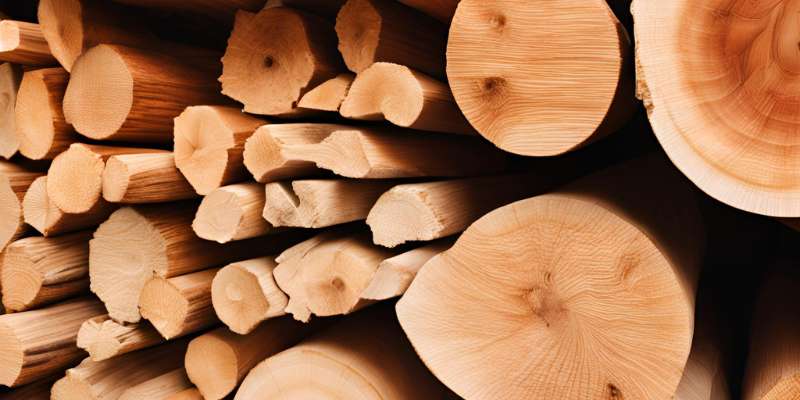
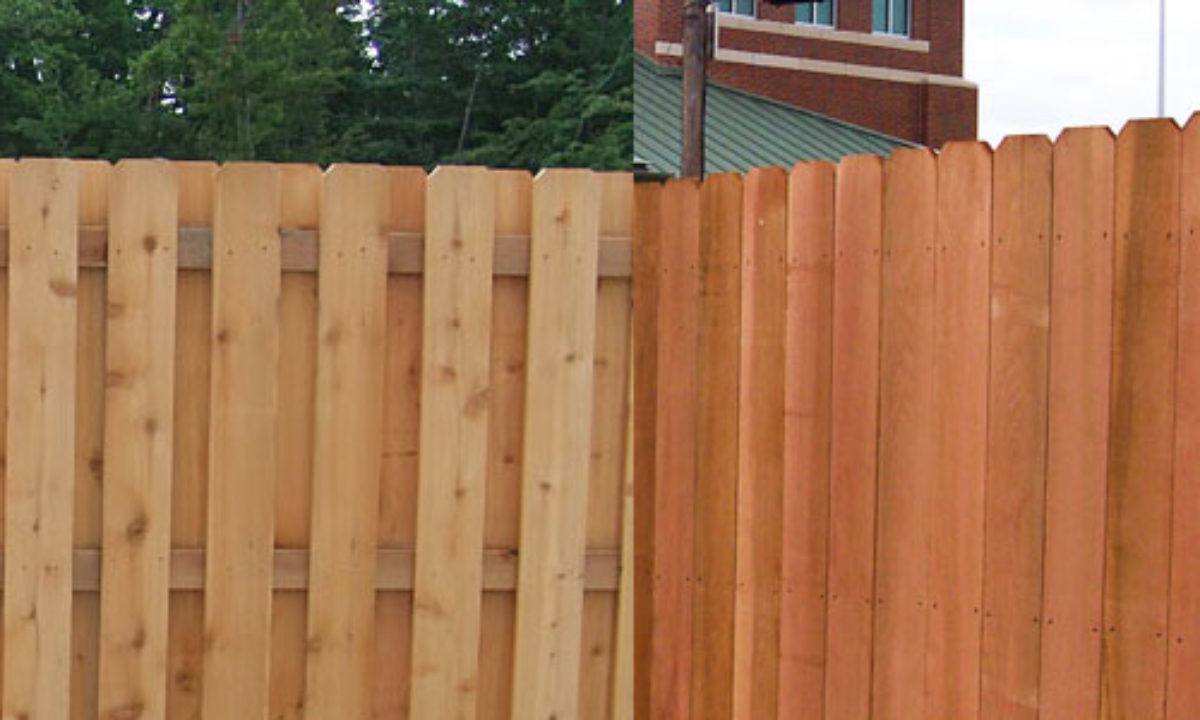
Cedar has a light, reddish-brown color. The grain is usually straight. Redwood is darker. It has a rich, reddish hue. The grain in redwood can be wavy or straight. Both woods have a fine texture.
Cedar is less dense. It feels lighter. Redwood is heavier. It has more density. This makes redwood more durable. Cedar is easier to work with. It cuts and shapes easily. Redwood needs more effort to cut.
Durability And Longevity
Cedar and redwood both resist decay well. Cedar has natural oils that help it last long. Redwood also contains tannins that protect it from rot. Both are good choices for outdoor use. They can withstand weather and stay strong for years.
Cedar repels many insects. Its scent is strong and keeps bugs away. Redwood is also good at resisting insects. It has natural chemicals that bugs do not like. Both woods are good for keeping insects at bay. They need less treatment than other woods.
Maintenance Needs
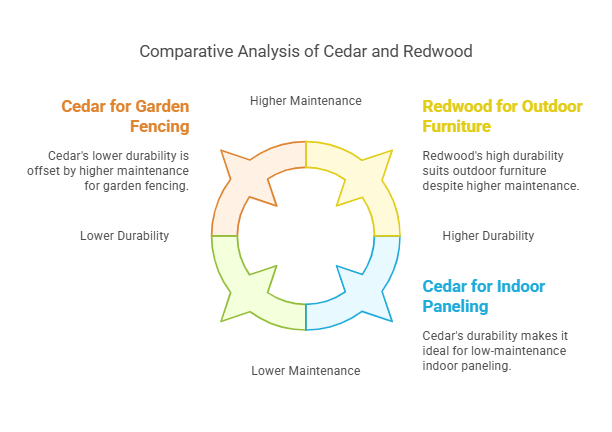
Cedar requires less maintenance than redwood. It naturally resists insects and decay. Redwood needs regular sealing to maintain its color and durability.
Cedar Maintenance
Cedar is easy to take care of. It needs less maintenance than other woods. Cedar has natural oils that protect it. These oils keep bugs and rot away. Cedar ages to a nice silver-gray color. If you want to keep the color, use a sealant. Clean cedar with mild soap and water. Do this once a year. Cedar does not need much sanding. It is a good choice for people with little time.
Redwood Maintenance
Redwood needs more care than cedar. It has natural oils too. These oils help with bugs and rot. Redwood can turn gray over time. Use a sealant to keep the red color. Clean redwood with mild soap and water. Do this twice a year. Sand redwood to remove stains. Redwood may need stain or paint every few years. It is a great choice for a nice look.
Environmental Impact
Cedar and redwood differ in their environmental impact. Cedar grows faster, making it more sustainable. Redwood, though durable, is less abundant.
Sustainability
Both cedar and redwood are sustainable choices for wood. Cedar grows quickly, which makes it a renewable resource. Redwood is also sustainable but grows slower than cedar. Choosing either wood helps reduce carbon footprint.
Harvesting Practices
Cedar trees are often harvested with careful methods. This helps protect forests. Redwood harvesting also follows strict guidelines. These guidelines ensure minimal damage to the environment. Both woods come from managed forests. This means new trees are planted after old ones are cut.
Cost And Availability
Cedar is usually cheaper than redwood. This makes cedar a popular choice. Builders like saving money. Redwood costs more because it’s rarer. Many people still prefer redwood for its beauty. Cedar is often found in many stores. Redwood is not as easy to find. Both woods are good for building.
Cedar is available in many places. Stores often have it in stock. Redwood is harder to find. Not every store carries redwood. People might need to search more for redwood. Cedar is ready for purchase more often. This makes cedar a common choice for many projects.
Best Uses For Cedar
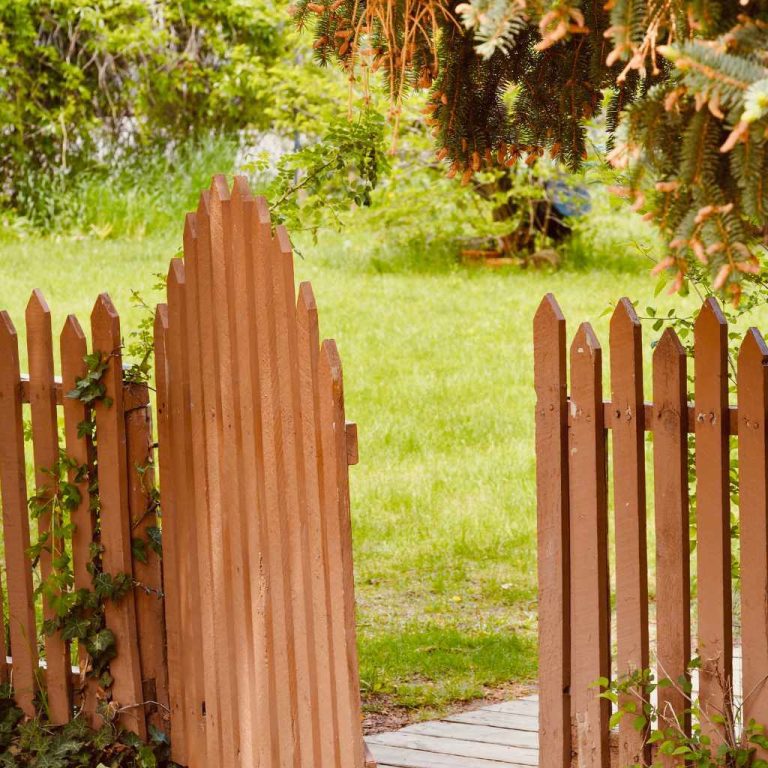
Cedar is perfect for decking and fencing. It resists rot and insects. Cedar is lightweight. This makes it easy to handle. It is also stable, so it does not warp easily. Great for gazebos and pergolas.
Cedar is ideal for closet linings. It has a pleasant smell. This smell repels moths. Cedar is also used for saunas. It can handle heat and moisture well. Cedar is a good choice for paneling. It gives a natural look to interiors.
Credit: bcfenceaustin.com
Best Uses For Redwood
Redwood is great for outdoor projects. Decks made from redwood last long. They don’t rot easily. Fences and garden beds also work well with redwood. The wood looks nice and is strong. Pergolas and gazebos made from redwood can add beauty to your yard. It is a good choice for outdoor furniture too. This wood can handle the weather well.
Redwood can be used inside homes too. Furniture made from redwood is strong and beautiful. Cabinets and shelves look nice in redwood. You can also use redwood for paneling. This wood gives a warm look to rooms. Doors and window frames made from redwood are also good choices. It is a versatile wood for many indoor projects.
Frequently Asked Questions
What Are The Differences Between Cedar And Redwood?
Cedar is lighter in color, while redwood has a richer, reddish hue. Cedar is more resistant to insects, whereas redwood is more resistant to rot. Both are durable, but redwood is generally more expensive.
Is Cedar Or Redwood More Durable?
Both cedar and redwood are durable, but redwood is generally considered more resistant to decay. Cedar is more resistant to insects. Both woods can last a long time with proper maintenance.
Which Is Better For Outdoor Projects, Cedar Or Redwood?
Redwood is often preferred for outdoor projects due to its resistance to moisture and decay. Cedar is also a good choice for outdoor use because of its natural insect resistance and durability.
Does Redwood Cost More Than Cedar?
Yes, redwood is typically more expensive than cedar. The higher cost is due to its superior decay resistance and richer color. Cedar is more budget-friendly but still offers excellent durability and insect resistance.
Conclusion
Choosing between cedar and redwood depends on your needs. Both offer unique benefits. Cedar is durable and resistant to insects. Redwood has a rich color and resists decay. Consider your budget and style preference. Cedar may be more affordable. Redwood adds a luxurious touch.
Both woods require some maintenance. Think about your long-term plans. Cedar and redwood can enhance your outdoor space. Make an informed choice for your project. Enjoy the beauty and quality of natural wood.