Cedar Hard Or Soft Wood: Discover Its Surprising Strength and Uses
Are you curious about cedar wood and wondering if it’s hard or soft? Knowing the difference can help you choose the right wood for your projects.
Whether you’re building furniture, decking, or just exploring woodworking, understanding cedar’s qualities will save you time and money. You’ll discover the truth about cedar wood’s hardness and how it affects its use. Keep reading to get clear answers that will guide your next decision confidently.
Cedar Wood Types
Cedar wood is popular for many uses. It offers beauty, durability, and a pleasant scent. Different types of cedar wood have unique features. Knowing these types helps you choose the right wood for your project.
Each cedar type varies in color, hardness, and resistance. Some are softwoods, while others are harder. This affects how they work and last over time. Let’s explore the main cedar wood types.
Western Red Cedar
Western Red Cedar is famous for its rich red color. It is a softwood but very durable. This wood resists decay and insects well. It is easy to cut and shape. Western Red Cedar is popular for outdoor projects and siding.
Eastern White Cedar
Eastern White Cedar is lighter in color than Western Red. It has a pale yellow to white shade. This wood is softer and has a fine grain. It smells fresh and repels insects naturally. Eastern White Cedar is good for fences and shingles.
Alaskan Yellow Cedar
Alaskan Yellow Cedar is stronger and harder than other cedars. It has a yellow to light brown tone. This wood stands up well to weather and wear. It is often used for boat building and outdoor furniture. Alaskan Yellow Cedar lasts a long time with little care.
Hardwood Vs Softwood
Understanding the difference between hardwood and softwood is important when choosing cedar wood. Many people think hardwood means the wood is harder. That is not always true. The difference lies in the type of tree the wood comes from.
Botanical Differences
Hardwood comes from trees that have broad leaves and lose them in autumn. These trees are called angiosperms. Softwood comes from conifers, trees with needles and cones, called gymnosperms. Cedar trees belong to the softwood group because they are conifers.
Density And Texture
Hardwoods are usually denser and have a tighter grain. Softwoods tend to be lighter and less dense. Cedar wood, even though softwood, can be quite dense and strong. Its texture is smooth and has a pleasant aroma.
Common Misconceptions
Many think softwood is weak or less durable. This is not true for cedar, which is resistant to decay and insects. Hardwood does not always mean better quality. The choice depends on the wood’s use and properties, not just the label.

Strength Characteristics Of Cedar
Cedar wood is popular for many uses because of its strength. It has qualities that make it stand out among other woods. Understanding cedar’s strength helps you decide where to use it best. This section explains cedar’s durability, weight, and how it handles force.
Durability And Resistance
Cedar is known for lasting a long time. It resists decay and damage from insects well. This makes cedar good for outdoor projects. It can handle wet and dry conditions without rotting. Its natural oils help protect the wood. This means less maintenance is needed over time.
Weight And Hardness
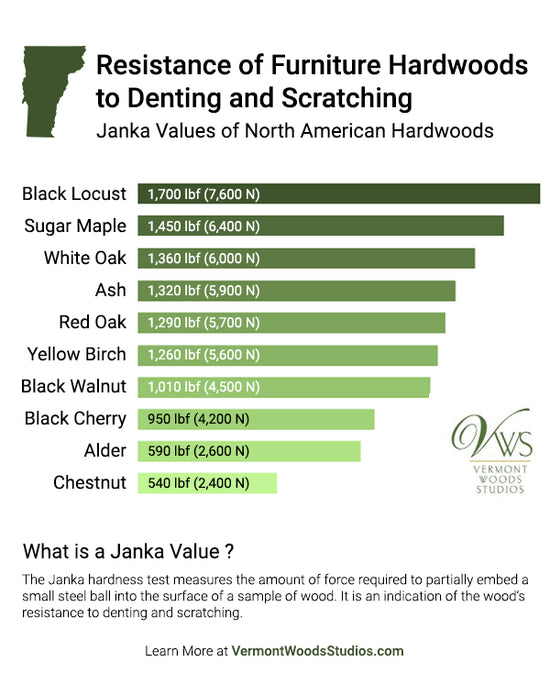
Cedar is a light wood compared to others. Its light weight makes it easy to work with. Despite being light, cedar has a firm feel. It is softer than hardwoods like oak or maple. This softness means it can dent or scratch more easily. Still, it holds up well for many uses.
Impact And Compression Strength
Cedar can take some impact without breaking. It absorbs shocks better than many softwoods. Its compression strength helps it support weight without crushing. This makes cedar useful for beams and posts. While not the strongest wood, it balances strength with flexibility.
Cedar Wood Applications
Cedar wood is popular for many uses because of its unique qualities. It is light, strong, and smells good. Its natural oils help resist insects and decay. These features make cedar ideal for many projects.
Both hard and soft cedar woods have different benefits. They fit well in outdoor and indoor settings. Cedar also works great for special, detailed projects. Let’s explore these applications.
Outdoor Uses
Cedar wood is perfect for outdoor furniture. It stays strong despite rain and sun. People use cedar for decks and fences. It does not rot quickly like other woods. Cedar also makes good garden boxes and sheds.
Indoor Uses
Indoors, cedar adds warmth to rooms. It is common in closets and chests. The wood’s scent helps keep moths away. Cedar panels and ceilings bring a cozy feel. It is easy to work with for many home projects.
Specialty Projects
Cedar is great for specialty projects like boats and musical instruments. The wood’s light weight helps in these uses. It also suits carvings and decorative items. Many artisans choose cedar for its beauty and strength.
Maintenance And Longevity
Cedar wood is popular for outdoor and indoor projects. Its maintenance and longevity depend on care and natural qualities. Understanding how cedar resists weather, needs treatment, and lasts over time helps keep it strong.
Weather Resistance
Cedar wood naturally fights moisture and insects. Its oils protect it from rot and decay. Soft cedar is more vulnerable than hard cedar to weather damage. Still, both types handle rain and sun well.
Good air flow and drying after rain improve cedar’s resistance. Avoid letting water sit on the wood. This prevents mold and warping. Regular cleaning removes dirt and keeps cedar healthy.
Treatment And Finishing
Treat cedar with sealants or stains to increase life. These coatings block water and reduce sun damage. Applying finish every few years keeps wood looking fresh.
Choose a product made for cedar or softwoods. Follow instructions for best results. Sanding before treatment helps the finish stick better. Untreated cedar fades to a soft gray but stays strong.
Lifespan Expectations
Hard cedar lasts longer than soft cedar in tough conditions. With care, cedar wood can last 20 to 30 years outdoors. Indoor cedar lasts even longer without heavy wear.
Regular maintenance extends wood life. Ignoring care causes cracks and decay. Watch for signs of damage and fix problems early. Proper upkeep keeps cedar wood beautiful and durable.
Environmental Impact
The environmental impact of cedar wood is an important topic. Cedar is used in many products, from furniture to building materials. Understanding how cedar affects the environment helps us make better choices. This section explores the sustainability of cedar, how it is harvested, and the options for recycling and reuse.
Sustainability Of Cedar
Cedar trees grow naturally in many parts of the world. Some species grow fast, which helps forests recover quickly. Sustainable forestry means cutting trees without harming the forest’s future. Many cedar forests follow rules to protect wildlife and soil. Sustainable cedar supports clean air and healthy ecosystems.
Harvesting Practices
Harvesting cedar wood can be done carefully. Selective cutting takes only some trees, leaving others to grow. This helps keep the forest balanced and strong. Clear-cutting, removing all trees at once, causes more damage. Good harvesting methods reduce soil erosion and protect water quality. Responsible harvesting also respects local communities and their land.
Recycling And Reuse
Cedar wood can last a long time, even after reuse. Old cedar wood is often used for new furniture or crafts. Recycling reduces the need to cut more trees. It also lowers waste in landfills. Reusing cedar saves energy compared to making new wood products. This helps reduce the overall environmental footprint of cedar wood.
Frequently Asked Questions
Is Cedar Considered A Hard Or Soft Wood?
Cedar is classified as a softwood despite its durability. It comes from coniferous trees, which are generally softwoods. Its softness makes it easy to work with while still offering natural resistance to decay and insects.
What Are The Common Uses Of Cedar Wood?
Cedar is widely used in outdoor furniture, decking, and siding. Its natural oils resist moisture and insects, making it ideal for exterior applications. Cedar also works well for closets and chests due to its pleasant aroma and moth-repelling properties.
How Durable Is Cedar Compared To Hardwoods?
Cedar is less dense than hardwoods, making it softer. However, its natural oils provide excellent resistance to rot and pests. While not as hard as oak or maple, cedar’s durability suits outdoor and decorative projects well.
Why Does Cedar Wood Smell Distinctively?
Cedar’s unique scent comes from natural oils called thujaplicins. These oils protect the wood from insects and decay. The aroma also repels moths, making cedar popular for lining closets and storage chests.
Conclusion
Cedar wood offers unique qualities in both hard and soft forms. Soft cedar is light and easy to work with. Hard cedar stands strong and lasts longer. Each type suits different needs and projects. Choose based on your specific use and budget.
Understanding these differences helps you pick the best wood. Cedar remains a popular choice for many builders and crafters. Trust your project will benefit from cedar’s natural charm and strength.