Cedar Oil for Wood: Ultimate Guide to Protection & Shine
Are you looking for a natural way to protect and enhance your wooden surfaces? Cedar oil for wood might be the simple solution you’ve been missing.
Imagine giving your furniture, decks, or floors a fresh, rich look while keeping them safe from damage. Cedar oil doesn’t just make wood look better—it helps it last longer. If you want to learn how this powerful oil can transform your wood and keep it in great shape, keep reading.
Your wood deserves the best care, and cedar oil could be exactly what you need.
Benefits Of Cedar Oil
Cedar oil offers many benefits for wood care. It protects and beautifies wood naturally. This oil is safe and easy to use. It helps wood last longer and look better. Below are key benefits of using cedar oil on wood.
Natural Wood Protection
Cedar oil forms a natural shield on wood surfaces. It blocks harmful elements like insects and dust. This oil keeps wood strong without harsh chemicals. The protection lasts for months, keeping wood safe.
Enhancing Wood Grain
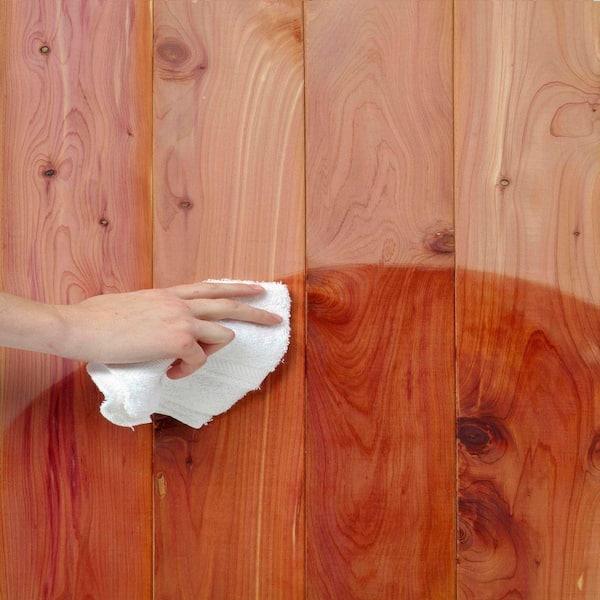
Cedar oil brings out the wood’s natural beauty. It deepens the wood grain and adds a warm glow. The oil makes wood look richer and more vibrant. This enhances the overall appearance of furniture and floors.
Resistance To Moisture And Decay
Cedar oil helps wood resist water damage. It reduces the chance of mold and rot. The oil keeps wood dry and healthy. This extends the life of wood in damp places.
Aromatic Properties
Cedar oil gives wood a fresh, natural scent. The smell is pleasant and calming. It also helps keep pests away with its aroma. This adds a nice touch to any wooden item.
Types Of Cedar Oil
Cedar oil comes in different types, each with unique qualities. Choosing the right type helps protect wood and bring out its natural beauty. Understanding these types makes it easier to pick the best oil for your wood projects.
Virgin Vs. Refined Cedar Oil
Virgin cedar oil is pure and extracted directly from cedar wood. It keeps most natural properties and aroma. Refined cedar oil goes through extra processing. This removes impurities and softens the scent. Virgin oil suits those who want natural smell. Refined oil works well for sensitive uses or mixing.
Essential Oil Extracts
Essential cedar oils focus on strong, natural fragrance. They are highly concentrated and often used in small amounts. These oils preserve cedar’s fresh and woody scent. Essential oils also have natural insect-repelling power. They add aroma and protection to wooden surfaces.
Blended Wood Oils
Blended wood oils mix cedar oil with other oils like linseed or tung oil. This combination improves wood protection and finish. Blends offer balanced scent and better durability. They help seal wood and keep it smooth. Blended oils work well on furniture and outdoor wood.
Preparing Wood For Application
Preparing wood before applying cedar oil is essential. Proper preparation helps the oil soak deep. It also makes the finish look smooth and last longer.
Cleaning, sanding, and choosing the right wood type matter a lot. Each step improves how the cedar oil works on wood surfaces.
Cleaning And Sanding
Start by cleaning the wood surface. Remove dust, dirt, and grease with a soft cloth or mild soap and water. Let the wood dry completely before moving on.
Next, sand the wood with fine-grit sandpaper. Sanding opens the wood pores, allowing cedar oil to penetrate better. Always sand in the direction of the wood grain. Wipe off sanding dust with a clean cloth.
Removing Old Finishes
Old paint, varnish, or sealants block cedar oil from soaking in. Use a chemical stripper or sand the wood to remove old finishes. Work carefully to avoid damaging the wood surface. After removal, clean the wood again to remove residue.
Choosing The Right Wood Types
Cedar oil works best on softwoods like pine, cedar, and fir. These woods absorb oil easily. Hardwoods like oak or maple can be oiled but may need extra sanding. Avoid very dense or treated woods as they resist oil absorption.
Applying Cedar Oil
Applying cedar oil to wood protects it and enhances its natural beauty. The oil soaks deep into the wood, creating a durable finish. Proper application helps the wood last longer and resist damage. Follow these simple steps for the best results.
Tools And Materials Needed
- Cedar oil (pure, high-quality)
- Clean, lint-free cloths or rags
- Soft-bristle brush
- Sandpaper (fine grit)
- Gloves to protect your hands
- Drop cloth or newspaper to protect the work area
Step-by-step Application Process
- Start by sanding the wood surface lightly.
- Wipe away all dust with a clean cloth.
- Put on gloves to keep your hands clean.
- Dip the cloth or brush into the cedar oil.
- Apply oil evenly in the direction of the wood grain.
- Cover all areas, including edges and corners.
- Let the oil soak in for about 15 minutes.
- Wipe off any excess oil with a dry cloth.
- Allow the first coat to dry before applying more.
Drying And Curing Times
Let the cedar oil dry for at least 24 hours. Avoid touching or placing objects on the wood. For better protection, apply 2-3 coats. Each coat needs full drying time. The wood will cure fully in about one week. During this time, keep the wood in a dry place.
Tips For Best Results
- Work in a well-ventilated area to help drying.
- Use thin coats to avoid sticky surfaces.
- Test on a small wood section first.
- Reapply oil every 6-12 months to maintain protection.
- Store cedar oil in a cool, dark place.
Maintenance And Reapplication
Keeping wood in great shape requires regular care and attention. Cedar oil helps protect wood from drying out and cracking. Over time, the oil wears off. You must reapply it to keep the wood looking fresh and strong.
Proper maintenance improves wood’s lifespan. It also keeps its natural beauty. Learn how to know when wood needs more cedar oil. Follow the right steps to clean and treat wood surfaces safely.
Signs Wood Needs Re-oiling
Wood looks dull or faded. It feels dry or rough to touch. Water no longer beads on the surface. Small cracks start to appear. These signs mean the oil has worn off. The wood needs a fresh coat of cedar oil.
Frequency Of Treatment
Reapply cedar oil every 6 to 12 months. This depends on wood exposure and weather. Outdoor wood may need more frequent oiling. Indoor wood usually needs less. Check wood regularly for signs of dryness. This helps decide the best time to treat.
Cleaning Wood Surfaces Safely
Use a soft cloth or brush to clean wood. Avoid harsh chemicals or abrasive cleaners. Mild soap with water works well. Rinse with clean water and dry thoroughly. Clean wood before applying cedar oil. This ensures better oil absorption and protection.
Common Mistakes To Avoid
Cedar oil is a popular choice for treating wood. It protects and smells great. Many people make simple mistakes when using cedar oil. These mistakes can reduce its effectiveness. They can also harm the wood or create safety problems. Avoid these common errors to get the best results.
Over-application Issues
Applying too much cedar oil can cause problems. The wood may become sticky or greasy. Excess oil can attract dust and dirt. It may also take a long time to dry. Use a thin, even layer instead. Let the oil soak in and dry fully before adding more.
Using On Incompatible Wood
Not all wood types work well with cedar oil. Some woods are too dense or oily already. The cedar oil may not absorb properly. This leads to uneven color and poor protection. Test a small area first. Check how the wood reacts before treating the entire surface.
Ignoring Safety Precautions
Cedar oil is natural but still requires care. Avoid skin contact and eye exposure. Use gloves and work in a well-ventilated space. Keep cedar oil away from flames and heat. Store it safely out of reach of children and pets. Follow the instructions on the label closely.
Comparing Cedar Oil With Other Wood Treatments
Choosing the right wood treatment affects the look and life of wood surfaces. Cedar oil is a popular natural option. Comparing it with other oils and finishes helps find the best fit for each project. Each treatment offers unique benefits and suits different wood types and uses.
Cedar Oil Vs. Linseed Oil
Cedar oil has a fresh, woody scent that repels insects. Linseed oil has a nutty smell but does not repel bugs well. Cedar oil dries faster than linseed oil, which can stay sticky for days. Linseed oil darkens wood more noticeably. Cedar oil keeps wood color lighter and more natural.
Cedar Oil Vs. Tung Oil
Tung oil forms a tough, water-resistant layer on wood. Cedar oil soaks into wood without a thick coating. Tung oil takes longer to dry and requires several coats. Cedar oil needs fewer applications for basic protection. Tung oil gives a glossy finish. Cedar oil leaves a soft, matte look.
Synthetic Finishes Vs. Natural Oils
Synthetic finishes offer strong protection and shine. They can contain chemicals that harm the environment. Natural oils like cedar oil are eco-friendly and safe to use. Synthetic finishes may crack or peel over time. Natural oils penetrate wood and keep it breathing. Oils are easier to maintain and refresh.
Where To Buy Quality Cedar Oil
Finding good cedar oil for wood is important for the best results. Quality oil protects and enhances wood. It also lasts longer and smells better. Knowing where to buy quality cedar oil helps you avoid poor products. This guide shows trusted brands, store types, and price tips.
Trusted Brands
Choose brands known for pure cedar oil. Look for oils made from natural cedarwood. Trusted brands often show details about their sourcing. Check if the oil is 100% cedar oil without additives. Brands with good reviews usually deliver better quality. This ensures the wood stays protected and fresh.
Online Vs. Local Stores
Online stores offer many options and easy shopping. You can compare products and read user reviews. Shipping may take time, and costs vary. Local stores let you see and smell the oil first. Buying in person helps ask questions to experts. Both options have benefits based on your needs.
Price Considerations
Price varies with quality and brand reputation. Cheap oils might have fillers or weak scent. Higher prices often mean pure and strong cedar oil. Consider the amount and concentration of the oil. Balance price with quality for the best value. Investing a little more gives better wood care.

Frequently Asked Questions
What Is Cedar Oil Used For On Wood?
Cedar oil protects wood by repelling insects and preventing decay. It enhances wood’s natural beauty and adds a pleasant aroma. It is commonly used on furniture, decks, and wooden structures for long-lasting preservation and maintenance.
How Does Cedar Oil Protect Wood?
Cedar oil contains natural compounds that repel insects like termites and moths. It also inhibits fungal growth, preventing wood rot. This makes wood more durable and resistant to environmental damage, extending its lifespan without harsh chemicals.
Can Cedar Oil Be Used On All Wood Types?
Yes, cedar oil is safe for most wood types, including softwoods and hardwoods. It penetrates well without causing damage, enhancing grain and color. However, always test on a small area first to ensure desired results and compatibility.
How Often Should Cedar Oil Be Applied To Wood?
For outdoor wood, apply cedar oil every 6 to 12 months for optimal protection. Indoor wood may need less frequent applications, about once a year. Regular maintenance ensures continued insect repellency and wood preservation.
Conclusion
Cedar oil protects wood from damage and keeps it looking fresh. It smells nice and helps stop bugs and mold. Applying cedar oil is simple and safe for many wood types. Regular use can extend the life of your wooden items.
Choose cedar oil for natural wood care that works well. Wood stays beautiful and strong with this natural oil. Easy to use and effective. A smart choice for wood lovers.