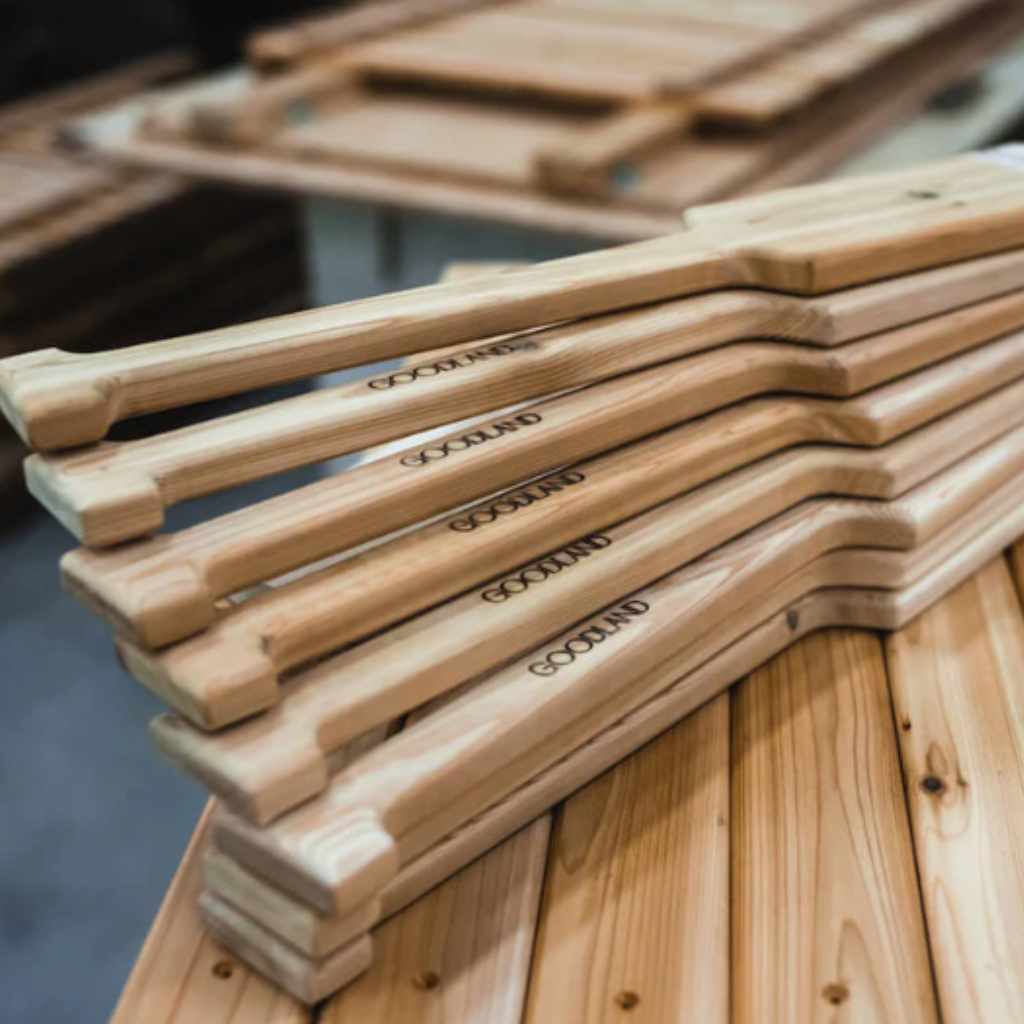
Cedar Softwood: Ultimate Guide to Benefits and Uses
If you’re looking for a wood that combines beauty, durability, and a fresh, natural scent, cedar softwood might be just what you need. Whether you’re planning a new deck, furniture, or home accents, understanding cedar softwood can help you make smarter choices that last longer and look better.
You’ll discover why cedar softwood stands out from other woods, how it can benefit your projects, and what to watch out for when buying it. Keep reading to unlock the secrets of this amazing wood and take your next project to the next level.
Properties Of Cedar Softwood
Cedar softwood is known for its unique and valuable properties. These traits make it popular for many uses like furniture, decking, and outdoor structures.
Understanding the properties helps in choosing the right wood for projects. Cedar offers a mix of strength, beauty, and natural protection.
Durability And Strength
Cedar softwood is strong yet lightweight. It holds up well under pressure and weight. This wood lasts long without breaking or warping. It works well for both indoor and outdoor projects.
Aromatic Qualities
Cedar has a fresh, pleasant smell. This natural scent helps keep insects away. The aroma stays even after the wood is cut or sanded. Many people enjoy its calming fragrance in their homes.
Resistance To Decay
Cedar wood resists rot and decay naturally. It stands up to moisture better than many woods. This makes it perfect for outdoor use and wet areas. It needs less chemical treatment to stay strong.
Grain And Texture
The grain of cedar is straight and smooth. It has a fine, even texture. This makes it easy to cut and shape. Its look is attractive, often showing warm reddish tones.
Common Uses Of Cedar Softwood
Cedar softwood has many uses due to its natural durability and pleasant smell. It resists decay and insects, making it perfect for both indoor and outdoor projects. Its light weight and easy workability attract many craftsmen and builders. Below are some common uses of cedar softwood in various fields.
Outdoor Furniture
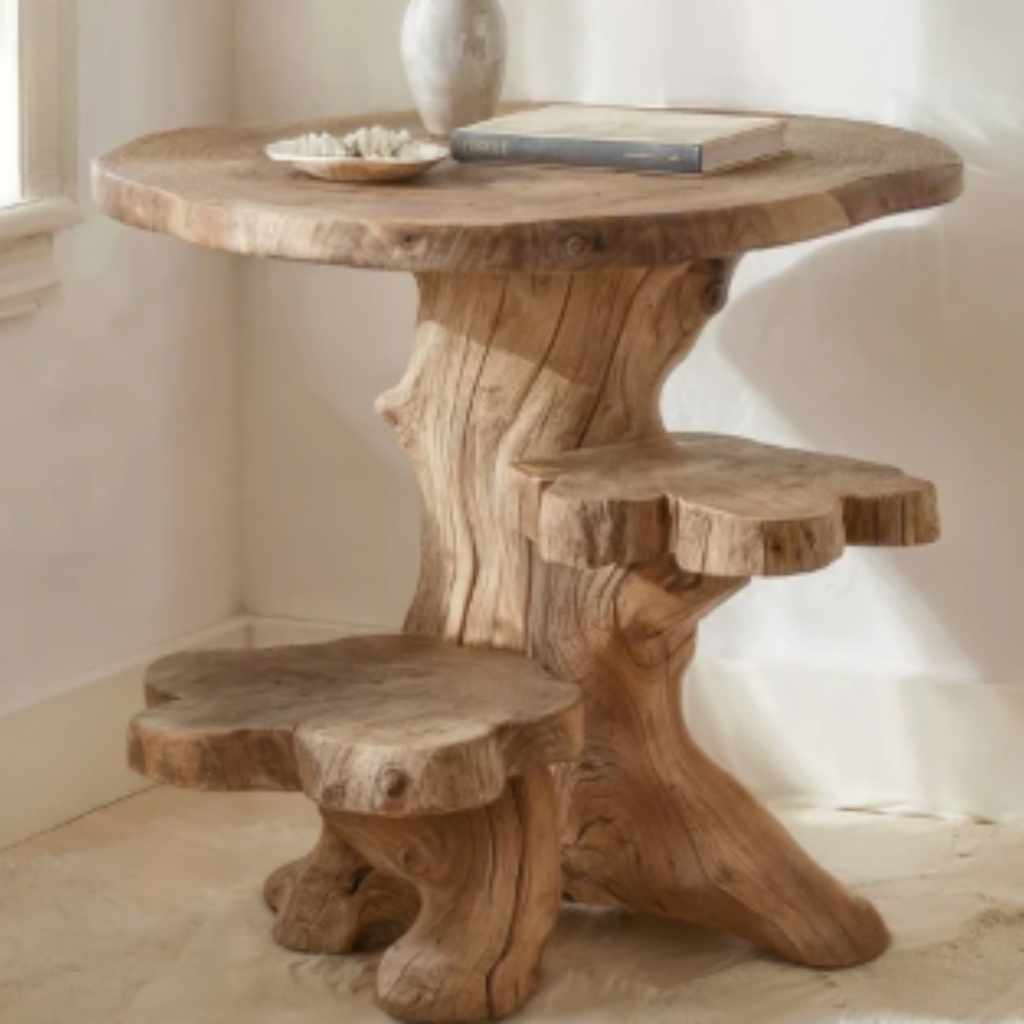
Cedar softwood is popular for outdoor furniture. It stands up well against weather and bugs. Chairs, tables, and benches made from cedar last longer outside. The wood’s natural oils keep it looking good without much care. It also gives a warm, inviting look to gardens and patios.
Decking And Fencing
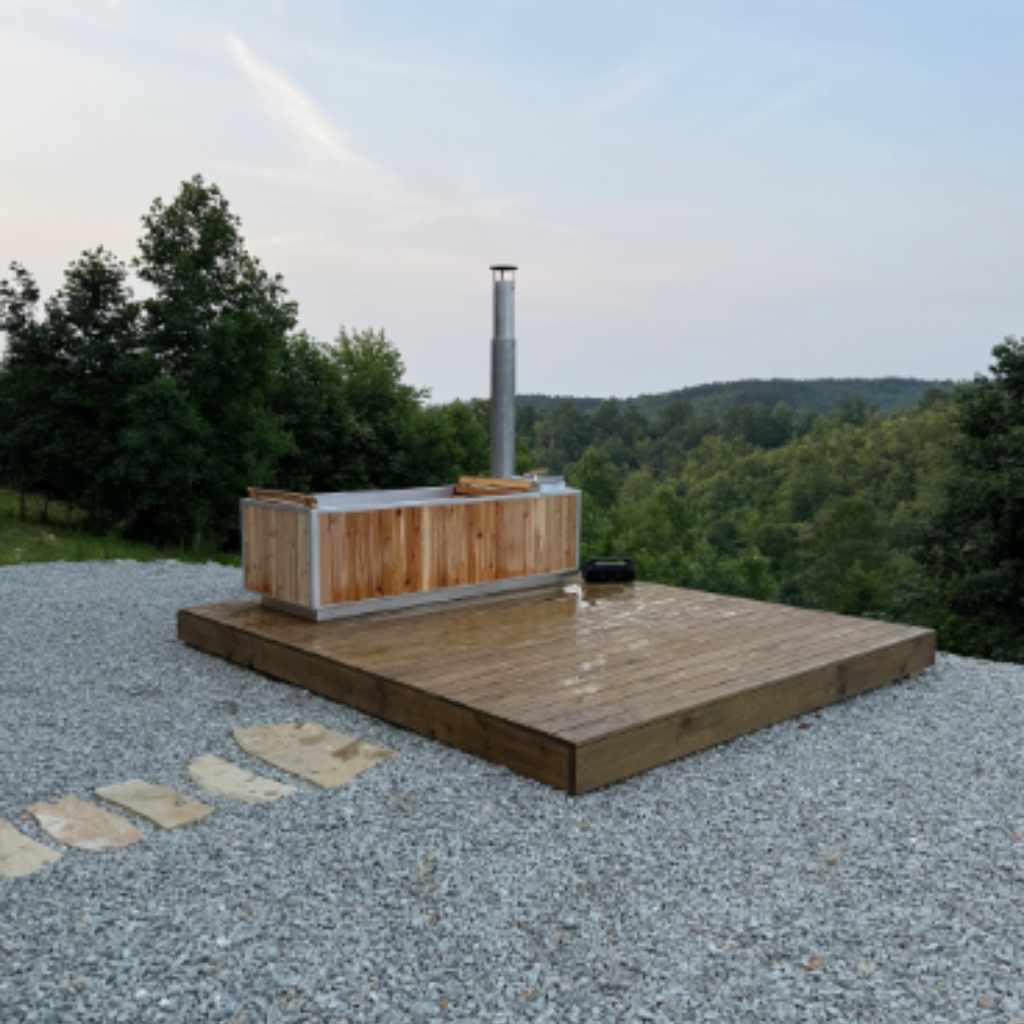
Many use cedar for decking and fencing. Cedar boards resist moisture and rot, ideal for wet conditions. Fences made from cedar remain strong and attractive for years. The wood’s resistance to warping keeps decks safe and stable. It also adds a classic, natural style to outdoor spaces.
Construction And Framing
Cedar softwood is a good choice for construction and framing. Builders value its strength and light weight. It is easier to handle than many hardwoods. Its resistance to insects helps protect the structure. Cedar also holds nails and screws firmly, making it reliable.
Woodworking And Crafting
Woodworkers prefer cedar for crafting small projects. It carves and shapes easily without splitting. The wood’s aroma adds charm to handmade items. Crafts like boxes, toys, and decorations often use cedar. Its smooth finish and color make it a favorite choice.
Benefits Of Using Cedar Softwood
Cedar softwood offers many benefits for home and garden projects. It stands out for its natural properties and ease of use. This wood works well indoors and outdoors. It lasts long and stays beautiful over time.
Natural Pest Repellent
Cedar softwood naturally repels insects. Its oils keep moths, termites, and ants away. This means less damage to your wood. No need for harmful chemical treatments. It protects your furniture and structures safely.
Low Maintenance
Cedar softwood needs little care to stay strong. It resists rot and decay without extra treatments. Washing and occasional sealing keep it healthy. No constant sanding or repainting required. This saves time and money over the years.
Eco-friendly Choice
Cedar softwood is a renewable resource. It grows quickly and can be replanted. Using cedar helps reduce deforestation. It also uses fewer chemicals in processing. This makes cedar a greener option for wood projects.
Aesthetic Appeal
Cedar softwood has a warm, rich color. Its natural grain adds beauty to any project. Over time, it ages to a soft silver-gray shade. This wood fits well with many styles. It enhances both modern and traditional designs.
Caring For Cedar Softwood
Caring for cedar softwood keeps it strong and beautiful for years. This wood is popular for outdoor projects because it resists rot and insects. Still, proper care is key to protect it from damage. Easy steps can help maintain its natural color and texture. Regular cleaning and sealing extend its life significantly. Small repairs prevent bigger problems later. Understanding how to care for cedar softwood helps you enjoy its benefits long-term.
Cleaning And Sealing
Clean cedar softwood gently with a soft brush and mild soap. Avoid harsh chemicals that can damage the wood. Rinse with clean water and let it dry fully. Sealing protects wood from moisture and sun damage. Use a high-quality sealant made for cedar softwood. Apply sealant every one to two years for best results. Sealing keeps the wood looking fresh and prevents cracks.
Preventing Weather Damage
Place cedar wood where it gets some shade. Avoid constant direct sunlight and standing water. Use covers or awnings to shield wood during heavy rain. Good air flow helps wood dry quickly after rain. Keep leaves and dirt off the wood surface. These steps reduce warping and mold growth. Weatherproofing extends the wood’s natural durability outdoors.
Repair And Refinishing Tips
Check cedar wood regularly for cracks or splinters. Sand rough spots gently with fine-grit sandpaper. Fill small holes with wood filler made for cedar. Remove old finish with a wood-safe stripper before refinishing. Apply new stain or sealant to restore color and protection. Quick repairs stop damage from spreading. Refinishing refreshes the wood’s look and strength.
Comparing Cedar With Other Softwoods
Cedar softwood stands out among many softwoods for its unique qualities. Comparing it with other softwoods helps to see its value clearly. This section highlights important differences in cost, durability, and appearance.
Cost Differences
Cedar wood usually costs more than pine or fir. Its natural oils help resist decay, raising its price. Cheaper softwoods often need extra treatment to last. Choosing cedar means spending more upfront but saving on maintenance. Budget plays a big role in wood selection.
Durability Comparison
Cedar lasts longer outdoors than many other softwoods. Its natural oils protect against insects and rot. Pine and spruce may decay faster if untreated. Cedar softwood withstands weather better without chemicals. This makes cedar ideal for decks and fences.
Appearance Variations
Cedar offers a warm, reddish color with a smooth grain. Other softwoods often have lighter tones and plain textures. Over time, cedar ages to a silvery gray. Pine tends to yellow or darken unevenly. Appearance affects the style and feel of any project.
Sourcing And Sustainability
Sourcing cedar softwood responsibly is key for the environment. Sustainable choices keep forests healthy and protect wildlife habitats. Consumers play a vital role by selecting wood from trusted sources. This section explains how to find cedar that meets eco-friendly standards.
Certified Cedar Options
Certified cedar comes from forests managed with care. Look for labels like FSC or PEFC on wood products. These certifications ensure the wood is harvested legally and sustainably. Certified cedar supports forest conservation and fair worker treatment.
Sustainable Harvesting Practices
Sustainable harvesting means cutting trees without harming the forest. Only mature trees are taken, leaving young ones to grow. Harvest areas are chosen carefully to maintain ecosystem balance. These methods help forests recover and stay productive for years.
Buying Tips
Choose cedar softwood with clear certification marks. Ask sellers about the wood’s origin and harvesting methods. Select local sources to reduce transport pollution. Buying in small amounts also lowers waste. Quality over quantity keeps your project green.
Frequently Asked Questions
What Is Cedar Softwood Commonly Used For?
Cedar softwood is widely used in outdoor furniture, decking, and siding. Its natural resistance to decay makes it ideal for these applications. It’s also popular for indoor paneling and closet linings due to its pleasant aroma and insect-repellent properties.
How Durable Is Cedar Softwood Compared To Other Woods?
Cedar softwood is highly durable, especially outdoors. It resists rot, insects, and moisture better than many softwoods. While not as hard as hardwoods, its longevity and low maintenance make it a preferred choice for long-lasting wood projects.
Why Is Cedar Softwood Preferred For Outdoor Projects?
Cedar softwood naturally repels insects and resists moisture. This helps prevent rot and decay in outdoor environments. Its lightweight nature makes it easy to work with, and its attractive grain enhances the aesthetic appeal of outdoor structures.
Is Cedar Softwood Environmentally Sustainable?
Yes, cedar softwood is generally considered sustainable. It grows relatively quickly compared to hardwoods. Many suppliers source cedar from responsibly managed forests, ensuring minimal environmental impact. Always check for certifications like FSC for eco-friendly options.
Conclusion
Cedar softwood offers many benefits for wood projects. It is strong, light, and easy to work with. Its natural smell helps keep insects away. This wood also lasts long without much care. Many people choose cedar for outdoor furniture and building.
It adds beauty and comfort to any space. Try cedar softwood for your next project. You will enjoy its look and feel. Simple, natural, and reliable—cedar softwood stands out.