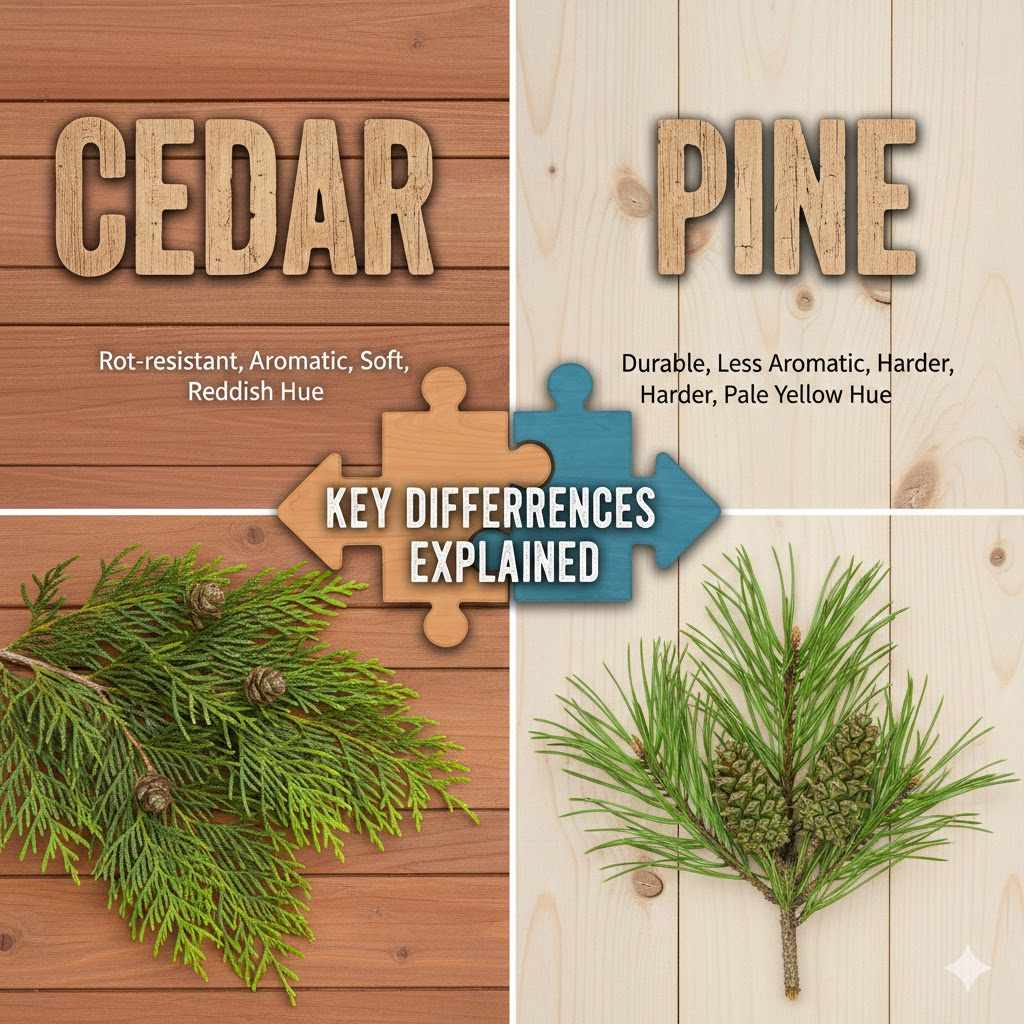
Cedar Vs Pine Key Differences Explained
Lots of folks get confused when picking between cedar and pine for their projects. It’s easy to mix them up because they both look like wood and smell nice! But they really are quite different.
Don’t worry, though. We’ll make Cedar vs Pine: Key Differences Explained super clear. We’ll walk through it step by step, so you know exactly what you’re getting.
Let’s find out what makes each wood special and how to choose the best one for what you need.
Cedar Vs Pine Key Differences Explained
Choosing the right wood can make a big difference in how your project turns out. Cedar and pine are two popular wood choices, but they have distinct qualities that make them suitable for different uses. Understanding these differences helps you make a smart decision for your building or crafting needs.
This guide will break down the key aspects of each wood, from their appearance and scent to their durability and cost. You’ll learn what sets them apart so you can confidently pick the perfect wood every time.
Appearance And Grain Patterns
When you look at cedar and pine, you’ll notice they have different looks. Cedar often has a rich, reddish-brown color, though it can also be lighter. Its grain is usually straight and uniform, with fewer knots compared to pine.
This gives cedar a more sophisticated and clean appearance, often favored for outdoor furniture or fine woodworking where aesthetics are important.
Pine, on the other hand, typically has a lighter, creamy yellow to white color. Its grain is more varied, sometimes showing prominent rings and knots. These knots can add a rustic charm, making pine a popular choice for country-style furniture, rustic decor, or structural elements where a natural, less formal look is desired.
The contrast in color and grain makes them easily distinguishable once you know what to look for.
Color And Tone
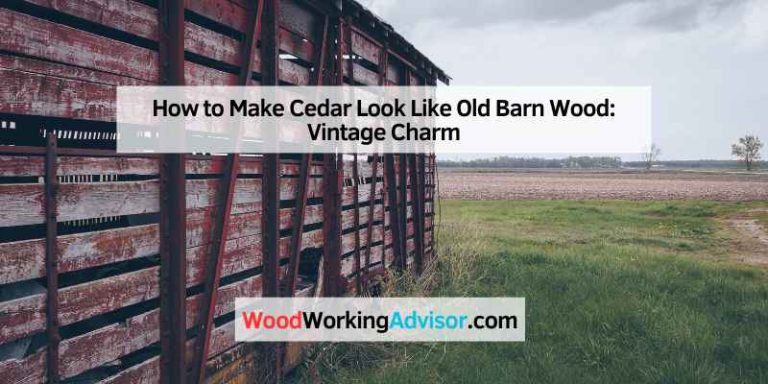
Cedar’s color often ranges from a warm reddish-brown to a darker brown, sometimes with hints of purple or grey. This natural depth of color makes it visually appealing without needing stains. It can weather to a silvery grey over time if left untreated outdoors, which many people find attractive.
Pine, in contrast, is generally much lighter. Its color can vary from a pale yellow to a creamy white. Sapwood, the living wood near the bark, is usually whiter, while heartwood, the older wood in the center, tends to be more yellowish.
Pine readily accepts stains, allowing you to achieve a wide range of colors, from dark walnut to light oak finishes, offering more flexibility in achieving a specific look.
Knot Patterns And Sapwood
Cedar often features a more uniform texture with fewer knots. When knots are present, they tend to be smaller and tighter, blending in more subtly with the wood. This makes cedar a good choice when you want a smooth, unbroken surface.
The absence of large, dark knots contributes to its elegant appearance.
Pine is known for its character, which often includes prominent knots. These can range from small, sound knots to larger, darker ones. While some prefer the rustic look of pine knots, others might find them distracting.
Pine also has noticeable sapwood, which is lighter in color and can sometimes absorb finishes differently, leading to blotchy results if not prepared properly. Understanding knot patterns helps in selecting lumber that fits your aesthetic goals.

Durability And Strength
When it comes to how long wood lasts and how strong it is, cedar and pine have different strengths. Cedar is naturally good at resisting things like rot and insects, which means it lasts a long time, especially outside. It’s not as hard as some woods, but its natural defenses make it a durable choice for many uses.
Pine is softer than cedar and is more prone to dents and scratches. However, it is quite strong for its weight, making it useful for building. While it doesn’t have the same natural resistance to rot and insects as cedar, it can be treated or sealed to improve its longevity in less demanding situations.
The choice between them depends on how much wear and tear the wood will face.
Resistance To Rot And Insects
Cedar contains natural oils and compounds called extractives that make it highly resistant to decay and insect damage. This is why cedar is a top choice for outdoor applications like fences, decks, siding, and outdoor furniture, as it can withstand moisture and pests without rotting or being eaten away. Its aromatic quality also acts as a natural insect repellent, deterring moths and other bothersome bugs.
Pine, especially sap pine, is much more susceptible to rot and insect infestation. It does not possess the same natural protective qualities as cedar. While heartwood pine offers slightly better resistance than sapwood, it still requires significant protection for outdoor use.
Treatments like pressure treating or using exterior-grade sealants are essential for pine used in damp or insect-prone environments. Without these, pine will not last as long as cedar in outdoor conditions.
Hardness And Structural Integrity
Cedar is considered a softwood, and it’s relatively soft. Its Janka hardness rating, a measure of resistance to denting and wear, is generally lower than many other wood species. This means it can be more easily scratched or dented by sharp objects or heavy impact.
However, its cellular structure makes it quite stable and less prone to warping or shrinking.
Pine is also a softwood, and its hardness varies depending on the specific species. Eastern white pine is quite soft, while Southern yellow pine is much harder and denser. Generally, pine is more prone to dents and scratches than cedar.
Despite being softer, pine can be surprisingly strong and rigid, making it suitable for structural framing, beams, and other applications where load-bearing capacity is important. Its strength-to-weight ratio is often favorable.
Uses And Applications
Because cedar and pine are so different, people use them for different things. Cedar’s natural ability to resist rot and bugs makes it perfect for the outdoors. Think about fences, decks, and even those nice cedar chests that keep clothes fresh.
Pine, being more common and often less expensive, is great for indoor projects like furniture framing, shelving, and general construction where it might be painted or stained.
The choice really depends on where the project will be and what look you want. For a beautiful outdoor bench that will last for years without much fuss, cedar is a fantastic option. If you’re building indoor shelves and want to paint them a bright color, pine is often the go-to.
Both woods have their place, and knowing their strengths helps you pick the right one.
Outdoor Projects
Cedar shines in outdoor projects due to its natural resistance to decay, rot, and insect infestation. Its inherent durability means it can withstand harsh weather conditions like rain, sun, and temperature changes without easily deteriorating. This makes it an ideal material for:
- Decks and Patios Cedar provides a beautiful, long-lasting surface that resists warping and splitting, maintaining its appearance for years.
- Fences and Gates Cedar fences can stand up to the elements and pests, offering privacy and aesthetic appeal without constant maintenance.
- Siding and Cladding Its natural beauty and weather resistance make cedar a popular choice for the exterior of homes, adding curb appeal and protection.
- Outdoor Furniture From benches and chairs to tables, cedar furniture is known for its longevity and resistance to rot, making it perfect for patios and gardens.
- Saunas and Hot Tubs Cedar’s ability to withstand moisture and high heat, along with its pleasant aroma, makes it a preferred material for indoor saunas and outdoor hot tub surrounds.
Cedar’s natural properties reduce the need for chemical treatments, making it an environmentally friendly choice for outdoor construction.
Indoor Projects
Pine is a highly versatile wood for indoor applications, often chosen for its affordability and ease of working with. Its lighter color and tendency to accept finishes well make it adaptable to various design styles. Common indoor uses include:
- Furniture Construction Pine is widely used for building the frames of upholstered furniture, as well as for solid wood pieces like beds, tables, and chairs, especially in rustic or country styles.
- Cabinetry and Shelving Its stability and moderate cost make pine suitable for building kitchen cabinets, bookshelves, and storage units.
- Trim and Molding Pine is often used for baseboards, window casings, and door frames, where it can be painted or stained to match interior decor.
- Paneling and Wall Coverings Pine planks can create a warm, inviting atmosphere, especially when used in knotty pine designs for accent walls or entire rooms.
- Crafts and DIY Projects Due to its softness and availability, pine is a favorite for hobbyists and DIY enthusiasts working on smaller projects, decorative items, or custom pieces.
While not as naturally resistant as cedar, pine’s suitability for indoor environments where it is protected from extreme moisture and pests makes it a practical and popular choice.
Scent And Aesthetics
Both cedar and pine have distinct smells, and their visual appeal varies significantly. The aroma of cedar is a classic, pleasant scent often associated with freshness and natural protection. Pine has a different, often sharper, resinous smell that many people also find appealing, though it’s less commonly used for its scent in the same way cedar is.
Aesthetically, cedar offers a rich, warm color and a fine grain that can look very elegant. Pine, with its lighter tones and more pronounced grain and knots, often brings a more casual, rustic, or natural feel. These differences in scent and look play a big role in how they are chosen for various applications, from storage solutions to decorative elements.
Aromatic Qualities
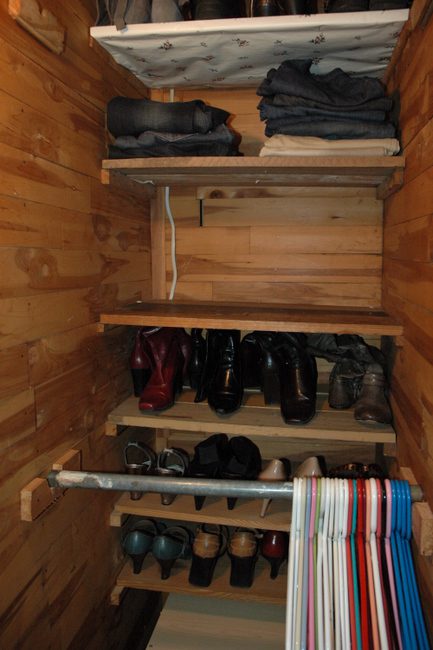
Cedarwood is famous for its distinct, pleasant, and somewhat pungent aroma. This scent is due to the presence of volatile organic compounds called extractives, primarily thujaplicins and other terpenes. It’s this aromatic quality that makes cedar a traditional choice for lining closets and chests, as it naturally repels moths and other fabric pests.
The smell is often described as fresh, clean, and slightly woody. Unlike artificial air fresheners, the cedar scent is natural and non-toxic.
Pine also has an aroma, though it’s typically less strong and more resinous or “piney” than cedar. The scent comes from the pine’s sap, which contains volatile oils. While some people enjoy the invigorating smell of pine, especially during the holidays, it doesn’t have the same pest-repelling properties as cedar.
The pine scent can also vary between species and can sometimes be perceived as sharper or more medicinal compared to the sweeter, deeper scent of cedar.
Visual Texture And Finish
The visual texture of cedar is generally smooth and fine-grained. It has a beautiful natural color, often a reddish-brown or pinkish hue, with darker streaks. The grain is typically straight and even, giving it a clean, sophisticated look.
When finished, cedar can be left natural to showcase its rich color and subtle grain, or it can be sealed to protect it. It doesn’t take stains as readily as pine, and often it’s best to let its natural beauty shine through.
Pine has a more varied visual texture. Its grain can be more pronounced, with distinct growth rings and often a significant number of knots. These knots can be a desirable feature for a rustic or country look, but they can also make the wood appear less uniform.
Pine readily accepts stains, allowing for a wide range of finishes from light and natural to dark and rich. This adaptability makes it a popular choice for painted furniture or when a specific color scheme is desired. It can also be finished to achieve a smooth, polished look.
Cost And Availability
When you’re thinking about buying wood, price and how easy it is to find are important. Cedar is usually more expensive than pine. This is because cedar trees take longer to grow and it’s a bit harder to harvest and process.
Pine, on the other hand, grows faster and is more abundant, which makes it more affordable and easier to find in most lumber yards.
For big projects or when you need a lot of wood, the cost difference can be quite noticeable. If you’re on a tight budget, pine is often the more practical choice. If the project absolutely needs the natural durability of cedar, the higher cost might be worth it for the long-term benefits.
Price Comparison
Generally, cedar is more expensive than pine. This price difference is due to several factors, including the slower growth rate of cedar trees, the specialized milling processes sometimes required, and the higher demand for its desirable properties like rot resistance. For example, a board foot of clear cedar might cost significantly more than a board foot of common pine.
This makes pine a more budget-friendly option for larger projects or when cost is a primary concern.
However, the price can vary based on the specific species of cedar or pine, the grade of lumber (clear, knotty, etc.), and regional availability. For instance, some types of knotty pine might be comparably priced to lower grades of cedar. It’s always wise to check local lumber suppliers for the most accurate pricing in your area.
The long-term benefits of cedar, like its durability and low maintenance for outdoor use, can sometimes offset its higher initial cost.
Material Accessibility
Pine is one of the most widely available and abundant lumber species. It is grown in vast quantities across North America and many other parts of the world, making it easy to find at almost any lumber yard, home improvement store, or specialty wood supplier. This widespread availability means you can usually source the exact dimensions and quantities you need without much difficulty.
Cedar is also generally accessible, but it might be found in fewer locations, especially if you are looking for specific species or grades. High-quality, clear cedar can sometimes be harder to come by in smaller towns or remote areas. However, most standard lumber yards will carry common cedar products like cedar fence pickets, deck boards, and siding.
If you require specialized cedar lumber, you might need to visit a dedicated hardwood dealer or specialty lumber supplier. For most common applications, both woods are readily available.
Maintenance And Care
How much work you need to do to keep your wood looking good is also a big difference. Cedar needs very little maintenance, especially for outdoor use. It can be left to weather naturally to a nice grey color or sealed to maintain its original hue.
Pine, on the other hand, usually needs more attention if it’s going to be exposed to the elements or if you want it to stay looking its best indoors.
For outdoor pine, sealing or painting is almost always recommended to prevent rot and insect damage. Indoors, pine furniture or trim might benefit from regular dusting and occasional waxing or refinishing to keep it looking fresh. Cedar is often chosen because it requires less upkeep over its lifespan.
Long-Term Upkeep
Cedar is renowned for its low maintenance requirements. For outdoor applications, many people choose to leave cedar unfinished, allowing it to naturally weather to a beautiful silvery-grey patina. This process does not compromise the wood’s structural integrity or its resistance to rot and insects.
If you prefer to maintain the wood’s original warm color, you can apply a UV-protective sealant or stain. These finishes typically need to be reapplied every few years, depending on the product and exposure to the elements, but it’s a far less intensive process than what pine might require.
Pine typically requires more proactive maintenance, especially if used outdoors. For outdoor pine projects, regular sealing, staining, or painting is crucial to protect it from moisture, UV rays, and pests. These protective finishes need to be reapplied periodically, often annually or bi-annually, to prevent decay and insect damage.
Indoors, pine can be susceptible to scratches and dents, so it might benefit from occasional waxing or refinishing to maintain its appearance. Properly caring for pine ensures its longevity and keeps it looking its best.
Finishing And Staining Options
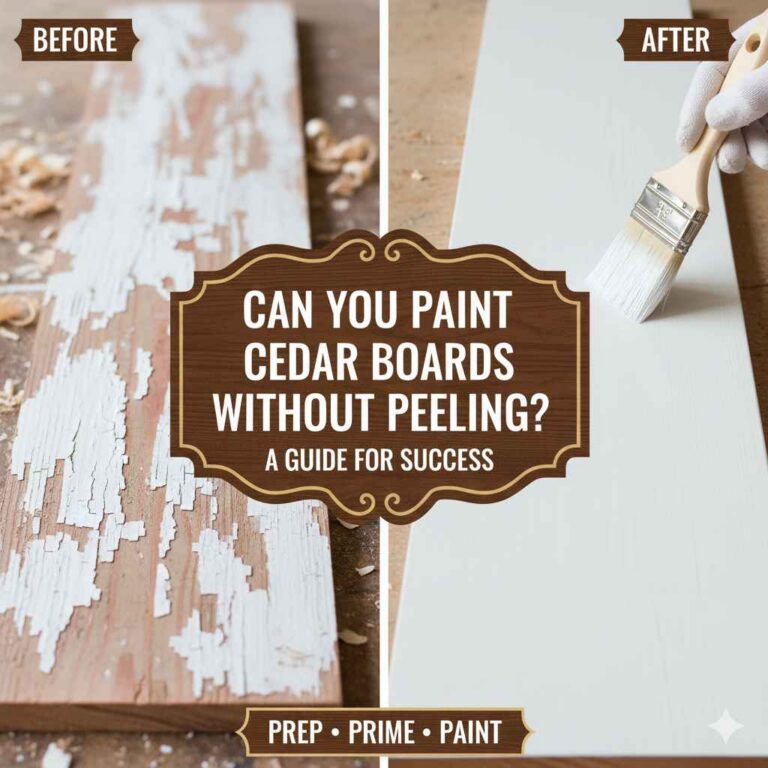
Cedar can be finished in several ways. Leaving it natural allows its rich colors and grain to show, and it will gracefully age to a grey. To preserve its original color, clear sealants with UV protection can be applied.
If you decide to stain cedar, it’s best to use penetrating stains, as cedar’s natural oils can sometimes prevent surface stains from adhering evenly. However, many builders and homeowners prefer to let cedar’s natural beauty speak for itself, which requires no staining or painting.
Pine is highly receptive to finishes and stains. Its lighter color provides a neutral base that readily accepts a wide range of colors, allowing you to achieve almost any desired look. Whether you want a dark walnut finish, a light oak tone, or a vibrant painted color, pine can accommodate it.
It’s important to use a wood conditioner or primer before staining pine, especially knotty pine, to ensure even absorption and prevent blotchiness, particularly around the knots and sapwood areas.
Cedar Vs Pine Which Is Better For You
Deciding between cedar and pine really comes down to what you’re making and what’s important to you. If you need wood that will last a long time outside, resists bugs and rot, and looks beautiful without much work, cedar is probably your best bet. Its natural qualities make it a top performer for decks, fences, and outdoor furniture.
If you’re working on indoor projects, are on a budget, or want the flexibility to paint or stain your wood to match a specific style, pine is a fantastic and practical choice. It’s easier to work with, more affordable, and widely available. Both woods have unique strengths, and by knowing the Cedar vs Pine: Key Differences Explained, you can confidently pick the right one for your next project.
Factors To Consider For Your Project
When you’re deciding whether to use cedar or pine, think about a few key things. First, where will the project be? If it’s outside, exposed to rain and sun, cedar’s natural resistance to rot and insects is a huge advantage.
For indoor projects, pine often does just fine and is more budget-friendly.
Consider the look you’re going for. Cedar has a rich color and fine grain, which is great for a natural, elegant look. Pine, with its knots and lighter color, is perfect for a rustic or country feel, and it’s also a blank canvas if you plan to paint it.
Finally, think about your budget and how much maintenance you’re willing to do. Pine is usually cheaper, while cedar requires less upkeep over time.
Budget And Project Scale
For smaller budgets or larger projects where material cost is a significant factor, pine is often the more practical choice. Its lower price per board foot and widespread availability mean you can stretch your budget further, especially for things like framing, shelving, or general construction. Pine can be a cost-effective option for projects that will be painted or stained, as its natural appearance is less critical than its structural function or ability to take a finish.
Cedar, while more expensive upfront, can sometimes be more economical in the long run for specific applications. Its exceptional durability and resistance to rot and insects in outdoor environments mean less frequent
Desired Aesthetic And Finish
The desired aesthetic plays a crucial role in choosing between cedar and pine. If you’re aiming for a warm, natural look with rich colors and a fine, consistent grain, cedar is an excellent choice. It’s often left unfinished or sealed to showcase its natural beauty, making it ideal for rustic outdoor furniture, elegant siding, or aromatic closet lining.
Pine offers a different aesthetic. Its lighter color and prominent knots lend themselves well to rustic, farmhouse, or traditional styles. Pine is also a painter’s dream; its receptive surface allows for a wide array of finishes, from subtle stains to bold painted colors.
This makes pine incredibly versatile, allowing you to match it to almost any interior design scheme or create unique custom looks.
Summary Of Key Differences
Let’s quickly recap what makes cedar and pine unique. Cedar is prized for its natural resistance to rot and insects, its pleasant aroma, and its beautiful reddish-brown color. It’s a durable, low-maintenance choice, especially for outdoor projects, but it is generally more expensive.
Pine is a softer, lighter-colored wood that is more affordable and widely available. It’s easier to work with and readily accepts stains and paints, making it versatile for indoor projects and those where a specific painted finish is desired. While not as naturally resistant as cedar, it’s a strong and economical choice for many applications.
| Feature | Cedar | Pine |
|---|---|---|
| Color | Reddish-brown to pinkish-brown | Creamy white to pale yellow |
| Grain | Straight, fine, uniform | Varied, can be prominent, often with knots |
| Rot/Insect Resistance | Excellent (natural) | Poor to moderate (requires treatment) |
| Hardness | Soft to moderately soft | Soft to moderately soft (varies by species) |
| Scent | Pleasant, aromatic, slightly pungent | Resinous, “piney” |
| Cost | Higher | Lower |
| Availability | Generally available, can vary by region | Widely available |
| Best For | Outdoor projects, aromatic chests, fine woodworking | Indoor furniture, framing, trim, DIY projects, painted finishes |

Frequently Asked Questions
Question: Is cedar more expensive than pine?
Answer: Yes, cedar is typically more expensive than pine because it grows slower and has natural properties that make it more valuable for certain uses.
Question: Can I use pine outdoors?
Answer: You can use pine outdoors, but it requires proper sealing, staining, or treatment to protect it from rot and insects. It won’t last as long as cedar without protection.
Question: Does cedar smell good?
Answer: Yes, cedar has a distinct, pleasant, and aromatic smell that many people find very appealing. It’s also known to repel moths.
Question: Which wood is better for painting?
Answer: Pine is generally better for painting because it is more affordable, readily available, and its surface accepts paint very well without needing special primers as often as cedar.
Question: Which wood is harder, cedar or pine?
Answer: Both are softwoods, but hardness varies by species. Generally, some types of pine, like Southern Yellow Pine, can be harder than many common cedars. However, cedar is often chosen for its durability against rot rather than its hardness.
Summary
Understanding the core differences between cedar and pine is key to selecting the right wood. Cedar offers natural resistance to decay and insects, a pleasant aroma, and lasting beauty, making it ideal for outdoor ventures and high-end applications. Pine, on the other hand, provides an affordable, versatile option for indoor projects, easily accepting finishes for a customized look.
Your choice depends on your project’s needs, budget, and desired outcome.